

Buyer Briefing
6 min read · 1,271 words
Benefits of bananas include providing energy, supporting digestion, supplying potassium for normal heart and muscle function, and adding important nutrients to the diet. Bananas contain carbohydrates, fiber, potassium, vitamin B6, vitamin C, and magnesium. Their convenience and versatility also make them easy to include in a balanced diet.
- Bananas provide carbohydrates that serve as a convenient source of energy.
- They contain fiber that supports normal digestive function.
- Bananas are well known for their potassium content.
- They also provide vitamin B6, vitamin C, magnesium, and manganese.
- Less-ripe bananas contain more resistant starch than fully ripe bananas.
- Bananas can fit into balanced weight-management diets.
- Ripeness can influence their carbohydrate and sugar composition.
- They can be eaten fresh, blended, baked, grilled, or frozen.
- Different banana varieties offer different flavors and culinary uses.
- For many healthy people, bananas can be enjoyed regularly as part of a varied diet.
Benefits of bananas go far beyond their naturally sweet taste and convenient packaging. Bananas provide carbohydrates, fiber, potassium, vitamin B6, and other important nutrients. They are also affordable, widely available, and easy to add to everyday meals.
From supporting digestion to providing energy, bananas can be a practical addition to a balanced diet. They can be eaten fresh, blended into smoothies, baked into bread, or transformed into simple desserts.
In this guide, VINUT explores the history, popular varieties, nutritional profile, and five potential benefits of bananas. You will also discover several delicious ways to enjoy them.

I/ What Is the History of Bananas?
Bananas have a long history that stretches back thousands of years. Their early cultivation is closely associated with Southeast Asia and the wider Asia-Pacific region.
Over time, bananas spread through migration, agriculture, and international trade. They eventually reached different parts of Africa, the Americas, and other tropical regions.
Improvements in transportation and refrigerated shipping later made it easier to move bananas across long distances. Today, bananas are widely grown in tropical climates and consumed around the world.
Their journey from regional crops to globally recognized fruit reflects centuries of agricultural development and trade.

II/ What Are the Most Popular Types of Bananas?
There are many banana varieties around the world. They differ in size, sweetness, texture, color, and culinary use.
Here are four varieties you may encounter.
1. Cavendish Bananas
Cavendish is one of the most familiar banana varieties in international markets. It develops a yellow peel when ripe and has a soft, creamy texture.
Its mild sweetness makes it suitable for eating fresh. Cavendish bananas also work well in smoothies, oatmeal, baked goods, and desserts.

2. Plantain Bananas
Plantains are generally firmer, starchier, and less sweet than common dessert bananas. Unlike Cavendish bananas, they are frequently cooked before eating.
Depending on their ripeness, plantains can be fried, boiled, baked, or roasted. They are widely incorporated into savory dishes in many cuisines.

3. Lady Finger Bananas
Lady Finger bananas are typically smaller than Cavendish bananas. They are known for their sweet flavor and creamy texture.
Their compact size makes them convenient for snacking. They can also be used in fruit bowls, desserts, and smoothies.

4. Red Bananas
Red bananas are recognizable by their reddish or purple-toned peel. When ripe, they develop a soft texture and naturally sweet flavor.
They can be enjoyed fresh or incorporated into desserts, smoothies, breakfast bowls, and other recipes.

III/ What Is the Nutritional Value of Bananas?
Bananas provide several nutrients that contribute to a balanced diet. They are particularly known for carbohydrates and potassium.
They also provide dietary fiber, vitamin B6, vitamin C, magnesium, and manganese. Their exact nutritional composition can vary according to size and ripeness.
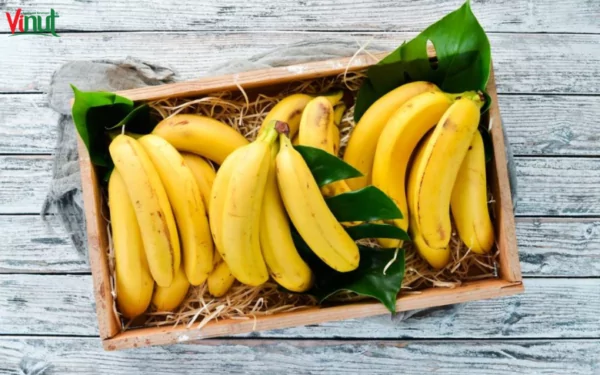
A medium banana contains roughly 100 calories, making it a convenient snack for many eating patterns.
Some of the key nutrients found in bananas include:
Carbohydrates: Provide a readily available source of energy.
Dietary fiber: Supports normal digestive function.
Potassium: Contributes to normal muscle and nerve function.
Vitamin B6: Plays a role in several metabolic processes.
Vitamin C: Contributes to normal immune function.
Magnesium: Supports normal muscle, nerve, and cellular functions.
These nutrients help explain why bananas are commonly included in balanced diets.
IV/ What Are 5 Great Benefits of Bananas?
So, what are the benefits of eating bananas every day?
Bananas can provide energy, fiber, potassium, and essential micronutrients. Their nutritional profile may support digestion, heart health, and overall wellness.
Here are five reasons to consider adding bananas to your regular diet.
1. Bananas Provide Convenient Energy
Bananas contain carbohydrates, including naturally occurring sugars and starch. Carbohydrates are an important energy source for the body.
Their portability also makes bananas particularly convenient before or after physical activity. You can carry one without preparation, refrigeration, or additional packaging.
Pairing a banana with protein-rich foods can create a more balanced snack. Consider yogurt, nuts, nut butter, or milk.

2. Bananas Can Support Digestive Health
Another important benefit comes from their fiber content.
Bananas provide different types of carbohydrates and fiber depending on their ripeness. Pectin is one type of fiber naturally present in bananas.
Less-ripe bananas also contain more resistant starch. Resistant starch passes through the small intestine without being completely digested.
These characteristics can make bananas a useful fruit within a varied, fiber-containing diet.

3. Bananas Provide Potassium for Heart Health
Bananas are well known as a source of potassium.
Potassium is an essential mineral involved in several important processes. These include normal muscle contraction, nerve signaling, and fluid balance.
Adequate potassium intake is also an important part of dietary patterns that support healthy blood pressure.
Bananas additionally provide magnesium, another mineral involved in normal muscle, nerve, and cardiovascular function.

4. Bananas Can Fit Into Weight-Management Diets
Bananas are sometimes mistakenly considered unsuitable for weight management because they contain carbohydrates.
However, no single food determines weight gain or weight loss.
Bananas can fit into a balanced diet because they provide nutrients and fiber in a convenient serving. Fiber can also contribute to feelings of fullness.
Combining bananas with protein or healthy fats may create a more satisfying snack. For example, try a banana with plain yogurt or a small portion of nuts.

5. Bananas Can Be Part of a Blood-Sugar-Conscious Diet
Bananas contain carbohydrates, so they can affect blood glucose levels. However, they also provide dietary fiber.
Ripeness is another important consideration. As bananas ripen, some of their starch is converted into sugars.
This means less-ripe and fully ripe bananas can differ in their carbohydrate composition.
For people monitoring blood glucose, portion size and the overall meal matter. Pairing fruit with protein, fat, or other fiber-rich foods can also create a more balanced meal.
People with diabetes should follow personalized dietary advice from qualified healthcare professionals.

V/ How Can You Add Bananas to Your Diet?
One reason bananas remain so popular is their versatility. Different levels of ripeness also make them suitable for different recipes.
Here are four easy ways to enjoy them.
1. Banana Bread
Overripe bananas work particularly well in banana bread. Their soft texture provides moisture, while their natural sweetness contributes flavor.
You can combine bananas with oats, nuts, seeds, or whole-grain flour for additional texture.
Banana bread can be served at breakfast or enjoyed as an occasional snack.

2. Banana Smoothies and Milkshakes
Bananas create a naturally creamy texture when blended.
Try combining a banana with milk or a plant-based alternative. You can then add yogurt, berries, mango, oats, or nut butter.
Frozen bananas can make smoothies thicker without requiring large amounts of ice.

3. Grilled Bananas
Heating bananas can enhance their sweetness and create a soft interior with a lightly caramelized exterior.
Grilled bananas can be enjoyed alone or paired with yogurt. They can also be served with pancakes, waffles, or other desserts.

4. Banana Ice Cream
Frozen bananas can create a simple creamy dessert.
Slice ripe bananas and freeze them until firm. Blend the frozen pieces until they develop a smooth, ice-cream-like consistency.
For additional flavor, add berries, cocoa powder, nuts, or other ingredients according to your preference.

VI/ Is It Good to Eat a Banana Every Day?
For many healthy people, eating a banana regularly can be part of a balanced diet.
However, variety remains important. Different fruits provide different combinations of vitamins, minerals, fiber, and plant compounds.
Instead of relying on bananas alone, combine them with berries, citrus fruits, apples, tropical fruits, and vegetables. This approach provides greater nutritional variety.
Individual dietary needs can also differ. People with specific medical conditions should follow advice from their healthcare provider.
VII/ Conclusion
Bananas combine convenience, versatility, natural sweetness, and valuable nutrients in one simple fruit.
The benefits of bananas include providing energy, dietary fiber, potassium, vitamin B6, and other essential nutrients. They can support a balanced diet when eaten alongside a variety of nutritious foods.
Whether you prefer them fresh, blended into smoothies, baked into bread, grilled, or frozen into dessert, bananas are remarkably easy to enjoy.
Their affordability and year-round availability make them even more practical. For many people, adding a banana to the daily menu can be a simple way to bring more fruit into a balanced eating pattern.
FAQ
1. What Are the Main Benefits of Bananas?
Bananas provide carbohydrates, fiber, potassium, vitamin B6, and other nutrients. They can contribute to energy intake, digestive health, and a balanced eating pattern.
2. Is It Good to Eat a Banana Every Day?
For many healthy people, eating a banana daily can fit into a balanced diet. However, dietary variety is important because different fruits provide different nutrients and plant compounds.
3. What Is the Best Time to Eat a Banana?
There is no single best time to eat a banana. Bananas can work as a breakfast ingredient, snack, or pre-workout food. They can also be paired with yogurt, nuts, or other protein-rich foods for a more balanced snack.
About this article

The VINUT editorial team publishes articles about beverage ingredients, product characteristics, and practical information for readers and international buyers.