

Buyer Briefing
7 min read · 1,419 words
Apple juice is a fruit beverage that provides water, carbohydrates, potassium, and naturally occurring plant compounds. Potential apple juice benefits include contributing to fluid intake and providing antioxidants and other fruit-derived nutrients. However, apple juice contains much less dietary fiber than whole apples and should be consumed with serving size in mind.
- Apple juice is made by extracting liquid from apples.
- It provides water, carbohydrates, potassium, and plant compounds.
- It can contribute to daily fluid intake.
- Some products contain or are fortified with vitamin C.
- Apple juice contains much less fiber than whole apples.
- Natural sugar content should still be considered.
- Look for 100% juice and check for added sugars.
- Serving size matters when drinking juice regularly.
- Whole fruit remains important in a balanced diet.
Listen to the article summary
AI-generated voice · English · 2:28
Read transcript
Apple juice is a popular fruit beverage made by extracting liquid from apples, which can then be filtered and pasteurized. It provides water, carbohydrates, potassium, and various plant compounds. While it offers a naturally sweet and refreshing taste, its nutritional value depends on how it's produced and if other ingredients are added. VINUT explores its nutrition, benefits, and disadvantages. Nutritionally, apple juice primarily provides water and naturally occurring carbohydrates, along with smaller amounts of minerals like potassium, magnesium, and phosphorus. It also contains polyphenols and other plant compounds, which offer antioxidant properties. Vitamin C content can vary, with some commercial products being fortified. A key distinction from whole apples is that most of the natural dietary fiber is removed during conventional juice processing, making whole fruit generally preferable when fiber and satiety are priorities. Potential benefits of apple juice include contributing to daily fluid intake due to its high water content, providing antioxidant plant compounds that help protect cells, and potentially contributing to vitamin C intake, which supports immune function and collagen formation. It's also convenient and easy to consume, and its versatility allows it to be used in various recipes like smoothies, mocktails, and marinades. However, there are important considerations. Apple juice contains much less fiber than whole apples, and its natural sugars can add up quickly in large servings, potentially increasing overall calorie intake. It's generally less filling than whole fruit. When choosing apple juice, it's recommended to look for 100% apple juice, check for added sugars, compare serving sizes, and review the ingredient list. Cloudy varieties may retain more apple solids and plant compounds compared to clear, filtered juice. While apple juice can fit into a balanced diet, serving size matters. It should not completely replace whole fruit, especially for those managing blood glucose or other health conditions. VINUT Apple Juice offers a convenient way to enjoy this familiar taste, best served chilled as a refreshing beverage.
Apple juice benefits go beyond its naturally sweet and refreshing taste. Made by extracting liquid from apples, this popular fruit beverage provides water, carbohydrates, potassium, and various plant compounds.
Apple juice can be enjoyed on its own or incorporated into smoothies, mocktails, sauces, marinades, and other recipes. Its nutritional value, however, depends on how the juice is produced and whether other ingredients are added.
In this article, VINUT explores apple juice nutrition, calories, potential health benefits, disadvantages, and practical tips for choosing a suitable product.
I/ What Is Apple Juice?
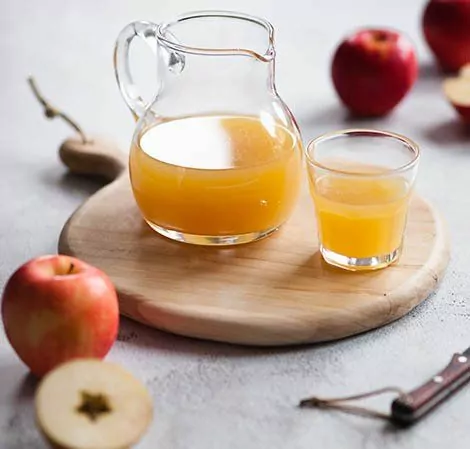
Apple juice is a beverage produced by crushing, pressing, or processing fresh apples to extract their liquid.
After extraction, the juice may be filtered to remove pulp and suspended particles. Some products are further pasteurized to improve safety and shelf life.
Apple juice can range from clear and highly filtered varieties to cloudy products that retain more suspended apple solids.
Its naturally sweet and fruity flavor makes it a popular beverage for both children and adults.

How Is Apple Juice Different From Eating a Whole Apple?
Both products come from apples, but their nutritional characteristics are different.
Whole apples retain most of their natural dietary fiber. Much of this fiber is removed during conventional juice processing.
Juice is also easier and faster to consume. As a result, it can be easier to consume the natural sugars from several apples within a relatively short period.
Whole fruit is therefore generally preferable when dietary fiber and satiety are priorities.
II/ What Is the Nutritional Value of Apple Juice?
The exact nutritional profile of apple juice varies according to the apple variety, processing method, serving size, and product formulation.
A typical serving primarily provides water and naturally occurring carbohydrates. It also contains smaller amounts of minerals and plant compounds.
Common nutrients found in apple juice include:
Carbohydrates
Naturally occurring sugars
Potassium
Small amounts of magnesium
Small amounts of phosphorus
Polyphenols and other plant compounds
Vitamin C content can vary significantly. Some commercially produced apple juices are also fortified with vitamin C.

Does Apple Juice Contain Fiber?
Apple juice generally contains much less dietary fiber than a whole apple.
During processing, much of the apple's pulp and insoluble material can be removed. Clear filtered juice therefore contains very little fiber.
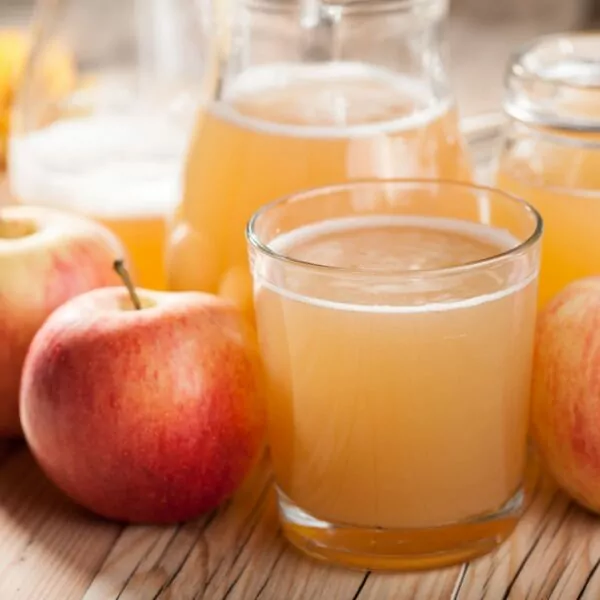
Cloudy or less-filtered varieties may retain more apple solids. However, they should not be considered nutritionally equivalent to eating whole apples.
III/ What Are the Potential Apple Juice Benefits?
Apple juice can contribute fluids, carbohydrates, and naturally occurring plant compounds to the diet.
However, its benefits should be considered within the context of the complete diet rather than viewing apple juice as a treatment for health conditions.
1. Provides Antioxidant Plant Compounds
Apples naturally contain polyphenols and other antioxidant compounds. Some of these compounds can remain in apple juice after processing.
Antioxidants help protect cells against oxidative stress caused by free radicals.
Cloudy apple juice may retain different levels of plant compounds compared with highly clarified juice. Processing methods can influence the final antioxidant content.

2. Can Contribute to Vitamin C Intake
Vitamin C supports several normal functions in the human body. It contributes to normal immune function and collagen formation.
It also helps protect cells against oxidative stress and improves the absorption of non-heme iron from plant foods.
The natural vitamin C level of apple juice varies. Some commercial products are fortified with additional vitamin C.
Checking the nutrition label is the easiest way to determine how much a particular product provides.

3. Contributes to Daily Fluid Intake
Apple juice contains a high proportion of water. It can therefore contribute to overall daily fluid intake.
Its sweet and familiar flavor may also make it appealing to people who enjoy fruit-based beverages.
However, plain water remains an important everyday hydration choice because it provides hydration without sugar or calories.

4. Can Be Easy to Consume
Apple juice is convenient and easy to drink. It can also be diluted with water if a lighter flavor is preferred.
However, conventional apple juice provides relatively little dietary fiber.
For digestive health, whole apples and other fiber-rich foods offer advantages that juice alone cannot provide.

5. Provides Naturally Occurring Polyphenols
Apples contain various polyphenols that have been studied for their antioxidant properties and potential roles in cardiovascular health.
Some of these compounds remain after the fruit is processed into juice.
However, drinking apple juice alone should not be expected to prevent cardiovascular disease or directly lower cholesterol or blood pressure.
Heart health depends on the overall dietary pattern, physical activity, sleep, smoking status, genetics, and many other factors.

IV/ What Are the Pros and Cons of Apple Juice?
Like most beverages, apple juice has advantages and nutritional considerations.
Understanding both sides can help consumers decide how it fits into their overall diet.
Pros of Apple Juice
Provides a naturally sweet fruit flavor
Contributes to daily fluid intake
Contains naturally occurring plant compounds
Provides potassium and other micronutrients
Convenient and easy to consume
Can be used in many recipes and beverages
100% juice can provide fruit-derived nutrients without added sugar

Cons of Apple Juice
Contains less fiber than whole apples
Natural sugars can add up quickly in large servings
Some juice drinks contain added sugars
Juice is generally less filling than whole fruit
Nutritional quality varies between products
Large portions can increase overall calorie intake
V/ Is Apple Juice Better Than a Whole Apple?
Apple juice and whole apples can both be included in a balanced diet, but they are not nutritionally identical.
Whole apples retain their natural fiber. Fiber can support normal digestion and helps make whole fruit more filling.
Apple juice contains much less fiber. It is also possible to consume a larger amount of fruit-derived sugar quickly when drinking juice.
For these reasons, whole fruit is generally a better choice when fiber and satiety are the priority.
Apple juice can still be enjoyed as a beverage when serving size and overall dietary intake are considered.
VI/ How Can You Choose the Best Apple Juice?
The beverage aisle can include 100% apple juice, juice from concentrate, juice drinks, flavored beverages, and other products.
Reading the label can help you understand what you are actually buying.
1. Look for 100% Apple Juice
Check whether the package identifies the product as 100% juice.
A fruit-flavored drink is not necessarily the same as 100% fruit juice. The ingredient list provides useful information about the product's composition.
2. Check for Added Sugar
Fruit juice already contains naturally occurring sugars.
Check the nutrition and ingredient labels to determine whether additional sugars or sweeteners have been included.
3. Compare Serving Sizes
Sugar and calorie values are usually listed according to a specific serving size.
Compare products using equivalent serving sizes rather than looking only at the number displayed on the front of the package.
4. Review the Ingredient List
A shorter ingredient list can make the formulation easier to understand.
The ingredients are normally listed by weight, from the greatest amount to the smallest.
5. Consider Cloudy and Clear Apple Juice
Cloudy juice retains more suspended apple particles, while clear juice undergoes additional clarification.
This difference can affect appearance, texture, and the levels of certain plant compounds.
The best option ultimately depends on your nutritional priorities and taste preference.
VII/ How Can You Enjoy Apple Juice?
Apple juice is versatile and can be enjoyed beyond simply drinking it straight from the package.
Some easy ideas include:
Serve it chilled: Enjoy a small glass as a refreshing fruit beverage.
Dilute it with water: Create a lighter and less sweet-tasting drink.
Add it to smoothies: Use apple juice as a liquid base alongside whole fruit.
Create mocktails: Combine it with sparkling water, citrus, mint, or herbs.
Use it in marinades: Its sweetness can complement savory ingredients.
Add it to sauces: Apple juice can provide fruitiness and gentle sweetness.
Freeze it into ice pops: Combine it with pieces of fresh fruit for a simple frozen treat.
These options demonstrate why apple juice remains useful both as a beverage and a culinary ingredient.
VIII/ Can You Drink Apple Juice Every Day?
Apple juice can fit into a balanced diet, but serving size matters.
Because juice contains relatively little fiber and can provide a concentrated source of natural sugars, drinking large amounts may increase overall sugar and calorie intake.
It should not completely replace whole fruit in the diet.
People who enjoy apple juice regularly can consider smaller portions and choose products without unnecessary added sugars.
Individual nutritional requirements vary, particularly for people managing blood glucose or other health conditions.
XI/ Conclusion
Apple juice benefits include providing fluids, carbohydrates, potassium, and naturally occurring plant compounds in a convenient beverage.
Its sweet taste and versatility make it suitable for drinking on its own or using in smoothies, mocktails, sauces, and other recipes.
However, apple juice is not nutritionally identical to a whole apple. Most juice contains considerably less fiber, while its natural sugars can be consumed quickly.
For a balanced approach, consider serving size, check the product label, and continue including whole fruits in your diet.
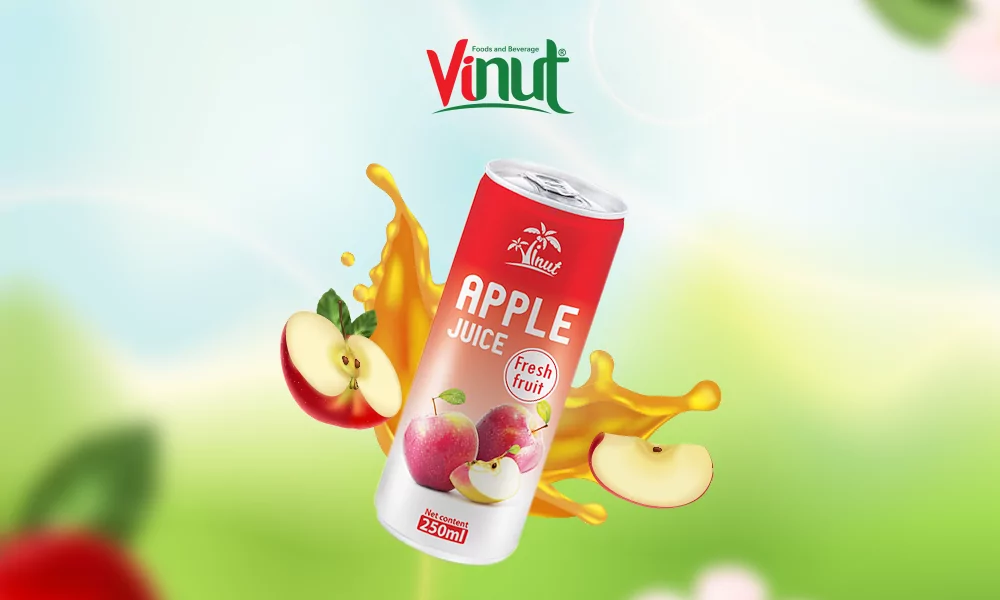
VINUT Apple Juice offers another convenient way to enjoy the familiar and refreshing taste of apples. Serve it chilled for a fruity beverage that can be enjoyed across different occasions.
FAQ
What are the main benefits of apple juice?
Apple juice contributes fluids and provides carbohydrates, potassium, and naturally occurring plant compounds. Some products also provide vitamin C.
Is apple juice healthy?
Apple juice can fit into a balanced diet when consumed in appropriate portions. However, whole apples provide considerably more dietary fiber.
Is apple juice good for hydration?
Apple juice contains a high proportion of water and contributes to daily fluid intake. Plain water remains an important everyday hydration option.
Does apple juice contain antioxidants?
Yes. Apples naturally contain polyphenols and other antioxidant plant compounds, some of which remain after juice processing.
Does apple juice contain fiber?
Most conventional apple juice contains very little fiber because much of the pulp is removed during processing. Whole apples provide substantially more fiber.
Is 100% apple juice high in sugar?
Apple juice naturally contains fruit sugars even when no sugar is added. Checking serving size and the nutrition label can help manage total sugar intake.
Can I drink apple juice every day?
Apple juice can be included regularly in appropriate portions, depending on individual nutritional needs. It should not completely replace whole fruit.
About this article

The VINUT editorial team publishes articles about beverage ingredients, product characteristics, and practical information for readers and international buyers.