
Buyer Briefing
5 min read · 926 words
The benefits of coconut water include providing natural electrolytes, supporting hydration, supplying potassium and magnesium, and offering a refreshing alternative to some heavily sweetened drinks. Coconut water can also be useful after certain types of exercise because it provides both fluids and electrolytes.
- Coconut water naturally provides electrolytes such as potassium and magnesium.
- It can contribute to everyday hydration.
- Coconut water contains naturally occurring plant compounds.
- Unsweetened varieties can replace some heavily sweetened beverages.
- It can provide fluids and electrolytes after certain types of exercise.
- Nutrition and sugar content can vary between packaged products.
- Coconut water is best enjoyed as part of a balanced diet.
The benefits of coconut water go beyond its refreshing tropical taste. This natural beverage provides electrolytes such as potassium and magnesium, making it a convenient option for everyday hydration. Its light flavor and versatile uses have also made coconut water popular among people looking for alternatives to heavily sweetened beverages.

I/ What Is Coconut Water?
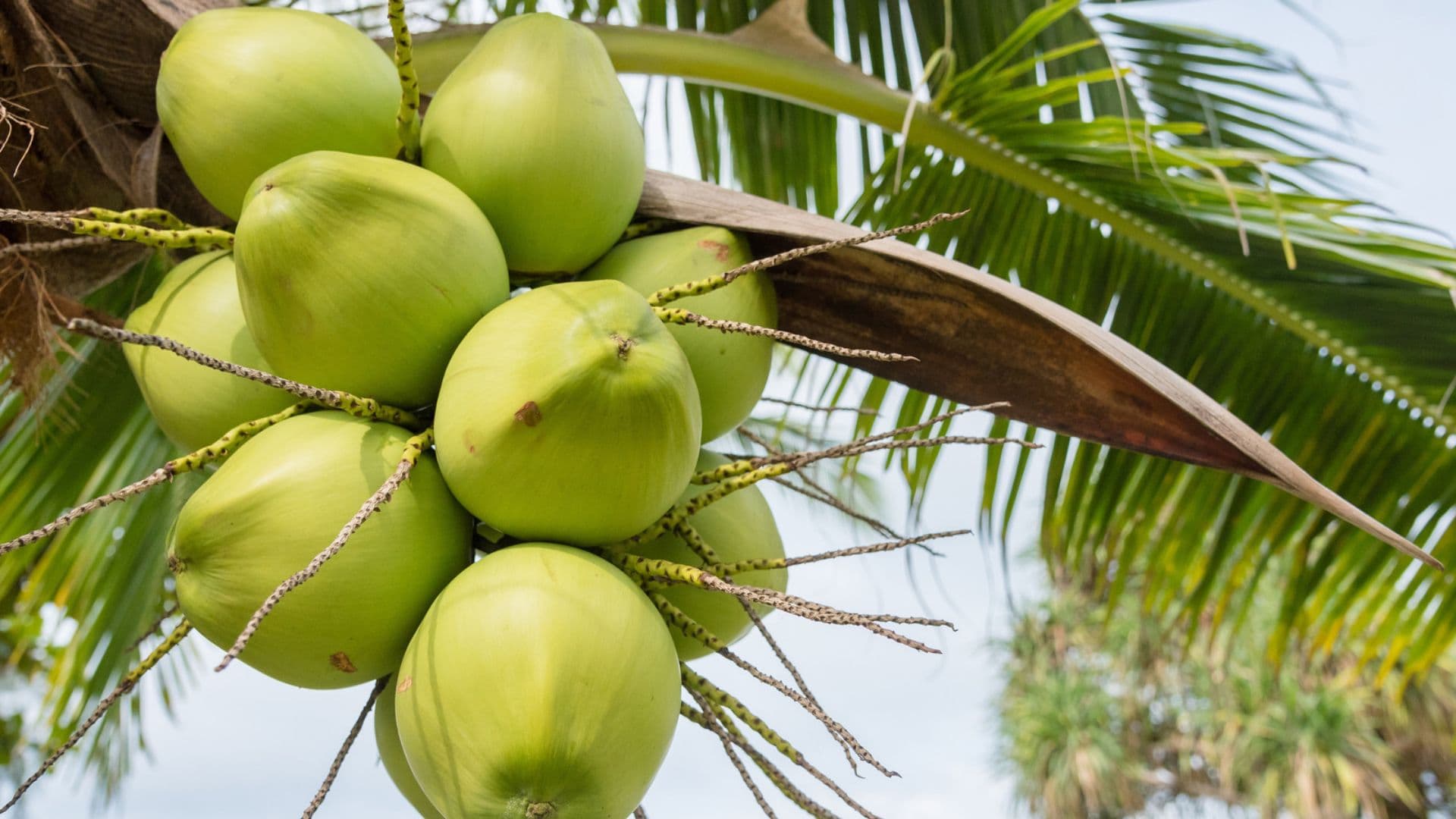
Coconut water is the clear liquid naturally found inside young, green coconuts. It should not be confused with coconut milk, which is generally made by processing mature coconut flesh with water.
As coconuts mature, the amount and characteristics of the liquid change while the white coconut flesh becomes thicker.

What Does Coconut Water Look and Taste Like?
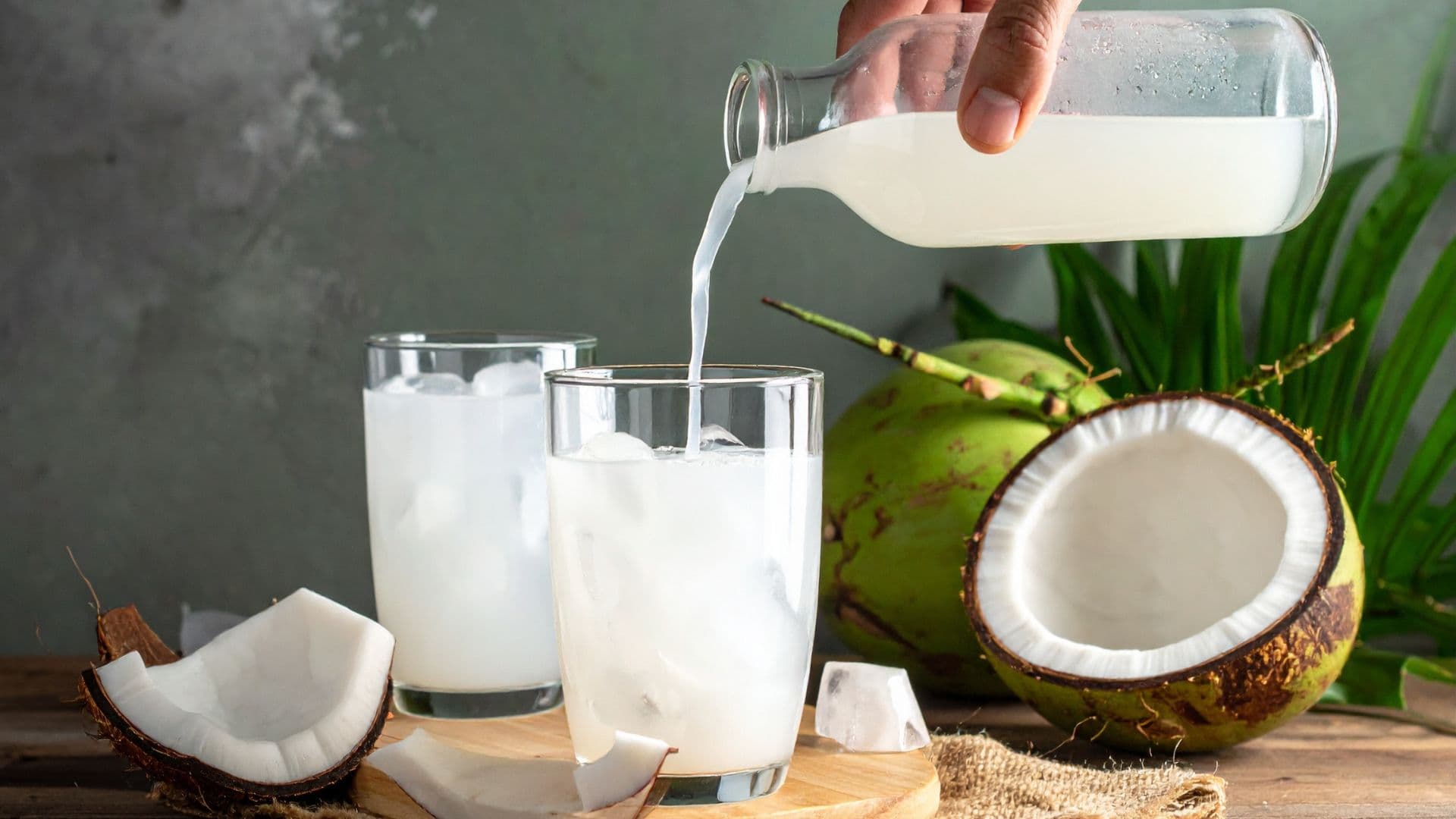
Fresh coconut water is usually clear or slightly cloudy. Small pieces of coconut pulp may occasionally be present.
Its flavor is mildly sweet with subtle nutty and tropical notes. Taste can vary depending on the coconut variety and its stage of maturity.
What Makes Coconut Water Hydrating?
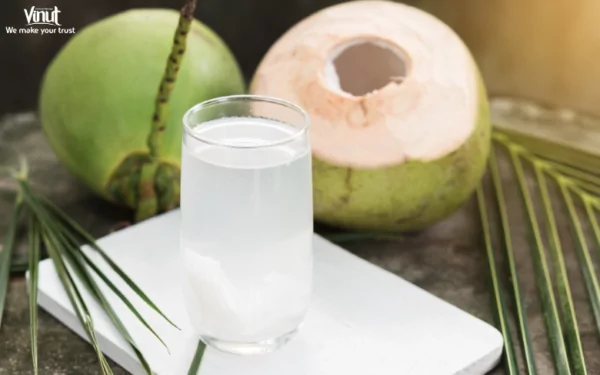
One reason coconut water has become popular is its natural electrolyte content. It provides minerals such as potassium and magnesium that contribute to normal body functions.
Its combination of water and electrolytes can make it a refreshing beverage after everyday activities or exercise.
When choosing packaged coconut water, however, check the nutrition and ingredient labels. Sugar, sodium, and other ingredients can vary between products.
II/ What Are the 7 Benefits of Coconut Water?
Coconut water combines hydration, minerals, and a naturally refreshing flavor in one convenient beverage. Here are seven reasons it can complement a balanced diet.
1. Provides Several Essential Nutrients
Coconut water naturally provides several minerals and other nutrients. Its exact nutritional composition varies depending on the coconut, serving size, and processing method.
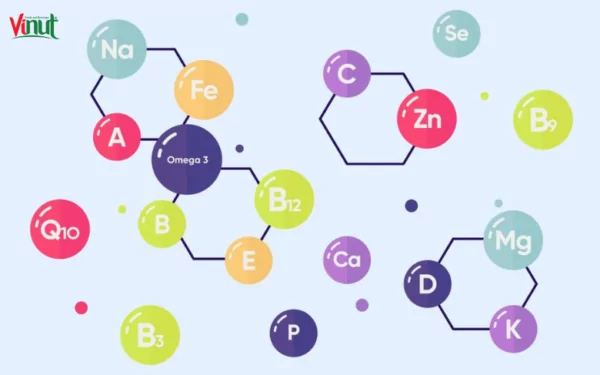
Important nutrients commonly associated with coconut water include:
Potassium
Magnesium
Calcium
Sodium
Carbohydrates
Potassium is particularly important for normal muscle and nerve function. It also contributes to maintaining normal blood pressure.
2. Contains Naturally Occurring Antioxidants
Coconut water contains naturally occurring plant compounds that have been studied for their antioxidant activity.
Antioxidants help protect cells against oxidative stress caused by free radicals. However, the antioxidant composition of coconut water can vary depending on maturity, variety, and processing.
For this reason, coconut water should be considered part of a varied diet rather than a primary source of antioxidants.

3. Can Fit Into a Blood Sugar-Conscious Diet
Unsweetened coconut water can be an alternative to some heavily sweetened beverages. However, coconut water still contains naturally occurring sugars and carbohydrates.
People monitoring their blood sugar should therefore check the nutrition label and consider portion size. Products with added sugar can contain significantly more sugar than unsweetened varieties.
Coconut water should not be considered a treatment for diabetes or high blood sugar.

4. May Complement Healthy Hydration Habits
Adequate fluid intake is important for overall health, including normal kidney function.
Because coconut water provides both fluid and electrolytes, it can contribute to daily hydration. Research has also explored whether coconut water could influence factors associated with kidney stone formation.
However, evidence remains limited. Drinking enough fluids remains one of the most important dietary considerations for reducing the risk of many types of kidney stones.

5. Provides Potassium for Heart Health
Potassium is an essential mineral involved in several body functions. It plays an important role in muscle function and normal blood pressure regulation.
Coconut water naturally contains potassium, so it can contribute to dietary potassium intake.
However, drinking coconut water alone does not prevent cardiovascular disease. Heart health depends on overall diet, physical activity, sleep, and other lifestyle factors.

6. Can Be Refreshing After Exercise
Exercise causes the body to lose both water and electrolytes through sweat. Replacing fluids afterward is important, particularly following longer or more demanding activities.
Coconut water naturally contains electrolytes such as potassium, magnesium, and some sodium. This makes it a convenient post-exercise beverage for certain activities.
For prolonged or intense exercise, individual hydration needs may differ. Some athletes may require beverages containing more sodium or carbohydrates.

7. Offers a Refreshing Alternative to Sweetened Drinks
One of coconut water's simplest advantages is its refreshing tropical flavor.
Unsweetened varieties can provide an alternative to some sugar-sweetened soft drinks. Coconut water is also versatile and can be enjoyed in several ways.
You can:
Drink it chilled on its own.
Serve it over ice.
Blend it into fruit smoothies.
Use it as a base for mocktails.
Pair it with tropical fruits.

III/ How to Choose Coconut Water
Not every packaged coconut water product has the same nutritional profile. Processing methods and additional ingredients can change the final beverage.
What Should You Look for on the Label?
When comparing coconut water products, consider these factors:
Ingredient list: Look for products with simple, recognizable ingredients.
Added sugar: Compare unsweetened and sweetened varieties.
Serving size: Check how much one serving actually contains.
Sodium: Levels can vary significantly between products.
Calories and carbohydrates: Compare these if they matter to your dietary goals.
Choosing a product should ultimately depend on your preferences and overall dietary needs.
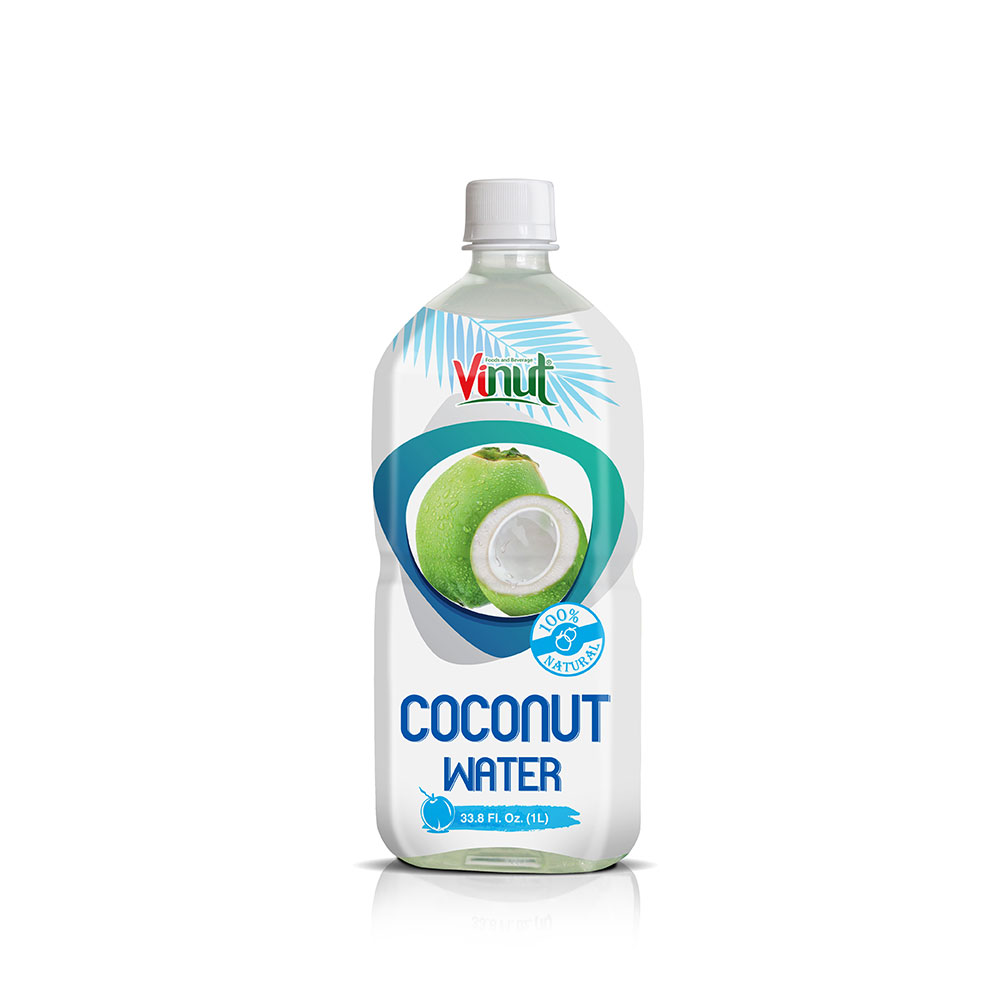
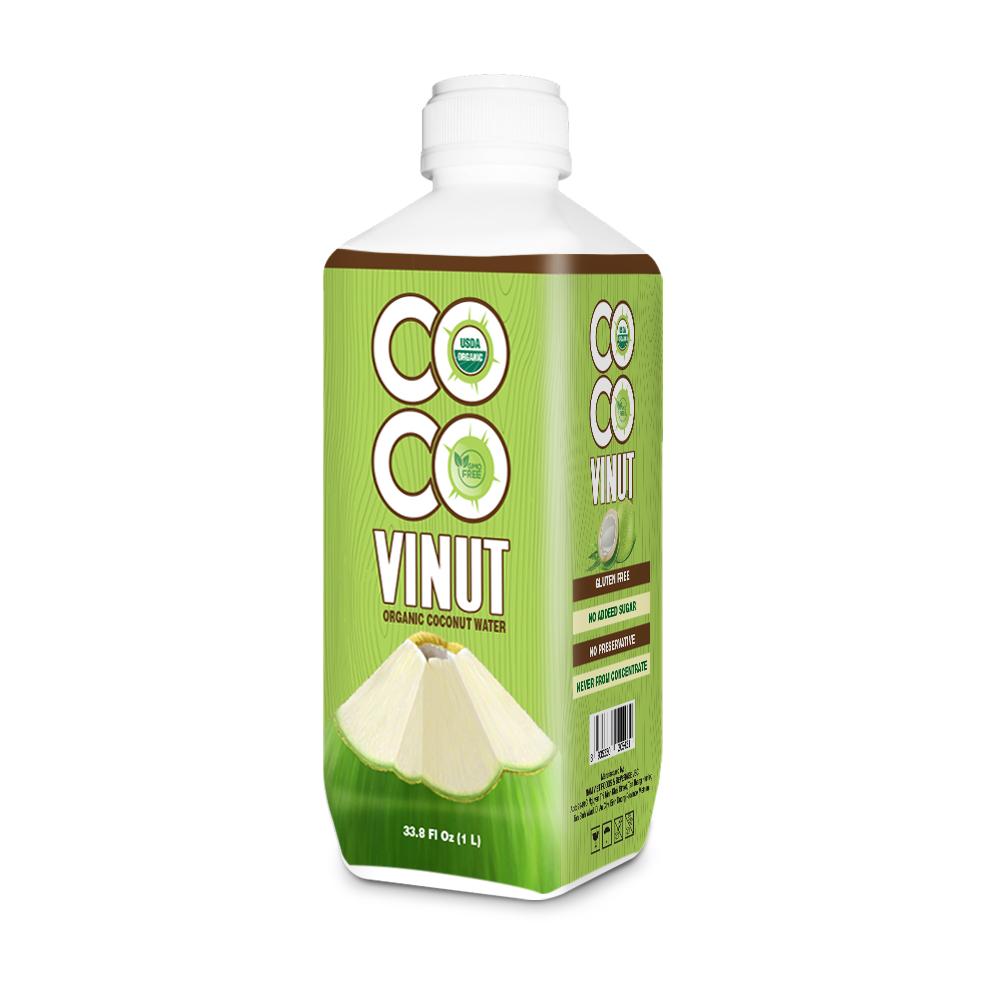
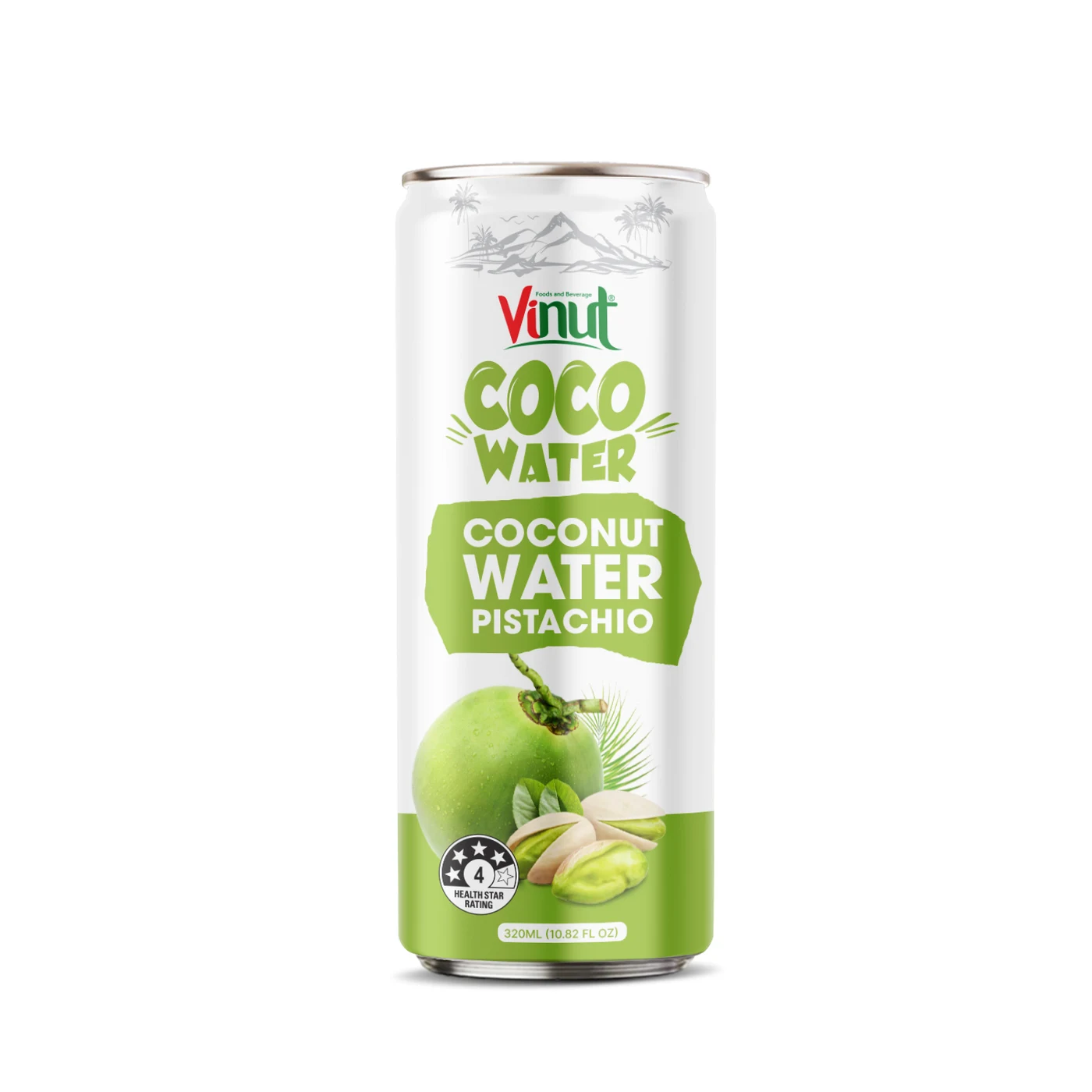
VINUT products
Explore related drinks
View ingredients, sizes and packaging.
IV/ When Is the Best Time to Drink Coconut Water?
There is no single perfect time to drink coconut water. It can fit into different moments throughout the day.
For example, you can enjoy it chilled with breakfast, during a warm afternoon, or after physical activity. It can also serve as a refreshing base for smoothies and other beverages.
The key is to consider coconut water as one part of your overall hydration and nutrition routine.
VII/ Conclusion
Coconut water is a refreshing beverage that combines natural flavor, hydration, and essential electrolytes. Its potassium and magnesium content makes it an interesting addition to a varied diet.
It can be enjoyed on its own, after physical activity, or as an ingredient in smoothies and other beverages. For packaged products, compare labels and choose options that fit your nutritional preferences.
Rather than viewing coconut water as a miracle drink, consider it a simple and enjoyable way to add variety to your daily hydration routine.
FAQ
1. What Are the Main Benefits of Coconut Water?
Coconut water provides fluids and naturally occurring electrolytes, including potassium and magnesium. It can support hydration and add variety to a balanced diet.
2. Is Coconut Water Good to Drink Every Day?
Many healthy adults can enjoy coconut water as part of their regular fluid intake. However, portion size, sugar content, and overall dietary needs should still be considered.
3. Is Coconut Water Good After Exercise?
Coconut water can be a refreshing post-exercise drink because it provides fluids and electrolytes. Individual hydration needs still depend on exercise intensity, duration, and sweat loss.
About this article

The VINUT editorial team publishes articles about beverage ingredients, product characteristics, and practical information for readers and international buyers.