


Buyer Briefing
5 min read · 1,035 words
The benefits of lychee come primarily from its nutritional profile. Lychee provides vitamin C, copper, potassium, and naturally occurring plant compounds. It can contribute to vitamin C intake, provide antioxidant compounds, support normal body functions, and add variety to a balanced diet.
- Lychee is a tropical fruit known for its sweet and floral flavor.
- It provides vitamin C, copper, potassium, and plant compounds.
- Whole lychee can contribute dietary fiber.
- Lychee can be enjoyed fresh, in smoothies, salads, desserts, or beverages.
- It is best consumed as part of a varied and balanced diet.
The benefits of lychee go beyond its refreshing tropical flavor. This vibrant fruit provides vitamin C, copper, potassium, and naturally occurring plant compounds. Known for its red skin, translucent flesh, and floral sweetness, lychee can be a flavorful addition to a varied diet.
But what are the benefits of lychee, and why is this tropical fruit worth adding to a balanced diet? From its nutritional profile to its culinary versatility, let's explore what makes lychee unique.
I/ What Is Lychee?
Lychee (Litchi chinensis) is a tropical fruit belonging to the soapberry family, which also includes rambutan and longan. Native to southern China, lychee has been cultivated for centuries and is now enjoyed in many parts of the world.
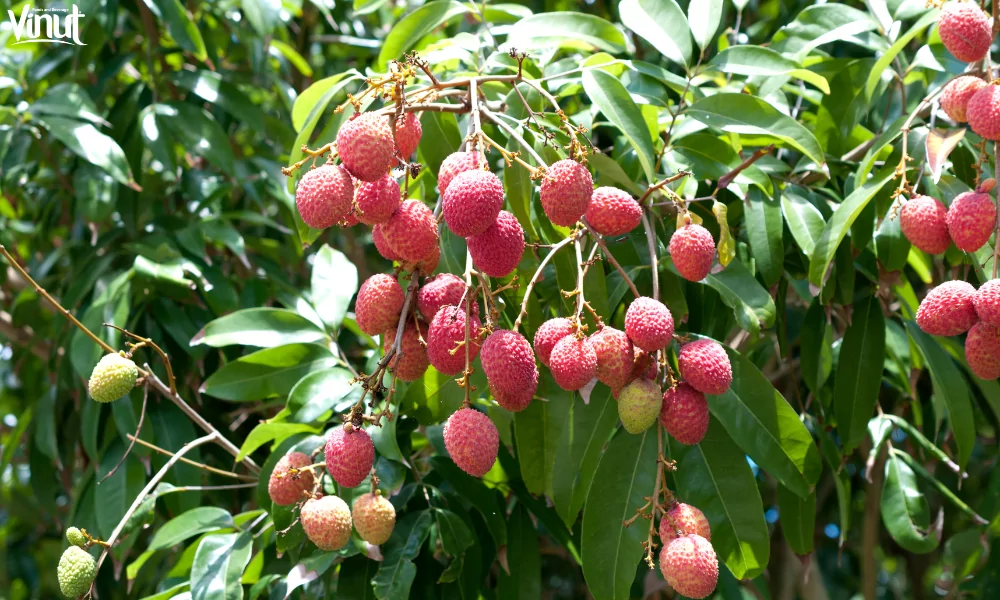
Each fruit is typically small and round or oval. Its textured red or pinkish-red rind protects soft, translucent white flesh surrounding a dark seed.
Lychee is especially recognizable for its juicy texture and sweet, floral aroma. These characteristics make it suitable for fresh consumption, beverages, desserts, and other recipes.

What Does Lychee Taste Like?
Fresh lychee has a sweet and aromatic flavor with subtle floral notes. Its juicy texture makes it particularly refreshing when served chilled.
The flavor can vary slightly depending on variety, ripeness, and growing conditions.
Cultural Significance and Historical Roots
Lychee has a long history in China, where cultivation dates back thousands of years. The fruit became associated with luxury and was historically valued by members of the imperial court.
Over time, lychee cultivation expanded beyond China. Today, the fruit is grown commercially in several tropical and subtropical regions.
II/ What Nutrients Are Found in Lychee?
Lychee contains several nutrients that contribute to a balanced diet. Vitamin C is one of its most notable nutrients.
The fruit also provides smaller amounts of minerals and other naturally occurring plant compounds.
Key Nutrients in Lychee
Lychee can provide:
Vitamin C: Contributes to normal immune function and helps protect cells from oxidative stress.
Copper: Supports normal energy metabolism and connective tissue.
Potassium: Plays a role in normal muscle function and blood pressure regulation.
Carbohydrates: Provide a source of dietary energy.
Plant compounds: Lychee contains various polyphenols and other naturally occurring compounds.
The exact nutritional content varies according to serving size, variety, ripeness, and growing conditions.
III/ What Are the Potential Health Benefits of Lychee?
The nutritional profile of lychee makes it an interesting addition to a varied diet. However, individual foods should not be viewed as treatments or cures for health conditions.

1. Provides Vitamin C
Lychee is known for its vitamin C content. Vitamin C is an essential nutrient involved in several normal body functions.
It contributes to immune function, collagen formation, and protection against oxidative stress. Including vitamin C-rich fruits can help support adequate daily intake.
2. Contributes Antioxidant Compounds
Lychee naturally contains vitamin C and various plant compounds with antioxidant activity.
Antioxidants help protect cells against oxidative stress caused by free radicals. A varied diet containing fruits and vegetables can provide a broad range of these compounds.
3. Can Support Digestive Health
Whole lychee contains dietary fiber, although the amount depends on the serving size.
Fiber contributes to normal digestive function and can support regular bowel movements. Eating lychee as whole fruit generally retains more fiber than consuming filtered lychee juice.
4. Provides Nutrients Important for Heart Function
Lychee provides potassium and other nutrients involved in normal body functions.
Potassium contributes to normal blood pressure and muscle function. However, lychee alone should not be considered a way to prevent or treat cardiovascular disease.
Heart health depends on overall dietary patterns, physical activity, sleep, and other lifestyle factors.
5. Can Contribute to Daily Fruit Intake
One of the simplest benefits of lychee is that it adds variety to your fruit choices.
Its distinctive flavor can make fruit salads, breakfasts, desserts, and beverages more interesting. Variety can also help consumers obtain different nutrients and plant compounds from their diet.
IV/ How Can You Enjoy Lychee?
Fresh lychee can be eaten on its own, but its sweet and floral character also works well in many recipes.
Easy Ways to Add Lychee to Your Diet
Here are several ways to enjoy this tropical fruit:
Fresh lychee: Peel the fruit, remove the seed, and enjoy the flesh chilled.
Fruit salads: Combine lychee with mango, pineapple, berries, or other fruits.
Lychee sorbet: Blend and freeze lychee puree for a refreshing dessert.
Yogurt or oatmeal: Add chopped lychee for natural sweetness and tropical flavor.
Smoothies: Blend lychee with other fruits, yogurt, milk, or plant-based alternatives.
Mocktails: Combine lychee with sparkling water, citrus, mint, or other ingredients.
Juice beverages: Lychee's floral sweetness makes it suitable for tropical juice blends.
When using canned lychee, check the ingredient and nutrition labels. Products packed in syrup may contain more added sugar than fresh fruit.
V/ Where Is Lychee Grown?
Although lychee originated in China, cultivation has expanded to tropical and subtropical regions around the world.
Commercial production can now be found in several Asian countries and other suitable growing regions. Climate, soil conditions, rainfall, and farming practices can influence fruit quality and harvest periods.
Why Does Sustainable Lychee Cultivation Matter?
Growing demand for tropical fruits creates opportunities for farmers and agricultural communities. It can also increase the importance of responsible farming practices.
Efficient water management, responsible agricultural inputs, soil management, and reduced food waste can contribute to more sustainable fruit production.
Consumers and businesses can also consider sourcing practices when selecting fruit and fruit-based products.
VI/ How Should You Choose and Store Lychee?
Choosing good-quality fruit can improve both flavor and texture.
Tips for Choosing Fresh Lychee
Look for lychees with:
Bright red or pinkish-red skin.
Relatively firm shells.
No obvious signs of mold or excessive damage.
A fresh, mildly aromatic smell.
The rind can gradually become darker after harvesting, so appearance alone does not always indicate the quality of the flesh.
How Should Lychee Be Stored?
Fresh lychees are best kept refrigerated if they will not be eaten immediately. Keeping them cool can help preserve their texture and freshness for longer.
Wash the fruit before eating. Peel away the rind and remove the seed before consuming the flesh.
IX/ Conclusion
Lychee combines an appealing tropical flavor with a useful nutritional profile. Its vitamin C, minerals, and naturally occurring plant compounds make it a flavorful way to add variety to your fruit intake.
Fresh lychee can be enjoyed on its own or incorporated into salads, smoothies, desserts, and beverages. Its versatility also makes it an interesting ingredient for tropical food and beverage products.
Rather than treating lychee as a miracle food, enjoy it for what it offers: a distinctive tropical flavor and another nutritious option within a varied, balanced diet.
FAQ
1. What are the benefits of lychee?
Lychee provides vitamin C, copper, potassium, and naturally occurring plant compounds. These nutrients contribute to several normal body functions.
2. Is lychee high in vitamin C?
Lychee is a source of vitamin C. The exact amount varies depending on serving size, variety, ripeness, and processing.
3. Can you eat lychee every day?
Lychee can be included in a varied diet. Portion size and overall dietary balance should still be considered.
About this article

The VINUT editorial team publishes articles about beverage ingredients, product characteristics, and practical information for readers and international buyers.