

Buyer Briefing
5 min read · 1,002 words
Cold brew vs iced coffee mainly differs in how each drink is brewed. Cold brew is steeped in cold water for an extended period, creating a smoother, less acidic flavor. Iced coffee is brewed hot and then chilled over ice, resulting in a brighter, bolder taste. The best choice ultimately depends on your preferred flavor, texture, and brewing style.
- Cold brew vs iced coffee primarily differs in brewing method.
- Cold brew generally has a smoother, less acidic flavor profile.
- Iced coffee is hot-brewed before being chilled or poured over ice.
- Caffeine content can vary based on concentration, serving size, and preparation.
- The better option depends on your preferred taste, body, and brewing style.
Cold brew vs iced coffee have become staples in the coffee world, with both options available at almost any coffee shop or grocery store. But what exactly is the difference between these two popular cold coffee drinks? And which one should you choose? In this article, we will dive into the details of iced coffee and cold brew, exploring their taste, caffeine content, and brewing methods to help you understand the key differences between them.
I/ What is Iced Coffee?
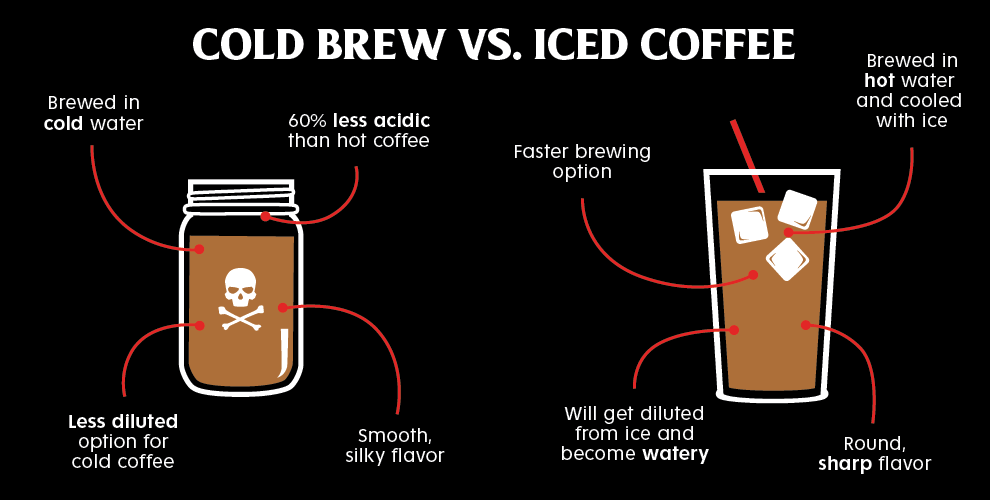
Iced coffee is a traditional coffee beverage that has been around for decades. It is made by brewing hot coffee and then cooling it down with ice. This method results in a refreshing and chilled drink that can be enjoyed on a hot summer day. Iced coffee is typically served with milk or cream and sweetened with sugar or syrup.
1. How is Iced Coffee Made?
To make iced coffee, hot coffee is first brewed using any standard brewing method such as drip, pour-over, or French press. Once brewed, the coffee is cooled down by pouring it over ice or letting it sit in the refrigerator until chilled. The coffee is then served over ice and can be customized with milk, cream, and sweeteners according to personal preference.
2. Does Iced Coffee Taste Different from Hot Coffee?
The main difference between iced coffee and hot coffee is the temperature. Iced coffee is served cold, while hot coffee is served hot. This temperature difference affects the overall taste of the coffee. When coffee is brewed at a high temperature, it releases more oils and acids, resulting in a bold and robust flavor. However, when the same coffee is served cold, these oils and acids are less noticeable, making the coffee taste smoother and less acidic.
Additionally, the use of ice in iced coffee can dilute the flavor of the coffee, making it taste weaker compared to hot coffee. This is why many people prefer to use stronger coffee or add extra shots of espresso when making iced coffee.
II/ Do Cold Brew and Iced Coffee Taste Different?
Yes, cold brew and iced coffee have distinct taste profiles due to their different brewing methods. Cold brew is made by steeping coffee grounds in cold water for an extended period, while iced coffee is made by cooling down hot brewed coffee with ice. This difference in brewing methods results in differences in flavor, body, and acidity between the two drinks.
1. Flavor
Cold brew has a smoother and less acidic taste compared to iced coffee. This is because the cold water used in the brewing process does not extract as much acid from the coffee grounds as hot water does. As a result, cold brew has a sweeter and more mellow flavor profile.
On the other hand, iced coffee retains some of the acidity and bitterness from the hot brewing process, resulting in a bolder and more robust flavor. However, this can also vary depending on the type of coffee beans used and the brewing method.
2. Body
The body of a coffee refers to its texture and mouthfeel. Cold brew has a fuller and creamier body compared to iced coffee. This is because the longer steeping time allows for more oils and flavors to be extracted from the coffee grounds, resulting in a richer and thicker texture.
In contrast, iced coffee has a lighter and thinner body due to the shorter brewing time and the addition of ice, which dilutes the coffee.
3. Acidity
As mentioned earlier, cold brew has a lower acidity level compared to iced coffee. This makes it a popular choice for those who are sensitive to acidic foods and drinks. The cold brewing process also reduces the bitterness in coffee, making it a smoother and more enjoyable drink for many people.
4. Key Differences Between Cold Brew and Iced Coffee
Although both are served cold, several characteristics distinguish cold brew from iced coffee:
Brewing method: Cold brew is steeped in cold or room-temperature water, while iced coffee is brewed hot and then chilled.
Flavor: Cold brew generally has a smoother, more mellow taste, while iced coffee tends to taste brighter and bolder.
Acidity: Cold brew is typically less acidic than hot-brewed iced coffee.
Body: Cold brew often has a fuller body, while iced coffee usually feels lighter.
Coffee grounds: Cold brew commonly uses coarse grounds, while iced coffee can use grounds suited to the chosen hot-brewing method.
Caffeine: Caffeine levels vary depending on the coffee-to-water ratio, concentration, serving size, and preparation method.
III/ Do You Use Different Coffee Grounds for Cold Brew and Iced Coffee?

Yes, the type of coffee grounds used for cold brew and iced coffee can vary. For cold brew, coarse ground coffee is recommended as it allows for a slower extraction process and prevents the coffee from becoming too bitter. On the other hand, iced coffee can be made with any type of coffee grounds, including fine or medium grind.
IV/ Does Cold Brew Have More Caffeine Than Iced Coffee?
The caffeine content in coffee can vary depending on factors such as the type of coffee beans, brewing method, and serving size. However, in general, cold brew tends to have a higher caffeine content than iced coffee.
This is because cold brew is made by steeping coffee grounds in cold water for an extended period, which allows for more caffeine to be extracted from the beans. In contrast, iced coffee is made by cooling down hot brewed coffee, which can result in some caffeine being lost during the cooling process.
To put it into perspective, a 16-ounce cup of cold brew can contain anywhere from 200-300 milligrams of caffeine, while the same size of iced coffee may only have around 100-200 milligrams.
V/ Conclusion
In conclusion, while both cold brew and iced coffee are delicious and refreshing options for a cold caffeine fix, they have distinct differences in taste, brewing methods, and caffeine content. Cold brew is smoother, less acidic, and has a fuller body, while iced coffee is bolder, more acidic, and has a lighter body. The choice between the two ultimately comes down to personal preference, so why not try both and see which one you prefer?
VINUT products
Explore related drinks
View ingredients, sizes and packaging.
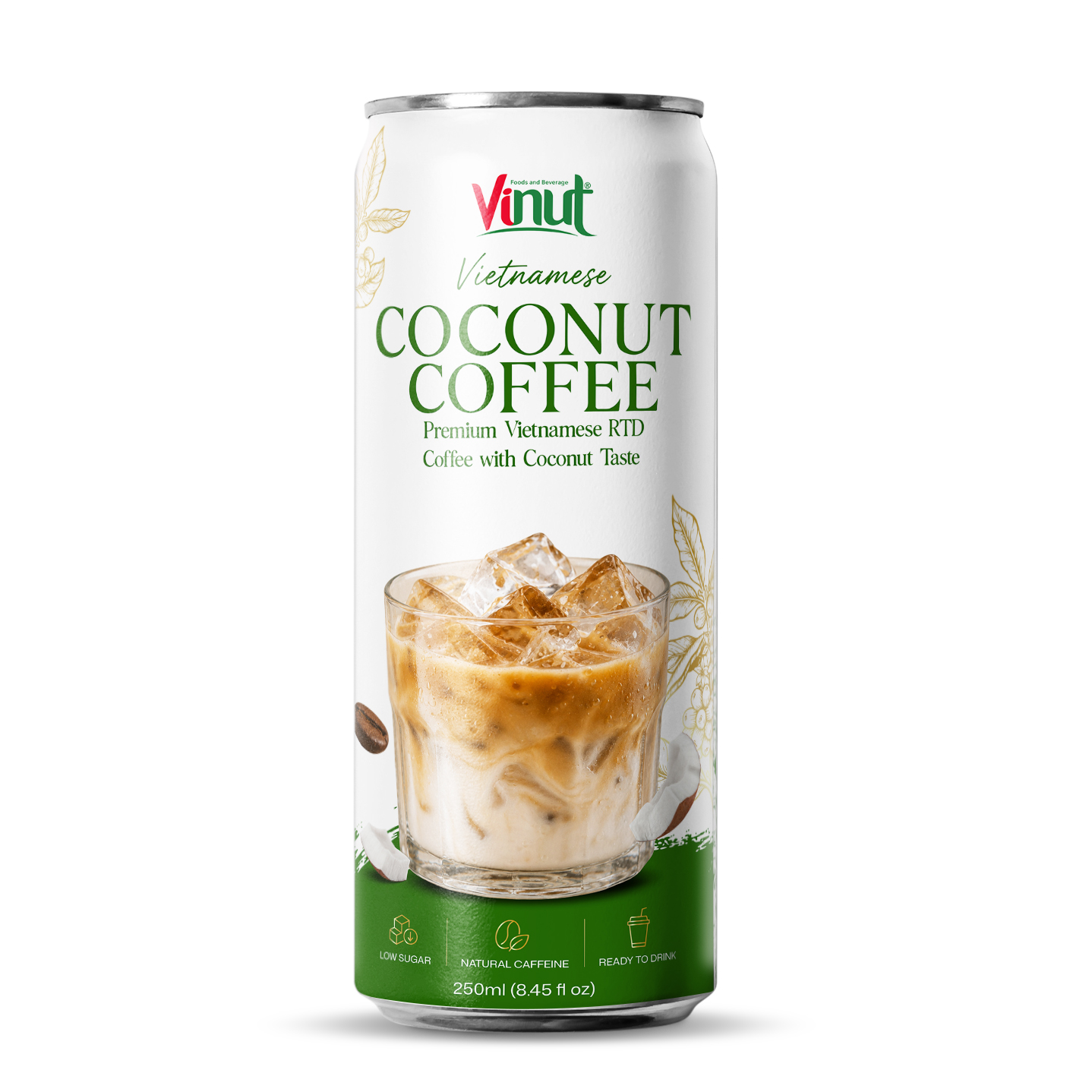
Vinut 250ml (8.45 fl oz) Vietnamese Coffee Drink Coconut Coffee Premium RTD
250 mL (8.45 fl oz) · Can
View product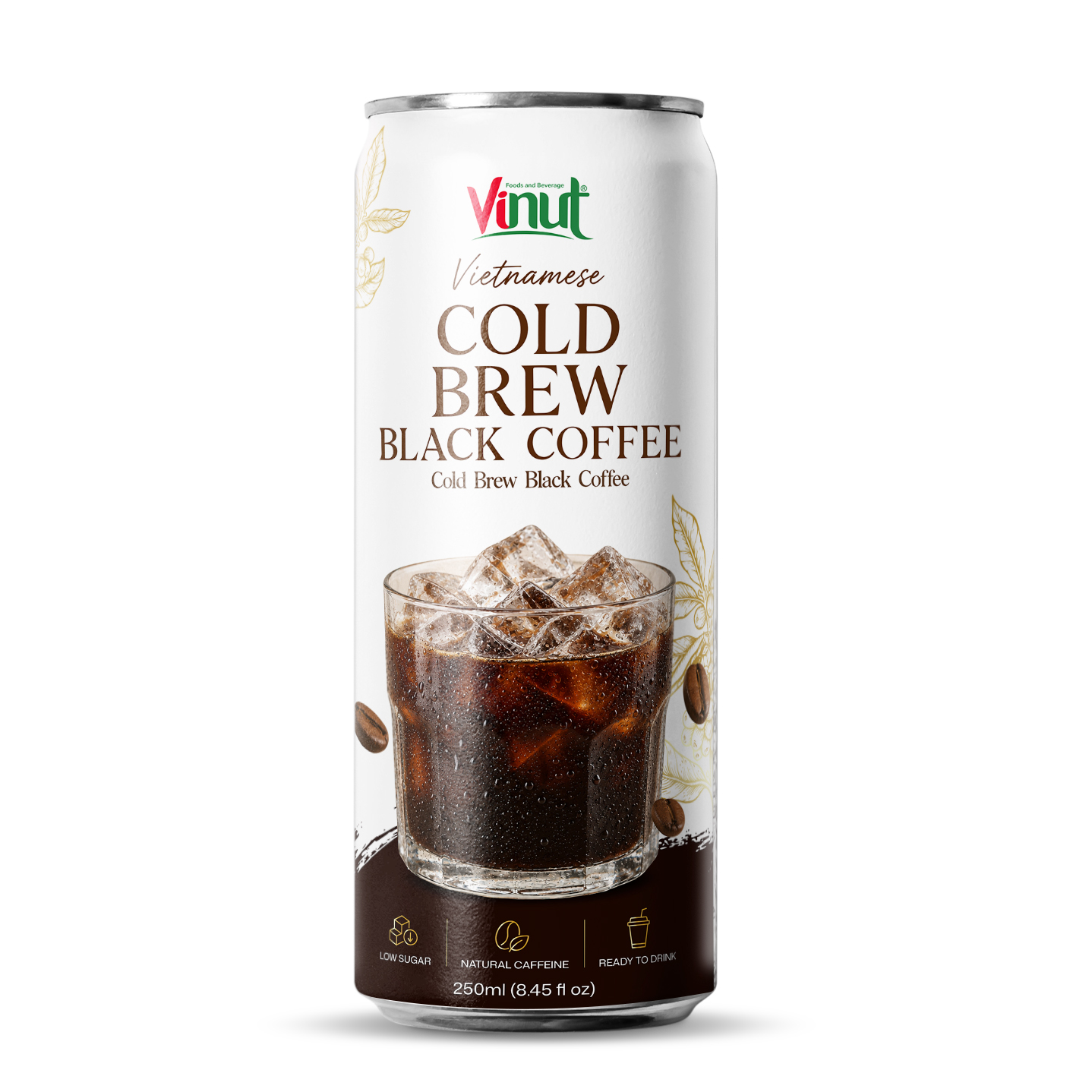
VINUT 250ml (8.45 fl oz) Vietnamese Coffee Drink Cold Brew Black Coffee
250 mL (8.45 fl oz) · Can
View product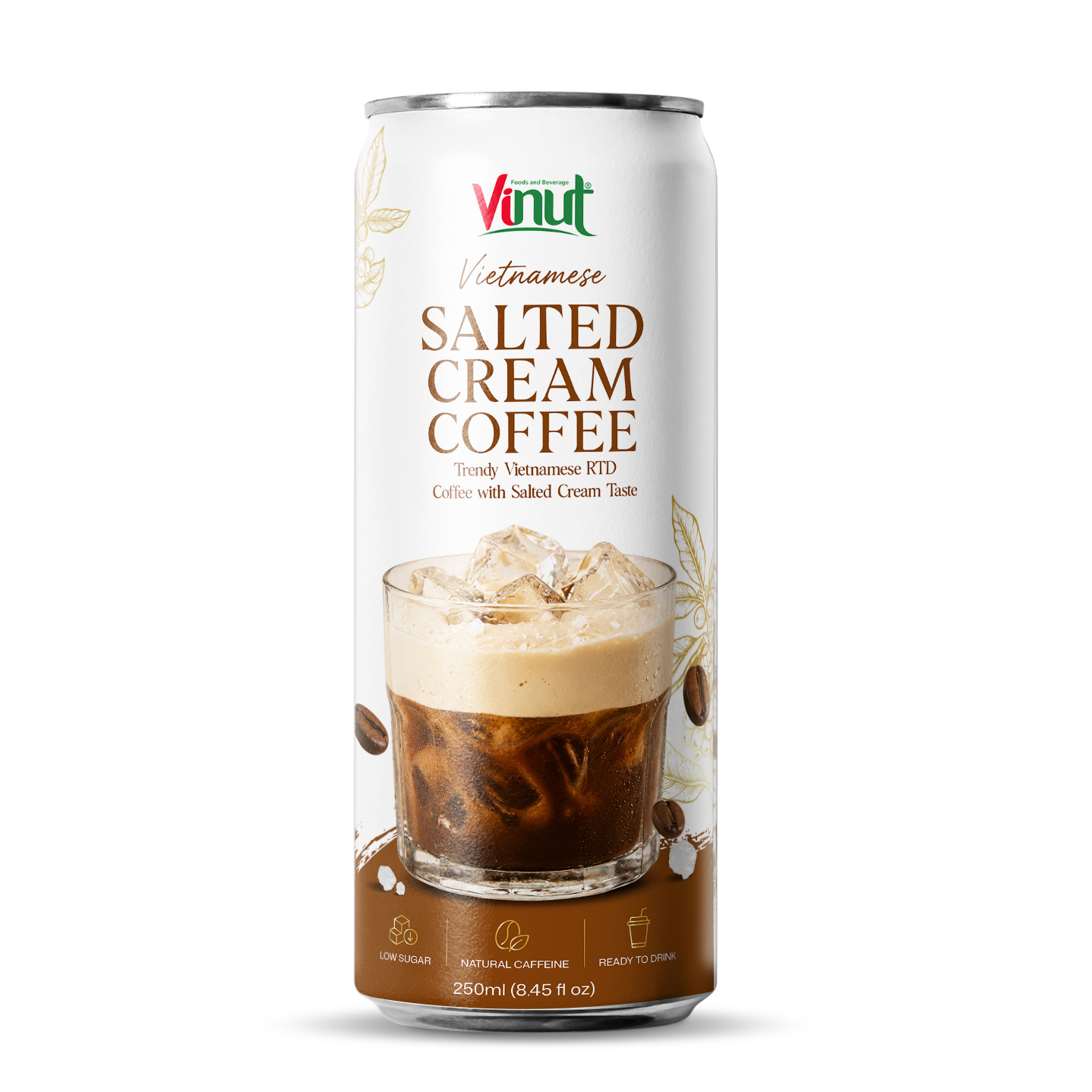
Vinut 250ml (8.45 fl oz) Vietnamese Coffee Drink Salted Cream Coffee Trendy RTD
250 mL (8.45 fl oz) · Can
View product
FAQ
1. What Is the Main Difference Between Cold Brew and Iced Coffee?
The main difference is the brewing method. Cold brew is prepared by steeping coffee grounds in cold water for several hours, while iced coffee is traditionally brewed with hot water and then cooled or served over ice.
2. Is Cold Brew Stronger Than Iced Coffee?
It depends on the coffee-to-water ratio, brewing method, serving size, and whether the cold brew concentrate is diluted. Cold brew can be more concentrated, but it is not automatically stronger or higher in caffeine than every iced coffee.
3. Which Is Better: Cold Brew or Iced Coffee?
Neither is universally better. Cold brew may appeal to people who prefer a smoother, less acidic flavor, while iced coffee can be a better choice for those who enjoy the brighter characteristics of traditionally brewed coffee. The choice comes down to personal preference.
About this article

The VINUT editorial team publishes articles about beverage ingredients, product characteristics, and practical information for readers and international buyers.