


Buyer Briefing
6 min read · 1,223 words
Cranberry juice benefits are linked to its naturally occurring plant compounds, particularly proanthocyanidins (PACs), as well as vitamin C and other antioxidants. Cranberry products are best known for their potential role in supporting urinary tract health, while research has also explored possible effects on cardiovascular, oral, and digestive health. Benefits can vary depending on the product, serving size, sugar content, and an individual's overall diet and health needs.
- Cranberry juice benefits are associated with polyphenols, including proanthocyanidins, and other naturally occurring nutrients and plant compounds.
- Cranberry products are particularly well known for research related to urinary tract health.
- Cranberry juice can contribute antioxidant compounds to the diet.
- Research has also explored potential cardiovascular, oral, and gastrointestinal effects.
- Juice products can differ significantly in cranberry content, added sugar, calories, and other ingredients.
- Cranberry juice should be considered part of an overall balanced diet rather than a treatment for medical conditions.
Cranberry juice benefits are often associated with its naturally occurring antioxidants and unique plant compounds. Known for its distinctive tart flavor and vibrant red color, cranberry juice has long been studied for its potential role in urinary tract health, but research has also explored its relationship with cardiovascular, oral, and digestive health.
Cranberries contain compounds such as proanthocyanidins (PACs), vitamin C, flavonoids, and phenolic compounds that contribute to their nutritional profile. This article explores the nutritional value of cranberry juice, its potential health benefits, and what current research suggests about including it as part of a balanced diet.
I/ What Are the Main Cranberry Juice Benefits?
Cranberry juice benefits are mainly associated with its naturally occurring polyphenols, including proanthocyanidins, along with vitamin C and other antioxidants. Research has particularly explored cranberry products for urinary tract health. Potential effects on cardiovascular, oral, digestive, and cellular health have also been studied.
II/ Understanding the Nutritional Powerhouse of Cranberries
To appreciate the health benefits of cranberry juice fully, one must first recognize the rich and diverse composition that cranberries offer. These small berries are packed with bioactive compounds that contribute not only to their flavor but also to their health-promoting properties.
Proanthocyanidins (PACs): The Key Players
Proanthocyanidins, often abbreviated as PACs, are a class of polyphenols that are predominantly found in cranberries.
These compounds are celebrated for their potent antioxidant and antimicrobial properties, playing a critical role in maintaining overall health. Research has demonstrated that PACs possess the ability to inhibit the adhesion of harmful bacteria, particularly E. coli, to the lining of the urinary tract. By disrupting this process, PACs help to prevent infections before they can take hold.

In addition to their role in combating UTIs, PACs may also contribute to cardiovascular health by reducing inflammation and oxidative stress in blood vessels. This helps maintain healthy circulation and lowers the risk of heart disease. The versatility of PACs makes them one of the most crucial components of cranberry juice.
Vitamin C: A Powerful Antioxidant
Cranberries are a good source of vitamin C, which is widely regarded as a vital nutrient for overall health.
As a powerful antioxidant, vitamin C supports the immune system by neutralizing free radicals that can cause cellular damage. Beyond its immune-boosting effects, vitamin C is essential for collagen synthesis. This promotes healthy skin, and connective tissues, and even aids in wound healing.
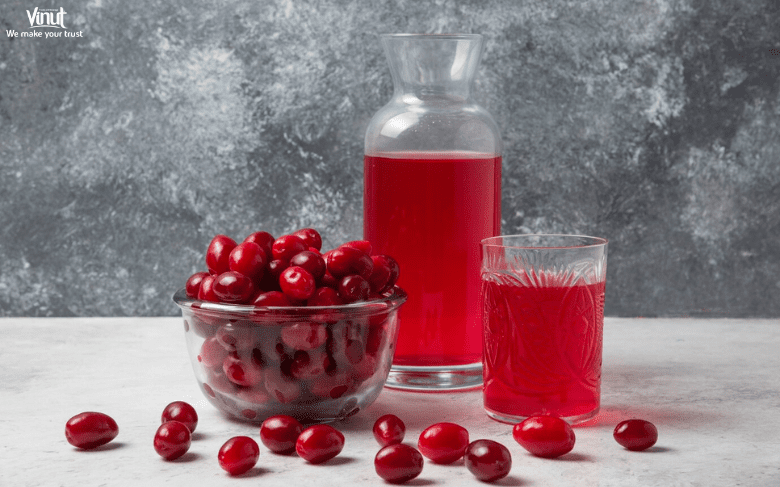
Regular consumption of this juice can contribute to your daily vitamin C intake, allowing you to enjoy both its refreshing taste and its myriad health benefits. Moreover, the presence of other antioxidants, including flavonoids and phenolic acids, further enhances the antioxidant capacity of cranberry juice, making it an excellent choice for those looking to combat oxidative stress and inflammation.
Fiber and Essential Minerals
While this juice is often consumed for its liquid form, it can also be a source of dietary fiber - especially in unfiltered varieties.
Fiber is essential for promoting healthy digestion, regulating bowel movements, and supporting a balanced gut microbiome. Including fiber-rich juice in your diet can contribute to better digestive health and may even aid in weight management by promoting feelings of fullness.

Cranberries also provide small amounts of essential minerals such as manganese, copper, and potassium. These minerals play significant roles in various bodily functions, including energy metabolism, enzyme production, and fluid balance. Hence, incorporating juice into your regular diet can be beneficial for a holistic approach to wellness.
III/ Exploring Broader Health Implications of Cranberry Juice
Beyond urinary tract health, emerging research suggests that cranberry juice possesses potential benefits across a spectrum of health conditions.
1. Cardiovascular Health Promotion
Several studies indicate a favorable impact of cranberry juice on cardiovascular health, primarily attributed to its antioxidant properties.

Reducing LDL Cholesterol
One notable area of investigation has been the effect of this juice on cholesterol levels. Emerging evidence suggests that regular consumption of cranberry juice may contribute to lowering low-density lipoprotein (LDL) cholesterol, commonly referred to as “bad” cholesterol.
The antioxidant properties of PACs and other bioactive compounds in cranberries may enhance lipid profile and support heart health by mitigating factors associated with cardiovascular disease.
Blood Pressure Regulation
This beverage may also assist in blood pressure regulation. Some studies propose that cranberry juice could enhance nitric oxide production, a signaling molecule instrumental in relaxing blood vessels and improving blood flow.
Maintaining healthy blood pressure levels is crucial for overall cardiovascular wellness, making cranberry juice a valuable ally in efforts to promote heart health. However, more extensive clinical trials are needed to validate these preliminary findings and solidify cranberry juice’s standing in cardiovascular nutrition.
Anti-inflammatory Effects
Chronic inflammation is a significant contributor to the development of cardiovascular disease. The anti-inflammatory properties of this juice appear to reduce vascular inflammation, potentially leading to improved cardiovascular outcomes.
By combating oxidative stress and inflammation, cranberry juice may play a complementary role in heart disease prevention strategies - a compelling reason to include it in a heart-healthy diet.
2. Oral Health Benefits
Interestingly, cranberry juice is also being studied for its implications for oral health.

Fighting Cavities
The acidity of cranberry juice, combined with its potential PAC content, may inhibit the growth of bacteria linked to dental plaque and cavities. By preventing bacterial overgrowth, cranberry juice can contribute to maintaining oral hygiene - tooth decay is a common concern, and such preventive measures can make a difference.
Preventing Gingivitis
Some studies suggest that this juice may help reduce inflammation and bleeding associated with gingivitis, a common gum disease. The combination of anti-inflammatory and antibacterial properties may support gum health, making cranberry juice not just a flavorful beverage but also a proactive choice for oral care.
3. Gastrointestinal Health Support
Cranberry juice also demonstrates promise in gastrointestinal health, particularly concerning specific infections and gut balance.

Combatting Helicobacter Pylori Infection
Research suggests that cranberry juice may aid in combating Helicobacter pylori infection, a prevalent bacterial infection associated with peptic ulcers and stomach cancer. PACs in cranberry juice may inhibit the growth of this bacterium and prevent its adherence to the stomach lining, potentially offering a protective mechanism against gastric disturbances.
Anti-diarrheal Properties
Certain compounds present in cranberry juice, notably PACs, may exhibit anti-diarrheal effects by helping regulate gut motility and inflammatory responses. This could be beneficial for individuals experiencing gastrointestinal distress, providing a gentle natural remedy in conjunction with traditional treatments.
4. Cancer Prevention Potential
The antioxidant and anti-inflammatory actions of cranberries have sparked interest in their potential role in cancer prevention.

Antioxidant Actions Against Free Radicals
The wealth of antioxidants in cranberry juice, including PACs, vitamin C, and others, may work synergistically to neutralize free radicals that can damage healthy cells. This protective capacity is paramount in reducing the risk of tumor formation and cancer progression, although ongoing research is required to confirm this potential.
Limited Evidence and Future Directions
Despite promising early findings, it’s essential to acknowledge that research on cranberry juice’s role in cancer prevention is still in its infancy. Further comprehensive studies are needed to elucidate the underlying mechanisms and establish robust evidence linking cranberry juice consumption with cancer risk reduction.
What to Look for When Choosing Cranberry Juice
Check the percentage of cranberry juice.
Look for products with little or no added sugar.
Compare calories per serving.
Review the ingredient list.
Check serving size before drinking.
Consider sodium and other added ingredients.
IV/ Conclusion
In conclusion, cranberry juice is not merely a tasty beverage but a true health powerhouse that boasts a wealth of beneficial compounds. From its renowned ability to prevent urinary tract infections to its potential roles in cardiovascular health, oral hygiene, gastrointestinal support, and even cancer prevention, the juice presents numerous advantages for those seeking to enhance their well-being.
FAQ
1. What Are the Main Cranberry Juice Benefits?
Cranberry juice provides naturally occurring plant compounds, including proanthocyanidins and other polyphenols. Research has particularly examined cranberry products for urinary tract health, while potential cardiovascular, oral, digestive, and antioxidant-related effects have also been studied.
2. Is It Good to Drink Cranberry Juice Every Day?
Cranberry juice can be included as part of a balanced diet, but the nutritional profile varies between products. Consumers should check serving size, juice content, added sugar, calories, and other ingredients. Individuals with specific medical conditions or taking certain medications should seek professional advice when appropriate.
3. Does Cranberry Juice Help With Urinary Tract Health?
Cranberries contain A-type proanthocyanidins that have been studied for their ability to interfere with the adhesion of certain bacteria, including some E. coli, to urinary tract surfaces. Cranberry products may help reduce the risk of recurrent UTIs in some populations, but they should not be considered a treatment for an existing urinary tract infection.
About this article

The VINUT editorial team publishes articles about beverage ingredients, product characteristics, and practical information for readers and international buyers.