


Buyer Briefing
7 min read · 1,400 words
Ginger juice is a concentrated beverage made from fresh ginger root. Potential ginger juice benefits include digestive support, antioxidant activity, and support for a healthy inflammatory response. It can be prepared at home using a juicer, blender, or grating method and diluted according to taste.
- Ginger juice is extracted from fresh ginger root.
- Ginger contains natural compounds such as gingerols and shogaols.
- Ginger may support digestion and help with occasional nausea.
- Ginger provides compounds with antioxidant and anti-inflammatory activity.
- Fresh ginger juice can be made with a juicer, blender, or grater.
- Lemon and honey can help balance ginger's strong flavor.
- Concentrated ginger juice should generally be consumed in moderation.
- People taking certain medications should seek professional guidance when appropriate.
Listen to the article summary
AI-generated voice · English · 2:29
Read transcript
Ginger juice, a concentrated beverage extracted from fresh ginger root, has gained attention for its distinctive spicy flavor and potential health benefits. It's typically made by juicing, blending, grating, or pressing fresh ginger, and often diluted or combined with ingredients like lemon, honey, or fruit juice to enhance enjoyment. The article highlights that much of the research on ginger's benefits focuses on ginger itself or ginger extracts, rather than ginger juice specifically. Therefore, the discussed benefits are potential ones associated with ginger consumption. These include supporting a healthy inflammatory response, as ginger contains compounds like gingerols and shogaols, which have been studied for their antioxidant and anti-inflammatory activity. However, ginger juice should not replace medical treatment for inflammatory conditions. Ginger also has a long history of traditional use for digestive support, particularly for reducing nausea and supporting normal gastric movement. It provides antioxidant compounds that help protect cells against oxidative stress. Some research has explored ginger's potential effects on glucose metabolism and insulin sensitivity, but it should not be considered a treatment for diabetes, and individuals should be mindful of added sweeteners. Additionally, regular ginger consumption may help support recovery from exercise-related muscle soreness, though it's not a substitute for proper rest or professional treatment. Making ginger juice at home is straightforward. You can blend chopped fresh ginger with water and then strain the mixture, or use a juicer for larger quantities. For small amounts, grating ginger and squeezing it through cheesecloth works well. A popular combination involves mixing ginger juice with honey and lemon, which can balance its intense flavor. While ginger juice offers benefits like providing bioactive compounds and supporting digestion, it's important to consider its concentrated nature. The strong flavor can be intense for some, and large quantities may cause digestive discomfort. It may also interact with certain medications, so people taking them, pregnant individuals, or those managing health conditions should consult a healthcare professional. Moderation is key, and ginger juice should complement a balanced diet rather than serve as a medical treatment.
Ginger juice benefits have attracted attention because fresh ginger contains several naturally occurring bioactive compounds. This concentrated beverage offers a distinctive spicy flavor and can easily be added to a balanced diet.
Fresh ginger contains natural compounds such as gingerols and shogaols. These compounds have been studied for their antioxidant and anti-inflammatory properties. Ginger is also widely associated with digestive support and relief from occasional nausea.
So, what are the potential ginger juice benefits, and how can you prepare it at home? This guide covers its benefits, recipes, extraction methods, safety considerations, and practical tips.
I/ What Is Ginger Juice?
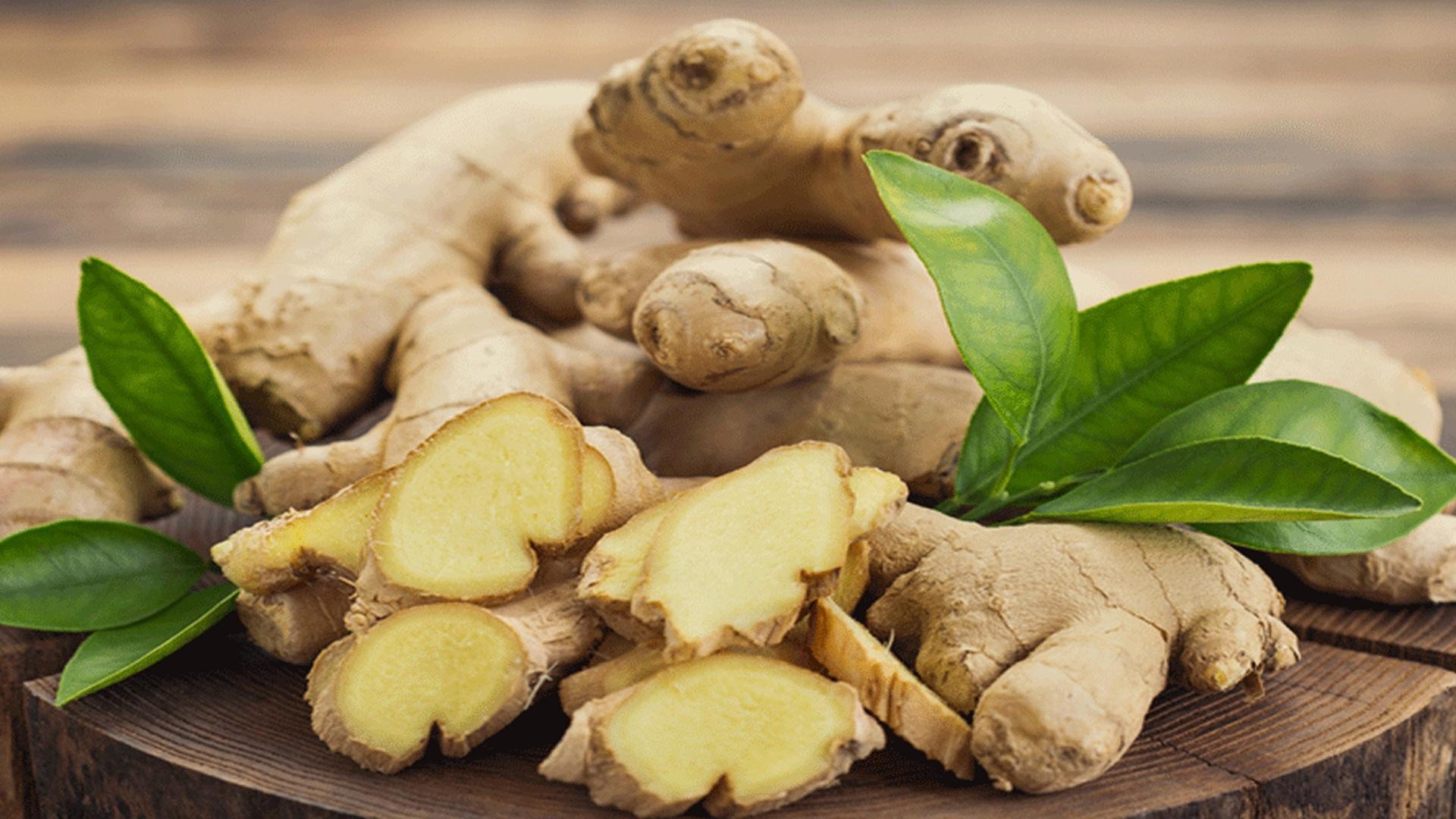
Ginger juice is the liquid extracted from fresh ginger root. It is usually made by juicing, blending, grating, or pressing fresh ginger.
The resulting liquid has a strong, spicy aroma and an intense flavor. Because of its concentration, many people prefer to dilute it with water.
Ginger juice can also be combined with ingredients such as:
Lemon or lime
Honey
Turmeric
Fresh fruit juice
Warm or cold water
These combinations can make ginger juice easier to enjoy while creating different flavor profiles.
II/ What Are the Potential Health Benefits of Ginger Juice?
Ginger contains several naturally occurring bioactive compounds. Much of the research focuses on ginger itself or ginger extracts rather than ginger juice specifically. Therefore, the benefits below should be viewed as potential benefits associated with ginger consumption.
1. May Help Support a Healthy Inflammatory Response
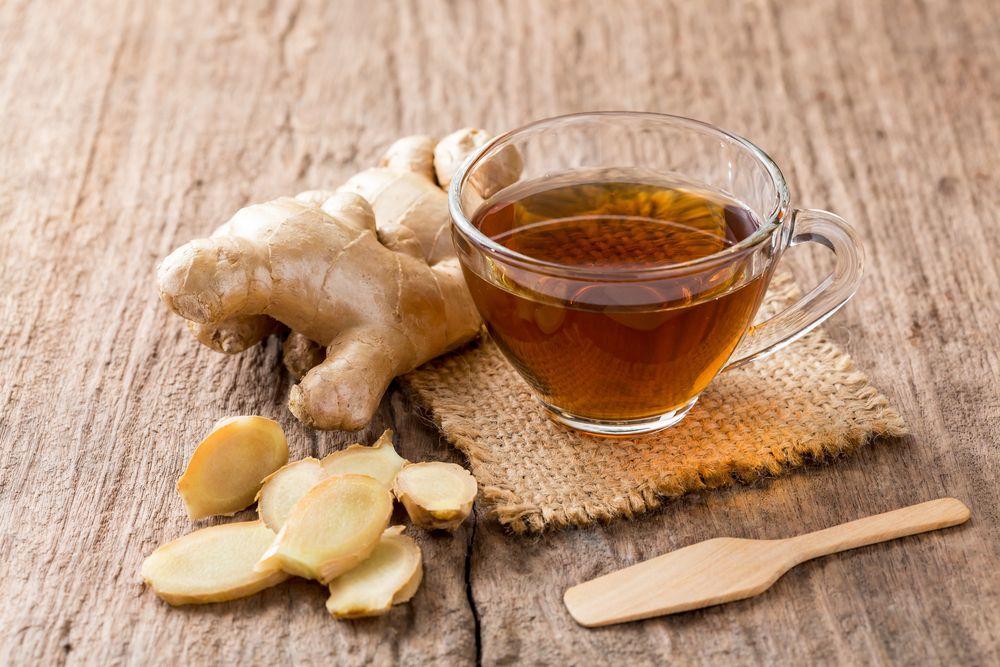
Ginger contains compounds known as gingerols and shogaols. These compounds have been widely studied for their antioxidant and anti-inflammatory activity.
Including ginger in a balanced diet may therefore help support the body's natural response to inflammation. However, ginger juice should not replace medical treatment for inflammatory conditions.

2. May Support Healthy Digestion
Ginger has a long history of traditional use for digestive discomfort. It is particularly well known for its potential role in reducing nausea.
Ginger may also support normal gastric movement. This can help food move through the digestive system more efficiently.
For this reason, diluted ginger juice is sometimes consumed before or after meals.

3. Provides Antioxidant Compounds
Ginger naturally contains antioxidant compounds. Antioxidants help protect cells against oxidative stress caused by free radicals.
A diet containing a variety of antioxidant-rich plant foods can support overall health. Ginger can be one ingredient within this broader dietary pattern.

4. May Support Healthy Blood Sugar Management
Some research has examined ginger's potential effects on glucose metabolism and insulin sensitivity.
However, ginger juice should not be considered a treatment for diabetes. Research is still developing, and results may vary between individuals.
People managing diabetes should also consider any added sweeteners in homemade or packaged ginger drinks.

5. May Help with Exercise-Related Muscle Soreness
Ginger has also been studied for its potential effects on muscle discomfort following physical activity.
Regular ginger consumption may help support recovery from exercise-related soreness in some people. However, ginger juice is not a substitute for proper rest, hydration, or professional treatment for injuries.

III/ How Do You Make Ginger Juice at Home?
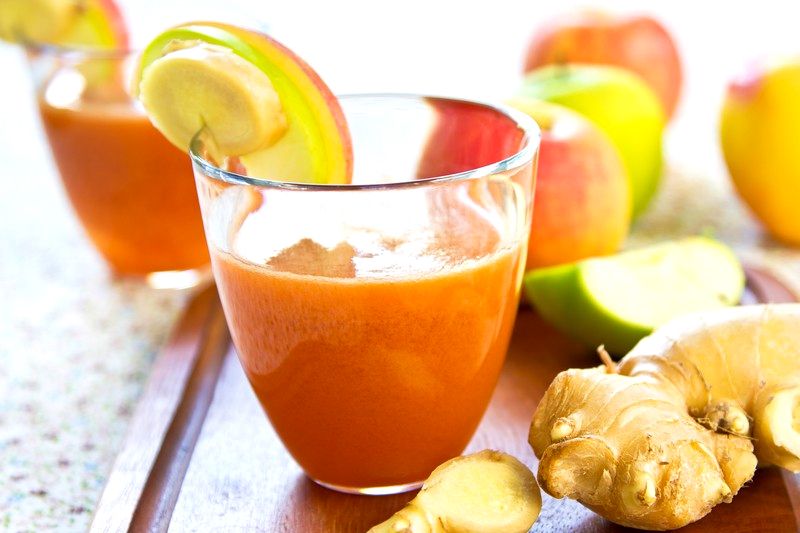
Making fresh ginger juice requires only a few ingredients and basic kitchen equipment.
Ingredients
1 large piece of fresh ginger root
1/2 cup of water
Honey, optional
Lemon juice, optional
Instructions
Wash the ginger thoroughly under running water.
Peel it with a spoon or vegetable peeler if desired.
Cut the ginger into small pieces.
Place the pieces in a blender with water.
Blend until the mixture becomes smooth.
Strain through a fine-mesh sieve or cheesecloth.
Add honey or lemon according to your preference.
Dilute with additional water if the flavor is too strong.
Refrigerate the finished juice in a clean, airtight container.
Fresh preparations are best made in small batches and consumed promptly.
IV/ What Are the Best Methods for Extracting Ginger Juice?
You do not necessarily need specialized equipment to extract juice from fresh ginger. Several methods work well depending on what you have available.
1. Using a Juicer
A juicer is one of the simplest options for preparing concentrated ginger juice.
Wash and cut the ginger into pieces that fit your machine. Feed them through the juicer and collect the extracted liquid.
This method is particularly convenient when preparing larger quantities.
2. Using a Blender
A standard blender is a practical alternative if you do not own a juicer.
Cut fresh ginger into small pieces and blend it with a small amount of water. Strain the mixture afterward to separate the liquid from the fibrous pulp.
3. Grating and Squeezing
For small quantities, you can extract ginger juice manually.
Finely grate fresh ginger and place it inside cheesecloth or a nut milk bag. Squeeze firmly over a clean bowl until the liquid is extracted.
This method requires no electrical equipment and works well for recipes needing only a tablespoon or two.
V/ How Can You Make Ginger Juice with Honey and Lemon?
Ginger, honey, and lemon create a warming beverage with a combination of spicy, sweet, and citrus flavors.
Honey can help soften ginger's intense taste, while lemon adds acidity and freshness.
Ingredients
1 tablespoon fresh ginger juice
1 tablespoon honey
Juice of 1/2 lemon
1 cup warm water
Instructions
Add the ginger juice to a cup.
Mix in the fresh lemon juice.
Add warm water.
Stir in the honey until dissolved.
Adjust the amount of ginger according to taste.
Enjoy the beverage while warm.
This drink can be soothing, but it should not be presented as a treatment or cure for coughs, colds, or other medical conditions.
VI/ What Are the Pros and Cons of Ginger Juice?
Like many concentrated foods and beverages, ginger juice has both advantages and considerations.
Pros
Contains naturally occurring antioxidant compounds
Provides gingerols and other bioactive compounds
May support normal digestion
May help with occasional nausea
Easy to prepare at home
Can be combined with many other ingredients
Adds a distinctive spicy flavor without requiring added sugar
Cons
The concentrated flavor can be too intense for some people
Large quantities may cause digestive discomfort
Added honey or sugar increases the drink's sugar content
Ginger may interact with certain medications
Concentrated juice may not be appropriate for everyone
Moderation is therefore important, particularly when consuming highly concentrated ginger juice.
VII/ What Are Some Alternatives to Ginger Juice?
If you dislike ginger's intense flavor, other ingredients can add warmth or complexity to beverages.
Popular alternatives include:
Turmeric: Offers an earthy and slightly bitter flavor.
Cinnamon: Provides warmth and natural sweetness.
Mint: Creates a fresh and cooling beverage.
Chamomile: Commonly prepared as a mild herbal tea.
Lemon: Adds bright acidity and freshness.
These ingredients have different nutritional characteristics. They should not be considered direct nutritional substitutes for ginger.
VIII/ What Are the Best Ways to Use Ginger Juice?
Because fresh ginger juice is concentrated, a small quantity can add significant flavor.
Here are several practical ways to use it:
Dilute it with water for a lighter everyday beverage.
Add lemon and honey to balance its spicy flavor.
Mix it into smoothies for a warming ginger note.
Add it to fruit juice for a more complex flavor.
Use it in marinades for vegetables, meat, or seafood.
Mix it into salad dressings with citrus and olive oil.
Add a small amount to tea for extra warmth.
Start with a small quantity and adjust according to your preferred flavor intensity.
IX/ How Do You Choose a Ginger Juice Extractor?
If you regularly prepare fresh ginger juice, a dedicated juicer can make the process more convenient.
Consider these factors before choosing one:
1. Extraction Efficiency
Look for a machine capable of processing fibrous ingredients such as ginger. Efficient extraction can reduce the amount of usable juice left in the pulp.
2. Ease of Cleaning
Ginger fibers can become trapped in juicer components. Removable, washable parts can make regular cleaning easier.
3. Capacity
A compact machine may be sufficient for occasional personal use. Larger-capacity equipment may be more practical for frequent preparation.
4. Durability
Consider machines made with durable components if you plan to process ginger regularly.
5. Budget
The most expensive machine is not necessarily the best option for every user. Consider how frequently you will use it before investing.
X/ Are There Any Safety Considerations for Ginger Juice?
Ginger is commonly consumed as a food and spice. However, concentrated ginger juice may not be suitable for everyone.
Consuming too much may cause heartburn, stomach discomfort, or other digestive symptoms in some individuals.
People taking certain medications should discuss concentrated ginger consumption with a healthcare professional. This is especially relevant when dietary changes could affect an existing medical treatment.
Pregnant individuals or people managing health conditions should also seek personalized guidance when necessary.
XI/ Conclusion
Ginger juice is a flavorful way to incorporate fresh ginger into your diet. It contains naturally occurring compounds, including gingerols and shogaols.
Potential ginger juice benefits include digestive support, antioxidant activity, and support for a healthy inflammatory response. Research has also explored ginger's role in exercise recovery and blood sugar management.
Fresh ginger juice is easy to prepare with a juicer, blender, or simple grating method. It can also be combined with lemon, honey, fruit, or other ingredients.
For everyday use, moderation is important. Ginger juice should complement a balanced diet rather than serve as a treatment for medical conditions.
FAQ
1. What are the main benefits of ginger juice?
Ginger juice contains naturally occurring gingerols and other bioactive compounds. Potential benefits include digestive support, antioxidant activity, and support for the body's normal inflammatory response.
2. How do you make ginger juice at home?
Blend chopped fresh ginger with a small amount of water. Strain the mixture through cheesecloth or a fine sieve to separate the juice from the pulp.
3. Can you drink ginger juice every day?
Small amounts of ginger can be incorporated into many diets. However, concentrated juice may cause digestive discomfort in some people, so moderation is important.
4. Is ginger juice good for digestion?
Ginger has traditionally been used for digestive discomfort and nausea. Research has also examined its effects on normal gastric movement and digestion.
5. Can you mix ginger juice with honey and lemon?
Yes. Honey can balance ginger's spicy flavor, while lemon provides acidity and freshness. The mixture can be diluted with warm or cold water.
6. What is the easiest way to extract ginger juice?
A juicer is convenient, but a blender also works well. For small quantities, finely grated ginger can be squeezed through cheesecloth.
7. Who should be careful when drinking ginger juice?
People taking certain medications or managing specific medical conditions should discuss concentrated ginger consumption with a healthcare professional.
8. How can ginger juice be used?
Ginger juice can be diluted with water or added to smoothies, teas, fruit drinks, marinades, sauces, and salad dressings.
About this article

The VINUT editorial team publishes articles about beverage ingredients, product characteristics, and practical information for readers and international buyers.