
Buyer Briefing
6 min read · 1,261 words
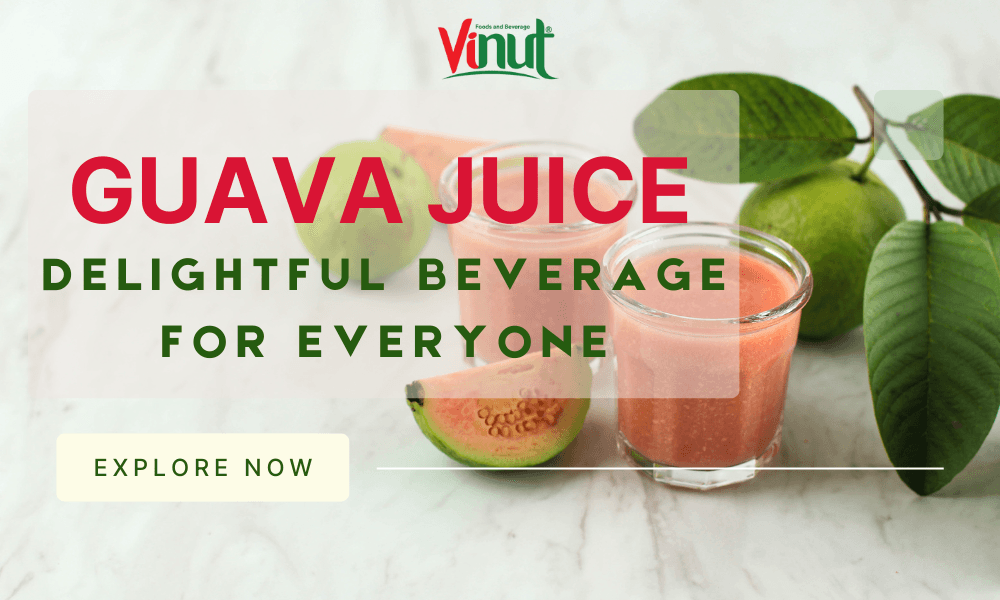
Guava juice benefits primarily come from its vitamin C, potassium, fluid, and naturally occurring plant compounds. Depending on how it is processed, it may also retain some dietary fiber. Guava juice can contribute to hydration and nutrient intake while providing a versatile tropical flavor.
- Guava juice is made from nutrient-rich tropical guava fruit.
- Guava is particularly known for its vitamin C content.
- Guava juice can contribute to hydration and nutrient intake.
- Pulpy juice generally retains more fiber than filtered juice.
- Guava juice can be used in smoothies, mocktails, desserts, and savory recipes.
- Packaged products may differ significantly in fruit content and added sugar.
Listen to the article summary
AI-generated voice · English · 3:04
Read transcript
Guava juice, a delightful tropical beverage, is made from the pulp of ripe guava fruit, often blended or pressed with water. Originating in the tropical Americas, guava cultivation expanded globally, making the fruit and its juice popular worldwide. Its historical significance includes traditional uses in various cultures, and its distinctive aroma and sweetness contributed to its global spread. The nutritional profile of guava juice varies based on the fruit variety, processing, and added ingredients. However, it is known for providing vitamin C, which supports normal immune function and antioxidant protection. It also contains potassium, important for muscle function and blood pressure, along with vitamin A-related compounds, copper, and carbohydrates. Guava juice also offers naturally occurring plant compounds like carotenoids and polyphenols, studied for their antioxidant activity. It's important to note that while these compounds are beneficial, guava juice should be viewed as part of a varied diet, not a treatment for health conditions. For dietary fiber, whole guava is a better source, as highly filtered juice may lose some pulp and fiber. The benefits of guava juice are primarily linked to its nutrient content and hydration. It contributes to daily vitamin C intake and, like other fruit-based beverages, contains a significant amount of water, aiding in hydration. Its antioxidant compounds contribute to dietary variety. While guava fruit provides fiber for digestive health, the fiber content in juice depends on processing, with pulpy versions retaining more. Unsweetened guava juice can fit into a balanced diet, but consumers should check labels for added sugars in commercial products. Making guava juice at home allows control over sweetness and consistency. Ripe guavas, water, and optional sweeteners like honey or lime juice are blended, and the mixture can be strained for a smoother texture or left pulpy. Guava juice is also incredibly versatile in the kitchen. It pairs well with other tropical flavors in beverages and mocktails, forms a great base for smoothies, and can be incorporated into desserts like sorbets or puddings. Its sweetness and acidity also make it suitable for savory applications, such as marinades and sauces. When choosing packaged guava juice, it's crucial to check the label for fruit or juice content, added sugar, serving size, calories, carbohydrates, and other ingredients. Products labeled as 'guava juice,' 'guava nectar,' or 'guava drink' can have different compositions. Ultimately, guava juice offers tropical flavor, versatility, and a useful nutritional profile, making it a flavorful component of a varied and balanced diet.
Guava juice benefits go beyond its refreshing tropical flavor. Made from guava fruit, this beverage can provide vitamin C, potassium, and naturally occurring plant compounds. Its sweet aroma and versatile flavor also make it suitable for smoothies, mocktails, desserts, and other recipes.
But what makes guava juice worth adding to your diet? From its nutritional profile to its culinary versatility, this guide explores what you should know about this popular tropical beverage.
I/ What Is Guava Juice and Where Does It Come From?
Guava juice is made from the pulp of ripe guava fruit, usually blended or pressed with water. Depending on the product or recipe, the juice may be filtered for a smoother texture or retain some pulp.
Guava itself is native to tropical regions of the Americas. Over time, cultivation expanded to Asia and other tropical and subtropical regions. Today, guava and guava-based beverages are enjoyed in many countries worldwide.
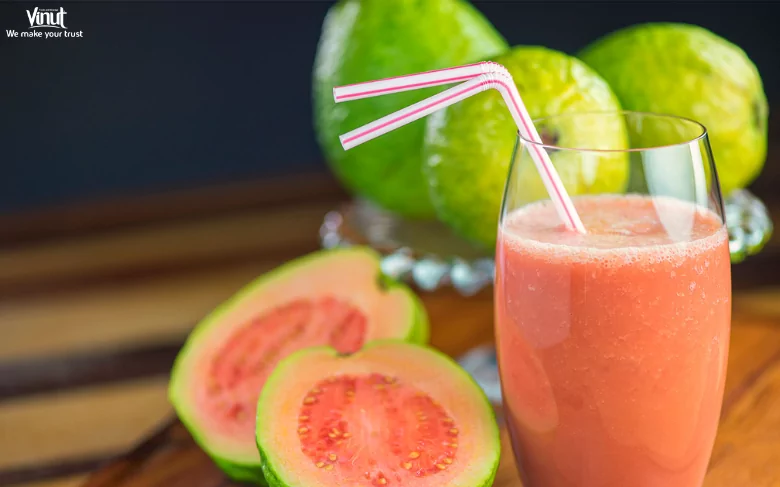
Historical Significance of Guava
Guava has a long history of cultivation and consumption in tropical communities. Different parts of the fruit and plant have also appeared in traditional practices across various cultures.
As international agriculture and trade developed, guava spread beyond its original growing regions. Its distinctive aroma, sweetness, and versatility helped it become a familiar tropical fruit.
How Is Guava Cultivated and Harvested?
Guava trees grow particularly well in warm tropical and subtropical climates. Depending on the variety, ripe guavas can have green, yellow, or yellowish-green skin.
Once harvested, ripe fruit can be eaten fresh or processed into juice, puree, nectar, jams, and other products.
How Did Guava Juice Become Popular Worldwide?
The expansion of tropical fruit production and international trade made guava products accessible to more consumers.
Today, guava juice can be found in supermarkets, restaurants, cafés, and specialty stores. It is consumed on its own and combined with other tropical flavors in beverage formulations.
II/ What Nutrients Are Found in Guava Juice?
The nutritional profile of guava juice depends on the fruit variety, processing method, serving size, and additional ingredients.
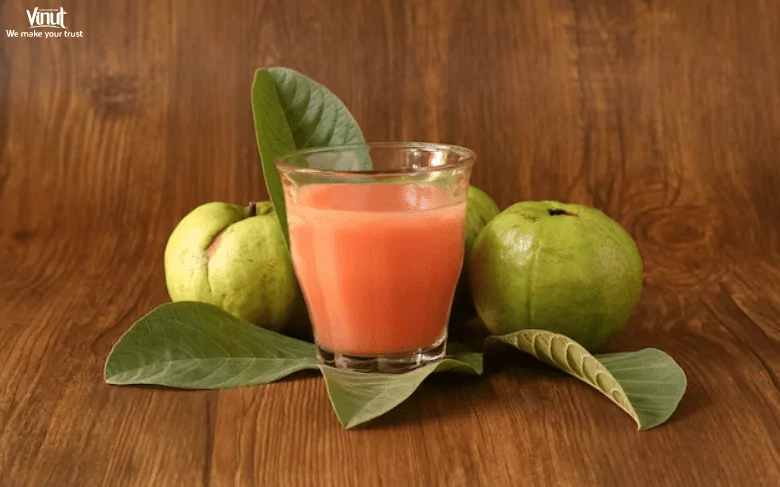
Guava itself is particularly known for its vitamin C content. Juice can retain some of the fruit's vitamins, minerals, and naturally occurring plant compounds.
Vitamins and Minerals
Guava and guava-based beverages can provide several important nutrients.
These may include:
Vitamin C: Contributes to normal immune function and antioxidant protection.
Potassium: Supports normal muscle function and blood pressure.
Vitamin A-related compounds: Guava contains carotenoids that contribute to its nutritional profile.
Copper: Plays a role in normal energy metabolism and connective tissue.
Carbohydrates: Provide a source of dietary energy.
The exact amounts can differ considerably between fresh fruit, homemade juice, and commercial products.
Naturally Occurring Antioxidants
Guava contains naturally occurring plant compounds, including carotenoids and various polyphenols.
These compounds have been studied for their antioxidant activity. Antioxidants help protect cells against oxidative stress.
However, guava juice should be viewed as part of a varied diet rather than a treatment for oxidative stress or chronic disease.
What About Fiber?
Whole guava is a better source of dietary fiber than highly filtered guava juice.
When fruit is processed and the pulp is removed, some fiber can be lost. Juices or smoothies that retain more pulp may contain more fiber than fully clarified versions.
For people seeking the fiber benefits of guava, eating the whole fruit remains an excellent option.
III/ What Are the Potential Benefits of Guava Juice?
The benefits of guava juice are primarily connected to its nutrients, hydration, and plant compounds.
Its nutritional value can make it a useful addition to a balanced diet. However, it should not be considered a treatment or cure for health conditions.
1. Provides Vitamin C
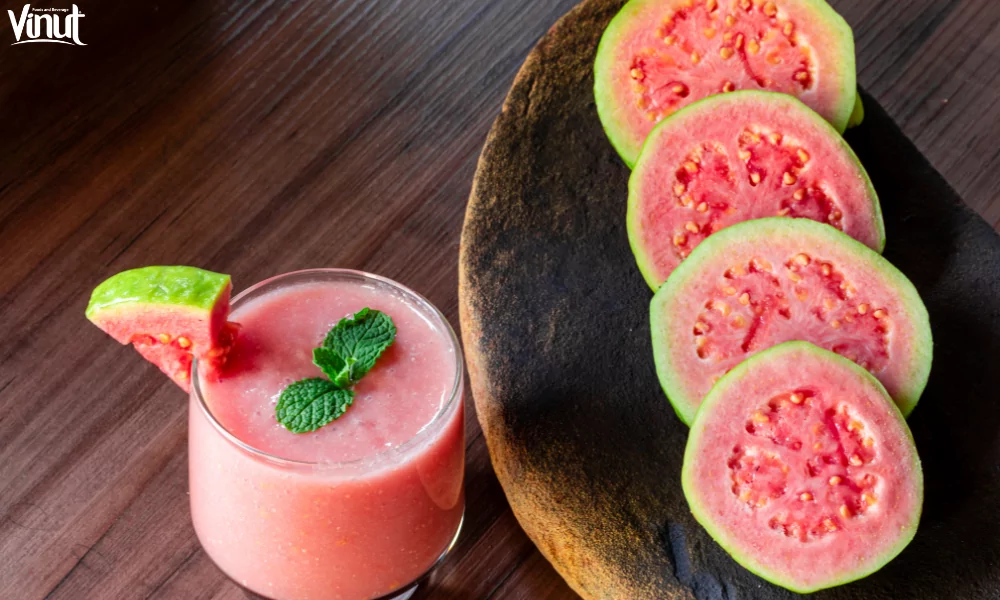
Guava is naturally rich in vitamin C. Depending on processing, guava juice can contribute to daily vitamin C intake.
Vitamin C contributes to normal immune function and collagen formation. It also helps protect cells from oxidative stress.
2. Can Contribute to Hydration
Like other fruit-based beverages, guava juice contains a significant amount of water.
This makes it a refreshing way to contribute to daily fluid intake. It can be especially enjoyable when served chilled during warm weather.
Water should still remain the primary source of everyday hydration.
3. Provides Antioxidant Compounds
Guava contains vitamin C, carotenoids, and other naturally occurring plant compounds.
Including different fruits and vegetables in your diet provides a wider variety of antioxidants and nutrients. Guava juice can contribute to this dietary variety.
4. Can Complement Digestive Health
Guava fruit provides dietary fiber, which contributes to normal digestive function.
The fiber content of guava juice depends heavily on processing. A pulpy homemade juice or smoothie generally retains more fiber than a filtered beverage.
If digestive health is your goal, consider combining juice with whole fruits and other fiber-rich foods.
5. Can Fit Into a Balanced Diet
Unsweetened guava juice can add fruit flavor and nutritional variety to a balanced eating pattern.
However, natural fruit sugars remain present even without added sugar. Commercial guava beverages may also contain additional sweeteners.
Checking the ingredient and nutrition labels can help you compare products.
IV/ How Can You Make Guava Juice at Home?
Making guava juice at home allows you to control its sweetness, consistency, and additional ingredients.
How Do You Choose the Right Guavas?
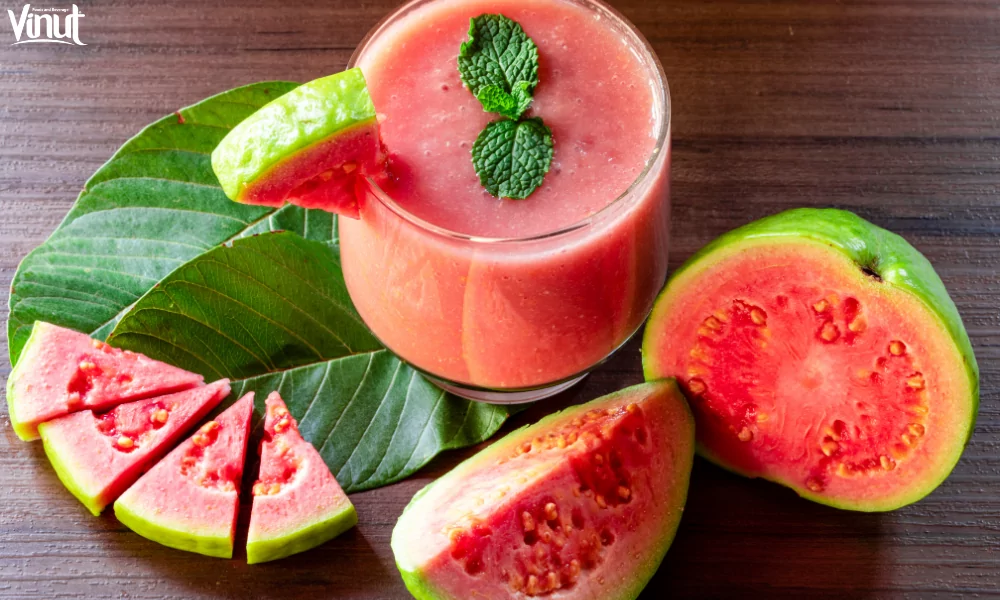
Start with ripe, good-quality guavas. Look for fruit that feels slightly soft when gently pressed and has a noticeable fruity aroma.
Avoid fruits with extensive bruising, mold, or signs of spoilage.
Ingredients
For a simple homemade version, prepare:
2–3 ripe guavas
1–2 cups of cold water
Ice cubes
Honey or another sweetener, if desired
Lime or lemon juice, if desired
Step-by-Step Instructions
Wash the guavas thoroughly.
Cut them into smaller pieces.
Place the guava pieces in a blender.
Add cold water according to your preferred consistency.
Blend until smooth.
Strain the mixture if you prefer less pulp.
Taste before adding any additional sweetener.
Serve chilled or over ice.
You can also add a small amount of lime or lemon juice for extra acidity and freshness.
Should You Strain Guava Juice?
This depends on your preferred texture.
Straining creates a smoother beverage but removes some pulp and fiber. Leaving more pulp creates a thicker texture and retains more of the whole fruit.
V/ What Are Some Delicious Ways to Use Guava Juice?
Guava juice is versatile enough to be used beyond a simple glass of fruit juice. Its tropical sweetness works with beverages, desserts, and even savory recipes.
1. Tropical Beverages and Mocktails
Guava juice pairs naturally with pineapple, mango, passion fruit, citrus, and coconut.
For a simple tropical mocktail, combine guava juice with sparkling water, lime, and ice. Fresh mint can add another layer of aroma.
2. Smoothies
Guava juice can provide a tropical base for smoothies.
Try combining it with:
Mango
Pineapple
Banana
Strawberry
Yogurt
Coconut water
Using whole fruit alongside the juice can also increase the smoothie's fiber content.
3. Desserts
The naturally fruity character of guava works well in frozen and creamy desserts.
Guava juice or puree can be incorporated into sorbets, puddings, popsicles, yogurt bowls, and fruit-based sauces.
4. Marinades and Sauces
Guava juice can also appear in savory recipes.
Its sweetness and acidity can complement marinades, glazes, and sauces. It pairs particularly well with citrus, chili, garlic, ginger, and aromatic herbs.
VI/ How Should You Choose Packaged Guava Juice?
Packaged guava beverages can vary significantly in their fruit content, sugar, calories, and ingredients.
What Should You Check on the Label?
Before choosing a product, consider:
Fruit or juice content
Added sugar
Serving size
Calories and carbohydrates
Ingredient list
Other added ingredients
Products labeled as guava juice, guava nectar, or guava drink may have different compositions. Checking the label provides more useful information than relying only on the product name.
IX/ Conclusion
Guava juice combines tropical flavor, versatility, and a useful nutritional profile. Its vitamin C, potassium, and naturally occurring plant compounds make it an appealing way to add variety to your beverage choices.
It can be enjoyed chilled on its own or incorporated into smoothies, mocktails, desserts, and savory recipes. Homemade versions also allow greater control over sweetness and pulp content.
When purchasing packaged guava juice, compare labels and choose a product that fits your dietary preferences. Ultimately, guava juice is best viewed as one flavorful component of a varied and balanced diet.
FAQ
What are the main benefits of guava juice?
Guava juice can provide vitamin C, potassium, fluid, and naturally occurring plant compounds.
Is guava juice high in vitamin C?
Guava fruit is naturally rich in vitamin C. The amount retained in juice depends on processing, storage, and serving size.
Is guava juice good for digestion?
Guava contains dietary fiber, but filtered juice usually provides less fiber than whole guava or pulpy beverages.
Can you drink guava juice every day?
Guava juice can be included in a balanced diet. Check serving size and added sugar when choosing packaged products.
About this article
The VINUT editorial team publishes articles about beverage ingredients, product characteristics, and practical information for readers and international buyers.