
Buyer Briefing
3 min read · 585 words
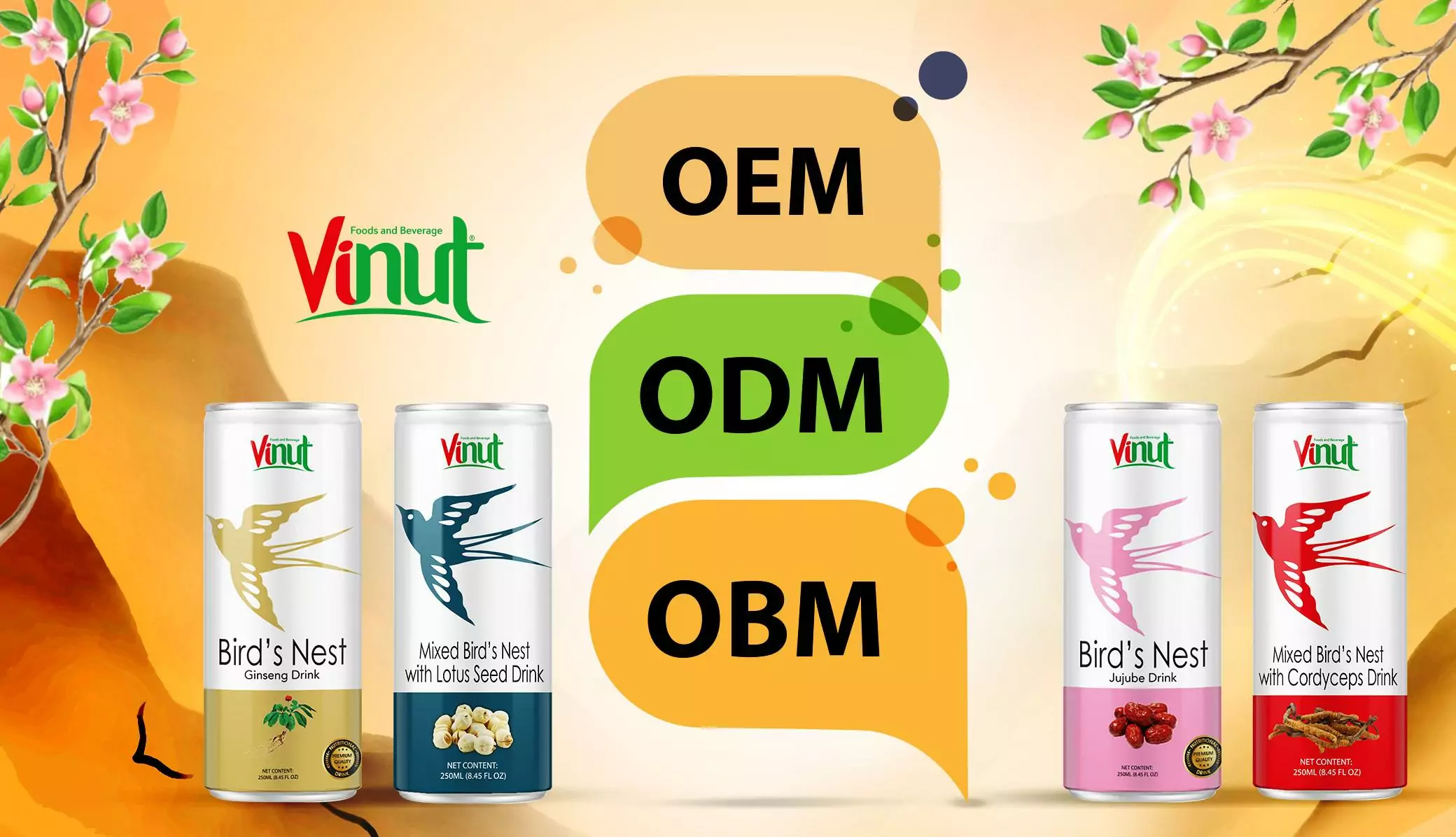
An export-ready beverage meets international standards (FDA, ISO, HACCP, Halal) for global export. Businesses use three main manufacturing models to produce them: product: The factory manufactures drinks strictly according to the client's existing formula and specifications. product development: The factory handles both R&D/design and production based on a high-level concept. OBM: The business buys finished products directly from a manufacturer to market under its brand.
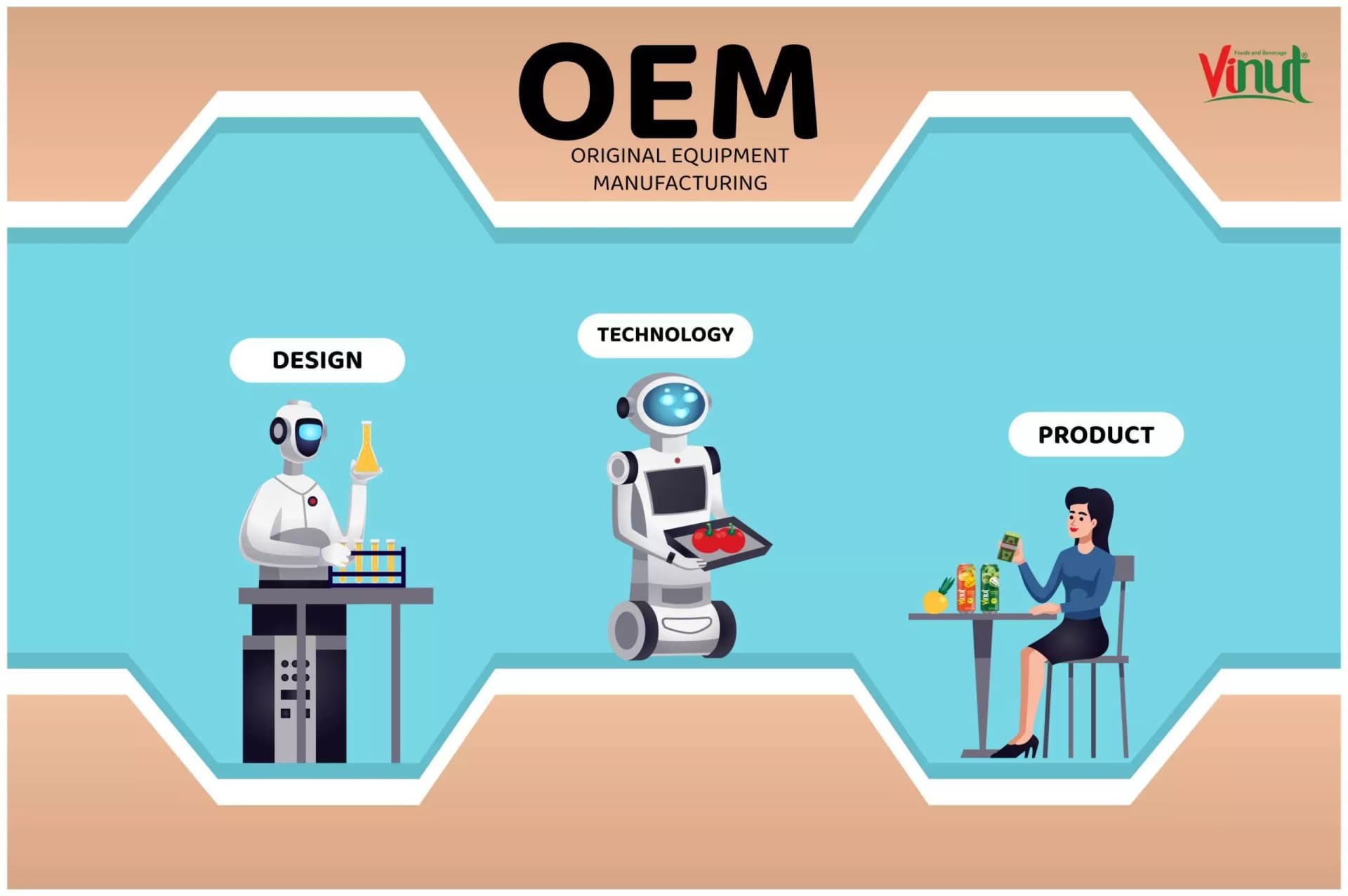
- product (Original Equipment Manufacturing) refers to a manufacturer providing goods or manpower to produce products according to a partner's existing samples or specifications, with the products branded by the ordering company.
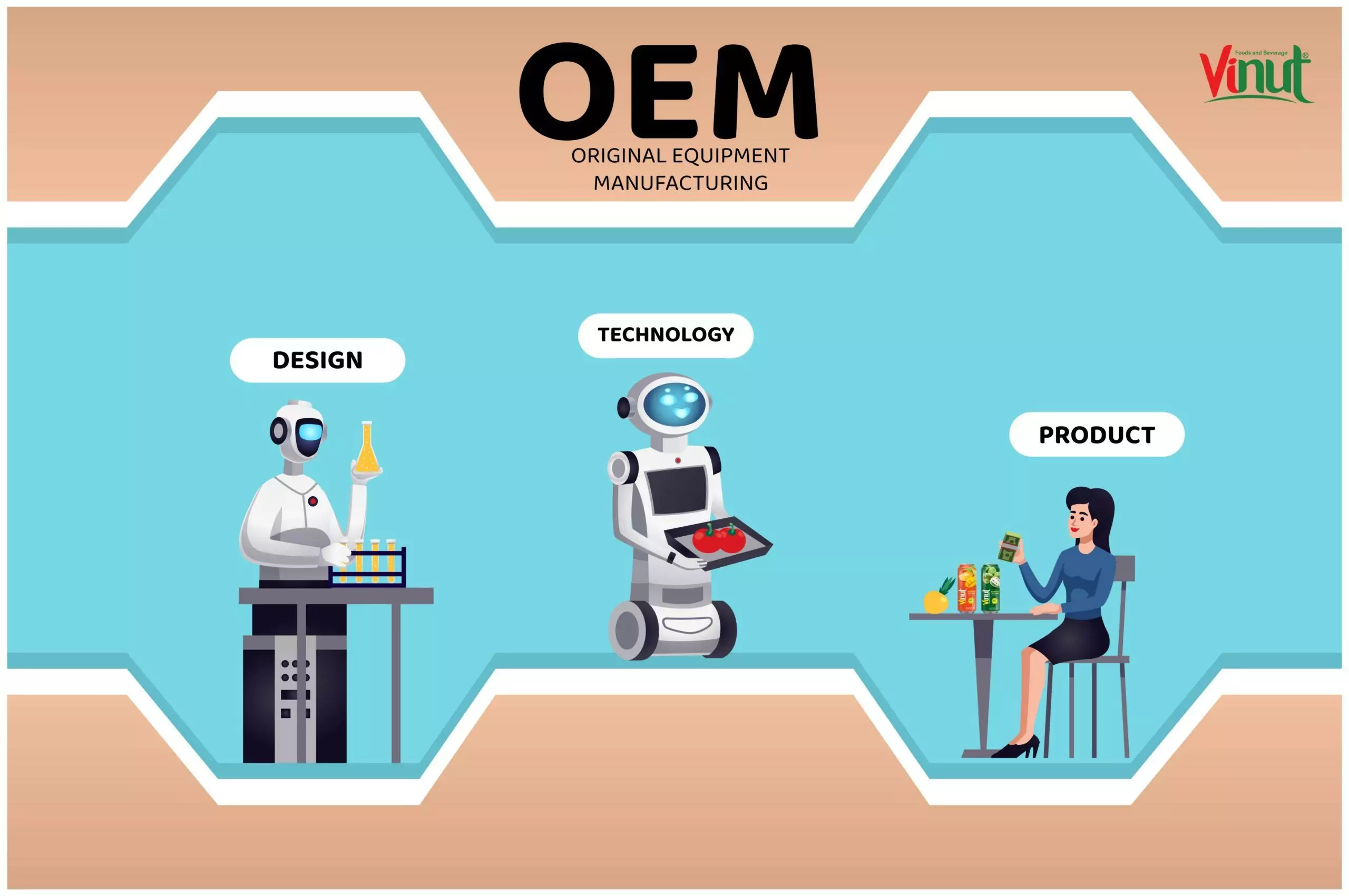
- product development (Original Design Manufacturing) refers to a company or factory responsible for both designing and manufacturing products based on a client's idea, offering a complete production service.
- OBM (Original Brand Manufacturing) describes companies that focus solely on brand development, buying products made by other companies and branding them as their own.
- product services allow ordering companies to obtain products without building a new factory, leveraging the manufacturer's existing technology and capacity, but carry risks regarding desired quality.
- product development services provide a complete product from an initial idea, saving businesses effort, cost, and time, but there's a risk of design acquisition reducing competitive advantage.
- OBM services can help increase brand value by sourcing quality products from known manufacturers, but risk brand damage if product quality is poor or consumers are confused by similar products from the same manufacturer.
In the beverage manufacturing industry, launching an export-ready beverage requires choosing the right strategy. Businesses often rely on export-ready beverage models to develop, produce, and scale their drinks for international markets.
product
Product is an acronym for Original Equipment Manufacturer/Manufacturing, which refers to a manufacturer that provides goods or manpower to produce and bring products to market. Product can be understood as a company that specializes in manufacturing work to order for a partner or to specifications that are pre-ordered by another company. The products that are put on the market are branded by the company that made the product. Depending on the product, product manufacturing can be simple or complex. This requires a manufacturer’s financial investment, highly qualified personnel, and research time, including time to find solutions, import materials, prototyping, and time for mass production.
For example, a company that trades and distributes canned fruit juice needs to find a bulk manufacturer that can make products with quality assurance and nutritional characteristics according to the company’s existing samples. Company A can contact Nam Viet Foods and Beverage JSC to produce products on demand in large quantities with guaranteed quality and time.
product development
Product development is an acronym for Original Design Manufacturing, which refers to a company or factory responsible for designing and manufacturing products as required. Some companies have an idea for a product but have not yet concretized it by design and production, so product development service should be used in this case. The product development model brings important functions such as design, manufacturing or branding to a product; product development costs are often much less than the costs of using a product.
For example: You have an idea for a sparkling water product combined with juice but you do not have the design and cannot guarantee the production, you can contact Nam Viet Food and Beverage Joint Stock Company To be provided with complete and quality production services, not only meeting the standards of domestic distribution but also exporting to major markets such as the US, the Middle East, Russia, Korea…
Advantages and disadvantages of product and product development
Advantages:
Saves massive capital by eliminating the need to build a new factory.
Accesses ready-to-use technology, advanced machinery, and skilled labor.
Ensures high-volume production capacity with consistent quality control.
Disadvantages:
High dependence on the supplier's quality management.
Operational risks if the final product fails to meet target standards.
Advantages and disadvantages of product development
Advantages:
Turns raw ideas into ready-to-market products without internal R&D capabilities.
Saves significant time, effort, and design costs.
Increases market adaptability by customizing existing sample products.
Disadvantages:
Reduced competitive advantage due to shared manufacturing technology.
Potential risk of design or formulation acquisition by competitors.
What is OBM?
In addition to the two terms product and product development also the concept of OBM. OBM is an acronym for Original Brand Manufacturing, which describes companies that only develop the brand without being involved in the design or manufacturing process. Companies using this service will buy back products made by other companies outright and put their own brands on it just to add value to their products.
Advantages and disadvantages of OBM
Advantages:
Accelerates brand launch by sourcing proven, high-quality products.
Enhances brand value without operational or manufacturing overhead.
Disadvantages:
Risk of brand damage if product quality is inconsistent.
Customer confusion caused by identical products sold under different brand names.
Conclusion
Whether you use product, product development, or OBM services, there are benefits and limitations to it. It is important that your business is at what stage of the production process to bring the product to market; it will need the corresponding service. Businesses also need to choose a reputable and quality service provider.
FAQ
What is an export-ready beverage?
An export-ready beverage is a drink formulated, packaged, and certified (e.g., FDA, ISO, HACCP, Halal) to meet the strict legal, safety, and labeling requirements of international target markets.
What does product stand for in beverage manufacturing?
product stands for Original Equipment Manufacturer. In beverage production, an product factory manufactures drinks based strictly on the recipe, packaging, and specs provided by the client.
What is product development in the beverage industry?
product development stands for Original Design Manufacturer. An product development provider handles the entire development process—from recipe formulation (R&D) and packaging design to full-scale manufacturing—based on a client's concept.
What is OBM in drink manufacturing?
OBM stands for Original Brand Manufacturer. In this model, a company purchases fully finished, market-ready beverages from a manufacturer and markets them under its own brand name.
What is the main difference between product and product development?
The primary difference lies in R&D and design. product requires you to supply your own recipe and branding, while product development provides complete formula development and packaging design for you.
How do I choose between product, product development, and OBM for my drink brand?
Choose product if you already have a proprietary formula. Opt for product development if you have a product idea but lack R&D capabilities. Pick OBM if you want to launch a brand quickly using existing, proven formulations.
Is product development cheaper than product for beverage production?
Not necessarily. While product development saves you upfront R&D and design investment, the overall unit cost may vary depending on recipe customization, ingredient sourcing, and order volume.
Can an product factory help export beverages to the US or Europe?
Yes, reputable product manufacturers like Nam Viet F&B possess international certifications (FDA, ISO, HACCP, Halal) required to clear customs in major markets like the US, EU, and Middle East.
Do I retain intellectual property (IP) rights with product manufacturing?
Yes. Under an product agreement, you retain full ownership of your proprietary beverage formula and brand design.
What certifications should an export-ready beverage manufacturer have?
A reliable export manufacturer should hold ISO 22000, HACCP, FDA registration, Halal, and GMP certifications to ensure compliance across global regions.
Can I customize sugar content or natural ingredients in product development beverages?
Yes, product development manufacturers allow full customization of sweetness levels, natural fruit juice percentages, functional additives (like prebiotics or vitamins), and packaging styles.
What packaging options are best for export-ready beverages?
Aluminum cans and PET/glass bottles are the most common export formats due to their durability, shelf-life stability, and global consumer preference.
About this article
The VINUT editorial team publishes articles about beverage ingredients, product characteristics, and practical information for readers and international buyers.