
Buyer Briefing
7 min read · 1,316 words
Ready-to-drink (RTD) tea and coffee are both competitors and complementary products. While they compete for shelf space, driven by consumer demand for convenience and caffeine, they also serve different consumption occasions. For beverage distributors, understanding this dynamic is key to building a balanced portfolio that captures a wider range of consumer preferences and maximizes sales opportunities across both categories.
- Ready-to-drink (RTD) tea and coffee are fast-growing segments driven by consumer demand for convenience, portability, and functional benefits.
- Both RTD tea and coffee are compared due to similar market forces like convenience, modern retail growth, caffeine association, and packaging advancements.
- They converge on convenience, functional positioning (energy for coffee, wellness for tea), the rise of cold beverages, and packaging innovation.
- RTD tea and coffee compete for shelf space, differ in caffeine levels (coffee higher), offer distinct flavor profiles, and serve different consumption occasions (coffee often morning/work, tea throughout the day/refreshment).
- Successful retailers often treat RTD tea and coffee as complementary, with coffee addressing energy needs and tea supporting all-day refreshment and lighter caffeine consumption.
- A balanced portfolio strategy is recommended for beverage buyers, focusing on consumer occasions, offering flavor diversity, and evaluating operational factors.
- RTD tea brands differentiate by emphasizing refreshing taste, lighter caffeine, tea heritage, food pairing versatility, and lower-sugar positioning rather than imitating coffee.
Ready-to-drink tea and coffee are becoming some of the fastest-growing segments in the global beverage industry, driven by changing consumer preferences for convenience, portability, and functional benefits. Once considered niche products, these ready-to-consume beverages have evolved into mainstream drink choices as consumers look for practical and refreshing options that fit modern lifestyles.
For beverage buyers, importers, distributors, and retailers, understanding the relationship between ready-to-drink tea and coffee is becoming increasingly important. While these categories often compete for the same shelf space and consumer attention, they also serve different consumption occasions and can complement each other within a well-planned beverage portfolio.
So, are RTD tea and coffee converging into the same category, or are they direct competitors? The answer lies somewhere in between.

Why Beverage Buyers Compare RTD Tea and RTD Coffee?
Both RTD tea and RTD coffee are driven by similar market forces.
Consumers today prioritize convenience and expect beverages that fit seamlessly into busy lifestyles. Whether commuting to work, shopping, studying, or traveling, many prefer drinks that require no preparation and can be consumed immediately.
Both categories also benefit from the growing popularity of modern retail formats such as supermarkets, convenience stores, vending machines, and e-commerce platforms.
Another reason these products are frequently compared is their association with caffeine. While tea and coffee provide different caffeine experiences, both are viewed as beverages that support alertness, focus, and daily routines.
In addition, advancements in packaging technology have allowed both categories to expand through PET bottles, aluminum cans, and other portable formats, making them more accessible across multiple sales channels.
Market Growth Driven by Similar Consumer Needs
The growth of RTD tea is largely fueled by health-conscious consumers seeking refreshing beverages with lighter caffeine levels, diverse flavors, and perceived wellness benefits.
Meanwhile, RTD coffee continues to expand thanks to strong coffee culture, the popularity of cold brew products, premium beverage experiences, and increasing demand from busy professionals.
Although the motivations behind purchasing tea and coffee differ, both categories satisfy a broader consumer need: convenient, ready-to-consume beverages that fit modern lifestyles.
For beverage buyers, this means the key strategic question is not whether tea or coffee is better, but how each category serves different consumer need-states.
Where RTD Tea and RTD Coffee Converge
Convenience and On-the-Go Consumption
One of the strongest points of convergence between RTD tea and coffee is convenience.
Consumers increasingly seek beverages that can be consumed anywhere and anytime. Both categories appeal to shoppers looking for quick refreshment during work breaks, commuting, travel, and shopping trips.
This shared usage occasion makes both products highly relevant for convenience stores, supermarkets, vending channels, and online retail platforms.
Functional Beverage Positioning
Another area of overlap is functionality.
RTD coffee is often positioned around energy, concentration, and productivity. RTD tea, on the other hand, emphasizes refreshment, light caffeine, tea antioxidants, and everyday wellness.
While their functional messages differ, both belong to the broader category of beverages that offer benefits beyond simple hydration.
Growing Cold Beverage Culture
The rise of cold beverages has further blurred the line between tea and coffee.
Cold brew coffee, iced coffee, fruit tea, and iced tea are all benefiting from consumer preferences for chilled drinks, particularly in warmer climates and urban environments.
As a result, retailers increasingly merchandise these products together within refrigerated beverage sections.
Packaging Innovation
Packaging has become a major competitive factor for both categories.
PET bottles remain popular for convenience and affordability, while aluminum cans continue gaining attention due to portability and sustainability considerations.
For buyers, packaging decisions should consider channel requirements, logistics, shelf life, visual appeal, and consumer expectations.
Where RTD Tea and RTD Coffee Compete
Despite sharing several growth drivers, RTD tea and coffee compete in multiple areas.
Shelf Space
Retail shelf space remains limited. Beverage buyers must decide how much space to allocate to each category based on local demand and consumer preferences.
Tea products are often positioned within refreshment and wellness sections, while coffee products are typically grouped with energy-focused beverages.
Caffeine Expectations
Coffee generally delivers a stronger caffeine experience than tea. According to USDA FoodData Central, an average cup of brewed coffee contains roughly 95mg of caffeine, compared to about 47mg in black tea and 28mg in green tea — meaning consumers seeking a powerful energy boost are more likely to choose RTD coffee, while those looking for lighter stimulation may prefer RTD tea.
Consumers seeking a powerful energy boost are more likely to choose RTD coffee, while those looking for lighter stimulation may prefer RTD tea.
This distinction influences merchandising strategies and consumer targeting.
Flavor Preferences
Tea and coffee offer fundamentally different flavor experiences.
RTD tea frequently features flavors such as lemon, peach, green tea, black tea, and botanical blends. RTD coffee often focuses on latte, mocha, vanilla, caramel, and cold brew profiles.
Understanding regional flavor preferences is critical for successful category planning.
Consumption Occasions
Coffee often dominates morning consumption and work-focused occasions.
Tea tends to perform strongly throughout the day, especially during meals, social gatherings, and refreshment occasions.
These differing consumption moments create opportunities for both competition and complementarity.
How RTD Tea and RTD Coffee Complement Each Other
Rather than viewing tea and coffee as direct rivals, many successful retailers treat them as complementary categories.
Coffee can effectively address morning routines, productivity, and energy needs.
Tea can support all-day refreshment, lower-sugar lifestyles, meal pairing, and lighter caffeine consumption.
By offering both categories, retailers can satisfy a wider range of consumer preferences and increase overall beverage sales.
For distributors, tea can also serve as a softer alternative for younger consumers and health-conscious shoppers who may not regularly consume coffee.
Meanwhile, HoReCa operators can incorporate RTD tea alongside food menus while positioning RTD coffee around breakfast and dessert occasions.
Building a Balanced RTD Beverage Portfolio
For beverage buyers seeking long-term growth, a balanced portfolio strategy is often the most effective approach.
Consider the following principles:
1. Start with Consumer Occasions
Focus on when and why consumers purchase beverages rather than categorizing products solely by type.
2. Use Coffee for Energy-Focused Needs
RTD coffee performs well in premium, energy-oriented, and cafe-inspired segments.
3. Use Tea for Refreshment and Wellness
RTD tea aligns naturally with refreshment, lighter caffeine consumption, and lower-sugar positioning.
4. Offer Flavor Diversity
A balanced portfolio may include green tea, black tea, peach tea, lemon tea, cold brew coffee, latte, and mocha varieties.
5. Evaluate Operational Factors
Buyers should compare packaging formats, logistics costs, shelf life, margins, and storage requirements.
6. Ensure Regulatory Compliance
Functional claims should always be supported by appropriate documentation, testing, and labeling compliance.
7. Explore Cross-Merchandising Opportunities
Pairing tea and coffee within chilled beverage displays can encourage multiple purchases and improve category performance.
Regional Considerations for Global Beverage Buyers
Different regions present unique opportunities for RTD tea and coffee.
In Asia, strong tea traditions support green tea and fruit tea growth, while coffee culture continues expanding through cold brew and convenience formats.
In the Middle East, low-sugar tea products and non-alcoholic refreshment beverages remain attractive, while premium coffee drinks gain popularity.
European consumers increasingly value clean-label products and sustainability, creating opportunities for both tea and coffee innovation.
The United States continues to drive demand for iced tea, zero-sugar beverages, cold brew coffee, and high-caffeine products.
Meanwhile, Southeast Asia remains one of the most dynamic markets for affordable PET-packaged tea and ready-to-drink milk coffee.
How RTD Tea Can Differentiate Without Imitating Coffee
The most successful RTD tea brands do not attempt to become coffee substitutes.
Instead, they emphasize what makes tea unique:
Refreshing taste profiles
Lighter caffeine experience
Tea heritage and authenticity
Food pairing versatility
Lower-sugar positioning
Everyday wellness appeal
Rather than asking consumers to replace coffee, tea brands can focus on educating consumers about when tea is the preferred choice.
Conclusion
The future of RTD tea and coffee is not defined by competition alone. While both categories compete for shelf space, consumer attention, and convenience-driven purchases, they also address different needs and consumption occasions.
For importers, distributors, retailers, and HoReCa buyers, the most effective strategy is often not choosing between tea and coffee, but building a portfolio that leverages the strengths of both.
By understanding consumer behavior, channel requirements, packaging formats, and regional preferences, buyers can create beverage portfolios that maximize growth opportunities in an increasingly competitive RTD market.
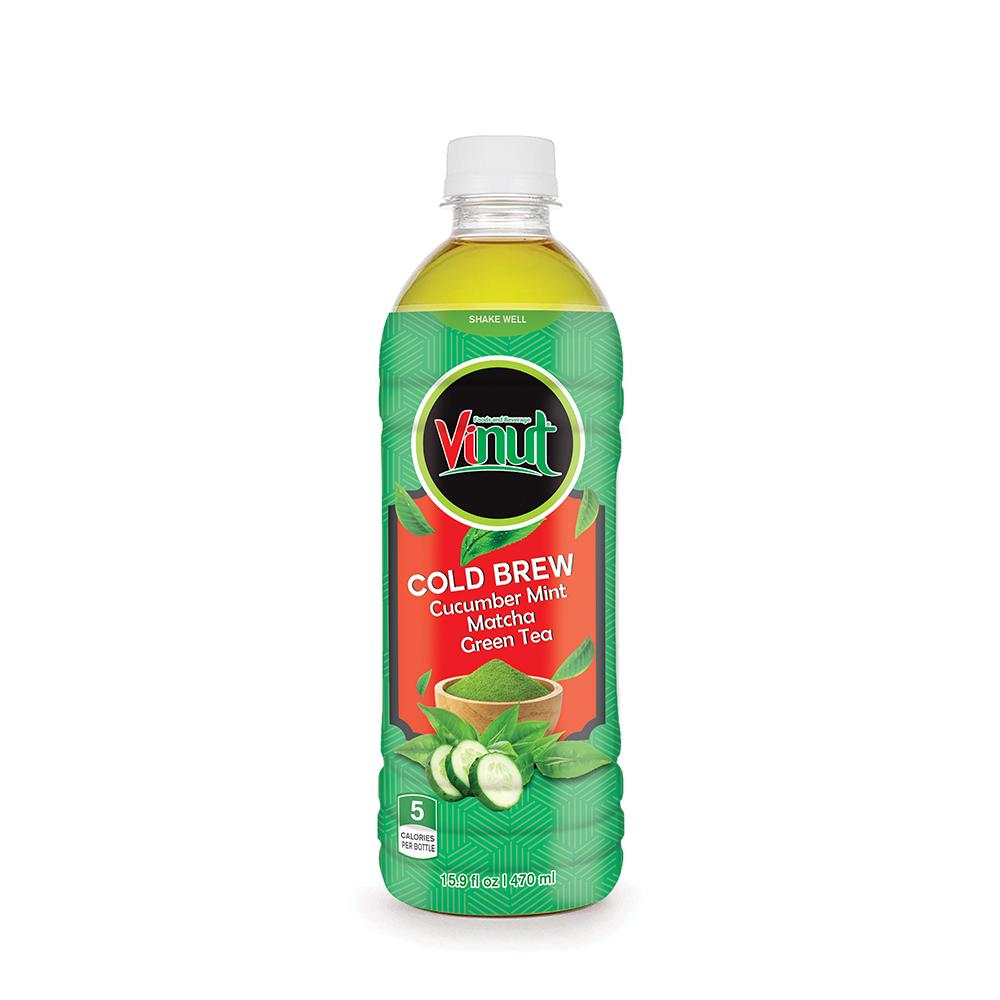
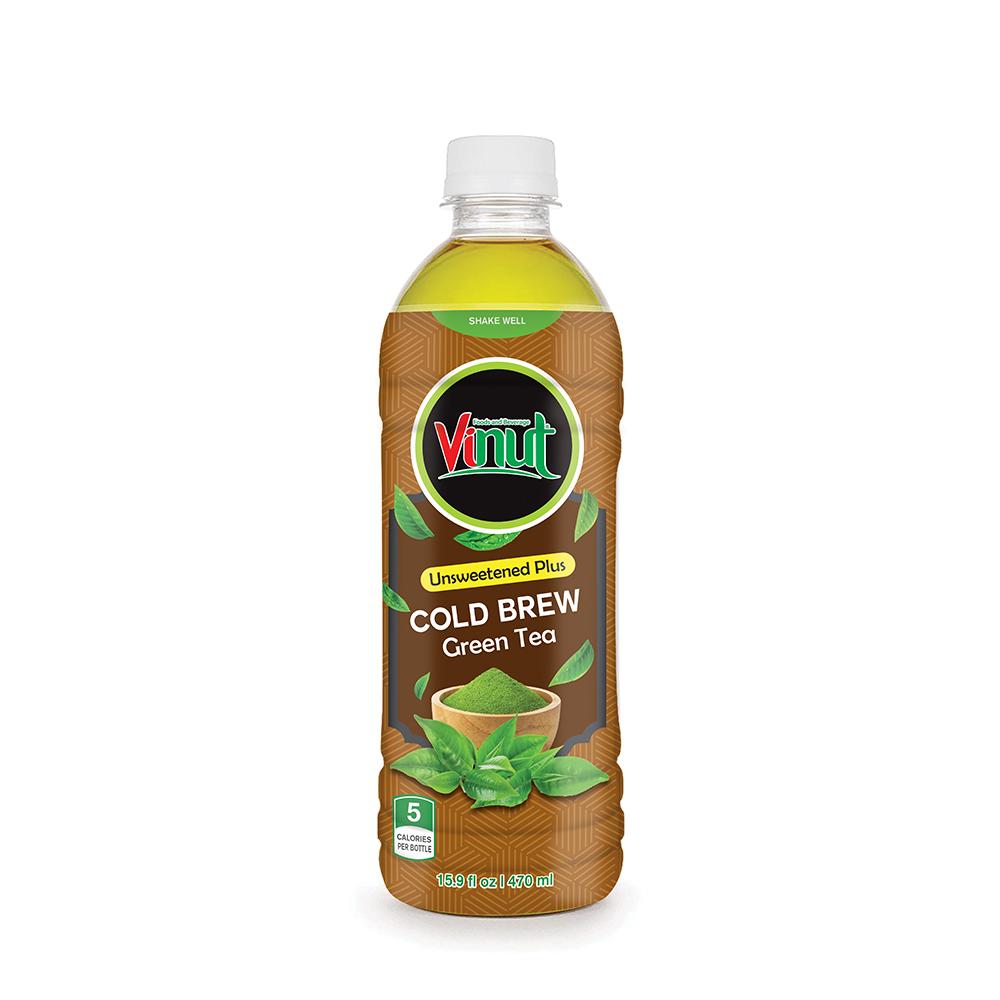
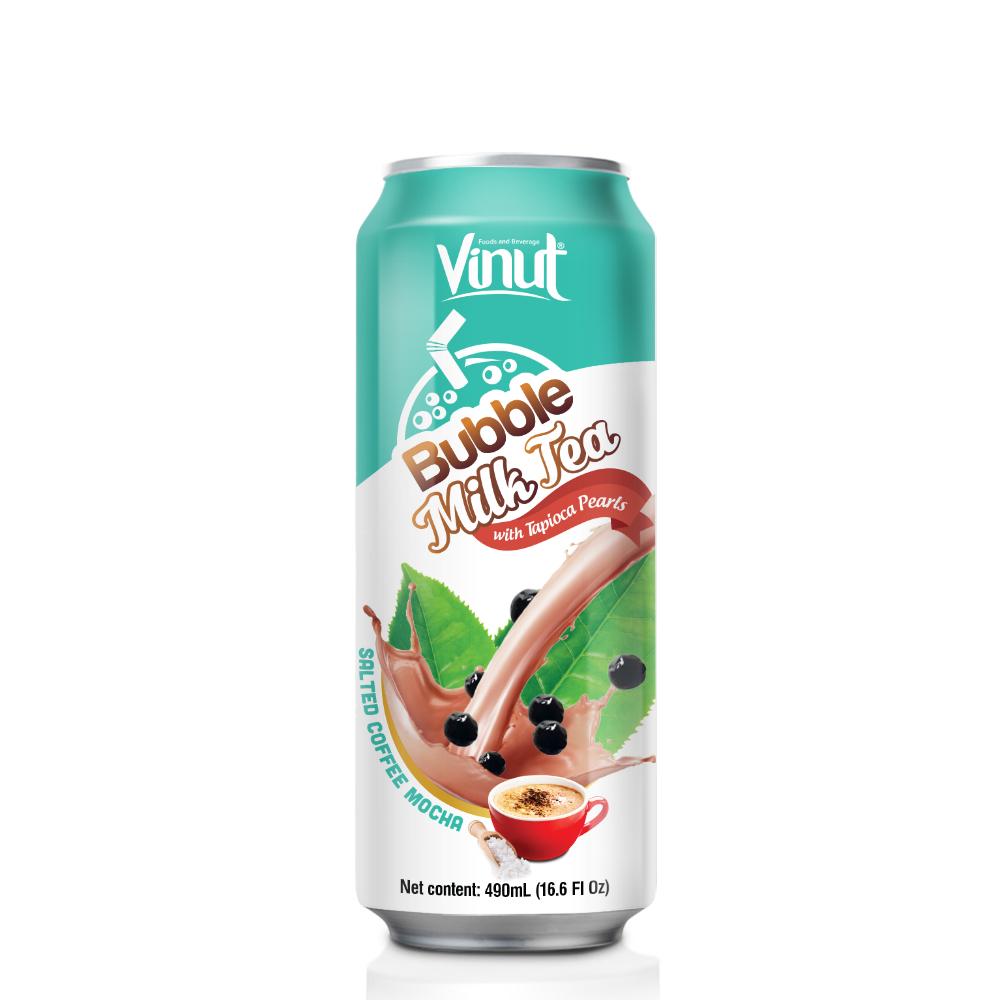
VINUT Tea offers a variety of RTD tea solutions, including green tea, black tea, lemon tea, and peach tea in PET bottles and aluminum cans, helping beverage buyers develop refreshment-focused product portfolios alongside coffee-based energy offerings.
VINUT products
Explore related drinks
View ingredients, sizes and packaging.
FAQ
Are RTD tea and coffee direct competitors?
They compete for shelf space and consumer attention, but they can also complement each other in a beverage portfolio as they often serve different consumption occasions.
How can RTD tea and coffee complement each other in a retail portfolio?
Coffee can address morning routines, productivity, and energy needs, while tea supports all-day refreshment, lower-sugar lifestyles, and lighter caffeine consumption. Offering both allows retailers to satisfy a wider range of consumer preferences, and tea can also serve as a softer alternative for younger or health-conscious consumers who don't regularly drink coffee.
What principles help build a balanced RTD tea and coffee portfolio?
Key principles include starting with consumer occasions rather than product type, using coffee for energy-focused needs and tea for refreshment and wellness, offering flavor diversity across both categories, evaluating operational factors like packaging and logistics, ensuring regulatory compliance for functional claims, and exploring cross-merchandising opportunities in chilled beverage displays.
Do RTD tea and coffee preferences vary by region?
Yes. Asia shows strong demand for green tea and fruit tea alongside expanding cold brew coffee culture. The Middle East favors low-sugar tea and premium coffee. Europe prioritizes clean-label and sustainable products. The U.S. drives demand for iced tea, zero-sugar beverages, and cold brew coffee. Southeast Asia remains strong for affordable PET-packaged tea and RTD milk coffee.
Where do RTD tea and coffee converge as beverage categories?
They converge in four main areas: shared demand for on-the-go convenience, overlapping functional positioning (coffee for energy, tea for refreshment and light caffeine), the growing cold beverage culture that blurs the line between iced coffee and iced tea, and shared innovation in PET bottle and aluminum can packaging.
Where do RTD tea and coffee compete for the same consumers?
They compete primarily in four areas: limited retail shelf space, caffeine expectations (coffee generally offers a stronger caffeine experience), differing flavor preferences (tea leans toward lemon, peach, and botanical blends; coffee toward latte, mocha, and cold brew), and consumption occasions, since coffee dominates mornings while tea performs well throughout the day.
Why are ready-to-drink (RTD) tea and coffee so popular with modern consumers?
Consumers increasingly seek convenient, portable beverages that fit into busy lifestyles and offer functional benefits, all of which RTD tea and coffee provide.
What key market forces are driving both the RTD tea and coffee categories?
Both categories are driven by the consumer demand for convenience, the expansion of modern retail channels like convenience stores and e-commerce, and their shared role as popular caffeinated beverages.
How can RTD tea brands differentiate themselves without imitating coffee?
Rather than positioning tea as a coffee substitute, successful RTD tea brands emphasize what makes tea distinct: refreshing taste profiles, a lighter caffeine experience, tea heritage and authenticity, food pairing versatility, lower-sugar positioning, and everyday wellness appeal.
About this article
The VINUT editorial team publishes articles about beverage ingredients, product characteristics, and practical information for readers and international buyers.