
Buyer Briefing
5 min read · 955 words
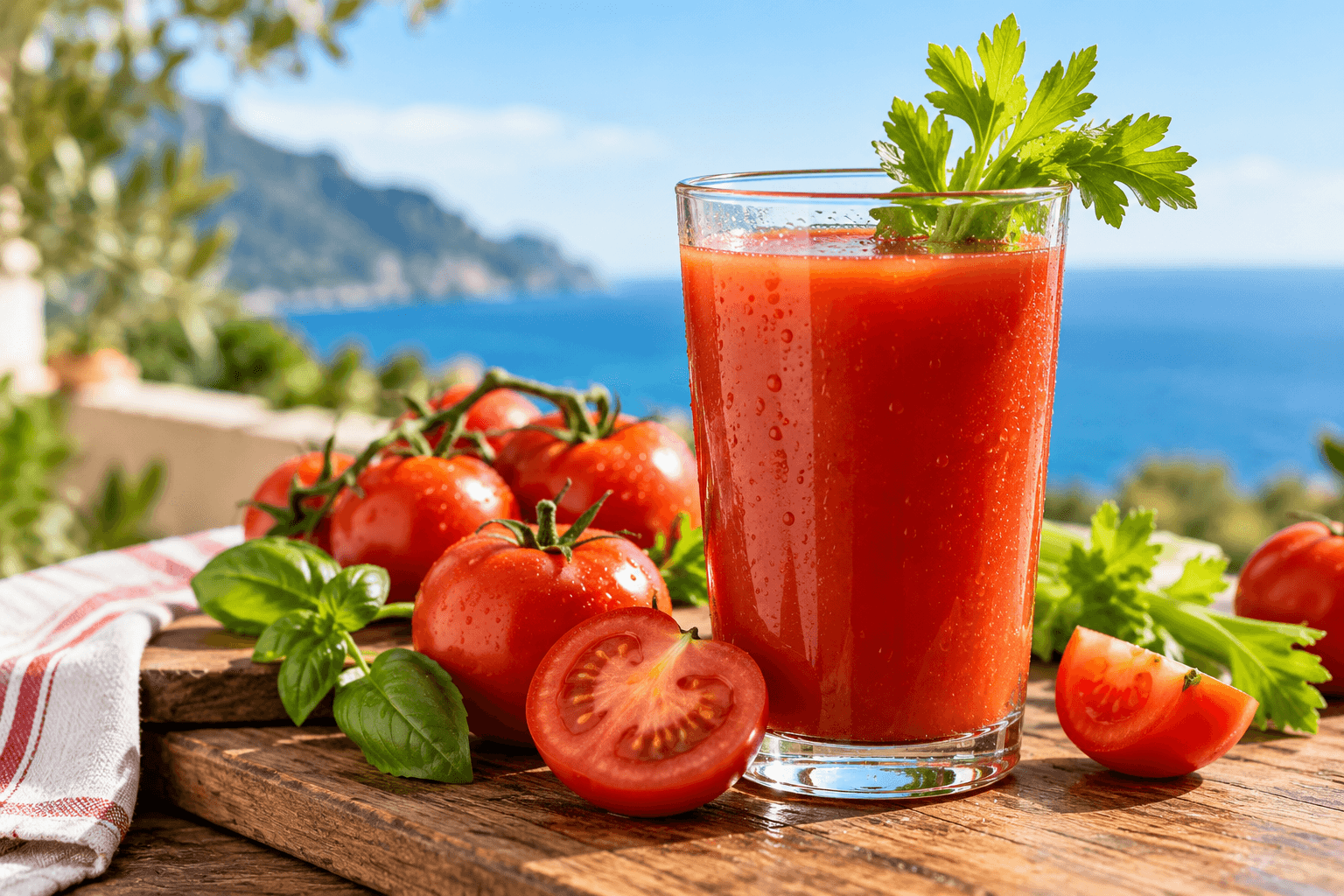
Tomato juice benefits come from its rich nutritional profile, including vitamin C, potassium, lycopene, and other naturally occurring plant compounds. Drinking tomato juice as part of a balanced diet may support antioxidant intake and cardiovascular health while providing a refreshing alternative to many sweetened beverages. Choosing unsalted or lower-sodium options without unnecessary added sugar can help you make a better everyday choice.
- Tomato juice benefits are linked to its vitamins, minerals, lycopene, and other plant compounds.
- Tomato juice provides nutrients such as vitamin C and potassium.
- Lycopene contributes to the antioxidant properties of tomatoes and tomato-based products.
- Tomato juice may support cardiovascular health as part of an overall balanced diet.
- Unsalted or lower-sodium varieties can be useful for people monitoring sodium intake.
- Check nutrition and ingredient labels for sodium, added sugar, and serving size when choosing tomato juice.
Tomato juice benefits go beyond its refreshing and savory flavor. Made from nutrient-rich tomatoes, this beverage provides vitamins, minerals, and naturally occurring plant compounds that can complement a balanced diet.
Processing tomatoes into juice may also make certain compounds, particularly lycopene, more available for the body to absorb. From providing essential nutrients to supporting cardiovascular health, tomato juice offers several reasons to add it to your summer beverage rotation.
When choosing packaged tomato juice, check the nutrition and ingredient labels, as sodium, added sugar, and other ingredients can vary significantly between products.
I/ Provides Essential Vitamins and Minerals
One of the main reasons to enjoy tomato juice is its nutritional profile. Tomatoes naturally provide a variety of vitamins, minerals, and plant compounds while remaining relatively low in calories.
Depending on the product and serving size, tomato juice can provide nutrients such as vitamin C, vitamin A precursors, potassium, folate, vitamin K, and several B vitamins.
Vitamin C and Other Essential Nutrients
Vitamin C contributes to normal immune function and helps the body absorb iron from plant-based foods. Tomato juice also contains carotenoids that can contribute to vitamin A intake, along with other micronutrients involved in normal body functions.
Potassium for a Balanced Diet
Tomato juice is also a source of potassium, an essential mineral involved in normal muscle and nerve function and the maintenance of normal blood pressure.
However, sodium content can vary considerably among packaged tomato juices. If sodium intake is a concern, comparing nutrition labels and choosing lower-sodium varieties can be useful.
II/ Provides Lycopene and Other Antioxidants
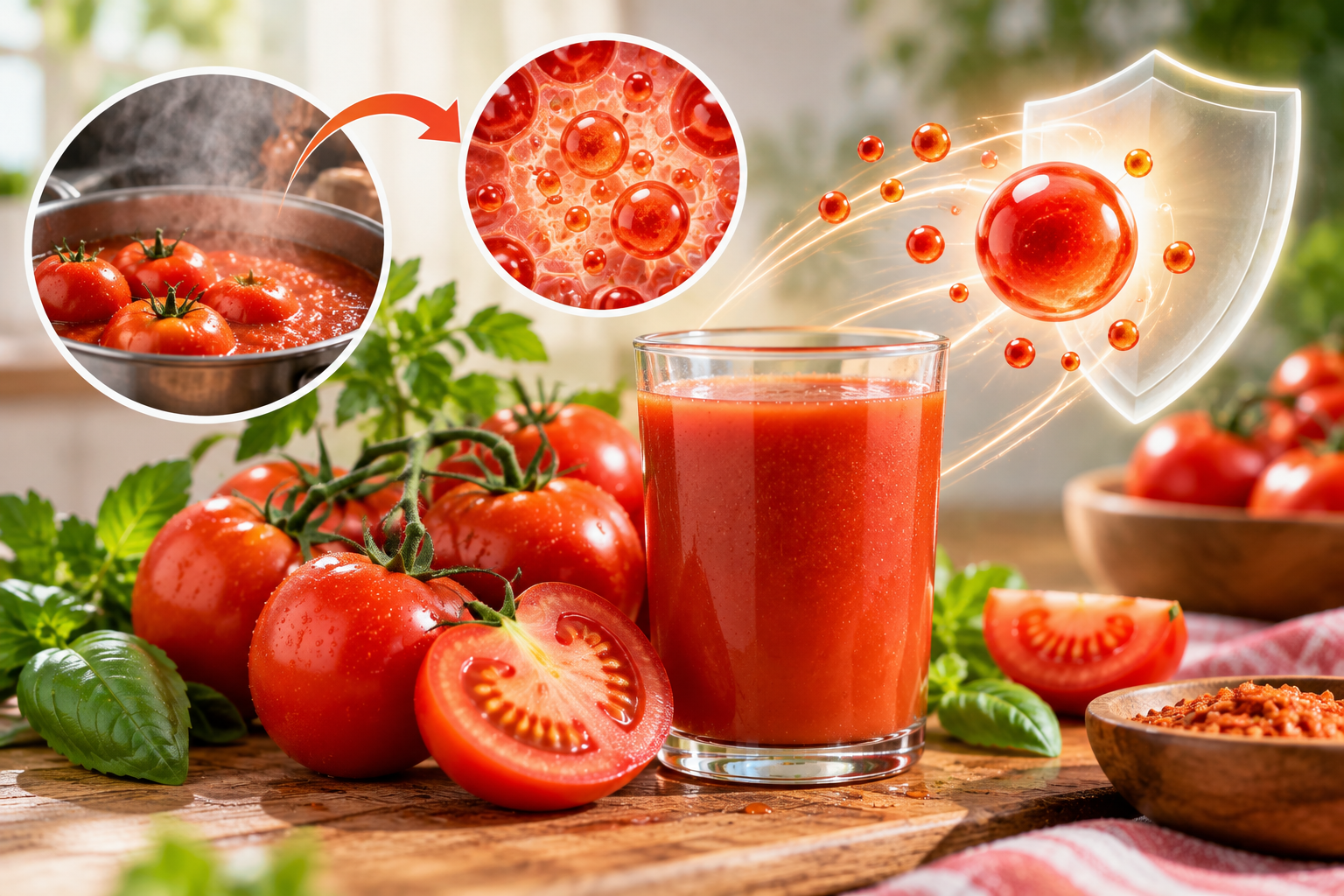
One of the most notable compounds found in tomatoes is lycopene, a carotenoid responsible for much of their characteristic red color.
Lycopene acts as an antioxidant and has been widely studied for its potential role in protecting cells from oxidative stress.
Why Processed Tomatoes Are Interesting
Processing and heating tomatoes can break down their cellular structure, making lycopene more accessible. For this reason, processed tomato products such as tomato juice can be useful dietary sources of lycopene.
The amount available for absorption can still depend on factors such as processing methods, the overall meal, and individual differences.
More Than Just Lycopene
Tomatoes also provide other naturally occurring compounds, including beta-carotene and various phenolic compounds. Together, these contribute to the antioxidant profile of tomato-based foods and beverages.
III/ May Support Heart Health
Tomato juice contains several nutrients and plant compounds that have been studied in relation to cardiovascular health, particularly potassium and lycopene.
Potassium and Blood Pressure
Potassium plays an important role in maintaining fluid balance and normal blood pressure. Including potassium-containing foods and beverages as part of an overall balanced diet can contribute to cardiovascular health.
Because some commercial tomato juices can contain relatively high amounts of sodium, choosing an unsalted or reduced-sodium product may be preferable for people monitoring their sodium intake.
Lycopene and Cardiovascular Health
Research has also explored associations between tomato and lycopene consumption and cardiovascular health markers.
Some studies have investigated potential relationships with blood pressure, blood lipids, inflammation, and other cardiovascular factors. However, tomato juice should be considered part of an overall healthy dietary pattern rather than a treatment for cardiovascular conditions.
IV/ May Support the Body Against Oxidative Stress
Tomatoes contain antioxidants, including lycopene and vitamin C, that help protect cells against oxidative stress.
Oxidative stress occurs when there is an imbalance between free radicals and the body's antioxidant defenses. Diets containing fruits and vegetables provide a variety of antioxidant and plant compounds that contribute to overall nutrition.
Lycopene and Cellular Health
Lycopene has been studied extensively for its potential effects on cellular processes and inflammation. Laboratory, observational, and clinical research continues to explore how tomato-derived compounds may relate to long-term health.
However, evidence about specific disease-prevention effects remains an active area of research. Tomato juice should therefore not be considered a method of preventing or treating diseases such as cancer.
V/ Can Be a Refreshing Addition to a Balanced Diet
Summer often calls for cold, convenient drinks, and tomato juice provides an alternative to many heavily sweetened beverages.
Its savory flavor and nutrient content make it suitable for different occasions, whether enjoyed chilled on its own or incorporated into meals.
A Convenient Summer Beverage
Tomato juice can be served cold with ice or paired with meals as a simple way to incorporate tomato-based foods into your diet.
For the best choice, look for products with a straightforward ingredient list and compare their sugar and sodium content.
Can Tomato Juice Help With Weight Management?
Tomato juice has also been studied in the context of inflammation and metabolic health. Some small studies have investigated its effects on inflammatory markers and other metabolic factors.
However, drinking tomato juice alone does not cause weight loss. Sustainable weight management depends on overall calorie intake, dietary patterns, physical activity, sleep, and other lifestyle factors.
Choosing unsweetened tomato juice instead of some higher-calorie, sugar-sweetened beverages may simply help it fit into a balanced eating pattern.

How to Choose a Better Tomato Juice
Not all tomato juice products have the same nutritional profile. When shopping, consider the following:
Check the tomato content: Look for products in which tomato juice is the primary ingredient.
Watch the sodium: Compare labels and consider lower-sodium or unsalted varieties.
Check for added sugar: Choose options without unnecessary added sweeteners when possible.
Review the serving size: Nutritional values should always be considered in relation to the serving size.
Read the ingredient list: A simpler ingredient list can make it easier to understand what you are drinking.
Conclusion
Tomato juice can be a refreshing and nutrient-rich addition to your summer beverage choices. It provides vitamins, minerals, potassium, lycopene, and other naturally occurring plant compounds while offering a distinctive savory alternative to sweeter drinks.
Its potential benefits are best viewed as part of a balanced diet rather than as standalone health effects. Choose a tomato juice that suits your dietary needs, pay attention to sodium and added sugar, and enjoy it chilled as a simple way to bring the flavor of tomatoes into your summer routine.
FAQ
1. What Are the Main Benefits of Tomato Juice?
Tomato juice provides essential nutrients such as vitamin C and potassium, along with lycopene and other antioxidant compounds. These nutrients may contribute to normal immune function, cardiovascular health, and protection against oxidative stress as part of a balanced diet.
2. Is It Good to Drink Tomato Juice Every Day?
Tomato juice can be included regularly as part of a balanced diet. However, packaged products can vary in sodium, sugar, and other ingredients, so it is important to check the nutrition and ingredient labels and consider appropriate serving sizes.
3. Is Tomato Juice a Good Source of Lycopene?
Yes. Tomatoes and processed tomato products are dietary sources of lycopene, the carotenoid responsible for their red color. Processing tomatoes can also make lycopene more available for the body to absorb.
About this article
The VINUT editorial team publishes articles about beverage ingredients, product characteristics, and practical information for readers and international buyers.