
Buyer Briefing
3 min read · 553 words
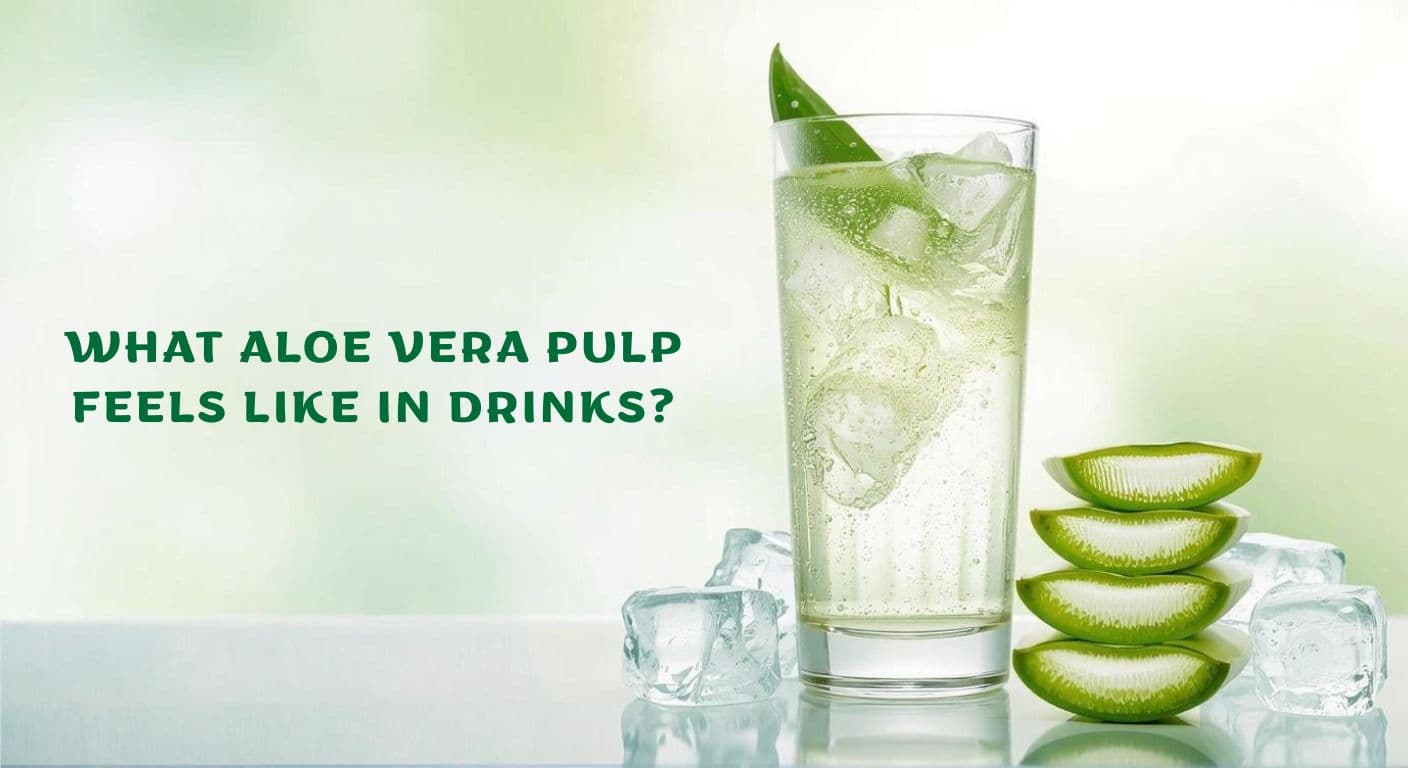
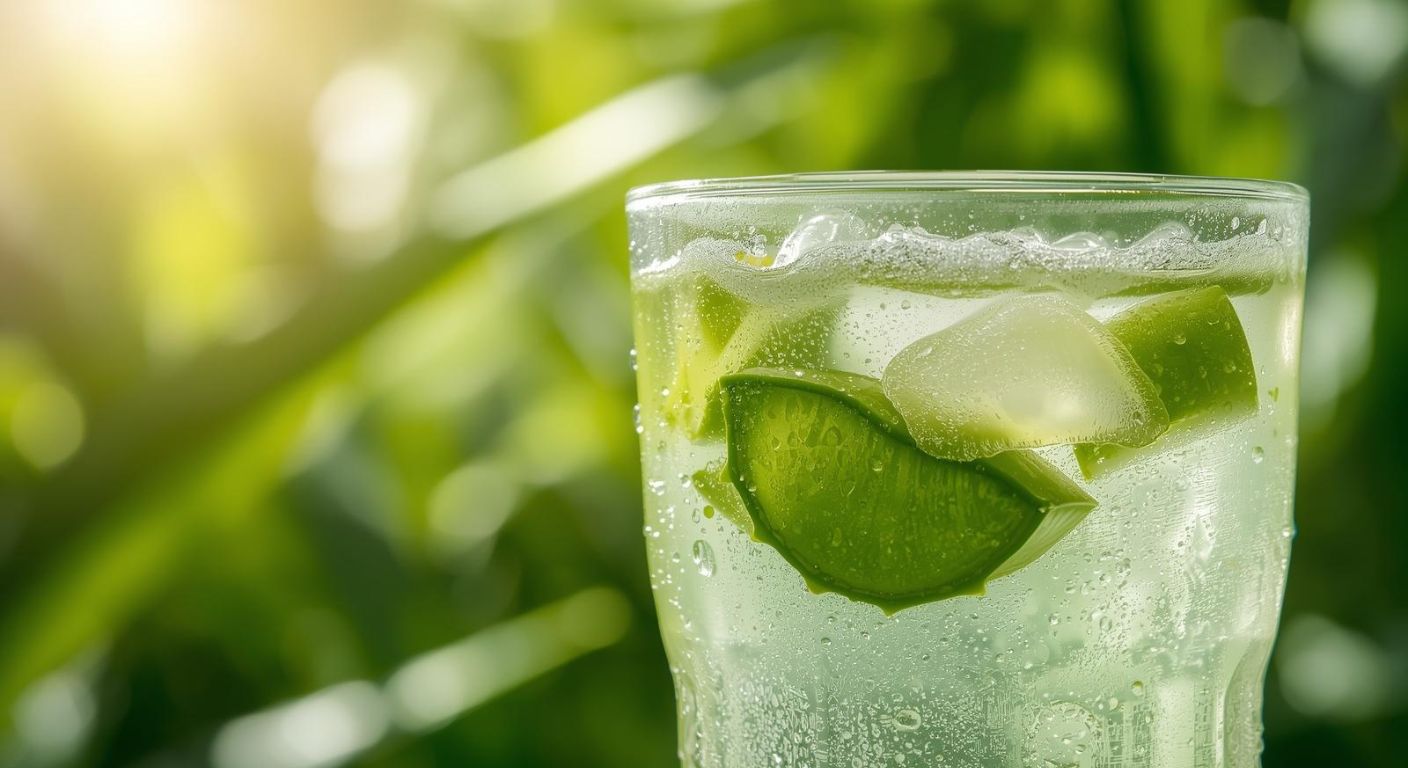
Aloe vera pulp in drinks feels like soft, chewy, gel-like cubes suspended in the liquid. The texture is slightly firm yet gentle, often compared to nata de coco or soft fruit bits, but with a lighter and more refreshing mouthfeel. This unique combination provides a multi-layered sensory experience, adding a pleasant, natural texture to the beverage that complements its refreshing taste.
- Expect a soft, slightly chewy texture, similar to coconut jelly but much softer.
- Enjoy the cool and refreshing mouthfeel of natural aloe vera pulp in every sip.
- If you like bubble tea or pulp juice, you'll likely enjoy aloe vera's texture.
- Discover a multi-layered drinking experience where texture is as important as flavor.
- The pulp provides a gentle, natural feel, unlike sugary or heavy drink additions.
Aloe vera drinks have become increasingly popular in the functional beverage market, not only for their refreshing taste but also for their unique texture. One of the most distinctive features is the presence of aloe vera pulp. For first-time drinkers, a common question arises: what does aloe vera pulp actually feel like in drinks? Understanding this sensory experience can help you decide whether it suits your preferences.
1. The Unique Texture of Aloe Vera Pulp
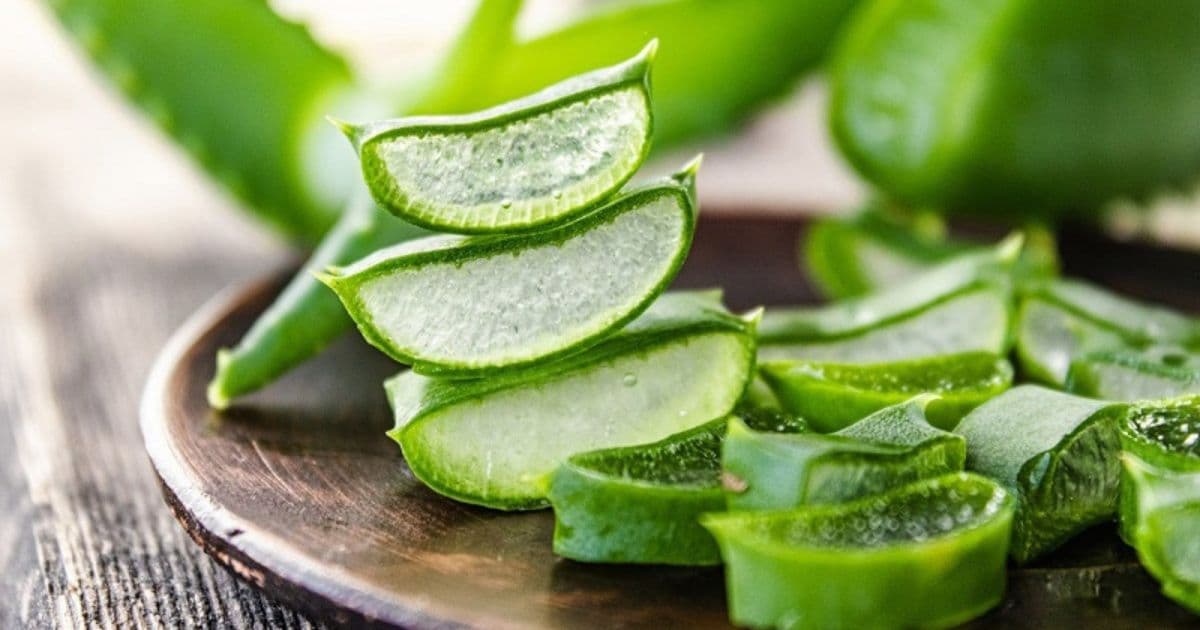
Aloe vera pulp is made from the inner gel of the aloe leaf, which is cut into small, soft cubes and suspended in liquid. When you take a sip, you’ll notice a combination of smooth liquid and gentle, chewy bits. The pulp itself is often described as:
Soft and slightly firm: It’s not as tough as jelly but has more structure than juice.
Lightly chewy: Similar to nata de coco or soft fruit bits in beverages.
Cool and refreshing: Especially when the drink is served chilled.
This combination creates a multi-layered drinking experience, where texture plays just as important a role as flavor.
2. How It Compares to Other Drink Textures
If you’ve tried beverages with added textures before, aloe vera pulp might feel familiar. It shares similarities with:
Bubble tea toppings (like coconut jelly, but softer)
Fruit pulp juices (such as orange juice with pulp, but more defined)
Gel-based desserts (though less sticky and more watery)
However, aloe vera pulp is lighter and less sugary in texture compared to many of these alternatives, making it feel more natural and less heavy on the palate.
3. Why Some People Love It (and Others Don’t)
Texture preferences are highly personal. Many people enjoy aloe vera pulp because it adds interest and makes the drink feel more satisfying. The gentle chew can slow down consumption and enhance the refreshing effect.
On the other hand, some first-time drinkers may find the texture unusual or unexpected, especially if they are used to completely smooth beverages. In such cases, trying smaller amounts or shaking the drink well can help ease into the experience.
4. Tips for First-Time Drinkers
If you’re curious about aloe vera pulp, here are a few tips to improve your first experience:
Start with chilled drinks for a more refreshing texture
Shake before drinking to evenly distribute the pulp
Take small sips at first to get used to the mouthfeel
Over time, many people find that the texture becomes more enjoyable and even a reason to choose aloe vera drinks over standard options.
→ Read more: Tamarind Juice FAQ for Importers, Distributors, and Retail Buyers
5. FAQ About Aloe Vera Pulp in Drinks
Q: Is aloe vera pulp supposed to be chewy?
A: Yes, aloe vera pulp naturally has a soft, slightly chewy texture that comes from the plant’s inner gel.
Q: Does aloe vera pulp change the taste of the drink?
A: Not significantly. The pulp is quite mild in flavor, so it mainly adds texture rather than altering taste.
Q: Is it safe to consume aloe vera pulp in drinks?
A: When properly processed for food use, aloe vera pulp is safe to consume and commonly used in beverages worldwide.
6. Conclusion
Aloe vera pulp offers a unique drinking experience that goes beyond taste. Its soft, lightly chewy texture adds depth and refreshment, making aloe vera drinks stand out in a crowded beverage market. While it may feel unusual at first, understanding what to expect can help you appreciate this distinctive feature and decide if it’s right for you.
FAQ
What does aloe vera pulp feel like in a drink?
Aloe vera pulp feels like soft, slightly firm, and lightly chewy bits suspended in the liquid, creating a cool and refreshing multi-layered drinking experience.
How does the texture of aloe vera pulp compare to other drink additions?
It is similar to softer versions of bubble tea toppings like coconut jelly or the defined pieces in fruit pulp juices, but it's generally lighter and less heavy on the palate.
Is aloe vera pulp like jelly?
It has more structure than juice but is not as tough as jelly. The pulp is softer, more watery, and less sticky than typical gel-based desserts.
About this article

The VINUT editorial team publishes articles about beverage ingredients, product characteristics, and practical information for readers and international buyers.