Buyer Briefing
5 min read · 962 words
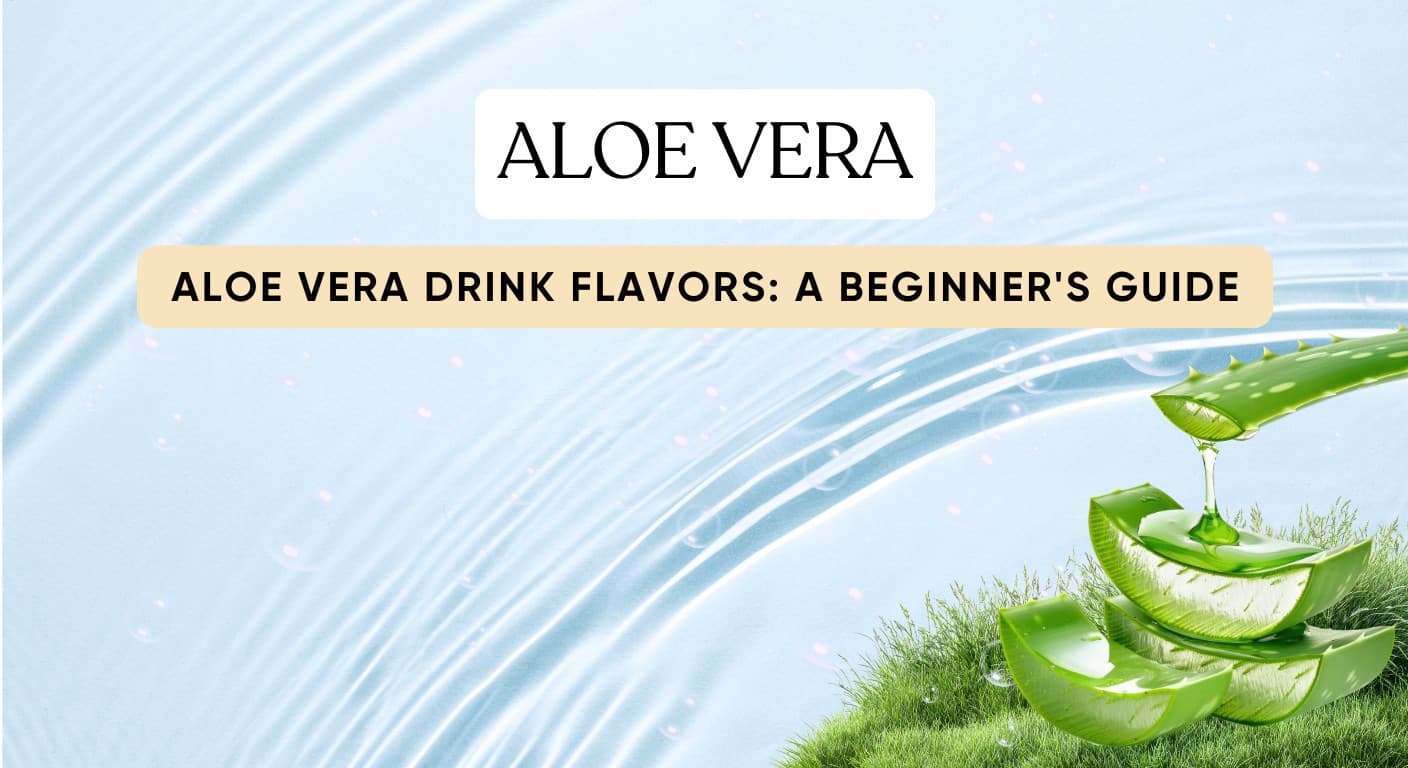
Choose an aloe vera drink by flavour preference and whether you want aloe pulp, then check the exact product label for ingredients, sugars and serving information. Product names alone do not establish a recipe or health benefit.
- Pick a familiar fruit flavour or original to build a shortlist.
- Check whether the particular drink includes pulp.
- Use the same serving basis to compare declared sugar information.
- Confirm actual ingredients from the market-specific label.
To choose an aloe vera drink, start with a flavour you already enjoy, decide whether you want pieces of aloe pulp, and compare the ingredients on the actual bottle. An original-flavour drink and a mango- or lychee-flavoured option are different ways into the same beverage category, but the flavour name alone does not reveal their sweetness or formula.
This guide helps first-time shoppers compare flavour directions without assuming that every aloe vera drink tastes alike. It focuses on finished packaged beverages, not raw aloe leaves, skincare gel or supplements.
What Is an Aloe Vera Drink?
An aloe vera drink is a prepared beverage made with aloe-related ingredients. Some varieties include soft pieces of aloe pulp, while others are presented as smoother drinks. The ingredient list, recipe and packaging determine what is actually in a particular product.
VINUT's Aloe Vera Drink category shows both original and fruit-flavoured options. For example, its original with-pulp product page identifies pulp as a feature. That product listing is an example of one variation, not a specification for the entire range.
A drink with visible pieces may feel different from a smooth bottled beverage. If texture matters to you, this is a more useful first distinction than simply choosing the most colourful label.
Compare Original and Fruit-Flavoured Options
Think of the flavours below as shopping directions rather than tested taste descriptions. A mango name tells you which flavour the product is presented around, not the exact intensity, fruit-juice content or sugar level.
Original: Focus on the Aloe Drink Format
An original-labelled option is a sensible comparison point when you want to explore the beverage format itself. Check whether that specific product includes pulp. Original does not automatically mean unsweetened, unflavoured in every respect, or nutritionally superior.
Mango and Strawberry: Start with a Familiar Fruit Name
If mango or strawberry drinks are familiar to you, those names can make it easier to shortlist a first aloe vera beverage. VINUT lists fruit-flavoured aloe vera products in its catalogue. The listed name alone cannot establish how much fruit ingredient is used, whether a particular fruit juice is present, or how sweet the final drink will be.
Lychee and Other Fruit Variations: Explore Another Direction
Lychee is another named variation in the VINUT range. You might select it simply because you enjoy lychee-flavoured foods and drinks. That is a preference-based choice, not a claim that the finished product has a particular aroma or is more popular in a specific market.
Try this shortlist: compare one original-labelled drink with one fruit-flavoured drink, then read both ingredient lists before deciding which to buy. Product examples are a starting point, not a substitute for the market-specific label.

How Pulp Changes the Choice
For some people, the important difference is not mango versus lychee but smooth liquid versus pieces in the drink. A product described as with pulp signals that pieces form part of the beverage experience. It does not, by itself, confirm an exact aloe percentage, a nutritional benefit or the size of each piece in the bottle you purchase.
When browsing online, use the product name and any approved product details to identify a with-pulp variant. At the shop, check the packaging and visible contents if available. Do not assume every bottle within the same flavour family has the same texture.
If you are mainly wondering whether that unfamiliar texture will suit your first sip, see the separate first-taste guide to aloe vera drinks. Here, the decision is which flavour and format to compare, rather than whether the category is an acquired taste.
Read the Label Before Comparing Two Bottles
Once you have a flavour shortlist, use the label to resolve questions that product names cannot answer. A short, consistent reading routine avoids comparing marketing impressions instead of actual products.
- Identify the exact product. Note the product name, variant, pack size and intended market. Two products with similar fruit images may have different formulations.
- Read the ingredient list. Look for how aloe ingredients, fruit ingredients and flavourings are named. For U.S.-labelled foods, the FDA explains that ingredients generally appear in descending order by weight, subject to applicable exceptions.
- Check serving information. Compare nutrition figures only using an equivalent quantity. A bottle containing more than one serving can make a quick per-bottle comparison misleading.
- Compare sugar information where shown. On a U.S. Nutrition Facts panel, Total Sugars and Added Sugars are distinct entries. Use the declared amounts for the same serving basis rather than assuming a fruit-flavoured drink is sweeter.
- Follow the package directions. Use the specific label for storage and serving instructions, particularly after opening. Do not transfer instructions from another bottle.
The U.S. FDA's Nutrition Facts guide explains serving sizes and sugar declarations in that market. For a product sold elsewhere, refer to its approved local-market label rather than applying U.S. labelling format universally.
A Simple First-Bottle Decision
Before buying, answer three questions. Which flavour name appeals to you? Do you want pulp in the drink? Which of the shortlisted bottles has an ingredient and nutrition declaration that matches what you are looking for?
If flavour is your main priority, shortlist two named variations. If texture is your priority, start by comparing with-pulp and smoother options. If you want to compare sugar or specific ingredients, the label should decide, not a general ranking of fruit flavours.
There is no verified universal best-seller or healthiest aloe vera drink in this guide. Your preferred choice depends on the exact product and your own priorities, and different markets may carry different labels or variants.
Browse VINUT Aloe Vera Drinks to find original and fruit-flavoured examples, then open the relevant product detail page for a closer look. A useful first choice is one made from a familiar flavour, an acceptable texture and information you have actually checked.
VINUT products
Explore related drinks
View ingredients, sizes and packaging.
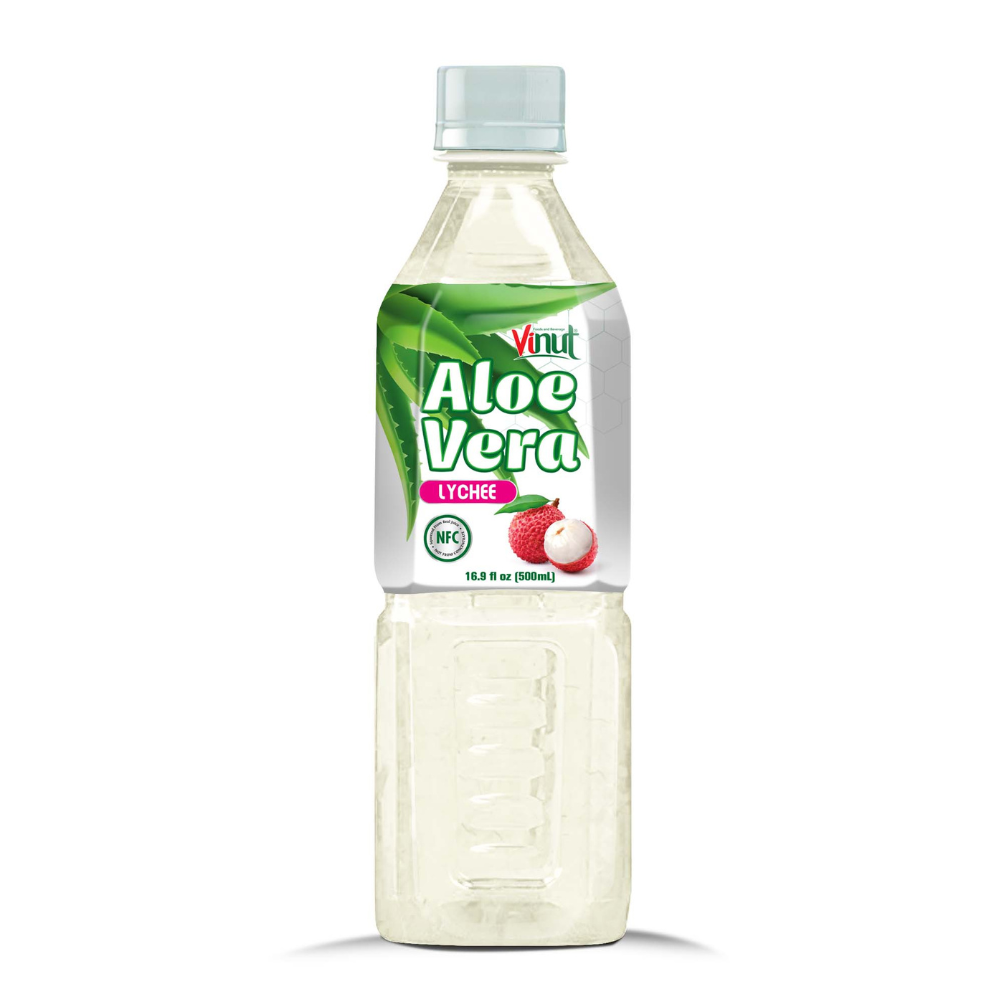
VINUT Aloe Vera – Lychee, 500 mL
500 mL · PET bottle
View product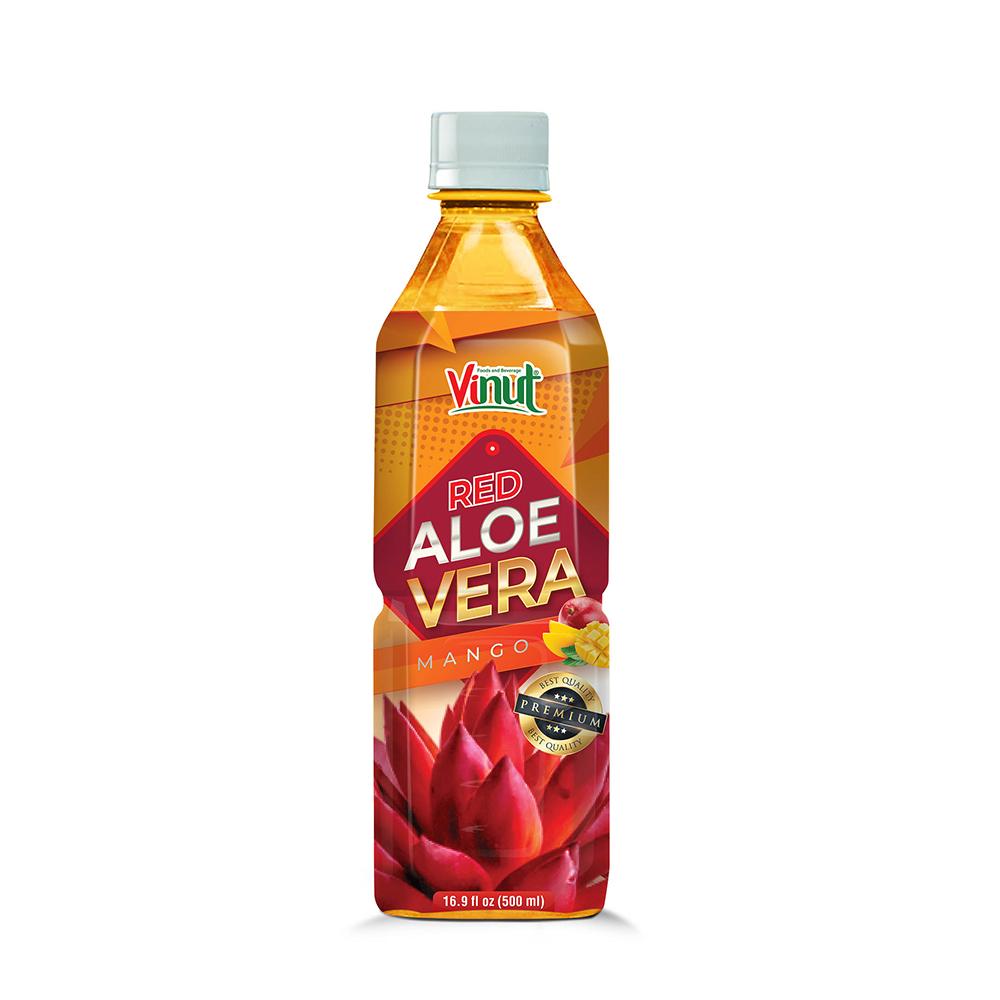
16.9 fl oz VINUT Premium Aloe Vera drink with Mango
500ml · bottle
View product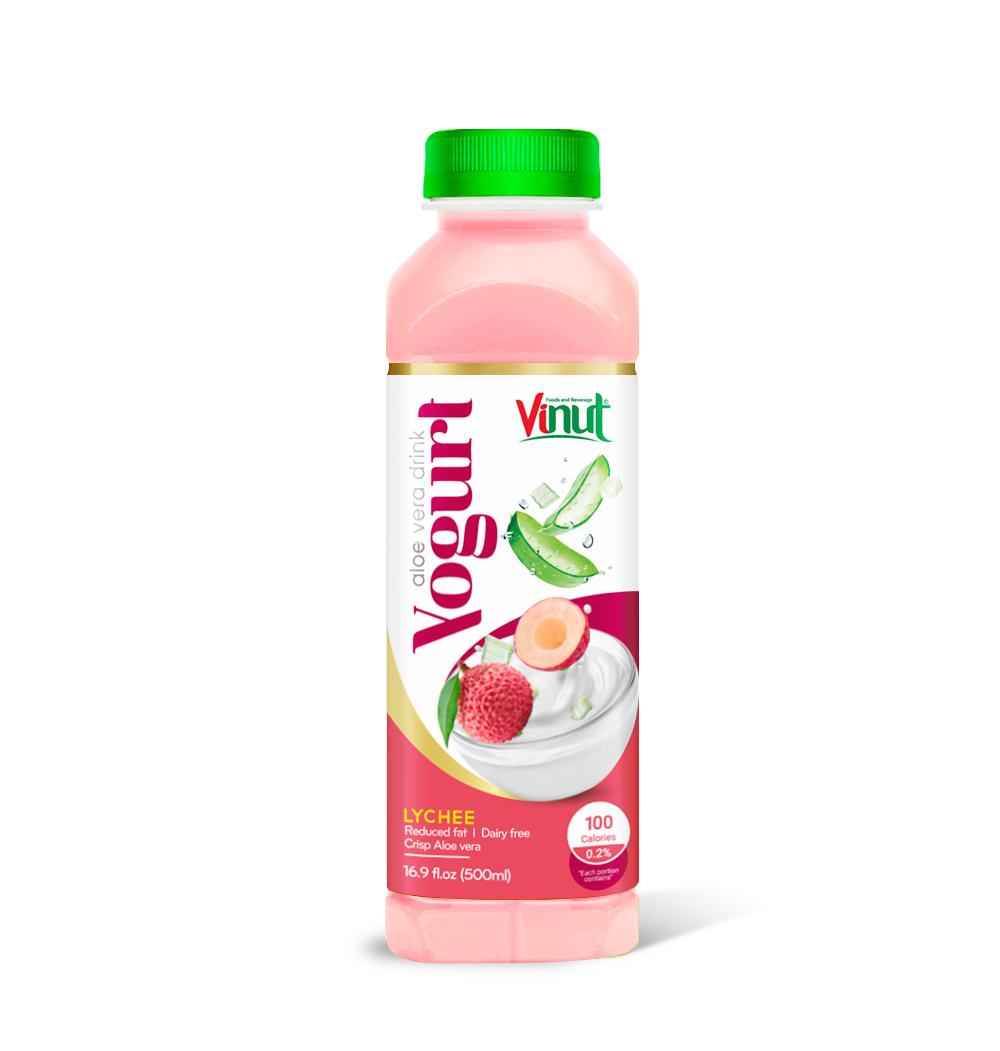
Vinut Lychee Yogurt Aloe Vera Drink, Reduced Fat, Dairy Free, Crisp Aloe Vera, 100 Calories, PP Bottle, 16.9 fl oz (500 mL)
16.9 fl oz (500 mL) · PP Bottle
View product
FAQ
Which flavour should a first-time aloe vera drink shopper compare?
Begin with an appealing familiar flavour and one contrasting option, such as an original-labelled drink. Compare the two specific labels rather than assuming one is best for everyone.
Do all aloe vera drinks contain pulp?
No. Product formats and formulations can differ. Look for a with-pulp description on the exact product and confirm its current label.
Does a mango-flavoured aloe drink necessarily contain mango juice?
No. The flavour name alone does not establish a juice ingredient or a juice percentage. Review the actual ingredients and any applicable juice declaration.
Does original flavour mean no added sugar?
No. Original is a flavour or variant name, not a sugar-content claim. Check the applicable nutrition and ingredient information for that bottle.
Can a retailer use one aloe vera product label for every destination?
Not without checking. Labels and specifications need to match the product variant and the rules of the intended market.
About this article
The VINUT editorial team publishes articles about beverage ingredients, product characteristics, and practical information for readers and international buyers.