

Buyer Briefing
9 min read · 1,809 words
Ramadan is the ninth month of the Islamic lunar calendar, observed by Muslims as a time of fasting, worship, self-discipline, charity, and reflection. During Ramadan, Muslims who are able to fast abstain from food and drink from dawn until sunset. They eat before dawn during Suhoor and break their daily fast after sunset with Iftar. Lasting 29 or 30 days, Ramadan concludes with Eid al-Fitr, a celebration centered on prayer, family, and community.
- Ramadan is the ninth month of the Islamic lunar calendar and a significant period of worship and reflection for Muslims.
- Muslims who fast abstain from food and drink from dawn until sunset, then eat and drink during the nighttime hours.
- These meals mark the beginning and end of each day's fasting period.
- Ramadan emphasizes prayer, charity, gratitude, self-discipline, and stronger family and community connections.
- Ramadan concludes with Eid al-Fitr, a festival marking the completion of the fasting month.
Listen to the article summary
AI-generated voice · English · 2:33
Read transcript
Ramadan is the ninth month of the Islamic lunar calendar, observed by Muslims worldwide as a significant period of worship, self-discipline, reflection, charity, and community. It typically lasts 29 or 30 days, with its exact dates varying annually because the Islamic calendar follows the lunar cycle, making it occur approximately 10 to 11 days earlier each Gregorian year. During Ramadan, Muslims who are able to fast abstain from food and drink, including water, from dawn until sunset each day. This daily fast begins after a pre-dawn meal called Suhoor, which provides an opportunity to eat and drink before fasting hours. The fast is then broken after sunset with a meal known as Iftar. Beyond abstaining from food and drink, fasting also involves refraining from smoking, vaping, and marital sexual relations during these hours, and encourages greater discipline in behavior, such as avoiding lying or arguing. Fasting during Ramadan, known as Sawm, is one of the Five Pillars of Islam and holds deep religious significance. Muslims believe the Qur'an began to be revealed to the Prophet Muhammad during this month. Therefore, Ramadan is also a time for increased prayer, reading and reflecting on the Qur'an, performing charitable acts, spending time with family and community, and improving personal behavior. Not all Muslims are required to fast. Exemptions are provided for young children, people who are ill, some elderly individuals, travelers, menstruating women, and pregnant or breastfeeding women in certain circumstances. Those with medical conditions are advised to consult healthcare professionals, and specific religious guidance should be sought from an Islamic scholar. Daily routines during Ramadan involve waking early for Suhoor, continuing normal activities during the day while fasting, breaking the fast with Iftar at sunset, and often attending special nightly prayers called Taraweeh. The duration of the daily fast varies depending on geographic location and time of year, as it is tied to local sunrise and sunset patterns. Ramadan concludes with Eid al-Fitr, a festival marking the completion of the fasting month, celebrated with prayer, family gatherings, food, and festivities.
What is Ramadan? Ramadan is the ninth month of the Islamic lunar calendar and one of the most important periods of worship for Muslims around the world. During Ramadan, Muslims who are able to fast abstain from food and drink from dawn until sunset each day.
But Ramadan is about much more than not eating or drinking. It is a month centered on worship, self-discipline, reflection, charity, family and community.
For people who are unfamiliar with Ramadan, understanding how fasting works can make many Ramadan traditions, meals and daily routines much easier to understand.
1. Ramadan at a Glance
Ramadan is the ninth month of the Islamic, or Hijri, calendar.
It normally lasts 29 or 30 days.
Muslims who are required and able to fast do so from dawn until sunset.
No food or drink, including water, is consumed during fasting hours.
The pre-dawn meal is called Suhoor.
The meal eaten after sunset to break the fast is called Iftar.
Certain people may be exempt from fasting because of age, health or other circumstances.
Ramadan ends with the celebration of Eid al-Fitr.
2. What Is Ramadan?
Ramadan is a sacred month in Islam.
It takes place during the ninth month of the Islamic calendar, which follows the lunar cycle rather than the solar calendar used in most countries.
Because the lunar year is shorter than the Gregorian year, Ramadan occurs approximately 10 to 11 days earlier each Gregorian year.
The beginning and end of Ramadan are traditionally connected to the lunar calendar and the sighting of the new moon. For this reason, exact Ramadan dates may differ slightly between countries and communities.
A Ramadan month can last either 29 or 30 days.
3. Why Is Ramadan Important to Muslims?
Ramadan has deep religious significance.
Muslims believe that the Qur'an began to be revealed to the Prophet Muhammad during Ramadan. The month therefore has a strong connection with worship, reading and reflecting on the Qur'an.
Fasting during Ramadan, known in Arabic as Sawm, is also one of the Five Pillars of Islam.
For Muslims, fasting is not simply a change in eating habits. It is an act of worship intended to encourage self-control, patience, gratitude and greater awareness of God.
During Ramadan, many Muslims also devote additional time to:
Prayer
Reading and reflecting on the Qur'an
Charity and helping people in need
Spending time with family and community
Self-reflection
Improving personal behavior
Asking for forgiveness
This broader spiritual context is important when understanding Ramadan fasting.
4. How Does Ramadan Fasting Work?
During Ramadan, Muslims who are fasting begin their daily fast at dawn and continue until sunset.
During these fasting hours, they refrain from:
Eating
Drinking
Smoking and vaping
Marital sexual relations
The fast is also associated with greater discipline in behavior. Muslims are encouraged to avoid actions such as lying, arguing, insulting others and other behavior considered inconsistent with the spiritual purpose of Ramadan.
At sunset, the daily fast ends and food and drinks can be consumed again.
The same cycle is repeated each day throughout Ramadan.
5. Can You Drink Water While Fasting During Ramadan?
No.
During the daily Ramadan fast, Muslims who are fasting do not consume water or other drinks between dawn and sunset.
This makes Ramadan fasting different from some modern forms of intermittent fasting in which water may still be allowed.
Hydration therefore takes place during the non-fasting period between sunset and the following dawn.
6. What Is Suhoor?
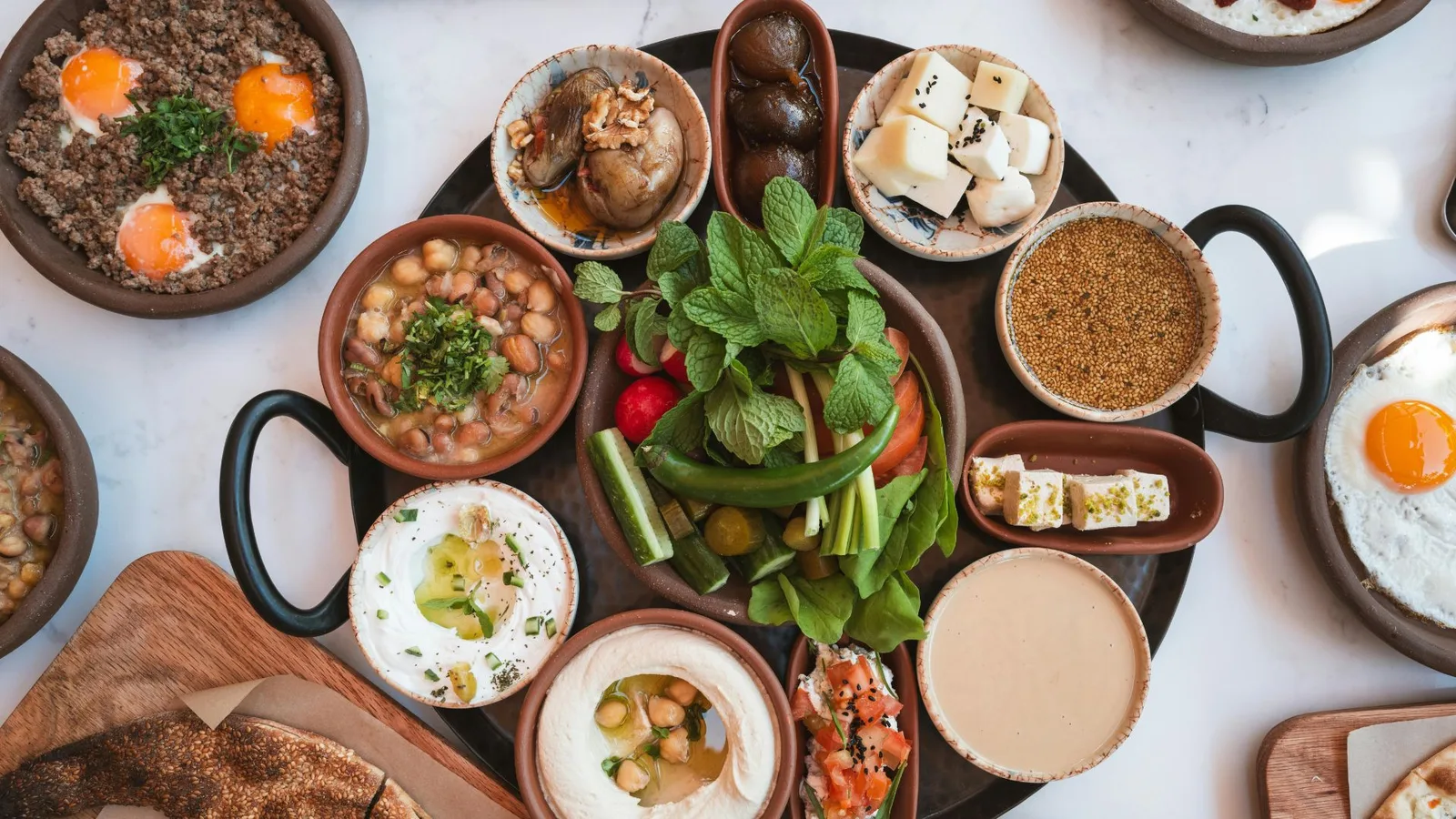
Suhoor, sometimes spelled Suhur, is the meal eaten before the daily fast begins.
It is normally eaten before dawn.
Once the fasting period begins, Muslims stop eating and drinking until sunset.
Suhoor can be an important part of the daily Ramadan routine because it provides an opportunity to eat and drink before several hours of fasting.
Meals vary widely according to country, culture and individual preference.
A Suhoor table in Indonesia may look very different from one in Saudi Arabia, Egypt, Turkey, Morocco or the United Kingdom.
There is therefore no single universal “Ramadan breakfast.”
7. What Is Iftar?
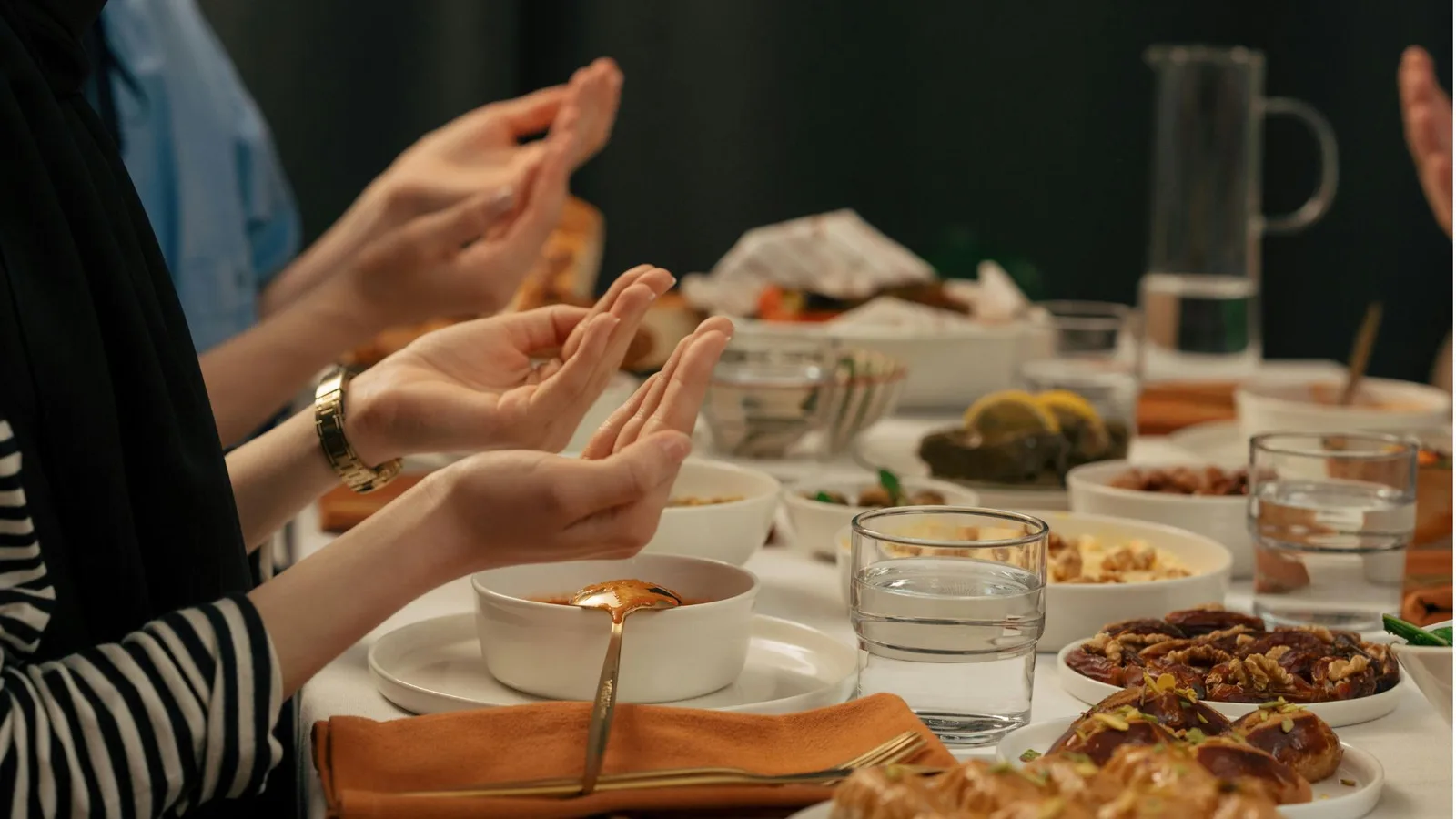
Iftar is the meal that breaks the daily Ramadan fast at sunset.
When sunset arrives, Muslims may eat and drink again.
Many Muslims traditionally begin Iftar with dates and water before eating a larger meal, although food traditions vary significantly around the world.
Iftar may be a simple family meal or a larger social gathering involving relatives, friends and members of the local community.
Because of this, food plays an important social as well as practical role during Ramadan.
8. What Does a Typical Day During Ramadan Look Like?
Daily routines vary, but a simplified Ramadan day may look like this:
8.1. Before Dawn
People who are fasting may wake up early to eat Suhoor and drink fluids before the fast begins.
8.2. Dawn
The fasting period begins.
From this point until sunset, the person fasting does not eat or drink.
8.3. Daytime
Normal activities such as work, study and family responsibilities usually continue.
Muslims also perform their regular daily prayers and may spend additional time reading the Qur'an, reflecting or performing charitable acts.
8.4. Sunset
The daily fast ends.
Muslims break their fast with Iftar.
8.5. Evening
Families and communities may eat together, pray and participate in additional Ramadan activities.
Many Muslims also attend special nightly prayers known as Taraweeh during Ramadan.
The routine begins again before dawn the following day.
9. How Many Hours Do Muslims Fast During Ramadan?
There is no single number of fasting hours that applies everywhere.
Daily fasting lasts from dawn until sunset, so its duration depends on:
Geographic location
Time of year
Local sunrise and sunset patterns
People living in different countries may therefore fast for different lengths of time on the same day.
Because Ramadan moves through the seasons over the years, fasting conditions also change.
A country may experience Ramadan during cooler, shorter days in one period and during warmer or longer days in another.
10. Does Ramadan Mean Muslims Do Not Eat for an Entire Month?
No.
This is a common misunderstanding.
Muslims do not normally go without food continuously for the entire month.
The fast takes place each day from dawn until sunset.
Food and drink are permitted during the nighttime period between sunset and dawn.
The daily pattern is therefore approximately:
Suhoor → Fast → Iftar → Evening meals and drinks → Suhoor
This cycle continues throughout Ramadan.
11. Who Is Required to Fast During Ramadan?
Ramadan fasting generally applies to adult Muslims who are physically able to fast.
Children who have not reached puberty are not required to observe the Ramadan fast, although some families may gradually introduce children to fasting practices as they grow older.
Islam also provides exemptions in circumstances where fasting may be inappropriate or harmful.
12. Who May Be Exempt From Ramadan Fasting?
Depending on individual circumstances, people who may be exempt from fasting include:
Young children
People who are ill
Some elderly people who are unable to fast safely
Travelers
Menstruating women
Pregnant women in certain circumstances
Breastfeeding women in certain circumstances
The religious requirements concerning missed fasts, making up fasting days and charitable compensation can differ depending on the reason for not fasting and Islamic jurisprudence.
People seeking specific religious guidance should therefore consult a qualified Islamic scholar.
People with medical conditions should seek advice from an appropriate healthcare professional before fasting.
13. What Happens If Someone Is Sick During Ramadan?
Islam recognizes that health circumstances vary.
People who are temporarily ill may be permitted to postpone fasting and make up missed fasting days later.
For people with chronic health conditions, the situation may be different.
The World Health Organization advises people with certain medical conditions, including diabetes, to discuss fasting with a healthcare professional so that individual risks can be assessed.
Pregnancy and breastfeeding also require individual consideration rather than a one-size-fits-all approach.
Ramadan fasting should therefore not be treated simply as a diet or health challenge.
It is first and foremost a religious practice, with exemptions intended to protect people who may be unable to fast safely.
14. What Do Muslims Eat During Ramadan?
There is no single Ramadan diet.
Ramadan is observed across the Middle East, Asia, Africa, Europe, the Americas and many other regions. Each culture has developed its own Ramadan food traditions.
Common themes may include:
Dates
Water
Soups
Rice dishes
Bread
Fruits
Vegetables
Meat or fish dishes
Milk-based foods and drinks
Traditional regional beverages
Desserts and sweets
The foods eaten in Morocco can be very different from those served in Malaysia, Saudi Arabia, Pakistan or Turkey.
This cultural diversity is one of the most interesting aspects of Ramadan food traditions.
15. Is Ramadan Only About Fasting?
No.
Fasting is one of the most visible practices associated with Ramadan, but the month has a much broader meaning.
Ramadan emphasizes spiritual reflection and personal discipline.
Many Muslims increase their charitable activities during the month, spend more time in prayer, read the Qur'an and strengthen relationships with family and community.
Sharing food is also important.
Families may invite guests to Iftar, communities may organize meals and charitable organizations often distribute food to people in need.
For this reason, Ramadan combines personal worship with a strong sense of community and generosity.
16. What Is Laylat al-Qadr?
During the final part of Ramadan, Muslims give special importance to Laylat al-Qadr, commonly translated as the Night of Decree or Night of Power.
It is regarded as one of the most significant nights of the Islamic calendar and is associated with the revelation of the Qur'an.
Many Muslims devote additional time to prayer and worship during the final nights of Ramadan.
17. How Does Ramadan End?
Ramadan ends with Eid al-Fitr, the festival marking the completion of the fasting month.
Eid al-Fitr begins with the arrival of the Islamic month of Shawwal.
It is a time of prayer, family gatherings, food and celebration.
Exact dates can vary because Islamic months follow the lunar calendar and may depend on local moon-sighting practices.
18. Frequently Asked Questions About Ramadan
18.1. What is Ramadan in simple terms?
Ramadan is the ninth month of the Islamic calendar. Muslims who are able to fast abstain from food and drink from dawn until sunset while focusing on worship, discipline, charity and reflection.
18.2. Why do Muslims fast during Ramadan?
Ramadan fasting is an act of worship and one of the Five Pillars of Islam. It is associated with self-discipline, patience, gratitude and spiritual reflection.
18.3. Can Muslims drink water during Ramadan?
People who are observing the daily fast do not drink water between dawn and sunset. They can drink during the non-fasting hours between sunset and the following dawn.
18.4. When can Muslims eat during Ramadan?
Food and drink can be consumed after sunset and before the next day's fast begins at dawn.
18.5. What are Suhoor and Iftar?
Suhoor is the pre-dawn meal eaten before fasting begins. Iftar is the meal eaten after sunset to break the daily fast.
18.6. Do all Muslims have to fast?
Not everyone is required to fast. Islam provides exemptions for people in various circumstances, including illness, travel and certain health or life conditions.
18.7. How long does Ramadan last?
Ramadan lasts 29 or 30 days depending on the Islamic lunar calendar and determination of the new moon.
18.8. Does Ramadan happen on the same dates every year?
No. Because the Islamic calendar is lunar, Ramadan generally occurs around 10 to 11 days earlier each year on the Gregorian calendar.
For someone learning about Ramadan for the first time, fasting may appear to be its defining feature. But Ramadan is better understood as a month in which fasting, worship, community, food traditions, generosity and self-reflection come together. From the quiet pre-dawn meal of Suhoor to families gathering around an Iftar table at sunset, daily life takes on a different rhythm. Understanding that rhythm is the first step toward understanding why Ramadan is so meaningful to Muslims around the world. |
FAQ
1. What is Ramadan and why do Muslims fast?
Ramadan is the ninth month of the Islamic lunar calendar. Muslims fast during this sacred month as an act of worship and to practice self-discipline, patience, gratitude, and spiritual reflection.
2. Can Muslims drink water during Ramadan?
No. Muslims observing the daily Ramadan fast do not consume water or other drinks between dawn and sunset. They can drink water during the non-fasting hours between sunset and the following dawn.
3. What are Suhoor and Iftar?
Suhoor is the meal eaten before dawn, before the daily fast begins. Iftar is the meal eaten after sunset to break the fast. Both are important parts of daily life during Ramadan, although food traditions vary across cultures.
About this article

The VINUT editorial team publishes articles about beverage ingredients, product characteristics, and practical information for readers and international buyers.