

Buyer Briefing
7 min read · 1,480 words
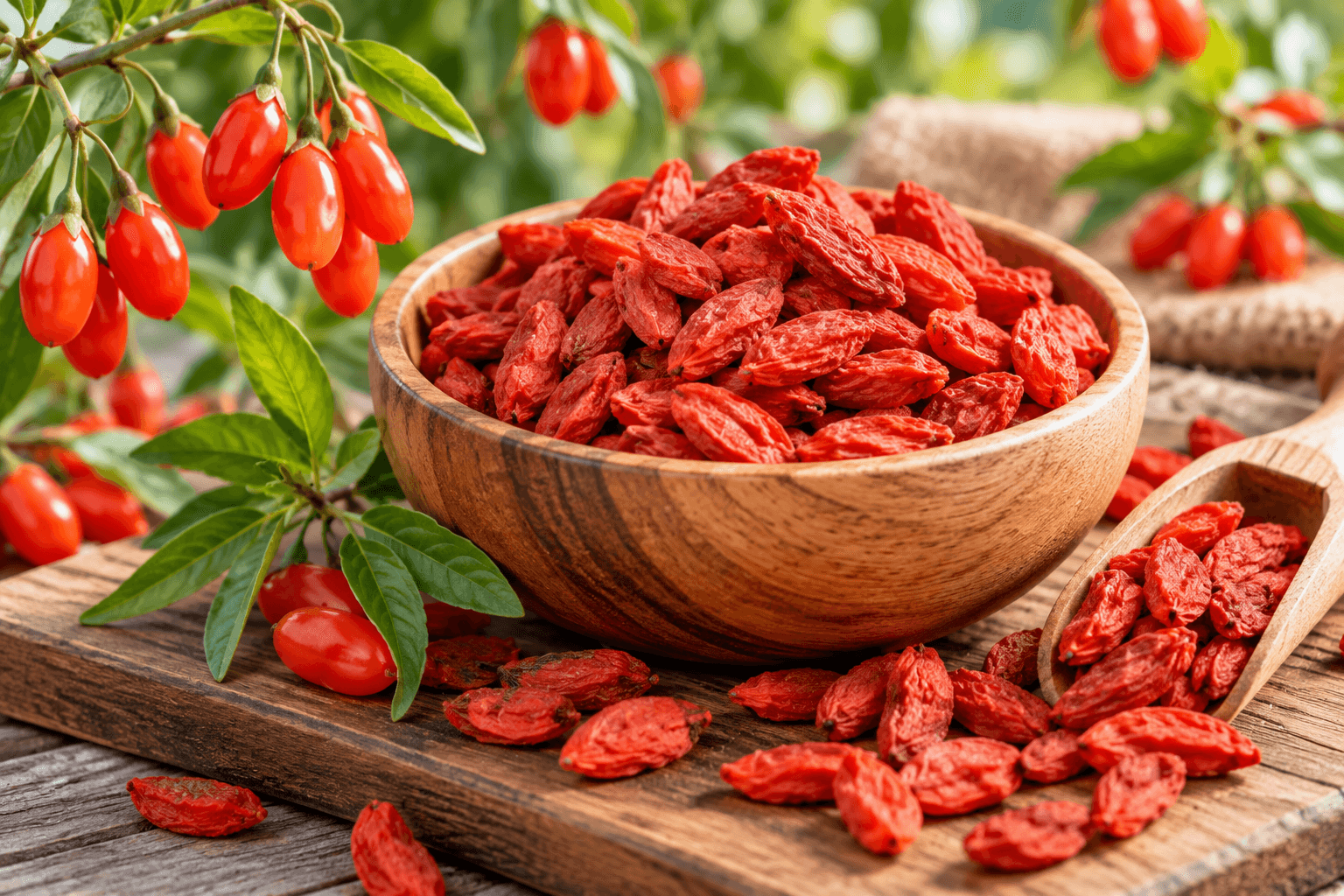
Goji berries are small red fruits that provide carotenoids, dietary fiber, vitamins, minerals, and naturally occurring plant compounds. Potential goji berry benefits are mainly associated with their nutritional profile, particularly their zeaxanthin content, which is relevant to eye nutrition. They can be enjoyed dried, in smoothies, cereals, tea, salads, and cooked dishes.
- Goji berries are also known as wolfberries.
- They contain zeaxanthin and other carotenoids.
- Goji berries provide fiber, vitamins, minerals, and plant compounds.
- Zeaxanthin is particularly relevant to eye nutrition.
- Dried berries contain concentrated natural sugars and calories.
- Goji berries can be used in smoothies, cereals, tea, salads, and cooking.
- They should not be considered a treatment for chronic diseases.
- Goji products may interact with certain medications.
- A varied diet is more important than relying on a single “superfood.”
Listen to the article summary
AI-generated voice · English · 3:06
Read transcript
Goji berries, also known as wolfberries, are small red-orange fruits, primarily from species like Lycium barbarum and Lycium chinense. Valued for their sweet-tart flavor and vibrant color, they are commonly sold in dried form due to the delicacy of fresh berries. These fruits have a long history in traditional Chinese food culture and herbal practices, where they have been associated with nourishment, vitality, and general well-being. However, it's important to distinguish these historical uses from clinically established medical benefits, as traditional use alone does not demonstrate that goji berries can treat diseases. Nutritionally, goji berries offer a combination of macronutrients, micronutrients, and plant compounds. They can provide nutrients such as Vitamin C, provitamin A carotenoids, iron, copper, selenium, riboflavin, and dietary fiber. One of their most notable compounds is zeaxanthin, a carotenoid associated with eye tissue and widely studied in relation to normal eye health. Goji berries also contain other carotenoids and polyphenolic compounds with antioxidant activity, which contribute to the body's defenses against oxidative stress. While these properties make them a useful part of a varied diet, it's too strong to claim that eating goji berries alone prevents specific diseases like cancer or cardiovascular disease, or that they are a treatment for vision problems. It's also important to note that while goji berries contain amino acids and some protein, they are not typically consumed as a primary protein source. Similarly, while some components are of nutritional interest for cardiovascular health, current evidence does not justify presenting them as a treatment for conditions like high blood pressure or high cholesterol. The term "anti-aging" in marketing can also create unrealistic expectations; goji berries contribute antioxidants but do not stop or reverse aging. Incorporating goji berries into your diet is easy. They can be sprinkled over breakfast cereals, oatmeal, or yogurt, added to smoothies, enjoyed as a snack, steeped to make tea, or included in salads and even savory soups. When consuming dried goji berries, remember that drying concentrates their sugars and calories, so portion size is relevant. A crucial precaution is that goji products have been reported to interact with certain medications, particularly anticoagulants like warfarin. Therefore, individuals taking prescription medication should seek professional advice before consuming unusually large amounts or concentrated goji products. Ultimately, goji berries are best viewed as one nutritious fruit among many, contributing flavor, color, texture, and nutritional variety to a balanced diet.
Goji berry benefits have attracted growing interest as these small red fruits have become increasingly popular beyond their traditional use in Asian cuisine. Also known as wolfberries, goji berries are valued for their distinctive sweet-tart flavor, vibrant color, and nutritional profile.
Goji berries contain carbohydrates, dietary fiber, vitamins, minerals, carotenoids, and other naturally occurring plant compounds. They are particularly known for carotenoids such as zeaxanthin, which has an important connection with eye nutrition.
For centuries, goji berries have also been used in traditional Chinese food and herbal practices. Today, they can be found in dried fruit mixes, cereals, smoothies, teas, soups, and other foods.
In this article, VINUT explores what goji berries are, their nutritional characteristics, potential health benefits, possible precautions, and easy ways to incorporate them into a balanced diet.
I/ What Are Goji Berries?
Goji berries, commonly known as wolfberries, are small red-orange fruits belonging primarily to species such as Lycium barbarum and Lycium chinense.
Fresh goji berries are relatively delicate, so they are commonly sold in dried form. Dried berries have a chewy texture and a mildly sweet, slightly tart flavor similar to other dried fruits.
A Long History of Traditional Use
Goji berries have a long history in traditional Chinese food culture and herbal practices.
Traditionally, they have been associated with nourishment, vitality, vision, and general well-being. However, these historical uses should be distinguished from clinically established medical benefits.
Traditional use alone does not demonstrate that goji berries can treat diseases or replace modern medical care.
II/ What Is the Nutritional Profile of Goji Berries?
Goji berries provide a combination of macronutrients, micronutrients, and plant compounds.
Their exact nutritional composition varies according to variety, growing conditions, processing, and serving size.
Vitamins and Minerals
Depending on the product, goji berries can provide nutrients such as:
Vitamin C
Provitamin A carotenoids
Iron
Copper
Selenium
Riboflavin
Dietary fiber
Dried goji berries also contain naturally occurring sugars, so portion size remains relevant when incorporating them into everyday meals.
Carotenoids and Other Plant Compounds
One of the most notable compounds in goji berries is zeaxanthin, a carotenoid associated with eye tissue.
Goji berries also contain other carotenoids and polyphenolic compounds with antioxidant activity.
These substances are one reason goji berries have attracted considerable nutritional research.
III/ What Are the Potential Goji Berry Benefits?
Goji berries can contribute useful nutrients and plant compounds to a varied diet. However, their potential benefits should not be interpreted as evidence that they prevent or cure specific diseases.
1. Provides Antioxidant Compounds
Goji berries contain carotenoids and other compounds with antioxidant properties.
Antioxidants participate in the body's defenses against oxidative stress. This makes antioxidant-rich foods a useful part of a varied diet containing fruits and vegetables.
However, it would be too strong to claim that eating goji berries alone prevents cancer, cardiovascular disease, or aging.
2. May Support Eye Nutrition
Goji berries are particularly notable for their zeaxanthin content.
Zeaxanthin and lutein are carotenoids found in the macula of the eye. They have been widely studied in relation to normal eye health and age-related changes.
For this reason, goji berries can be considered an interesting dietary source of zeaxanthin. Still, they should not be described as a treatment for vision problems or age-related macular degeneration.
3. Contributes Nutrients Involved in Immune Function
Goji berries contain nutrients involved in normal immune function.
Vitamin C, for example, contributes to the normal function of the immune system and helps protect cells from oxidative stress.
This is different from saying that goji berries "boost immunity" or prevent infections. Immune health depends on many factors, including overall nutrition, sleep, activity, health status, and lifestyle.
4. Provides Dietary Fiber
Dried goji berries can contribute dietary fiber to the diet.
Fiber supports normal digestive function and can contribute to a balanced dietary pattern.
However, the amount consumed depends heavily on serving size, so goji berries should complement rather than replace other fiber-rich foods such as vegetables, whole grains, legumes, and fresh fruits.
IV/ Are Goji Berries a Complete Protein?
Goji berries contain amino acids and some protein, but claims that they are an exceptional "complete protein" source can be misleading in practical nutrition.
A normal serving of dried goji berries is relatively small and is not typically consumed as a primary protein food.
For people seeking substantial dietary protein, foods such as legumes, soy products, dairy, eggs, fish, meat, nuts, seeds, or other appropriate protein sources generally play a much larger role.
Goji berries are better viewed as a nutrient-containing fruit than as a replacement for conventional protein-rich foods.

V/ Are Goji Berries Good for Heart Health?
Some components of goji berries, including fiber and antioxidant compounds, are of nutritional interest in the context of cardiovascular health.
However, current evidence does not justify presenting goji berries as a treatment for high blood pressure, high cholesterol, high blood sugar, or cardiovascular disease.
Heart health is influenced by many factors, including:
Overall dietary pattern
Physical activity
Smoking
Alcohol consumption
Sodium intake
Body weight
Blood pressure
Blood lipids
Blood glucose
Genetics and existing medical conditions
Goji berries can be one component of a varied diet, but they should not replace appropriate medical management.
VI/ Do Goji Berries Have Anti-Aging Benefits?
The term "anti-aging" is frequently used in food and wellness marketing, but it can create unrealistic expectations.
Goji berries contain antioxidants, including carotenoids, that participate in protection against oxidative stress.
That does not mean eating goji berries stops aging, reverses skin aging, or prevents age-related diseases.
A more accurate approach is to consider them one of many nutrient-rich foods that can contribute to an overall balanced dietary pattern.
VII/ How Can You Add Goji Berries to Your Diet?
Goji berries are easy to incorporate into both snacks and meals.
1. Sprinkle Them Over Breakfast
Dried goji berries can add color, sweetness, and chewy texture to oatmeal, cereal, granola, or yogurt.
They pair particularly well with nuts, seeds, and other dried fruits.
2. Add Goji Berries to Smoothies
Add a small handful to a fruit smoothie.
If the dried berries are too firm for your preferred texture, soak them briefly in water before blending.
Goji berries pair well with banana, mango, berries, citrus fruits, and leafy greens.
3. Enjoy Them as a Snack
Dried goji berries can be eaten directly in much the same way as raisins or dried cranberries.
Because dried fruit contains concentrated carbohydrates and sugars compared with the same weight of fresh fruit, portion size is worth considering.
4. Make Goji Berry Tea
Dried goji berries can be steeped in hot water to make a simple fruit infusion.
The softened berries can also be eaten after steeping.
Goji can be combined with ingredients such as ginger, lemon, or other suitable herbs and fruits for additional flavor.
5. Add Them to Salads
Goji berries provide a sweet contrast to leafy greens, nuts, seeds, vegetables, and savory dressings.
Their bright red color also adds visual appeal.
6. Use Them in Soups and Cooking
Goji berries are not limited to sweet recipes.
They are also used in some Asian soups and savory preparations, where the berries soften during cooking and provide mild sweetness.
VIII/ How Much Goji Berry Should You Eat?
There is no universal serving size that is ideal for everyone.
Dried goji berries can be consumed similarly to other dried fruits, with the portion adjusted according to overall diet, calorie needs, and personal preferences.
Remember that drying removes much of the fruit's water, concentrating its sugars and calories by weight.
Eating a variety of fruits is generally preferable to relying heavily on one food simply because it is marketed as a "superfood."
IX/ Are There Any Side Effects of Goji Berries?
Goji berries can be consumed as food by many people, but they may not be appropriate for everyone.
One particularly important consideration is medication interaction. Goji products have been reported to interact with certain medications, including warfarin.
People taking prescription medication, particularly anticoagulants, or those managing medical conditions should seek professional advice before consuming unusually large amounts of goji berries or concentrated goji products.
Allergic reactions are also possible, as with other foods.
X/ Fresh vs Dried Goji Berries: What Is the Difference?
Fresh and dried goji berries provide different eating experiences.
Feature | Fresh Goji Berries | Dried Goji Berries |
|---|---|---|
Texture | Soft and juicy | Chewy |
Water content | Higher | Lower |
Flavor | Fresh, mildly sweet-tart | More concentrated |
Availability | Less common | Widely available |
Storage | Shorter | Longer |
Typical use | Fresh eating, recipes | Snacks, tea, cereal, cooking |
Dried berries are more widely available internationally because they are easier to transport and store.
XI/ How Do You Choose Goji Berries?
When purchasing packaged dried goji berries, read the label rather than relying only on marketing claims.
Consider:
Checking the ingredient list.
Looking for unnecessary added sugars or sweeteners.
Reviewing the serving size.
Checking storage instructions.
Choosing intact berries without obvious signs of moisture damage.
Following the manufacturer's instructions after opening.
If purchasing a processed goji beverage or supplement, remember that its nutritional composition may differ considerably from whole dried berries.
XII/ Conclusion
Goji berry benefits are best understood through the fruit's nutritional composition rather than exaggerated "superfood" claims.
These distinctive red berries provide carotenoids such as zeaxanthin, along with dietary fiber, vitamins, minerals, and other naturally occurring plant compounds. Their long history in Chinese food culture has also helped make them increasingly recognizable around the world.
Goji berries are particularly versatile. They can be eaten as dried fruit, sprinkled over cereal or yogurt, blended into smoothies, steeped in tea, added to salads, or incorporated into savory recipes.
Rather than viewing goji berries as a treatment or anti-aging solution, consider them one nutritious fruit among many. Combined with a varied diet and healthy lifestyle, they can provide flavor, color, texture, and nutritional variety.
FAQ
What are goji berries?
Goji berries, also known as wolfberries, are small red-orange fruits commonly sold in dried form.
What are the main goji berry benefits?
They provide carotenoids, fiber, vitamins, minerals, and other naturally occurring plant compounds.
Are goji berries good for your eyes?
They contain zeaxanthin, a carotenoid associated with eye nutrition, but they should not be considered a treatment for eye disease.
Can you eat goji berries every day?
Goji berries can fit into a regular diet for many people, although appropriate portions depend on individual dietary needs.
Are dried goji berries healthy?
Dried goji berries provide nutrients and plant compounds, but their sugars and calories are more concentrated by weight than fresh berries.
How do you eat goji berries?
They can be eaten directly or added to yogurt, cereal, smoothies, salads, tea, soups, and other recipes.
Can goji berries interact with medications?
Yes. Goji products may interact with certain medications, particularly warfarin, so people taking medication should seek individualized professional advice.
About this article

The VINUT editorial team publishes articles about beverage ingredients, product characteristics, and practical information for readers and international buyers.