


Buyer Briefing
8 min read · 1,678 words
Papaya is a tropical fruit that provides vitamin C, carotenoids, dietary fiber, folate, potassium, and other naturally occurring plant compounds. Potential papaya benefits include contributing nutrients that support normal immune function, digestion, vision, and overall nutrition. Ripe papaya can be eaten fresh, while green papaya is commonly used in savory dishes.
- Papaya is a nutrient-rich tropical fruit.
- It provides vitamin C, carotenoids, fiber, folate, and potassium.
- Ripe papaya is sweet, soft, and suitable for fresh eating.
- Green papaya is firm and commonly used in savory recipes.
- Papain is a protein-digesting enzyme associated with papaya.
- Whole papaya retains more fiber than highly strained juice.
- Papaya works well in smoothies, salads, salsa, and desserts.
- Eating a variety of fruits remains important for a balanced diet.
Listen to the article summary
AI-generated voice · English · 3:22
Read transcript
Papaya, scientifically known as Carica papaya, is a tropical fruit celebrated for its naturally sweet flavor and vibrant color. Originating in the tropical regions of the Americas, particularly southern Mexico and Central America, papaya is now cultivated and enjoyed worldwide. It's valued for its rich nutritional profile, which includes vitamin C, provitamin A carotenoids, dietary fiber, folate, and potassium, along with naturally occurring plant compounds. The fruit's versatility is notable, as both ripe and green papaya are used differently in culinary applications. Ripe papaya has soft, sweet, orange-red flesh and is ideal for fresh consumption, smoothies, desserts, and salsas. In contrast, green or unripe papaya has a firmer texture and a milder flavor, making it particularly suitable for savory dishes like Southeast Asian-style salads. Nutritionally, papaya is a significant source of vitamin C, which supports normal immune function and collagen formation, and acts as an antioxidant. Its orange-red color comes partly from carotenoids, some of which convert to vitamin A, important for vision and immune function. Whole papaya also provides dietary fiber, aiding normal digestive function, and contains potassium and folate, which contribute to muscle, nerve, and cell division processes. An enzyme called papain, found particularly in unripe papaya, can break down proteins and has culinary uses like meat tenderizing, though its presence should not be interpreted as a treatment for digestive disorders. While papaya contributes to a nutritious diet, its potential advantages are best understood as part of an overall balanced eating pattern, rather than as medicinal effects. For instance, it supports normal immune function by providing vitamin C, but it's more accurate to say it contributes to daily intake rather than prevents infections. Similarly, while it offers nutrients important for skin, it's not an anti-aging treatment. Whole papaya's fiber supports digestion, but ordinary consumption isn't a treatment for conditions like irritable bowel syndrome. It fits into a heart-healthy diet due to its nutrient content, but direct claims about lowering blood pressure or cholesterol should be avoided. Papaya also provides antioxidant compounds, but no single fruit can prevent specific diseases. When choosing papaya, look for a fruit that yields slightly to gentle pressure and has a mild, sweet aroma. While papaya seeds are edible with a peppery flavor, they are usually removed. Papaya can be enjoyed regularly as part of a varied diet, but rotating it with other fruits ensures a broader range of nutrients. It's important to note that food allergies to papaya can occur, and unripe papaya contains natural latex, which may cause cross-reactivity in those with latex allergies. Unripe papaya also differs chemically from ripe fruit, and professional guidance should be sought for specific health concerns, especially during pregnancy, before consuming large amounts of it.
Papaya benefits extend beyond the fruit's naturally sweet flavor and vibrant orange color. Also known scientifically as Carica papaya, papaya is a tropical fruit valued for its vitamin C, carotenoids, dietary fiber, folate, potassium, and naturally occurring plant compounds.
Native to tropical regions of the Americas, papaya is now cultivated and enjoyed around the world. Both ripe and green papaya have become important ingredients in beverages, salads, smoothies, desserts, and savory dishes.
In this article, VINUT explores the origins of papaya, its nutritional value, potential health benefits, culinary applications, and simple ways to incorporate this tropical fruit into a balanced diet.
I/ What Is Papaya?
Papaya (Carica papaya) is a tropical fruit belonging to the Caricaceae family. Depending on the variety and stage of ripeness, the fruit can range from green and firm to soft, sweet, and orange-red.
Ripe papaya has soft flesh and a naturally sweet tropical flavor. At the center are numerous round black seeds surrounded by a gelatinous coating.
Green or unripe papaya has a firmer texture and a much milder flavor, making it particularly suitable for savory dishes.
This versatility means papaya can be used very differently depending on when it is harvested.
II/ Where Does Papaya Come From?
Papaya has a long history in tropical regions of the Americas, particularly southern Mexico and Central America.

Indigenous communities cultivated and consumed papaya long before it became an internationally traded fruit.
Following European contact with the Americas, papaya was introduced to other tropical and subtropical regions. Its cultivation eventually expanded throughout parts of Asia, Africa, the Caribbean, and the Pacific.
Today, papaya is closely associated with tropical cuisines around the world and is consumed both ripe and unripe.
III/ What Nutrients Are Found in Papaya?
Papaya provides a variety of essential nutrients while remaining relatively low in calories.
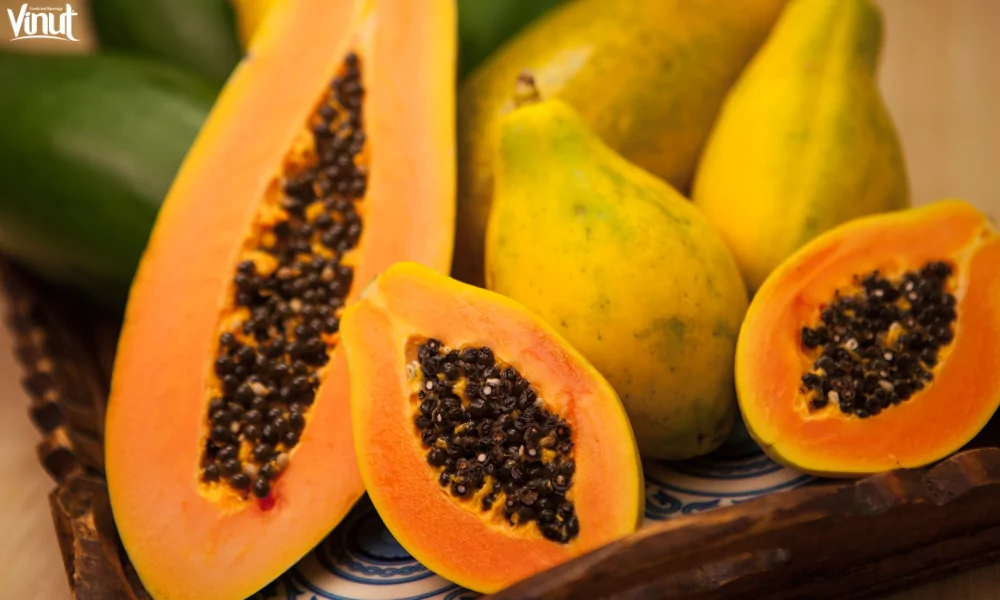
Its nutritional profile includes:
Vitamin C
Provitamin A carotenoids
Folate
Potassium
Dietary fiber
Small amounts of several other vitamins and minerals
Naturally occurring plant compounds
The exact nutritional content varies according to serving size, variety, growing conditions, and ripeness.
1. Vitamin C
Papaya is particularly notable for its vitamin C content.
Vitamin C contributes to normal immune function and collagen formation. It also acts as an antioxidant and helps increase the absorption of non-heme iron from plant-based foods.
2. Carotenoids
The orange-red color of ripe papaya comes partly from naturally occurring carotenoids.
Some carotenoids can be converted into vitamin A in the body. Vitamin A contributes to normal vision and immune function.
3. Dietary Fiber
Whole papaya provides dietary fiber.
Fiber supports normal digestive function and helps contribute to a balanced dietary pattern.
The amount of fiber retained can differ when papaya is processed into juice or other beverages.
4. Potassium and Folate
Papaya also contributes potassium and folate.
Potassium is involved in normal muscle and nerve function, while folate plays an important role in cell division and the formation of genetic material.
5. Papain
Papaya contains an enzyme called papain, which can break down proteins.
Papain is particularly associated with the latex of unripe papaya and has various culinary and industrial applications, including use as a meat tenderizer.
However, the presence of papain should not be interpreted to mean that eating papaya treats digestive disorders.
IV/ What Are the Potential Papaya Benefits?
Papaya can contribute to a nutritious diet because it combines vitamins, minerals, fiber, water, and naturally occurring plant compounds.
Its potential advantages are best understood as part of an overall balanced diet rather than as medicinal effects of a single fruit.
1. Supports Normal Immune Function
Vitamin C is important for normal immune system function.
Because papaya naturally provides vitamin C, it can contribute to daily vitamin C intake alongside other fruits and vegetables.
This is more accurate than describing papaya as a food that prevents infections or illnesses.
2. Contributes Nutrients Important for Skin
Papaya provides vitamin C and carotenoids, nutrients that have important roles in the body.

Vitamin C contributes to normal collagen formation for the normal function of skin and also has antioxidant activity.
However, skin appearance depends on many factors, including overall nutrition, age, genetics, sun exposure, sleep, hydration, smoking, and skincare practices.
Eating papaya should therefore not be considered an anti-aging treatment.
3. Contributes Dietary Fiber
Whole papaya contains dietary fiber.
Fiber is an important component of a balanced diet and contributes to normal digestive function.
Papaya also contains papain, a protein-digesting enzyme. However, evidence does not justify describing ordinary papaya consumption as a treatment for conditions such as irritable bowel syndrome.
People experiencing persistent digestive symptoms should seek appropriate medical advice rather than relying on a single food as treatment.
4. Fits Into a Heart-Healthy Dietary Pattern
Papaya provides potassium, fiber, vitamin C, and other nutrients found in fruit-rich diets.

Eating a variety of fruits and vegetables is an established part of a balanced dietary pattern.
However, it is better to avoid claims that papaya itself directly lowers blood pressure, cholesterol, or the risk of heart disease.
5. Provides Antioxidant Compounds
Papaya naturally contains vitamin C and carotenoids with antioxidant activity.
Antioxidants participate in the body's defense against oxidative stress.
This does not mean that one antioxidant-rich fruit can prevent specific diseases. Variety across the overall diet remains important.
V/ How Can You Use Papaya in Food and Drinks?
One of papaya's biggest advantages is its versatility.
Ripe papaya works particularly well in sweet dishes and beverages, while green papaya is frequently used in savory recipes.
1. Fresh Papaya Salsa
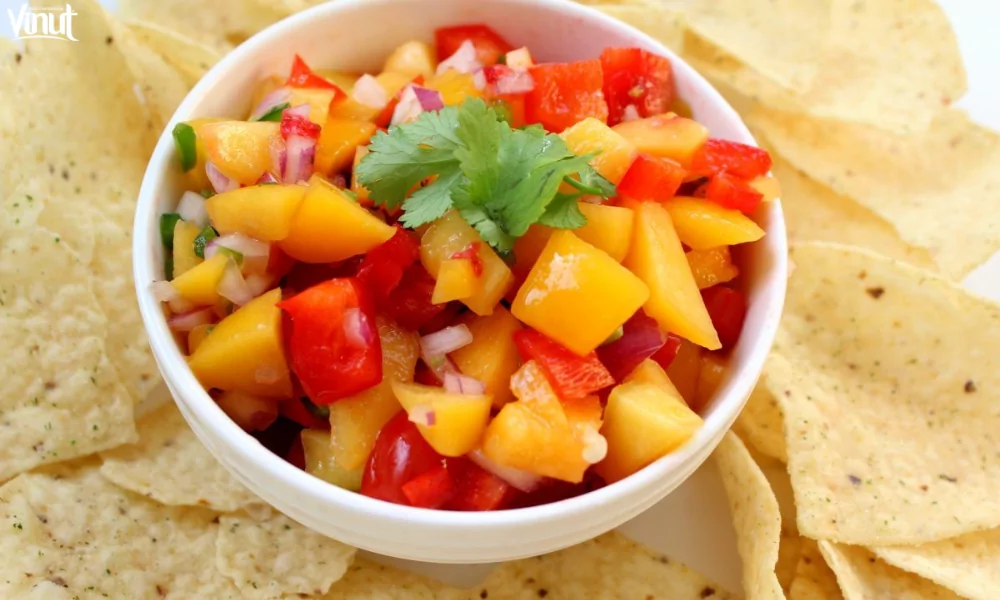
Fresh papaya can bring sweetness and tropical character to salsa.

Combine diced ripe papaya with ingredients such as:
Red onion
Fresh cilantro
Lime juice
Chili or jalapeño
Tomato, optional
The combination works particularly well alongside grilled foods or as a fresh dip.
2. Papaya Smoothies
Ripe papaya's soft texture makes it ideal for smoothies.

Try blending papaya with banana, yogurt, coconut water, coconut milk, or other tropical fruits.
Because ripe papaya is naturally sweet, taste the smoothie before adding honey, sugar, or another sweetener.
3. Green Papaya Salad
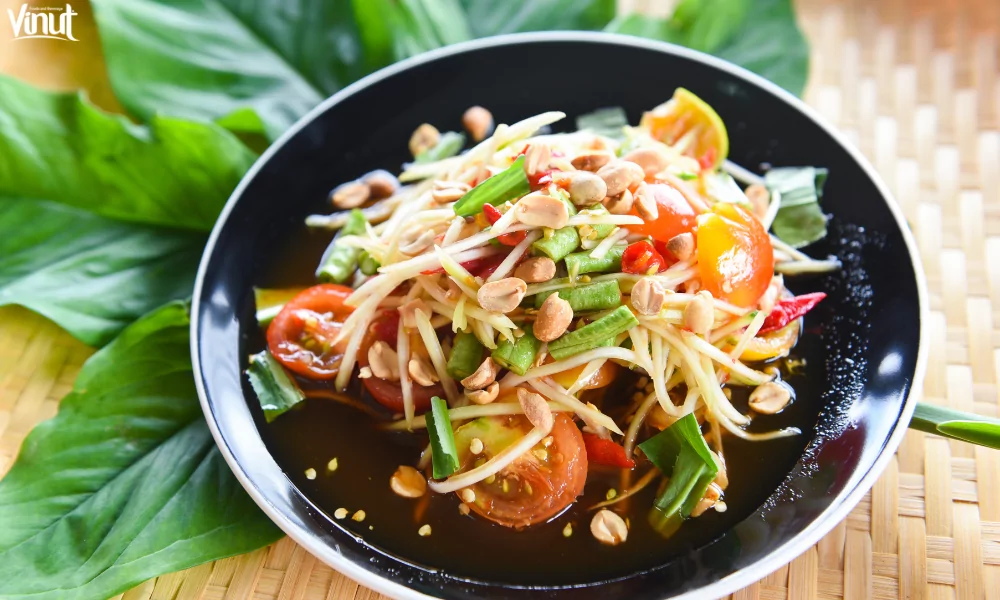
Unripe green papaya is widely used in Southeast Asian cuisine.

Its firm texture makes it suitable for shredding into salads.
Thai-style green papaya salad can combine shredded green papaya with ingredients such as lime, chili, fish sauce, peanuts, and other seasonings to create a balance of sour, spicy, salty, and slightly sweet flavors.
Recipes vary considerably by region and household.
4. Papaya Desserts
Ripe papaya can also be incorporated into desserts.

Popular ideas include:
Fruit salads
Sorbet
Frozen fruit treats
Yogurt bowls
Smoothie bowls
Chilled desserts
Its naturally sweet flavor can reduce the need for large amounts of additional sweetener in some recipes.
VI/ What Is the Difference Between Ripe and Green Papaya?
Ripe and unripe papaya can function almost like two different ingredients.
Characteristic | Ripe Papaya | Green Papaya |
|---|---|---|
Color | Yellow/orange exterior; orange-red flesh | Green exterior; pale flesh |
Texture | Soft and juicy | Firm and crisp |
Flavor | Sweet and tropical | Mild and less sweet |
Common uses | Fresh fruit, smoothies, desserts | Salads and savory dishes |
Preparation | Often eaten raw | Frequently shredded or cooked |
Neither is universally better. The right choice depends on the dish you are preparing.
VII/ Is Papaya Juice as Nutritious as Whole Papaya?
Papaya juice can provide fruit-derived nutrients and a refreshing tropical flavor, but it is not nutritionally identical to whole papaya.
Whole fruit retains its natural dietary fiber.
Juicing can remove some of this fiber, particularly when the pulp is separated from the liquid. Commercial papaya beverages may also contain other ingredients such as water, sugar, sweeteners, or additional fruit juices.
When choosing packaged papaya juice, check:
Ingredient list
Percentage of juice
Total sugars
Added sugars, when declared
Serving size
Calories
Smoothies that retain the whole edible flesh generally preserve more fruit solids than highly strained juice.
VIII/ How Can You Add Papaya to Your Diet?
Papaya can be incorporated into meals and snacks in many simple ways.
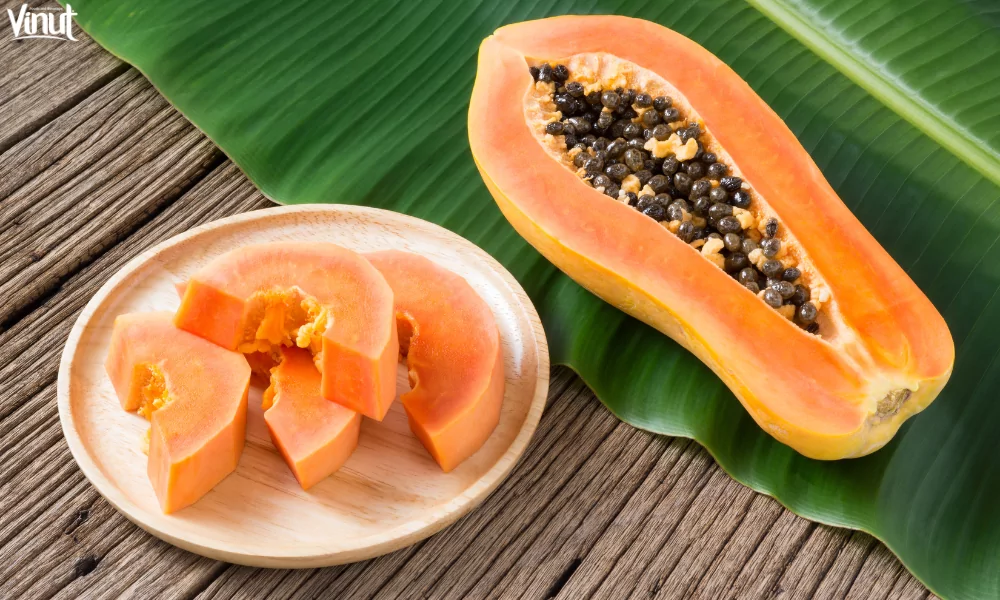
Try these ideas:
Eat ripe papaya fresh as a snack.
Add papaya cubes to breakfast bowls.
Blend it into smoothies.
Combine it with other tropical fruits.
Add diced papaya to fresh salsa.
Use green papaya in savory salads.
Pair ripe papaya with plain yogurt.
Freeze papaya pieces for smoothies or frozen treats.
Rotating papaya with other fruits also helps increase dietary variety.
IX/ How Do You Choose a Ripe Papaya?
Choosing the right fruit can significantly affect flavor and texture.
Look at the Color
Papayas generally change from green toward yellow or orange as they ripen, although appearance varies by variety.
Check the Texture
A ripe papaya should usually yield slightly to gentle pressure without feeling excessively soft or mushy.
Smell the Fruit
A ripe papaya may develop a mild, sweet aroma.
An unpleasant fermented smell or severely damaged flesh can indicate that the fruit is past its best.
Allow Firm Papayas to Ripen
If a papaya is still firm and intended for eating ripe, allow it to continue ripening at room temperature.
Once ripe, refrigeration can help slow further ripening.
X/ Are Papaya Seeds Edible?
Papaya seeds are technically edible and have a distinctly peppery, somewhat bitter flavor.
However, they are usually removed when the fruit is eaten fresh.
Eating the flesh does not require consuming the seeds to obtain papaya's nutritional value.
Anyone considering consuming large amounts of papaya seeds or concentrated seed preparations should recognize that this is different from ordinary culinary use of the fruit.
XI/ Can You Eat Papaya Every Day?
Papaya can be included regularly as part of a varied and balanced diet for many people.
However, there is no need to eat the same fruit every day to obtain its nutrients.
A varied fruit intake provides a broader range of flavors, fibers, vitamins, minerals, and phytochemicals.
A practical approach is to rotate papaya with foods such as:
Mango
Pineapple
Watermelon
Guava
Berries
Citrus fruits
Bananas
Serving size and individual nutritional needs should also be considered.
XII/ Are There Any Considerations When Eating Papaya?
Papaya is commonly consumed as food, but several considerations are worth knowing.
Allergies
Food allergies to papaya can occur.
Anyone experiencing symptoms of a serious allergic reaction, such as difficulty breathing or significant swelling, should seek urgent medical care.
Latex Sensitivity
Papaya contains natural latex, particularly in the unripe fruit. Cross-reactivity may occur in some people with latex allergy.
Unripe Papaya
Unripe papaya differs chemically from ripe fruit and contains more latex.
People with specific health concerns, particularly during pregnancy, should seek individualized professional guidance before consuming large amounts of unripe papaya or concentrated papaya preparations.
XV/ Conclusion
Papaya benefits come from a combination of valuable nutrients, culinary versatility, and the fruit's naturally appealing tropical flavor.
Papaya provides vitamin C, carotenoids, dietary fiber, folate, potassium, and other naturally occurring compounds. These nutrients can contribute to a balanced diet without the need to treat papaya as a medicinal food.
Its versatility is another reason for its global popularity. Ripe papaya can be enjoyed fresh, blended into smoothies, added to salsa, or incorporated into desserts. Green papaya offers a completely different culinary experience and works particularly well in savory dishes and salads.
Whether enjoyed fresh or incorporated into creative recipes, papaya offers an easy way to bring tropical flavor, color, and nutritional variety to the everyday diet.
FAQ
What is papaya?
Papaya is a tropical fruit from Carica papaya. Ripe fruit typically has soft, sweet orange-red flesh, while green papaya is firmer and commonly used in savory dishes.
What are the main benefits of papaya?
Papaya provides vitamin C, carotenoids, fiber, folate, potassium, and other plant compounds that contribute to a balanced diet.
Is papaya good for digestion?
Whole papaya provides dietary fiber, which contributes to normal digestive function. It also contains papain, an enzyme capable of breaking down proteins.
Is papaya high in vitamin C?
Yes. Papaya is a good source of vitamin C, although the exact amount varies according to serving size and fruit.
Can you eat papaya every day?
Papaya can be consumed regularly as part of a varied diet for many people. However, eating a variety of fruits provides greater dietary diversity.
Is green papaya the same as ripe papaya?
They come from the same fruit but differ in maturity, flavor, texture, and culinary use. Green papaya is firm and mild, while ripe papaya is soft and sweet.
Is papaya juice as healthy as whole papaya?
Papaya juice can provide fruit-derived nutrients, but highly strained juice generally contains less dietary fiber than whole papaya.
Can you eat papaya seeds?
Papaya seeds are edible but have a peppery and somewhat bitter flavor. They are normally removed when the ripe fruit is eaten.
About this article

The VINUT editorial team publishes articles about beverage ingredients, product characteristics, and practical information for readers and international buyers.