

Buyer Briefing
4 min read · 794 words
Plum benefits come from their fiber, vitamins, minerals, and naturally occurring antioxidant compounds. Plums may support digestive health, cardiovascular function, immune health, bone health, and skin health. They are also versatile fruits that can be enjoyed fresh, blended into smoothies, added to salads, or incorporated into cooked dishes.
- Plum benefits are associated with their fiber, vitamins, minerals, and antioxidants.
- Plums may support digestive, cardiovascular, immune, bone, and skin health.
- Their fiber and naturally occurring sorbitol can contribute to digestive regularity.
- Plums contain antioxidant compounds, including anthocyanins.
- Fresh plums are versatile and can be enjoyed as snacks, in smoothies, salads, or cooked dishes.
- Choosing ripe plums and storing them properly can help maintain their quality and freshness.
Plum benefits go beyond their naturally sweet and juicy flavor. Packed with essential nutrients, dietary fiber, and antioxidants, plums can be a nutritious addition to a balanced diet and may support various aspects of overall health.
This guide explores the nutritional value and potential health benefits of plums, including their role in digestive, cardiovascular, immune, bone, and skin health, along with practical tips for incorporating this delicious fruit into your daily diet.
I/ What Are the Main Plum Benefits?
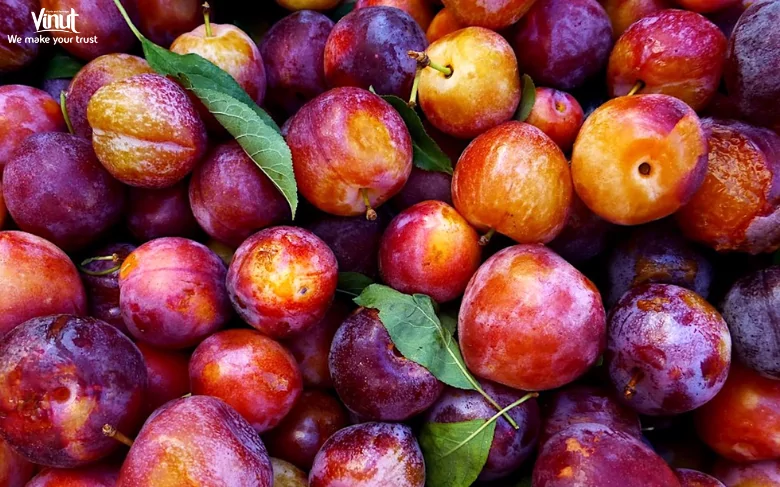
Plums are nutrient-rich fruits that provide dietary fiber, vitamin C, vitamin K, potassium, and naturally occurring antioxidant compounds. Plum benefits may include supporting digestive health, cardiovascular function, immune health, bone health, and skin health. Their nutritional value and versatility also make them an easy fruit to incorporate into a balanced diet.
II/ Nutritional Overview of Plums
They are a low-calorie fruit that pack a nutritional punch. Here’s what makes them a valuable addition to a healthy diet:
Vitamins and Minerals
The fruit is rich in vitamin C, which helps in iron absorption and immunity enhancement. They also contain vitamin K, essential for blood clotting, and potassium, which helps manage blood pressure levels.
Dietary Fiber
A medium-sized plum provides about 1 gram of fiber, aiding in digestion and helping maintain a healthy weight.
Antioxidants
They are loaded with antioxidants like anthocyanins, which give them their deep color, and are known for their anti-inflammatory properties.
III/ Digestive Health Benefits
One of the most well-known benefits is their ability to aid digestion. Here’s how they help:

Fiber Content
The fiber in it increases stool volume and helps it pass through the digestive system more quickly, which can relieve constipation and promote regular bowel movements.
Sorbitol
This natural sugar alcohol in plums acts as a mild laxative, further aiding in digestive health.
Eating this fruit regularly can help maintain a healthy digestive system and prevent common problems such as constipation and gastrointestinal distress.
IV/ Cardiovascular Health Advantages
They can play a part in maintaining a healthy heart due to their nutritional composition. Key benefits include:

Potassium
The potassium in plums helps control blood pressure levels, reducing the risk of stroke and heart disease.
Antioxidants
The antioxidants in plums reduce inflammation and protect against the oxidation of cholesterol, which is a precursor to heart disease.
Integrating plums into your diet can be an effective way to support heart health and enhance cardiovascular function.
V/ Immune Boosting Properties
The high vitamin C content in plums makes them powerful immune boosters. Vitamin C stimulates the production of white blood cells that fight off infections and diseases. Regular consumption of plums can help strengthen your immune system, making it easier to ward off colds and flu.

VI/ Impact on Bone Health
Recent studies suggest that they may have beneficial effects on bone health:

Vitamin K and Potassium
These nutrients are vital for maintaining bone mineral density and overall bone health.
Phenolic Compounds
They contain unique phenolic compounds that have been linked to a reduction in bone turnover rates, potentially helping to prevent bone loss associated with aging and osteoporosis.
VII/ Antioxidant Effects and Chronic Disease Prevention
The broad range of antioxidants makes them excellent for combating oxidative stress, a factor in many chronic diseases, including diabetes and cancer. The antioxidants in this fruit scavenge free radicals, preventing cell damage and reducing inflammation - a key component in the prevention and management of chronic diseases.

VIII/ Skin Health and Anti-Aging Benefits
They can also be beneficial for the skin. The vitamin C and antioxidants in plums are vital for skin health and anti-aging:
Vitamin C
Essential for collagen production, vitamin C helps keep skin firm and prevents premature aging.
Antioxidants
Protect the skin from environmental damage and may reduce wrinkles and improve skin texture.
Consuming this fruit regularly can help keep your skin healthy and vibrant, showcasing their role not just in health but in beauty as well.
IX/ Incorporating Plums into Your Diet
Here are some delicious and easy ways to include plums in your daily eating habits:
Fresh: Enjoy them as a snack or slice them into cereals or yogurt.
Smoothies: Blend it with other fruits and yogurt for a nutritious drink.
Salads: Add chopped fruits to salads for a sweet and tangy flavor.
Cooked Dishes: Use it in sauces or stews to add depth and richness to the flavor.
X/ Choosing and Storing Plums
To maximize the health benefits, it’s important to select and store them properly:
Selection: Choose the ones that are slightly firm with a little give when pressed gently. They should have vibrant, even color.
Storage: Ripen fruits at room temperature and store them in the refrigerator once they’re ripe to extend their freshness.
XI/ Conclusion
Plums are a versatile and nutritious fruit that offers a wide array of health benefits. From supporting digestive health to boosting immune function and even preventing chronic diseases, plums can be a valuable part of a balanced diet. Whether eaten fresh, included in a variety of dishes, or consumed as part of a healthy snack, the benefits of plums are as diverse as they are significant.
FAQ
1. What Are the Main Benefits of Plums?
Plums provide dietary fiber, vitamin C, vitamin K, potassium, and antioxidants such as anthocyanins. These nutrients and plant compounds may contribute to digestive, cardiovascular, immune, bone, and skin health.
2. Is It Good to Eat Plums Every Day?
Plums can be included regularly as part of a balanced diet. They provide fiber and important nutrients while being easy to incorporate into snacks and meals. Individual dietary needs and serving sizes should still be considered.
3. What Is the Best Way to Eat Plums?
Plums can be enjoyed fresh as a snack or added to yogurt, cereal, smoothies, and salads. They can also be incorporated into sauces and cooked dishes for a naturally sweet and tangy flavor.
About this article

The VINUT editorial team publishes articles about beverage ingredients, product characteristics, and practical information for readers and international buyers.