
Buyer Briefing
6 min read · 1,211 words
Prune juice is a nutrient-dense beverage rich in vitamin K, potassium, iron, and fiber. It supports healthy digestion through sorbitol and fiber, may help lower cholesterol, strengthens bones, stabilizes blood sugar, and offers anti-inflammatory antioxidants—making it a valuable addition to a balanced diet when consumed in moderation.
- Prune juice, made from dried plums, is rich in fiber, vitamins (K, C), minerals (potassium, magnesium, iron), and antioxidants.
- It may support bone health due to its vitamin K content and contribute to lower cholesterol levels through soluble fiber.
- Prune juice is known to support healthy digestion with insoluble fiber and sorbitol, and may help stabilize blood sugar levels due to its low glycemic index and fiber content.
- It can provide a feeling of fullness, aiding in weight management, and may combat inflammation due to its antioxidant properties.
- Consume prunes in moderation (around 3-5 per day) to avoid digestive discomfort, and choose organic or natural prune juices without added sugars or preservatives.
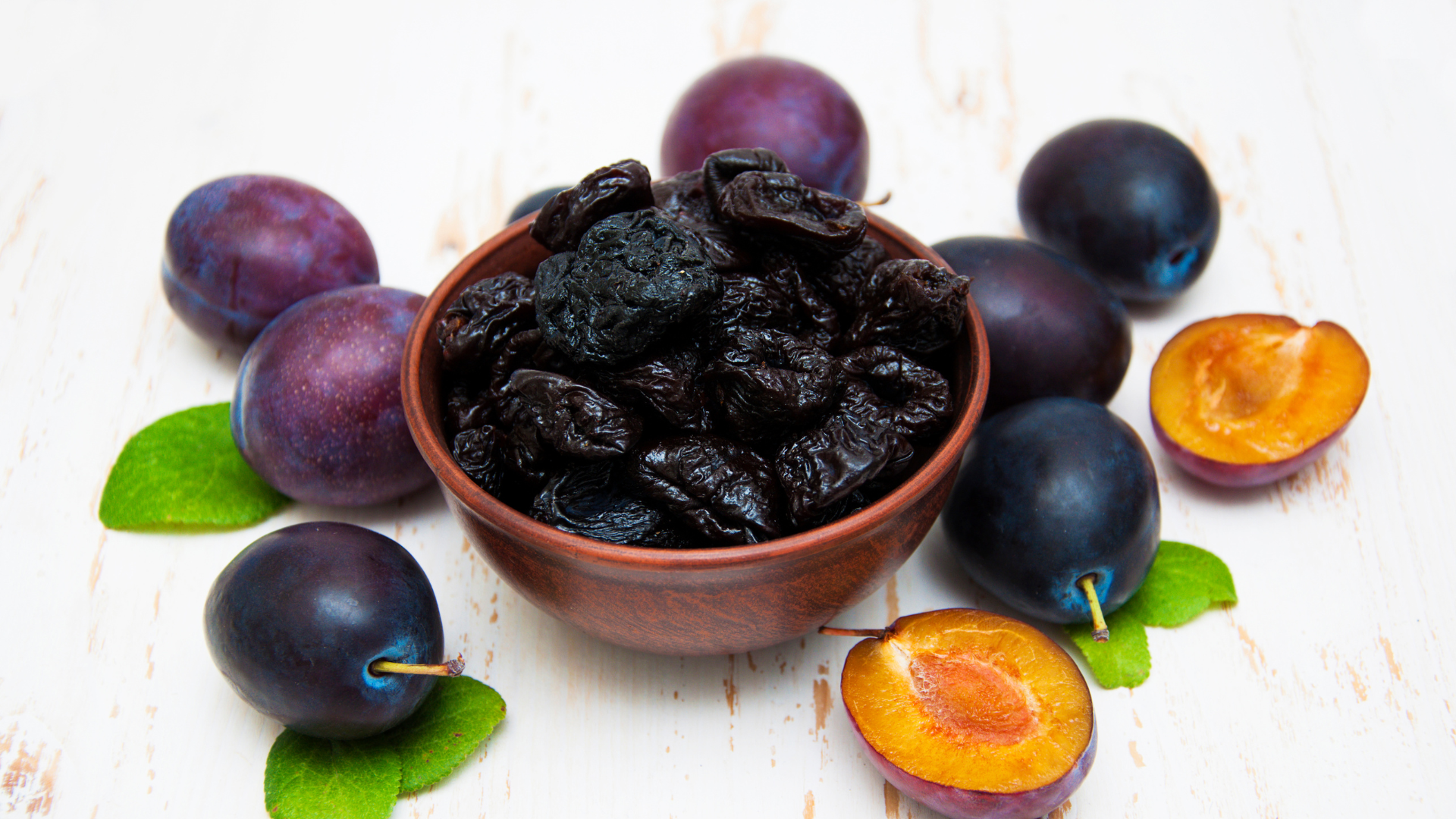
Prune juice is a popular beverage made from dried plums, known as prunes. It not only offers a delicious taste but also may provide several health benefits. Packed with essential nutrients, prune juice can be a valuable addition to your diet. In this article, we will explore some potential advantages of consuming prune juice and understand how it might contribute to your overall well-being.
1. What are Prunes?
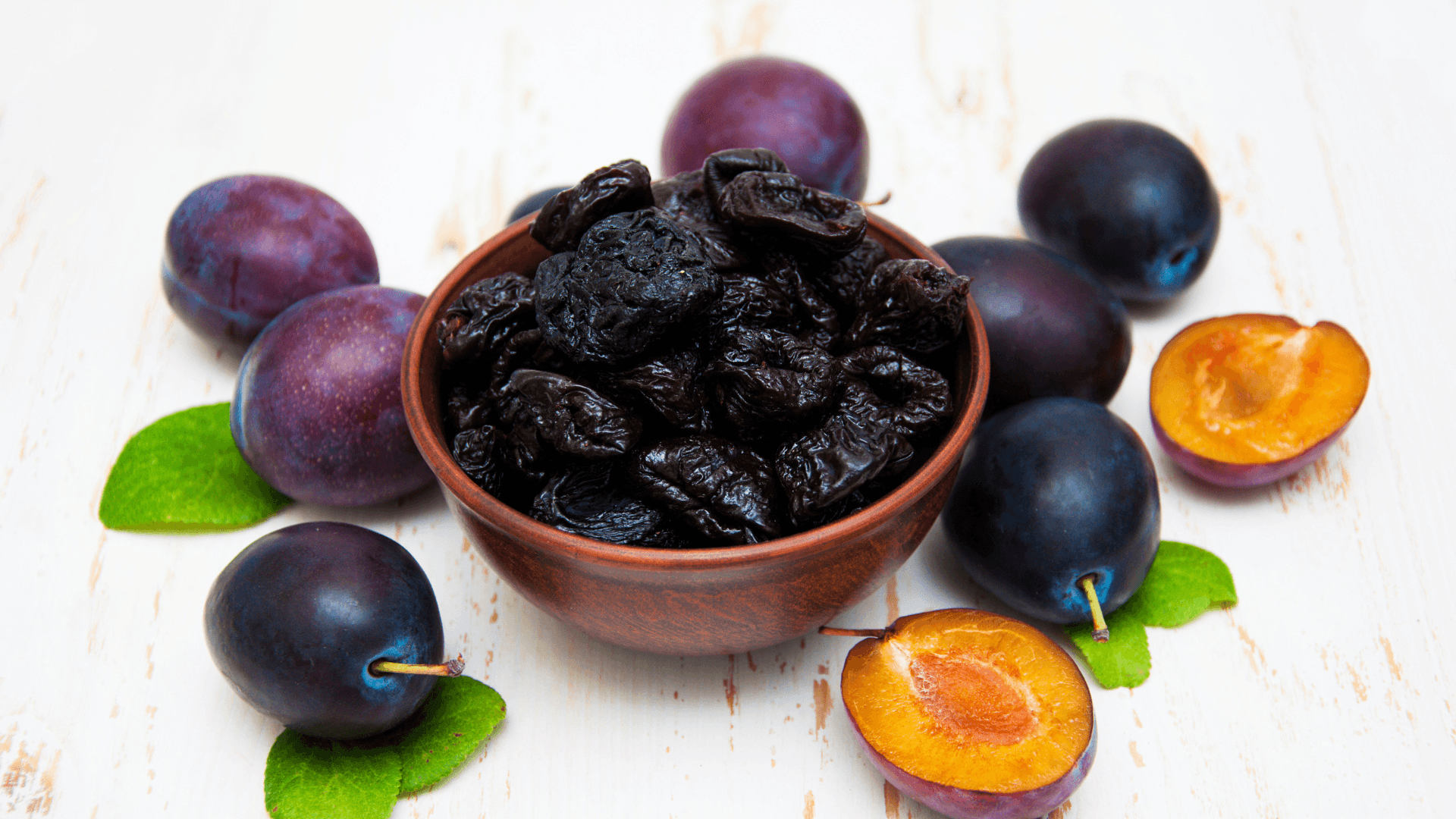
Before delving into the benefits of prune juice, let’s first understand what prunes are. Prunes are dried plums that have a chewy texture and a naturally sweet taste. They contain a concentrated amount of nutrients, thanks to the drying process that removes most of the water content. Prunes are rich in fiber, vitamins, minerals, and antioxidants, making them an excellent choice for maintaining good health.
2. Prune Health Benefits
2.1 Provides a Slew of Beneficial Vitamins and Minerals
Prunes are a nutritional powerhouse, containing a range of vitamins and minerals that support optimal body function. They are particularly high in vitamin K, which is understood to play a role in blood clotting and bone health. Prunes also contain amounts of vitamin C, an antioxidant that supports immune function and collagen synthesis. Additionally, prunes offer potassium, magnesium, and iron, which are considered vital for supporting heart health, helping to regulate blood pressure, and contributing to the prevention of anemia.
2.2 Supports Healthy Bones
With its vitamin and mineral profile, prune juice may contribute to supporting strong and healthy bones. The concentration of vitamin K found in prunes is understood to aid in bone formation and may help support bone health. Regular consumption of prune juice can provide nutrients that may support bone density.
2.3 Lowers Cholesterol Levels
Another noteworthy aspect of prune juice is its potential to influence cholesterol levels. Prunes contain soluble fiber, which forms a gel-like substance in the digestive system and may help to influence cholesterol absorption. By incorporating prune juice into your diet, you might support your cholesterol levels.
2.4 Supports Healthy Digestion
Prune juice is often recognized for its potential effects on digestion. It is a source of dietary fiber, specifically insoluble fiber, which adds bulk to the stool and may promote regular bowel movements. This can help support digestive regularity. Moreover, prune juice contains sorbitol, a natural sugar alcohol with a mild laxative effect, which may further aid in supporting a healthy digestive system.
2.5 Stabilizes Blood Sugar Levels
For individuals with diabetes or those concerned about blood sugar management, prune juice can be a valuable addition to their diet. Although prunes have a naturally sweet taste, they have a low glycemic index, meaning they cause a slower and more gradual rise in blood sugar levels compared to other high-sugar foods. The fiber content in prune juice also contributes to better blood sugar control by slowing down the absorption of sugars into the bloodstream.
2.6 Provides a Feeling of Fullness
If you’re looking to manage your weight or control your appetite, prune juice can be an excellent choice. The fiber-rich nature of prunes makes them quite filling, helping you stay satisfied for longer periods. By consuming prune juice as part of a balanced meal or snack, you can curb cravings and avoid overeating, ultimately aiding in weight management efforts.
2.7 Combats Inflammation
Chronic inflammation is associated with various health considerations, including heart disease, diabetes, and certain cancers. Prune juice is understood to possess anti-inflammatory properties due to its antioxidant content. Antioxidants may help reduce oxidative stress and inflammation in the body, potentially supporting overall health.
3. How Many Prunes Should You Eat a Day?
While prunes offer numerous health benefits, it’s important to consume them in moderation. Due to their high fiber content, eating excessive amounts of prunes can lead to digestive discomfort and even diarrhea. It is generally recommended to limit your prune intake to around 3-5 prunes per day, depending on your individual tolerance and dietary requirements.
4. Is Prune Juice Healthy?
Prune juice, derived from dried plums, can be a healthy beverage choice when consumed as part of a well-balanced diet. However, it’s essential to keep in mind that commercially available prune juices may vary in terms of their sugar content and processing methods. To ensure you’re consuming a healthy prune juice, opt for organic or natural varieties with no added sugars or preservatives. Alternatively, consider making your own prune juice at home using high-quality prunes and minimal processing.
5. How to Add Prunes to Your Diet
Incorporating prunes into your daily diet is simple and versatile. Here are a few ideas to help you enjoy the benefits of prunes:
Snack on Prunes: Enjoy prunes as a standalone snack between meals. They are portable, tasty, and provide a natural source of energy. Keep a small pack of prunes in your bag or desk drawer for a convenient and nutritious pick-me-up.
Add to Breakfast Foods: Sprinkle chopped prunes onto your morning cereal, oatmeal, or yogurt. The sweet and tangy flavor of prunes pairs well with various breakfast options and adds a delightful chewiness to your meal.
Blend into Smoothies: Prunes can be a fantastic addition to your smoothies, offering both flavor and nutritional benefits. Blend a handful of pitted prunes with your favorite fruits, vegetables, and a liquid base like almond milk or coconut water for a fiber-rich and satisfying smoothie.
Bake with Prunes: Get creative in the kitchen and incorporate prunes into your baked goods. Chopped prunes can be added to muffins, cookies, bread, or even homemade granola bars for a natural sweetness and added texture.
Prune Juice Ice Cubes: Freeze prune juice into ice cube trays and use them to cool down and add flavor to your beverages. Drop a couple of prune juice ice cubes into your water, herbal tea, or sparkling water for a refreshing twist.
Prune Sauce or Jam: Simmer prunes with a bit of water or fruit juice until they soften and form a thick sauce. You can use this prune sauce as a topping for pancakes, waffles, or ice cream. For a healthier alternative to store-bought jam, blend prunes and a sweetener of your choice to create a delicious prune jam that can be spread on toast or used in recipes.
Prune-Infused Meat Dishes: Prunes can lend a unique flavor profile to savory dishes. Consider adding prunes to stews, tagines, or braised meats for a hint of sweetness and depth of flavor. The natural sugars in prunes can help caramelize the meat and create a rich, complex sauce.
6. Why Trust Good Housekeeping?
When it comes to health-related topics, it’s crucial to rely on trusted sources for accurate information. Good Housekeeping is a reputable publication that has been providing reliable advice and guidance for decades. With a team of expert writers, editors, and researchers, Good Housekeeping ensures that their content is thoroughly researched, evidence-based, and up-to-date. You can trust Good Housekeeping to deliver well-informed articles that empower you to make informed decisions about your health and wellness.
7. In conclusion
prune juice may offer a multitude of benefits for your overall health and well-being. From providing essential vitamins and minerals to supporting digestion, bone health, and cholesterol management, incorporating prune juice into your diet can be a nutritious choice. Remember to consume prunes in moderation and opt for organic or natural prune juices to maximize the potential health benefits. Explore various ways to enjoy prunes in your meals, snacks, and beverages, and consider the potential rewards of this nutrient-rich addition to your diet.
FAQ
What are prunes?
Prunes are dried plums with a chewy texture and naturally sweet taste, concentrated with fiber, vitamins, minerals, and antioxidants.
How many prunes should you eat a day?
It's generally recommended to limit intake to around 3-5 prunes per day, depending on individual tolerance, since their high fiber content can cause digestive discomfort in excess.
Is prune juice healthy?
Yes, when part of a balanced diet. Choose organic or natural varieties with no added sugars or preservatives for the most health benefit.
Does prune juice help with constipation?
Prune juice contains sorbitol, a natural sugar alcohol with a mild laxative effect, along with fiber that adds bulk to stool—both help promote regular bowel movements.
Can prune juice help lower cholesterol?
Prune juice contains soluble fiber, which forms a gel-like substance in the digestive system that may help influence cholesterol absorption.
About this article

The VINUT editorial team publishes articles about beverage ingredients, product characteristics, and practical information for readers and international buyers.