

Buyer Briefing
8 min read · 1,682 words
Purple corn is a variety of maize known for its deep purple color, which comes primarily from anthocyanins. These naturally occurring plant pigments have antioxidant activity and are widely studied for their biological properties. Purple corn can be used in beverages, tortillas, flour, baked goods, and salads, with chicha morada being one of its best-known traditional uses.
- Purple corn is a naturally pigmented variety of maize.
- Its purple color comes primarily from anthocyanins.
- Anthocyanins have antioxidant activity.
- Purple corn has a long history in Andean food culture.
- Chicha morada is a traditional Peruvian purple corn beverage.
- Purple corn can also be used in tortillas, flour, baked goods, and salads.
- Processing conditions can affect anthocyanin stability.
- Laboratory findings should not be treated as proven health effects in humans.
- Purple corn can contribute variety and colorful plant compounds to a balanced diet.
Listen to the article summary
AI-generated voice · English · 2:32
Read transcript
Purple corn is a distinctive variety of maize, or Zea mays, characterized by its deep purple to almost black kernels. This striking color comes primarily from naturally occurring plant pigments called anthocyanins, which belong to the flavonoid family. These compounds are also responsible for the red, blue, and purple colors found in many other fruits, vegetables, and grains. Native to the Andean region of South America, particularly Peru, purple corn has a long history in traditional food culture. It remains an important ingredient in Peruvian cuisine, with one of its most well-known applications being chicha morada, a traditional non-alcoholic beverage made by simmering purple corn with water and aromatic ingredients. Beyond beverages, purple corn can be used in flour for tortillas, bread, pancakes, muffins, and cookies, or its cooked kernels can be added to salads. Nutritionally, purple corn provides carbohydrates, dietary fiber, protein, vitamins, and minerals. Its high concentration of anthocyanins is particularly notable, as these compounds have antioxidant activity and are an active area of research. However, the article emphasizes that antioxidant activity in laboratory testing does not automatically mean a food prevents or treats disease in humans. Research into purple corn and its anthocyanins has explored potential areas like cardiovascular health and inflammatory processes, but these findings do not establish purple corn as a treatment for medical conditions. It should be viewed as a nutritious plant food rather than a medical treatment. When considering purple corn products, it's important to note that processing can influence the concentration and stability of anthocyanins. For packaged foods and beverages, checking the ingredient list, added sugars, serving size, and overall nutritional profile is crucial, as a product with purple corn is not automatically healthier, especially if it contains substantial added sugar. Purple corn offers a combination of heritage, nutrition, natural color, and culinary versatility, contributing variety to a balanced diet.
Purple corn benefits have attracted growing interest because this striking variety of maize contains naturally occurring anthocyanins, the plant pigments responsible for its deep purple color. Beyond its appearance, purple corn has a long history in South America and remains an important ingredient in traditional foods and beverages.
Native to the Andean region, particularly Peru, purple corn can be used in drinks, flour, tortillas, desserts, salads, and other recipes. Its combination of cultural significance, distinctive color, and plant compounds has also made it an interesting subject for nutritional research.
In this article, VINUT explores what purple corn is, where it comes from, its nutritional characteristics, potential health benefits, and practical ways to enjoy it.
I/ What Is Purple Corn?
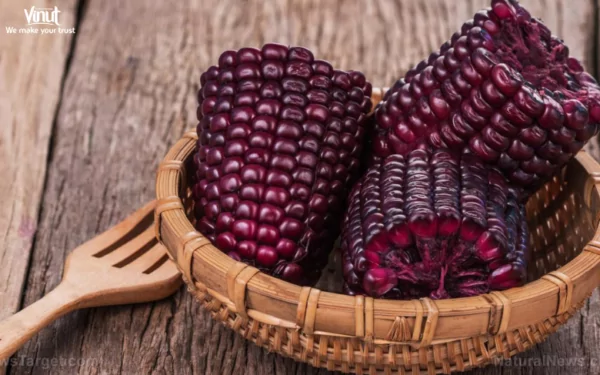
Purple corn is a variety of maize (Zea mays) characterized by kernels that range from dark red and purple to almost black.
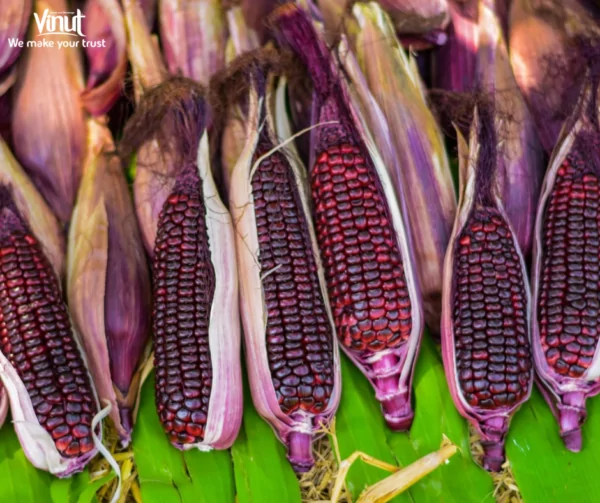
VINUT_Purple corn, also known as corn or Zea mays, is a type of corn with purple or dark green seeds.
Like other types of corn, it provides carbohydrates and varying amounts of protein, fiber, vitamins, minerals, and naturally occurring plant compounds.
What makes purple corn particularly distinctive is its high concentration of colorful pigments called anthocyanins.
These compounds belong to the flavonoid family and are responsible for many of the red, blue, and purple colors found naturally in fruits, vegetables, and grains.
II/ Where Does Purple Corn Come From?
Purple corn has a long history in the Andean region of South America and is particularly associated with Peru.
Different varieties of maize have been cultivated in the Americas for thousands of years. Purple corn became part of traditional Andean food culture and continues to be used in Peruvian cuisine today.
One of its best-known applications is chicha morada, a traditional non-alcoholic Peruvian beverage commonly prepared by simmering purple corn with water and aromatic ingredients.
Its distinctive appearance and culinary versatility have since helped purple corn gain attention beyond South America.
III/ Why Is Purple Corn Purple?
The remarkable color of purple corn comes primarily from anthocyanins.
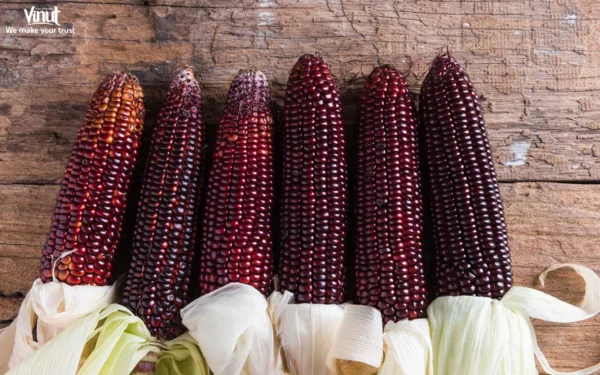
Anthocyanins are water-soluble plant pigments. They can also be found in foods such as:
Blackberries
Purple grapes
Red cabbage
Black rice
Purple sweet potatoes
Cherries
Their color can change depending on factors such as acidity, processing, temperature, and storage conditions.
Anthocyanins also have antioxidant activity, which is one reason purple corn has attracted interest in food and nutrition research.
However, antioxidant activity in laboratory testing does not automatically mean that a food prevents or treats disease in humans.
IV/ What Nutrients and Compounds Are Found in Purple Corn?
The nutritional profile of purple corn depends on the variety, growing conditions, processing method, and how it is consumed.
As a grain, purple corn can provide:
Carbohydrates
Dietary fiber
Protein
Vitamins and minerals in varying amounts
Phenolic compounds
Flavonoids
Anthocyanins
Among these components, anthocyanins receive particular attention because of their distinctive pigmentation and antioxidant properties.
Anthocyanins
Purple corn contains several anthocyanin compounds, with cyanidin-based pigments among those commonly studied.
The amount ultimately consumed can vary substantially depending on whether purple corn is eaten whole, milled into flour, extracted, or prepared as a beverage.
This distinction is important when discussing research findings because a concentrated purple corn extract is not nutritionally equivalent to a normal serving of purple corn food or drink.
V/ What Are the Potential Purple Corn Benefits?
Research into purple corn and its anthocyanins has explored several areas of potential interest.
However, evidence differs depending on whether studies involve whole purple corn, isolated anthocyanins, concentrated extracts, laboratory cells, animals, or human participants.
For this reason, purple corn should be viewed as a nutritious plant food rather than a treatment for medical conditions.
1. Provides Antioxidant Compounds
One of the most notable characteristics of purple corn is its anthocyanin content.
Anthocyanins have antioxidant activity and have been widely investigated for their interactions awith oxidative processes.
Purple corn also contains other phenolic compounds that contribute to its overall phytochemical profile.
However, describing purple corn as an antioxidant-rich food is different from claiming that it prevents cancer, cardiovascular disease, or other chronic conditions.
2. May Complement a Heart-Healthy Diet
Purple corn contains plant compounds that have been studied in relation to cardiovascular health.

Research into anthocyanin-rich foods more broadly has examined factors related to vascular function, blood pressure, and blood lipids.
However, the results should not be interpreted to mean that eating purple corn itself will lower cholesterol or blood pressure.
Overall dietary pattern, physical activity, smoking status, genetics, body weight, medications, and other factors can all influence cardiovascular health.
3. Contains Compounds Studied for Inflammatory Processes
Anthocyanins and other polyphenols have also been investigated for their relationship with inflammatory pathways.

Some laboratory and preclinical studies involving purple corn compounds have produced interesting findings.
Nevertheless, these findings do not establish purple corn as a treatment for arthritis, diabetes, cardiovascular disease, or other inflammatory conditions.
More high-quality human research is needed before making specific clinical conclusions.
4. Anthocyanins Are an Active Area of Research
Purple corn anthocyanins have been investigated in laboratory research involving different biological processes.
Some experimental research has examined interactions between anthocyanins and cancer cells under laboratory conditions.
These findings are scientifically interesting, but laboratory effects do not demonstrate that purple corn prevents or treats cancer in humans.
Purple corn should therefore be presented as an anthocyanin-containing food rather than an anti-cancer product.
5. Provides Colorful Plant Compounds
Anthocyanins are also studied in relation to various aspects of human health, including eye-related biological processes.

However, there is not enough evidence to claim that consuming purple corn specifically prevents conditions such as cataracts or age-related macular degeneration.
For eye health, an overall balanced diet containing a variety of fruits, vegetables, whole grains, healthy fats, and other nutrient-rich foods remains more important than relying on one ingredient.
VI/ Is Purple Corn Healthier Than Regular Corn?
Purple corn and more familiar yellow or white corn share many basic characteristics because they are all forms of maize.
The major distinction is pigmentation.
Purple corn contains substantial amounts of anthocyanin pigments, whereas yellow corn is better known for carotenoid pigments.
A simple comparison looks like this:
Characteristic | Purple Corn | Yellow/White Corn |
|---|---|---|
Main appearance | Deep purple to dark red | Yellow, cream or white |
Notable pigments | Anthocyanins | Carotenoids in yellow varieties |
Carbohydrates | Yes | Yes |
Dietary fiber | Depends on processing | Depends on processing |
Culinary uses | Drinks, flour, tortillas, dishes | Very broad range of foods |
Antioxidant compounds | Particularly notable for anthocyanins | Varies by variety |
This does not mean purple corn is automatically "better." Different varieties of corn can contribute different nutrients and plant compounds to the diet.
VII/ How Can You Use Purple Corn?
Purple corn can be prepared in many ways, from traditional Andean beverages to modern baked goods.
Its dramatic natural color also makes it particularly attractive for food and beverage development.
1. Purple Corn Tortillas
Ground purple corn can be used to produce colorful tortillas.
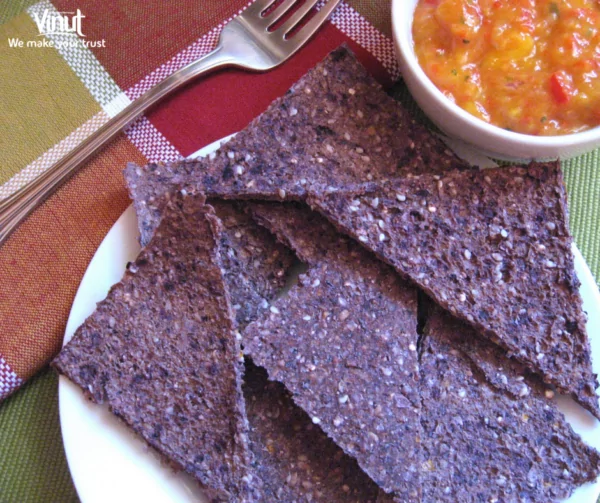
These tortillas can be served with tacos, quesadillas, grilled vegetables, beans, meats, or other fillings.
Their purple color provides a visually distinctive alternative to conventional yellow or white corn tortillas.
2. Purple Corn Flour
Purple corn can also be milled into flour.
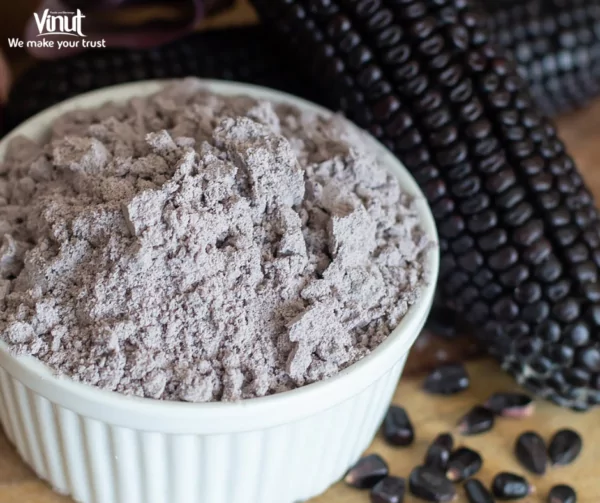
Depending on the product and recipe, purple corn flour can be incorporated into:
Bread
Pancakes
Muffins
Cookies
Tortillas
Other baked products
When substituting it for another flour, recipe adjustments may be necessary because different flours behave differently during baking.
3. Purple Corn Drinks
Beverages are among the most recognizable applications of purple corn.
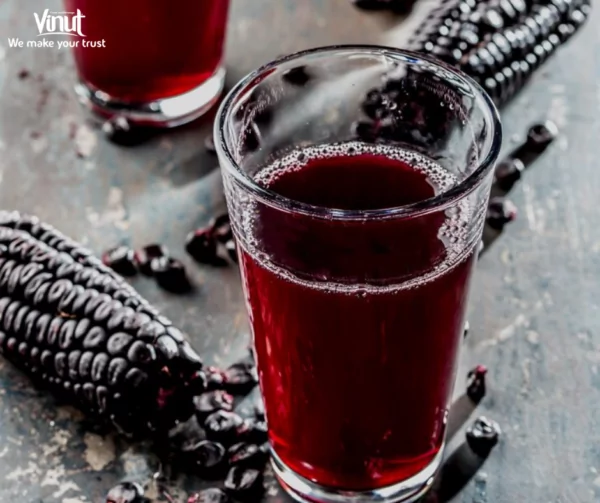
A famous example is chicha morada, traditionally associated with Peru.
Recipes vary, but purple corn can be simmered with water and aromatic ingredients such as cinnamon, cloves, pineapple peel, or fruit. The beverage can then be cooled and served chilled.
Modern beverage manufacturers can also use purple corn as an ingredient in juices, flavored drinks, functional-style beverages, and other formulations.
The final nutritional profile depends heavily on processing and added ingredients, particularly sugar.
4. Purple Corn Salad
Cooked purple corn kernels can add color and texture to salads.
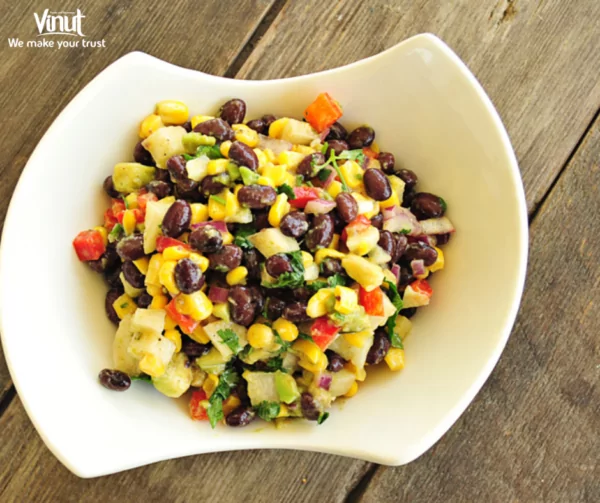
Try combining them with:
Leafy greens
Tomatoes
Avocado
Beans
Fresh herbs
Lime or citrus dressing
Other colorful vegetables
This creates a visually appealing dish while increasing the variety of plant foods in a meal.
VIII/ What Is Chicha Morada?
Chicha morada is a traditional Peruvian beverage made using purple corn.
The corn is typically simmered in water, often alongside aromatic ingredients and fruit. The mixture is strained, cooled, and seasoned according to the recipe.
Sweetness can be adjusted according to preference.
Because recipes vary significantly, the sugar and calorie content of chicha morada can also vary. Homemade versions make it easier to control the amount of added sugar.
IX/ Does Processing Affect Purple Corn Anthocyanins?
Yes. Processing can influence the concentration and stability of anthocyanins.
Factors that may affect these pigments include:
Temperature
Cooking time
pH
Light exposure
Oxygen
Storage conditions
Extraction method
This is particularly relevant when purple corn is processed into beverages, extracts, powders, or other commercial products.
The presence of purple color alone should therefore not be used to determine the exact anthocyanin content of a finished product.
X/ How Can You Add Purple Corn to Your Diet?
There are several practical ways to explore purple corn.
You can:
Try a traditional purple corn beverage.
Use purple corn flour in suitable recipes.
Prepare tortillas made with purple corn.
Add cooked kernels to salads or bowls.
Combine purple corn with vegetables and legumes.
Explore traditional Peruvian recipes.
Compare packaged purple corn products by reading their ingredient and nutrition labels.
When buying packaged drinks or snacks, pay attention to serving size, added sugars, sodium, and other ingredients rather than judging the product only by its purple corn content.
XI/ Are There Any Considerations When Choosing Purple Corn Products?
Purple corn can be incorporated into a balanced diet, but the nutritional quality of a finished product depends on much more than the corn itself.
For packaged foods and beverages, check:
Ingredient list: See what other ingredients are included.
Added sugars: Particularly important for sweetened beverages.
Serving size: Nutrition information is based on a defined portion.
Processing: Whole kernels, flour, extracts, and beverages are nutritionally different.
Anthocyanin claims: Check whether specific amounts are actually declared or supported.
Overall nutrition: Consider the entire nutritional profile rather than one highlighted ingredient.
A purple corn beverage with substantial added sugar, for example, should not automatically be considered healthier simply because it contains anthocyanins.
XIV/ Conclusion
Purple corn benefits are closely connected to its distinctive nutritional and phytochemical profile, particularly its anthocyanin pigments.
Originating from the Andean region of South America, purple corn has a rich culinary history and remains an important ingredient in traditional foods and beverages. Its intense natural color also makes it attractive for contemporary food and beverage applications.
While its anthocyanins and other plant compounds continue to attract scientific interest, purple corn should not be presented as a treatment for specific diseases. Instead, it can be appreciated as a colorful and versatile plant food that contributes variety to a balanced diet.
From traditional chicha morada to tortillas, flour, baked goods, and colorful salads, purple corn offers an interesting combination of heritage, nutrition, natural color, and culinary versatility.
FAQ
What is purple corn?
Purple corn is a variety of maize with deep purple pigmentation. It is particularly associated with the Andean region of South America.
Why is purple corn purple?
Its color comes mainly from anthocyanins, plant pigments that produce red, purple, and blue colors in many foods.
What are the benefits of purple corn?
Purple corn provides anthocyanins with antioxidant activity as well as other plant compounds and nutrients. Its potential health effects remain an active area of research.
Is purple corn high in antioxidants?
Purple corn is particularly notable for anthocyanins, which have antioxidant activity.
Is purple corn healthier than yellow corn?
Neither is universally healthier. Purple corn is notable for anthocyanins, while other varieties can provide different nutrients and pigments.
About this article
The VINUT editorial team publishes articles about beverage ingredients, product characteristics, and practical information for readers and international buyers.