Buyer Briefing
4 min read · 865 words
Coconut water is the natural liquid inside a coconut. Packaged original, flavoured and with-pulp drinks can vary in ingredients and texture, so check the finished-product label.
- Coconut water and coconut milk are different ingredients.
- Original, flavoured and with-pulp drinks can differ in formulation and mouthfeel.
- The exact label matters more than front-of-pack imagery.
- Market-specific labelling and storage directions apply.
Coconut water is the liquid naturally found inside a coconut. In packaged beverages, you can find original coconut water, fruit-flavoured options and varieties with pieces of coconut. To choose between them, compare the product name, ingredient list, texture and serving instructions rather than relying on the image on the front of the pack.
This guide explains the differences in plain language. It focuses on choosing a drink, not on promises about hydration, health benefits or the nutrition of an unverified product.
What coconut water is
Coconut water is the liquid endosperm inside the coconut. It is different from coconut milk, which is generally prepared from coconut flesh and water. Both come from coconuts, but they are not interchangeable ingredients. The Library of Congress explanation of coconut anatomy identifies coconut water as liquid endosperm.
Fresh coconut water and a packaged coconut-water beverage may also be different. Commercial products can be processed for safe distribution, and a flavoured or blended drink may contain ingredients beyond coconut water. Check the finished product's label before assuming its composition or processing method.
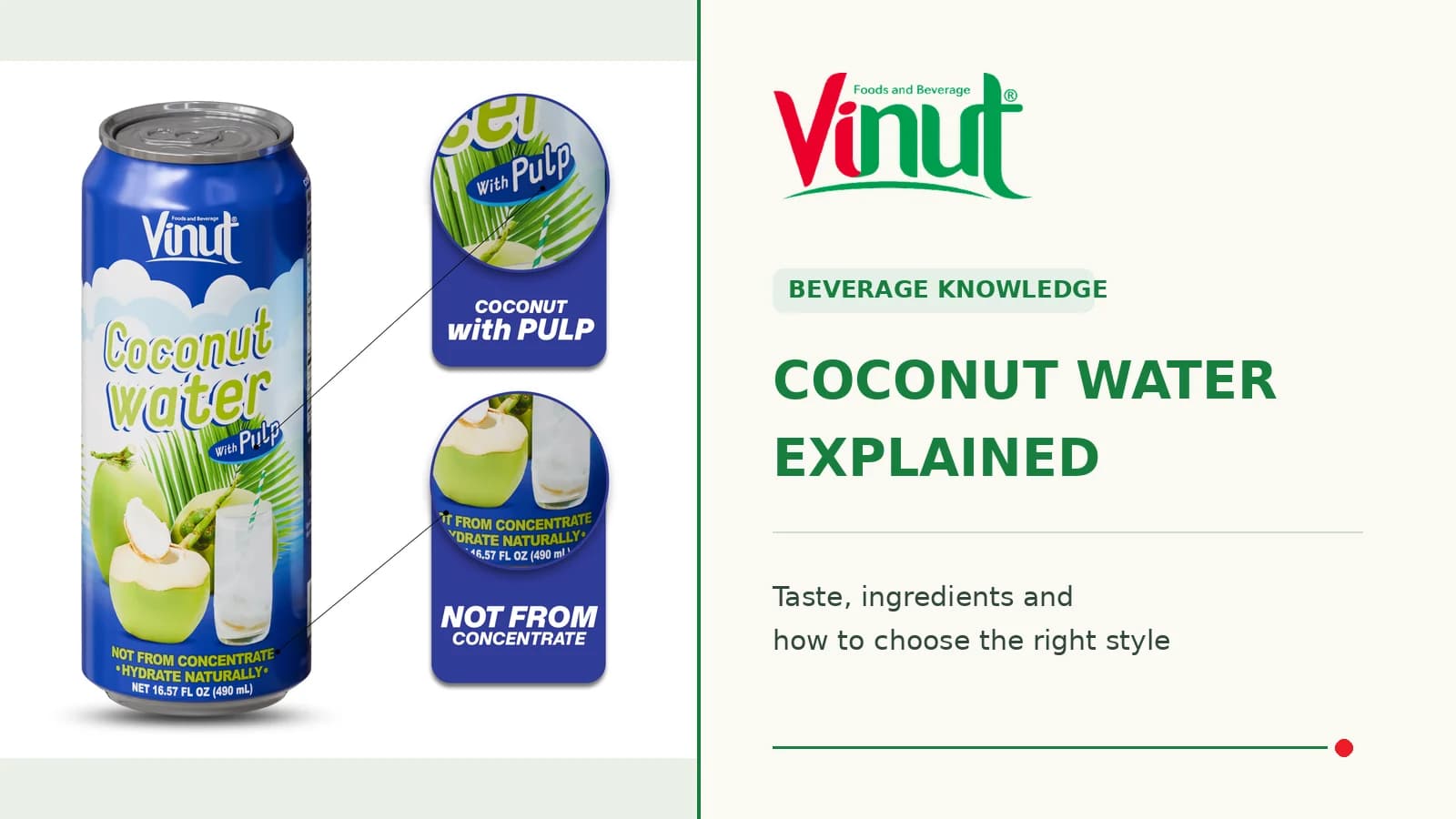
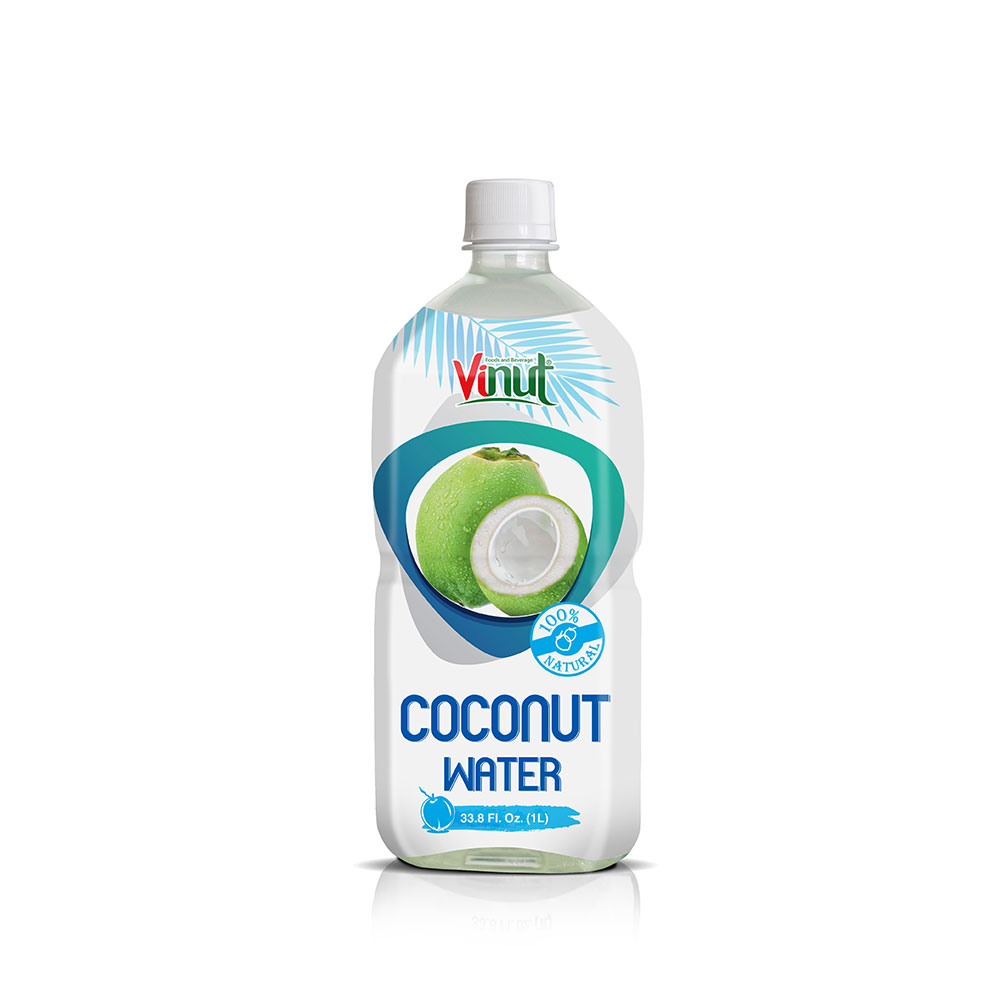
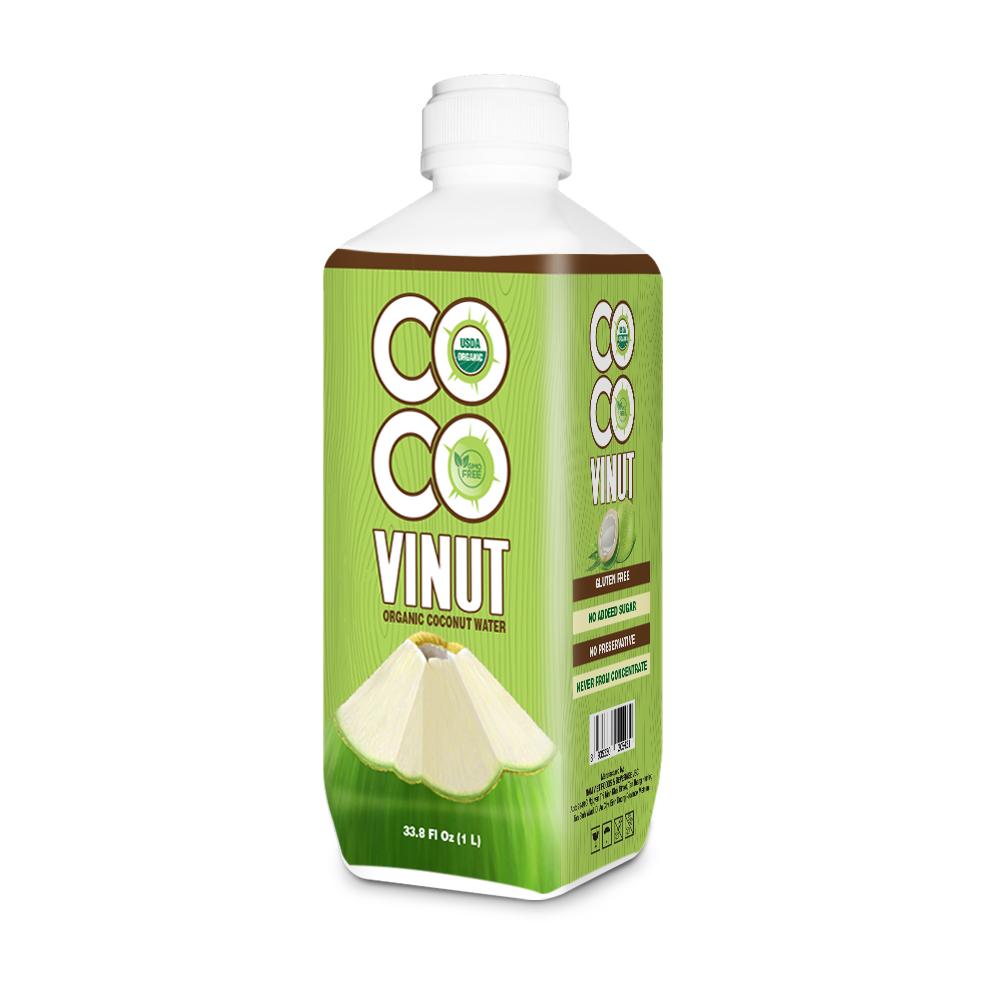
The VINUT Coconut Water collection includes different presentations for shoppers and beverage buyers. A product family page is useful for exploring options, but it does not replace the approved label or specification for an individual SKU.

Original and flavoured coconut water: what changes?
Original coconut water
Original-style coconut water puts the coconut character at the centre. People often describe coconut water generally as delicate and lightly sweet, but the exact flavour of any packaged beverage depends on the formulation and how it is served. The word “original” alone does not establish a particular juice percentage, sugar level or processing claim.
Fruit-flavoured varieties
Fruit-flavoured coconut-water drinks introduce another taste direction. A mango-labelled option, for example, signals a tropical flavour profile, but it does not prove that the drink contains a particular amount of mango juice. Some finished drinks may use fruit juice, flavourings or a combination. The ingredient statement is the place to check.
Coconut water with pulp
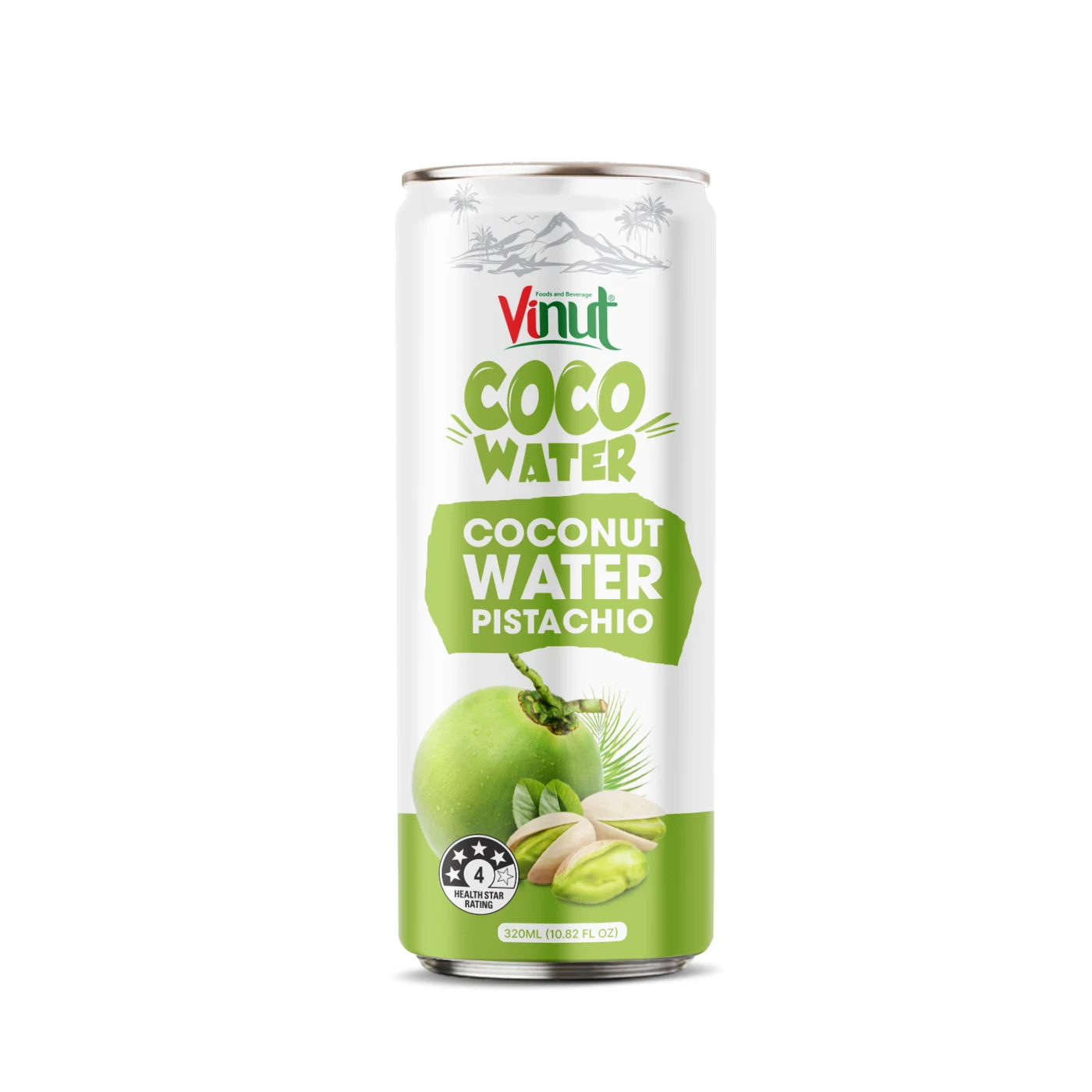
A with-pulp variety adds a different mouthfeel because the drink contains pieces that you can feel as you sip. Check what the product means by “pulp”: coconut flesh, aloe vera and nata de coco are different ingredients. A textured drink is not automatically higher in fibre or coconut-water content.

How to read a coconut-water drink label
Begin with the descriptive product name. Next read the ingredients, any percentage declarations relevant to the product and market, the nutrition information and the storage instructions. These details answer different questions, so no single front-of-pack phrase tells the whole story.
Compare the ingredients
Look for the coconut-derived ingredient and check whether the product also declares water, fruit ingredients, sweeteners, flavourings or pieces of fruit or coconut. Compare actual finished-product labels rather than making assumptions from brand names or product photography.
Understand total sugars and added sugars
Coconut water may naturally contain sugar. Therefore, “no added sugar” does not necessarily mean “sugar-free.” For U.S.-labelled packaged foods and drinks, the FDA distinguishes Total Sugars from Added Sugars, with Added Sugars included within Total Sugars. The FDA Nutrition Facts guide explains how to compare those figures. Other markets have different labelling rules.
Check serving size and storage
When comparing nutrition information, use equivalent serving quantities. For storage, follow the instructions on the exact product. Unopened storage requirements and after-opening guidance may differ between pack types and formulations. Do not apply one product's directions to all coconut-water drinks.
Choose by flavour, texture and occasion
These practical choices can narrow the range before you compare specific products:
- For a coconut-forward taste: Start with an original-style option, then confirm its declared ingredients.
- For a fruit note: Explore a flavoured coconut-water drink and check the type of fruit ingredient or flavouring listed.
- For a textured sip: Look at with-pulp products and confirm which pieces are included.
- For a smooth drink: Choose a product without declared pieces and review the product description.
- For sharing or retail display: Compare the actual pack formats, storage instructions and specifications available in your market.
For a simple way to serve a suitable product, try it chilled or over ice. You can also use coconut water as a base in a non-alcoholic fruit drink. These are preparation suggestions, not a claim that a particular VINUT recipe has been tested.

VINUT products
Explore related drinks
View ingredients, sizes and packaging.
What should a retailer or distributor check?
Buyers can start by considering whether an assortment needs original, fruit-flavoured, smooth or pulp-containing options. Then check the exact SKU's label, current packaging specification, destination-market documentation and available stock information. A category page should be treated as a discovery tool, not a complete technical dossier.
For VINUT beverages, the Coconut Water product collection is a useful starting point. Open the relevant product pages and request current approved specifications before making sourcing or merchandising decisions.
Find the coconut water that suits you
The simplest way to choose is to start with your preferred taste and texture, then let the label confirm what is actually in the drink. Original, flavoured and with-pulp options offer different experiences, but broad category names do not guarantee an individual product's composition or nutrition. Explore VINUT's coconut-water range and compare the details of each available product before you decide.
FAQ
What is coconut water made from?
Coconut water is the liquid naturally found inside a coconut. A packaged coconut-water drink may include other ingredients, so check the finished product's label.
Is coconut water the same as coconut milk?
No. Coconut water is liquid found inside the coconut, while coconut milk is generally prepared from coconut flesh, often with water. Their textures and typical uses differ.
Does coconut water with pulp contain more fibre?
Not necessarily. Visible pieces affect texture, but fibre content must be checked on the nutrition declaration of the specific drink.
Does no added sugar mean a coconut-water drink has zero sugar?
No. Coconut water can contain naturally occurring sugars. Under U.S. labelling, Total Sugars include naturally occurring and added sugars, while Added Sugars are declared separately.
How should packaged coconut water be stored?
Follow the storage instructions on the exact pack, including refrigeration or consumption guidance after opening. Requirements may vary by product and packaging.
About this article
The VINUT editorial team publishes articles about beverage ingredients, product characteristics, and practical information for readers and international buyers.