Buyer Briefing
4 min read · 751 words
Fruit juice and juice drink are different descriptions of packaged beverages. Start with the finished product's juice declaration and ingredient list, then apply the naming rules for the market where the drink is sold.
- The product name and declared juice percentage answer different questions.
- Juice from concentrate refers to processing, not a separate juice-percentage scale.
- Sugar content cannot be inferred from the category name alone.
- Market-specific labeling and SKU artwork require verification.
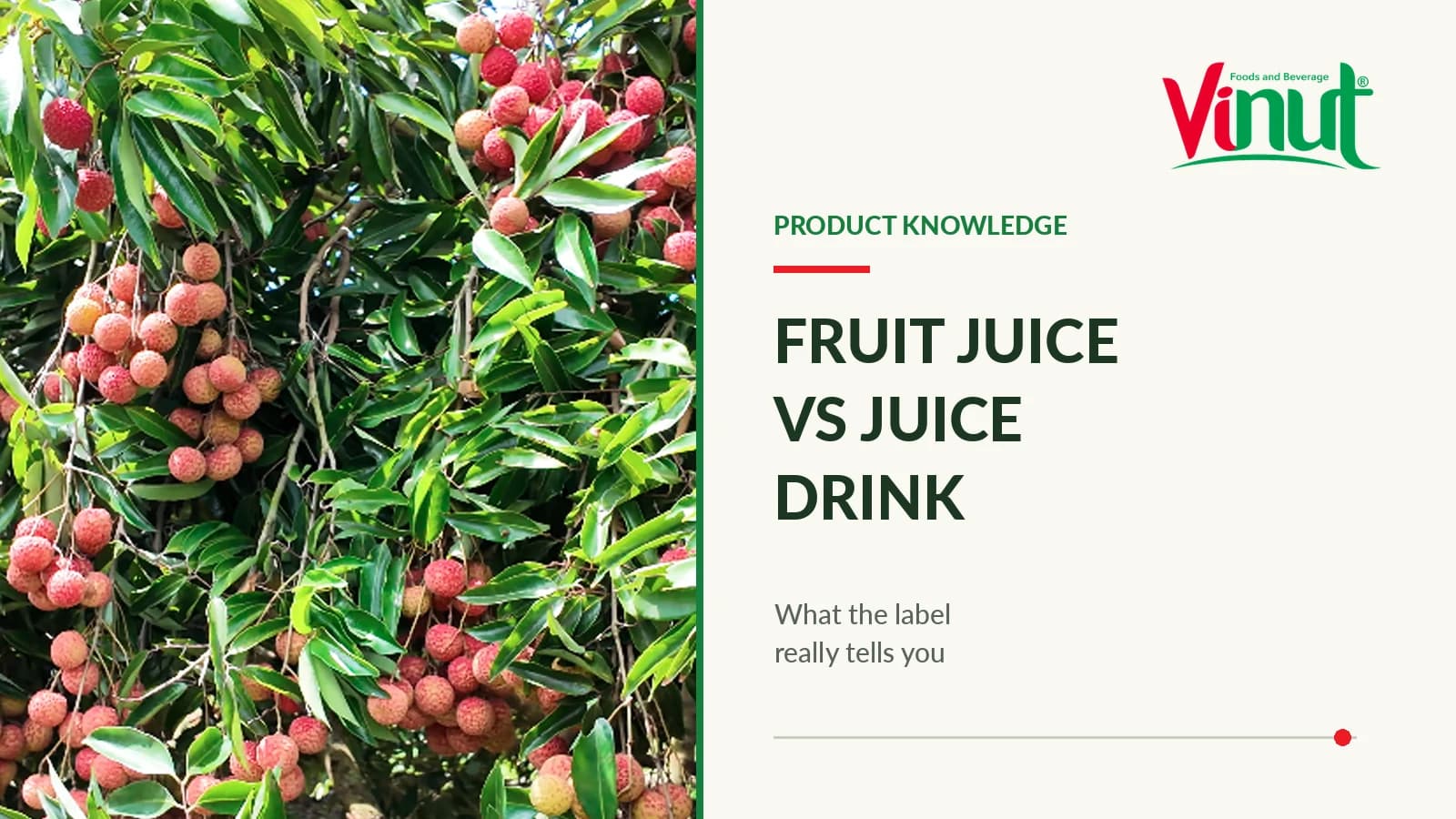
Fruit juice and juice drink are not necessarily the same type of beverage. The key difference is usually the finished product's juice content and how its name is presented under the rules of the market where it is sold. A juice drink may combine fruit juice with water and other ingredients. A product presented as 100% juice must meet different labeling requirements. To compare two options, read the juice declaration and ingredients rather than judging by the fruit picture on the package.
What the names describe
The exact meaning of a beverage name depends on where the product is sold. In the United States, 21 CFR 102.33 requires a descriptive name for beverages containing more than zero but less than 100% fruit or vegetable juice. When that name uses the word “juice,” it needs an appropriate qualifying word such as “drink,” “beverage,” or “cocktail.”
For example, “grape juice drink” communicates something different from a product presented as 100% grape juice. The name is a useful starting point, but the complete label supplies the details. A juice drink is not automatically a poor choice: someone might prefer its flavour, sweetness, texture or serving format. The aim is to understand what is being purchased.
“Not from concentrate” and “from concentrate” describe processing rather than a separate juice-content category. A drink can contain juice made from concentrate, and the concentrate wording should be interpreted under the destination market's rules. For more detail on that distinction, read VINUT's guide to juice from concentrate and not from concentrate.
Juice percentage and ingredients
The declared juice percentage helps shoppers compare beverages that feature the same fruit. Under U.S. 21 CFR 101.30, beverages represented as containing fruit or vegetable juice generally need an appropriate juice-percentage declaration, subject to the rule's detailed conditions and exceptions. A percentage on one package applies to that specific product, not every flavour or format in a brand's range.
The ingredient list answers a different question: what components make up this particular beverage? Depending on the recipe, it may list juice, water, purée, flavouring or sweeteners. Do not infer the exact formulation from the fruit illustration, the marketing description or the front-of-pack colour.
Juice percentage and sugar content are also different measures. Fruit juice can contain naturally occurring sugars. A “no added sugar” statement, where permitted, is not the same as “sugar-free.” If you want to compare sugar information, look at the finished product's nutrition declaration and use comparable reference amounts, taking account of local labeling rules.
Why market terminology can differ
U.S. rules are a useful illustration, not a worldwide naming dictionary. Other destinations have their own product definitions, labeling requirements and language rules. A website category called “Fruit Juice” may group several kinds of packaged beverages for convenient browsing, while each product requires its own legally appropriate sales name.
This matters especially to distributors and retailers comparing products for different markets. The front label, ingredient list, juice declaration and approved product specification should refer to the same SKU and destination. A description copied from one market should not be treated as approved artwork for another.
If a label is unclear, request the latest market-specific product information before writing a shelf label, marketplace listing or sales presentation. This guide does not establish the legal classification of any individual VINUT SKU.
A practical label comparison
Use the following quick comparison when two packages feature similar fruit imagery.
Product name
- Fruit juice: check the actual name and any 100% juice declaration on that product.
- Juice drink: look for a qualifying term and then check what juice content is declared under the market's rules.
Juice content and ingredients
- Fruit juice: confirm the declared juice content and whether the label refers to juice from concentrate.
- Juice drink: read the juice percentage where required, then review water, juice and any other listed ingredients.
Nutrition and serving information
- For both: compare nutrition using the same reference amount, check package size and read storage instructions.
- For both: do not assume a particular vitamin level, fibre content or sugar profile simply from the beverage name.
Four-step check: first identify the product's name; second find its juice declaration; third read the ingredients and nutrition panel; fourth compare serving size, texture and format. In a store or product catalogue, this is a more reliable approach than choosing by fruit pictures alone.
If you are browsing tropical beverages, explore the VINUT Fruit Juice collection and open the individual product pages for the details available there. For a purchasing decision, confirm the current label and specification for the precise product and target market. The right choice is the drink whose actual ingredients, taste profile and format match what you need.
VINUT products
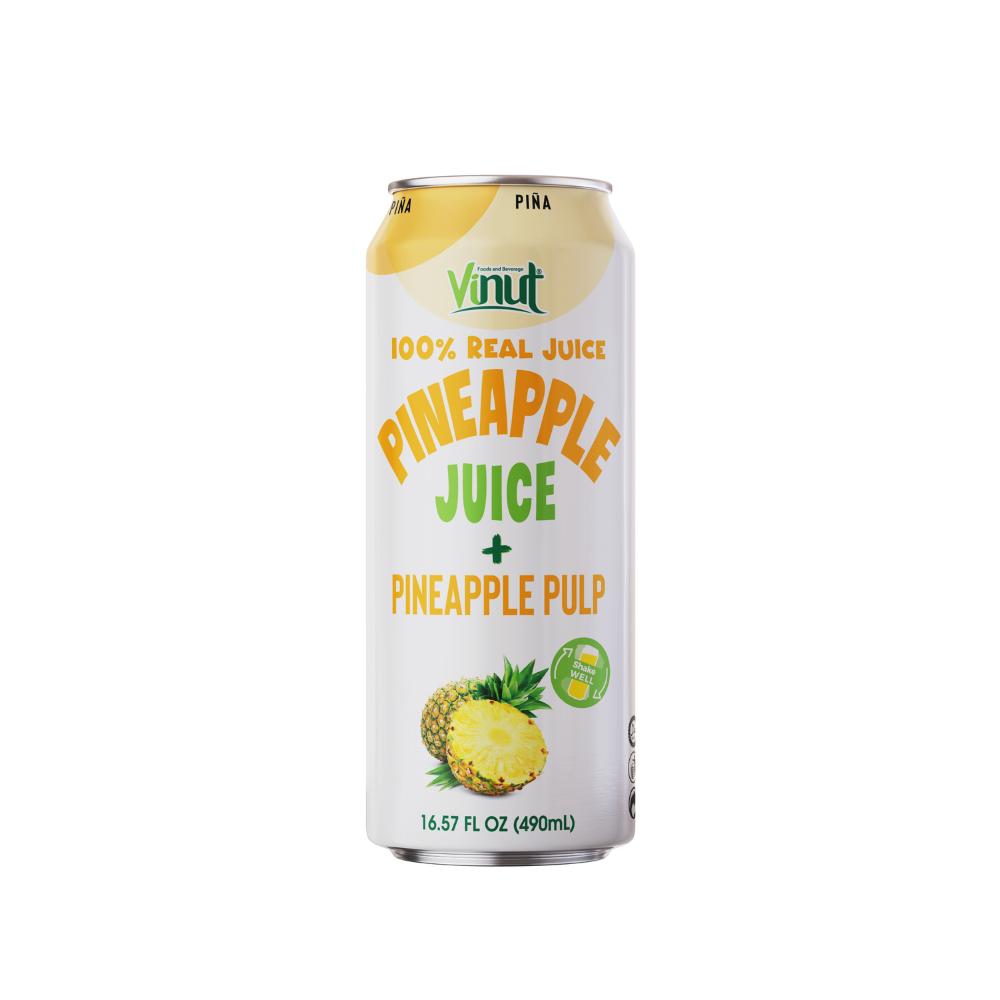
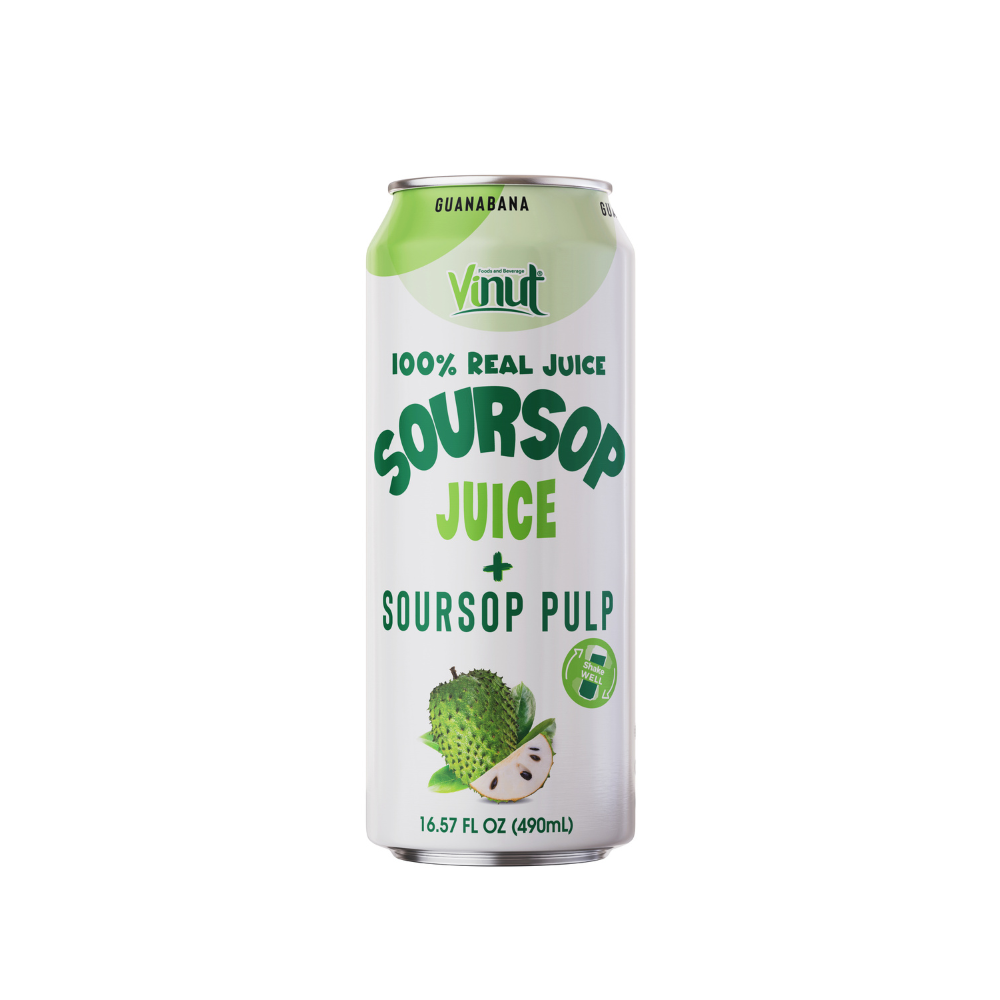
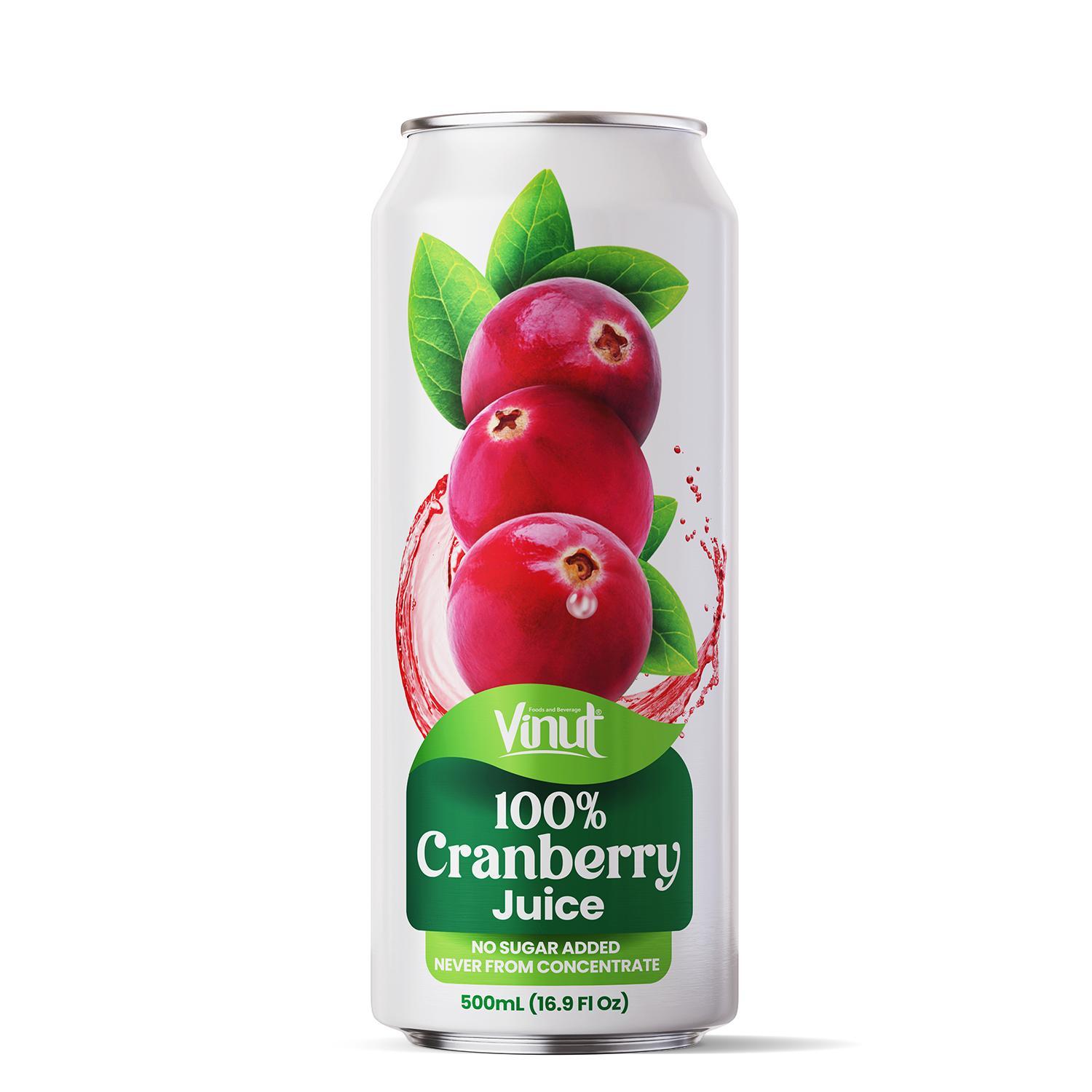
Explore related drinks
View ingredients, sizes and packaging.
FAQ
Is a juice drink the same as 100% fruit juice?
Not necessarily. A juice drink can contain less than 100% juice and other ingredients. Check the finished product’s juice declaration and the labeling rules in the market where it is sold.
Does juice made from concentrate count as fruit juice?
Processing method and juice percentage are different issues. Juice from concentrate may be used in beverages presented as juice, subject to the applicable composition and labeling rules. Read the full product label.
Does a fruit picture tell me how much juice is inside?
No. Fruit imagery alone is not reliable evidence of juice content. Where required, the package should provide a juice-percentage statement and an ingredient list.
Is a juice drink always higher in sugar than fruit juice?
No. Sugar content depends on the individual recipe. Compare the nutrition information and ingredient lists on the actual products using comparable serving amounts.
Can the same beverage be named differently in different markets?
Market-specific product definitions and labeling rules can differ. Confirm the approved name, artwork and product specification for each destination rather than copying a name across markets.
About this article
The VINUT editorial team publishes articles about beverage ingredients, product characteristics, and practical information for readers and international buyers.