
Buyer Briefing
6 min read · 1,173 words
Nata de coco is a chewy, jelly-like ingredient made by fermenting coconut water with bacterial cellulose. Originating in the Philippines, it's low in calories and fat, and its fiber content may support digestion and help manage cholesterol and blood sugar levels as part of a balanced diet. It's commonly used in desserts and drinks, including ready-to-drink coconut beverages.
- Nata de coco is a low-calorie, high-fiber coconut jelly made by fermenting coconut water with bacterial cellulose.
- Its fiber content may support digestion, healthy cholesterol levels, and blood sugar management as part of a balanced diet.
- It's naturally vegan, gluten-free, and low in sugar — though commercial products may add sugar or preservatives.
- It's commonly used in desserts, smoothies, and toppings, and is also available ready-to-drink in VINUT's coconut water range featuring real nata de coco pieces.
Listen to the article summary
AI-generated voice · English · 2:04
Read transcript
Nata de coco is a popular dessert ingredient originating from the Philippines, made by fermenting coconut water with bacterial cellulose to create a chewy, jelly-like substance. It's naturally low in calories and fat, making it a popular choice for those managing their weight. This versatile ingredient offers several potential health benefits, primarily due to its fiber content. Nata de coco can improve digestive health by promoting regular bowel movements. Its soluble fiber may also help lower cholesterol levels by binding to cholesterol in the digestive tract. Additionally, nata de coco is low in sugar, and its fiber can help slow sugar absorption, which may assist in controlling blood sugar levels. It also contains antioxidants that can help boost the immune system and protect against cell damage. Its low-calorie and high-fiber profile can promote feelings of fullness, potentially aiding in weight loss. Nata de coco can be a beneficial addition for individuals looking to manage their weight, those with digestive concerns, or people monitoring their sodium and sugar intake. However, it's important to note that these are general dietary characteristics, and anyone managing a health condition should consult a healthcare professional before making dietary changes. While plain nata de coco is low in sugar, commercial products may contain added sugar or preservatives, so checking labels is advised. It offers limited nutritional value beyond fiber, not being a significant source of vitamins or minerals. To incorporate nata de coco into your diet, you can add it to fruit salads, use it as a topping for yogurt or oatmeal, blend it into smoothies, or enjoy it in ready-to-drink options like VINUT's Coconut Water Drink with Nata de Coco. For those interested in export and wholesale, VINUT also offers catalogs for their range of nata de coco products.
Nata de Coco is a popular dessert ingredient that originates from the Philippines. It is made from fermented coconut water and is known for its chewy texture and sweet taste. Beyond its culinary uses, nata de coco also offers a number of potential health benefits. In this guide, we'll explore what nata de coco is, who can benefit from it, its health benefits, and how to use it.
1. What is Nata de Coco?
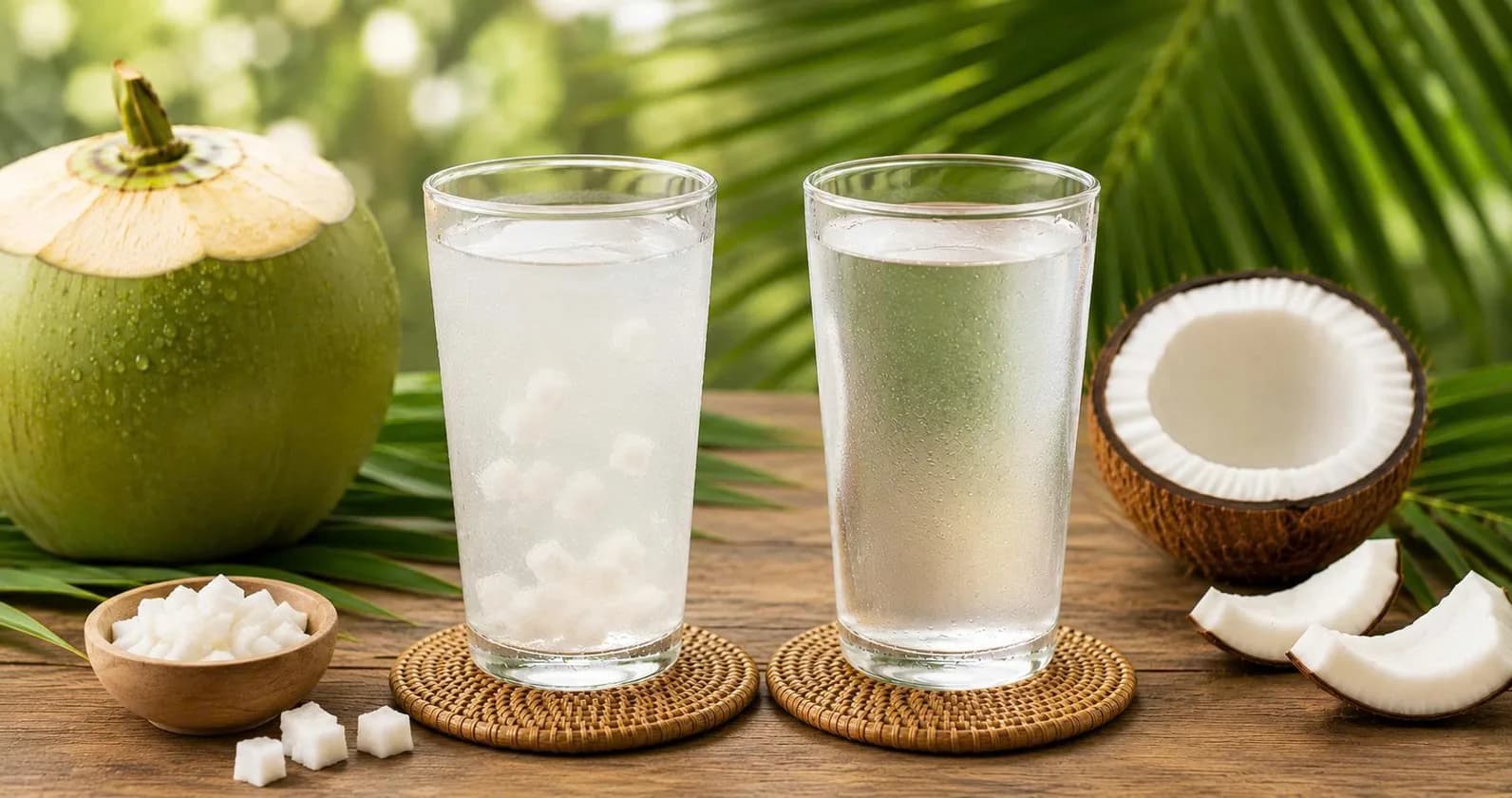
Nata de coco is a traditional Filipino ingredient made by fermenting coconut water with bacterial cellulose, which creates a jelly-like substance. This jelly is then cut into small cubes and used in desserts and drinks — including VINUT's Coconut Water Drink with Nata de Coco, which pairs real coconut water with chewy nata de coco pieces. Nata de coco is naturally low in calories and fat, which is why it's a popular ingredient for people watching their weight.
2026 Guide Exploring the Health Benefits of Nata de Coco
2. Who can Benefit from Nata de Coco?
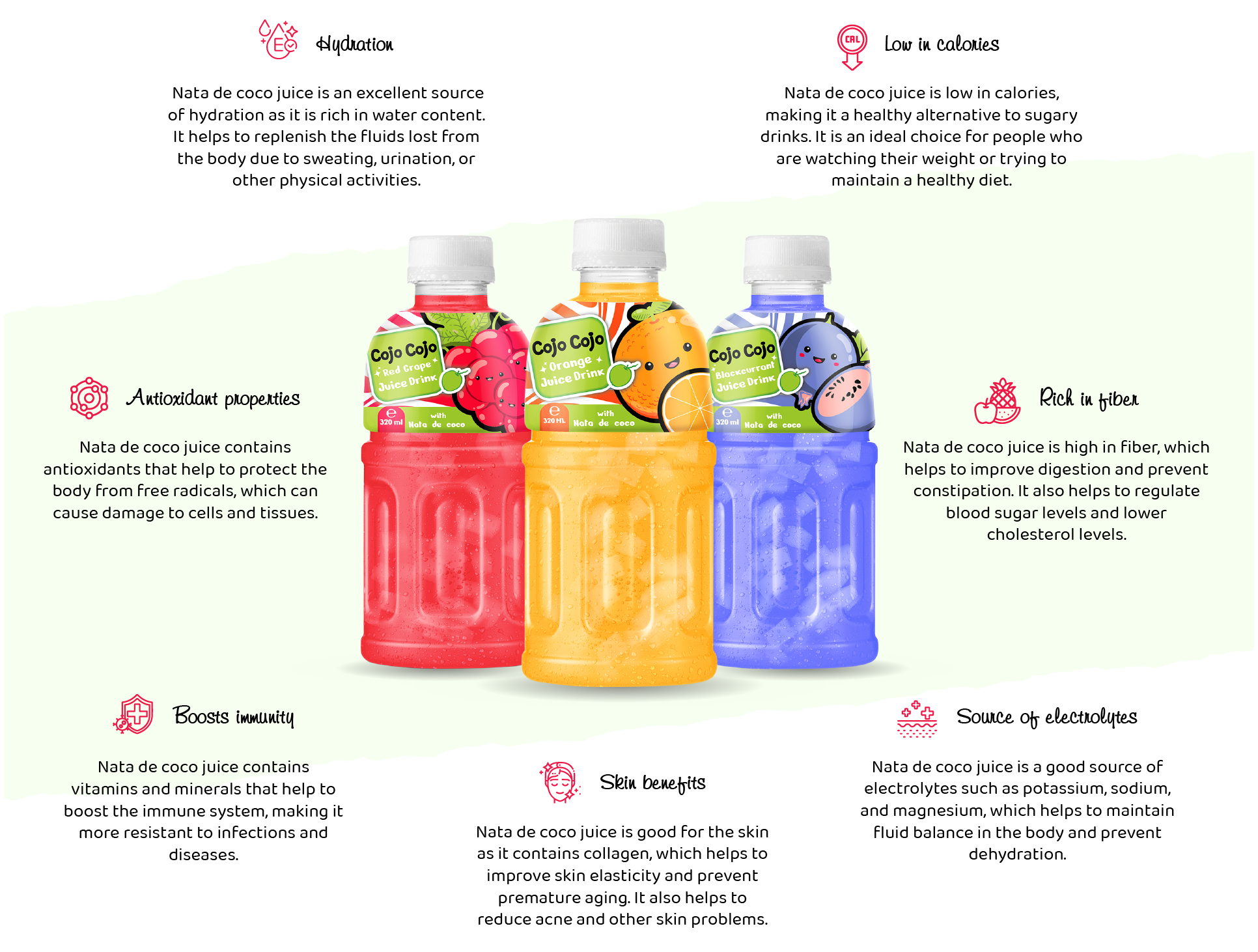
2026 Guide Exploring the Health Benefits of Nata de Coco
Nata de coco can be a useful addition to several types of diets. The following groups may particularly benefit from including it:
Individuals looking to manage their weight — nata de coco is low in calories and fat.
People with digestive concerns — it contains fiber, which can support regular digestion.
Individuals watching their sodium intake — nata de coco is naturally low in sodium.
People monitoring their sugar intake — plain nata de coco is low in sugar (added sugar varies by brand, so check the label).
Note: these are general dietary characteristics, not medical claims. Anyone managing a health condition such as diabetes or high blood pressure should consult a healthcare professional or registered dietitian before making dietary changes.
3. What are the Health Benefits of Nata de Coco?
3.1 Improves Digestive Health

Improves Digestive Health
Nata de coco contains fiber, which helps promote regular bowel movements and supports overall digestive health. According to the Harvard T.H. Chan School of Public Health, adequate fiber intake is linked to better digestive function and a lower risk of certain chronic diseases.
3.2 Lowers Cholesterol Levels

Lowers Cholesterol Levels
Nata de coco contains soluble fiber, a type of fiber that can bind to cholesterol in the digestive tract and help limit how much is absorbed into the bloodstream, according to research summarized by the National Institutes of Health.
3.3 Helps Control Blood Sugar Levels
Nata de Coco is low in sugar, making it an excellent option for people with diabetes. The high fiber content in Nata de Coco can also help slow down the absorption of sugar into the bloodstream, which can help prevent blood sugar spikes.
3.4 Boosts Immune System

Nata de Coco is rich in antioxidants, which can help boost the immune system and protect against diseases and infections. Antioxidants help neutralize harmful molecules in the body, such as free radicals, which can cause cell damage and increase the risk of chronic diseases.
3.5 Promotes Weight Loss

Nata de Coco is low in calories and fat, making it an ideal ingredient for people who are trying to lose weight. Its high fiber content can also help promote feelings of fullness and reduce appetite.
4. How to Incorporate Nata de Coco into Your Diet?
Nata de coco can be used in a variety of ways to add texture and flavor to your diet:
Add it to fruit salads
Use it as a topping for yogurt or oatmeal
Mix it with fresh fruit and nuts for a snack
Blend it with coconut milk and ice for a smoothie
Enjoy it ready-to-drink in VINUT's coconut water with nata de coco
5. Pros and Cons of Consuming Nata de Coco
5.1 Pros:
Low in calories and fat
Contains fiber
Naturally low in sugar
Contains antioxidants
Vegan and gluten-free
5.2 Cons:
Commercial products may contain added sugar
Some products may contain preservatives
Offers limited nutritional value beyond fiber (not a significant source of vitamins or minerals)
6. Alternatives to Nata de Coco
If you can't find nata de coco or prefer not to consume it, consider these alternatives:
Chia seeds — high in fiber, protein, and omega-3 fatty acids; work well in smoothies, yogurt, or oatmeal.
Flaxseed — a high-fiber alternative that can be added to baked goods, smoothies, or yogurt.
Psyllium husk — a soluble fiber that can be added to water or used in baking to support digestive health.
7. Step-by-Step Guide to Making Nata de Coco at Home
Gather your ingredients: coconut water, bacterial cellulose (starter culture), and sugar.
Mix the coconut water and bacterial cellulose in a clean jar.
Add sugar to the mixture and stir until fully dissolved.
Cover the jar and leave it at room temperature for 24–48 hours.
Check the mixture every 12 hours and stir it gently.
Once it has thickened into a jelly-like layer, cut the nata de coco into small cubes and store it in the refrigerator until ready to use.
8. Comparing Nata de Coco to Other Coconut Products
Coconut is a versatile ingredient that can be used in various forms, including coconut water, coconut milk, and coconut oil. Here is how Nata de Coco compares to these other coconut products:
Coconut water: Coconut water is the clear liquid inside a young green coconut. It is low in calories and high in electrolytes, making it an excellent option for hydration. However, it is not as high in fiber as Nata de Coco.
Coconut milk: Coconut milk is made from blending coconut meat and water. It is high in calories and fat, making it a less healthy option than Nata de Coco. However, it is a good source of lauric acid, which has been shown to have antimicrobial properties.
Coconut oil: Coconut oil is extracted from the meat of mature coconuts. It is high in saturated fat, making it a less healthy option than Nata de Coco. However, it can be used in cooking and has been shown to have anti-inflammatory properties.
9. Tips for Consuming Nata de Coco
Here are some tips for consuming Nata de Coco:
Look for nata de coco with no added sugar or preservatives where possible.
Store it in the refrigerator to keep it fresh.
Consume it in moderation, as it still contributes calories and (in some products) sugar.
Try it in different formats — as a topping, a smoothie mix-in, or ready-to-drink in VINUT's Coco Sunny with Nata de Coco.
10. The Best Nata de Coco Dessert Recipes
Here are some of the best Nata de Coco dessert recipes to try:
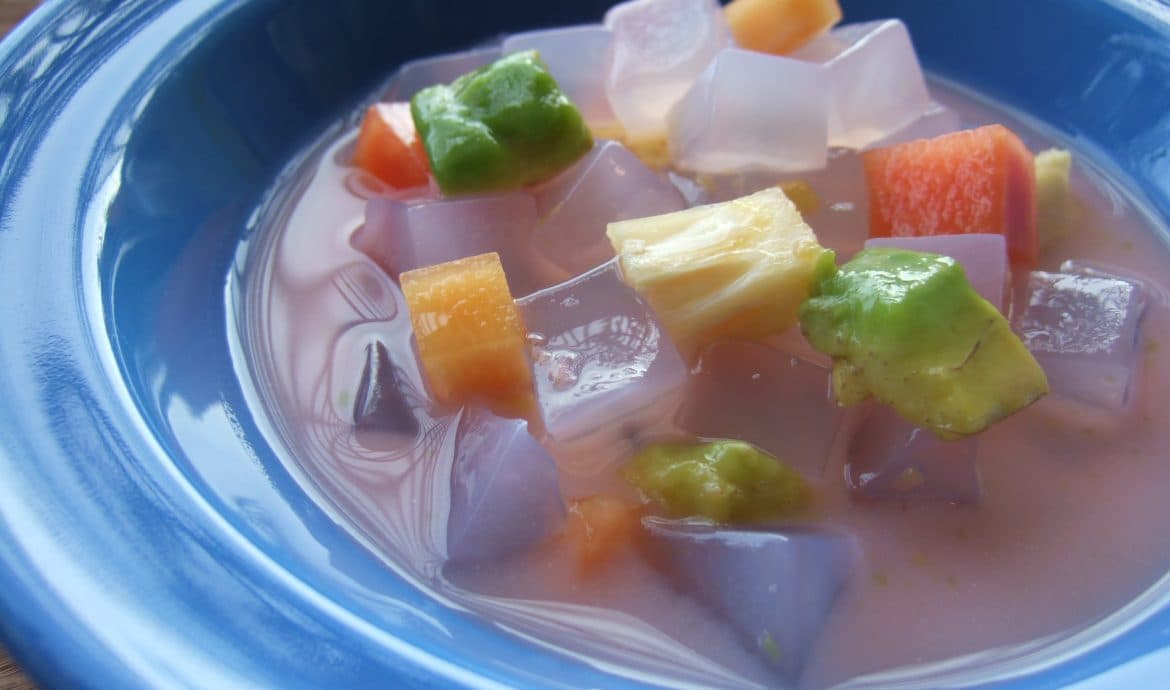
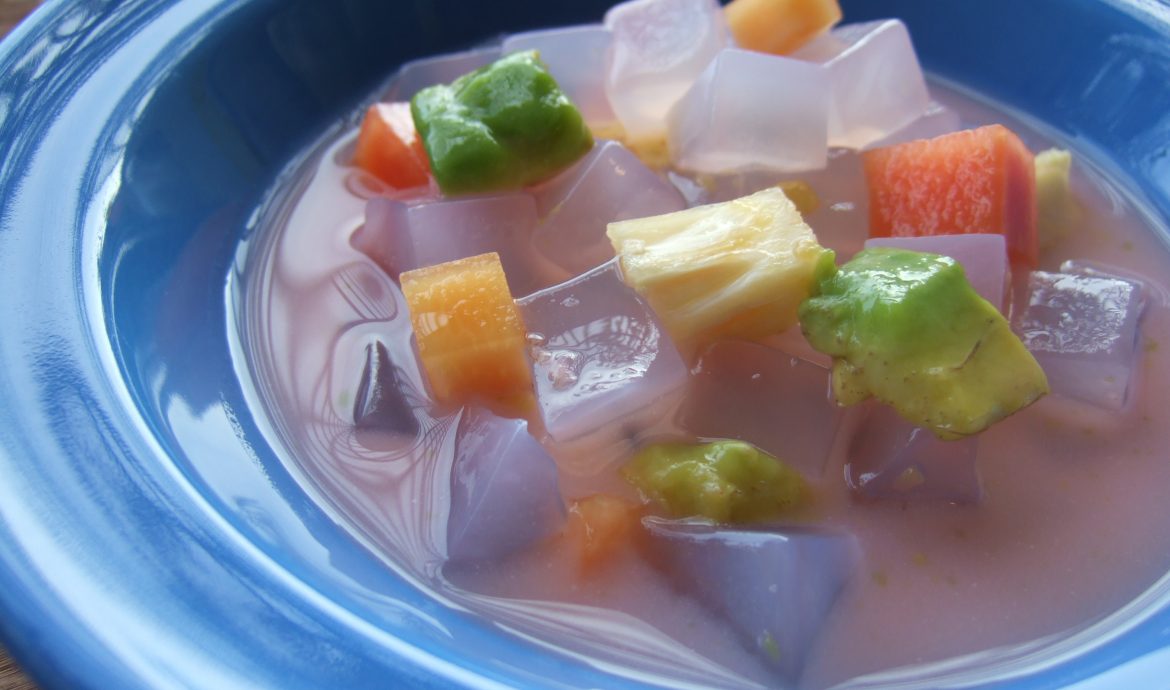
Nata de Coco Fruit Salad — combine nata de coco with fresh mango, pineapple, and papaya.
Nata de Coco Yogurt Parfait — layer nata de coco, yogurt, and fresh berries in a glass.
Nata de Coco Pudding — mix nata de coco with coconut milk and chia seeds for a creamy pudding.
Nata de Coco Fruit Drink — try VINUT's Watermelon Juice with Nata de Coco for a ready-to-drink version.
11. Conclusion
Nata de coco is a versatile, low-calorie ingredient with a chewy texture and a range of potential health benefits, largely thanks to its fiber content. From homemade desserts to ready-to-drink beverages, it's an easy way to add texture and a lighter nutritional profile to your diet. For a convenient way to try it, explore VINUT's coconut water drinks with nata de coco or request a catalog for export and wholesale options.
FAQ
Is nata de coco vegan?
Yes, nata de coco is vegan — it's made from fermented coconut water and bacterial cellulose, with no animal-derived ingredients.
Can nata de coco be frozen?
Yes, nata de coco can be frozen, though freezing may change its texture and chewiness.
Does nata de coco contain allergens?
Nata de coco is generally considered safe for people with nut allergies, since it's made from coconut water. Always check the label of commercial products for potential allergens.
How many calories are in nata de coco?
Nata de coco is low in calories, with roughly 20–30 calories per 100 grams (unsweetened).
Can nata de coco be used in savory dishes?
While most commonly used in desserts, nata de coco can also add texture to savory dishes like stir-fries and salads.
About this article
The VINUT editorial team publishes articles about beverage ingredients, product characteristics, and practical information for readers and international buyers.