
Buyer Briefing
5 min read · 942 words
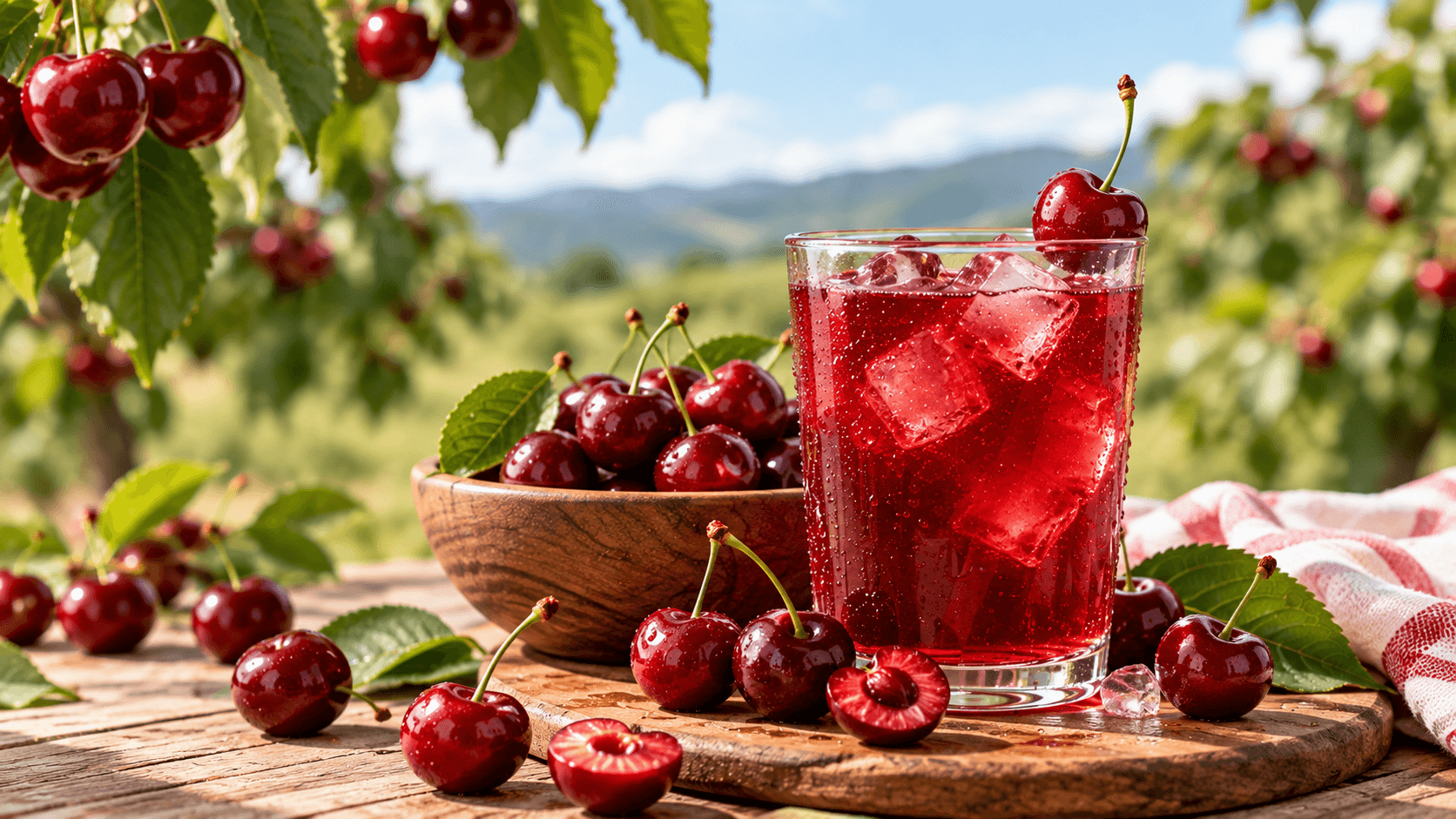
Cherry juice benefits may include supporting exercise recovery, providing antioxidants, and contributing to a balanced diet. Tart cherry juice has also been studied for its potential effects on inflammation and sleep. However, benefits can vary depending on the type of cherry juice, serving size, overall diet, and individual health needs.
- Cherry juice benefits are associated with its nutrients and naturally occurring plant compounds.
- Tart cherry juice has been studied for exercise recovery, inflammation, and sleep.
- Tart and sweet cherry juices differ in flavor and composition.
- Health effects should not be treated as guaranteed medical outcomes.
- Check juice content, serving size, sugar, and ingredients when choosing a product.
Cherry juice benefits come from its rich nutritional profile and naturally occurring plant compounds, making this refreshing and flavorful drink more than just a tasty choice. Different varieties, particularly tart and sweet cherry juice, can vary in flavor, nutritional composition, and plant compounds.
From exercise recovery and inflammation to sleep, research has explored several potential health effects of cherry juice. This article explains the different types of cherry juice, their nutritional characteristics, and seven potential benefits worth knowing.
I/ What Is Cherry Juice?
Cherry juice is produced by extracting juice from cherries and is available in several forms. When choosing a product, consumers may find 100% cherry juice as well as cherry juice drinks or cocktails containing additional ingredients such as sweeteners.
Cherry juice may also be labeled “from concentrate” or “not from concentrate.” Juice from concentrate has had some of its water removed during processing and is later reconstituted, while not-from-concentrate juice is processed without this concentration step.
Tart Cherry Juice vs. Sweet Cherry Juice
The type of cherry used can influence the juice’s flavor and composition. Tart cherry juice has a distinctly sour taste, while juice made from sweeter cherry varieties generally has a milder and sweeter flavor.
Cherries also contain anthocyanins, plant pigments responsible for their characteristic red and purple colors. These compounds have attracted research interest because of their antioxidant and anti-inflammatory properties.
II/ Nutritional Value of Cherry Juice
Cherry juice contains carbohydrates as well as nutrients such as potassium and iron. Its exact nutritional profile varies depending on the cherry variety, processing method, serving size, and whether other ingredients have been added.
When comparing products, check the nutrition and ingredient labels. Choosing 100% cherry juice without added sweeteners can also help distinguish pure juice from cherry-flavored drinks or juice cocktails.
III/ 7 Potential Benefits of Cherry Juice
Research has explored cherry juice, particularly tart cherry juice, for several potential health effects. However, the strength of evidence varies, and some findings come from small human studies or animal research.
1. May Support Post-Workout Recovery
Cherry juice has been studied for its potential role in exercise recovery. It also naturally provides potassium, an electrolyte involved in normal muscle and nerve function and fluid balance.
For physically active individuals, tart cherry juice has received particular research attention for its potential effects on exercise-related muscle soreness and recovery.
2. May Help Support a Healthy Inflammatory Response
Tart cherries contain anthocyanins and other antioxidant compounds that have been investigated for their effects on inflammation.
Some research has examined tart cherry juice in people experiencing conditions associated with joint discomfort. While findings are promising in certain studies, cherry juice should not be considered a replacement for medical treatment.
3. May Help With Exercise-Related Soreness and Swelling
The potential anti-inflammatory properties of cherries have also led researchers to investigate their relationship with soreness and swelling.
Some studies, including animal research, have reported effects on markers associated with inflammation. More research is needed to determine the extent of these benefits in humans.
4. Provides Antioxidant Compounds
Cherries contain several naturally occurring plant compounds, including anthocyanins and other flavonoids.
Antioxidants help protect cells against oxidative stress. Combined with the vitamins and minerals naturally present in cherries, these compounds contribute to the nutritional value of cherry juice as part of a balanced diet.
5. May Support Metabolic Health
Anthocyanins in tart cherries have also been studied for their possible relationship with metabolic health.
Some animal studies have reported changes related to inflammation, body fat, and metabolic markers after tart cherry consumption. However, these findings should not be interpreted as evidence that cherry juice directly causes weight loss in humans.
6. May Support Better Sleep
One of the more widely discussed potential cherry juice benefits is its relationship with sleep. Tart cherries naturally contain small amounts of melatonin, a hormone involved in regulating the sleep-wake cycle.
Small studies have investigated whether tart cherry juice consumption may influence sleep duration or sleep quality. Results are interesting, but individual responses can vary and further research is still valuable.
7. Contains Plant Compounds Being Studied for Cellular Health
Cherry anthocyanins and other antioxidant compounds have also been investigated in laboratory and animal research for their potential effects on cellular processes.
Early research has explored these compounds in relation to abnormal cell growth. However, this evidence does not establish cherry juice as a cancer treatment or prevention method. Human clinical evidence would be necessary before drawing such conclusions.

IV/ How to Choose Cherry Juice
Not every product labeled as a cherry beverage has the same composition. Before buying cherry juice, consider:
Juice content: Look at whether the product contains 100% juice or is a juice drink or cocktail.
Added ingredients: Check the ingredient list for added sugars, sweeteners, or other ingredients.
Cherry variety: Tart and sweet cherries can provide different flavor profiles and compositions.
Serving size: Use the nutrition label to understand calories, sugars, and nutrients per serving.
Concentrate: Both from-concentrate and not-from-concentrate products are available, so choose according to your preferences.
V/ How Can You Enjoy Cherry Juice?
Cherry juice can be consumed on its own or incorporated into other beverages and foods. Depending on personal preference, it can be served chilled, diluted with water, blended into smoothies, or combined with other fruit juices.
Because nutritional composition and sugar content can differ significantly between products, checking the serving size and nutrition label is useful when incorporating cherry juice into your regular diet.
VI/ Conclusion
Cherry juice is a flavorful beverage that provides nutrients and naturally occurring plant compounds such as anthocyanins. Research has explored potential cherry juice benefits related to exercise recovery, inflammation, antioxidant intake, metabolic health, and sleep, although the strength of evidence differs across these areas.
Tart and sweet cherry juices also vary in flavor and composition, making product selection important. When choosing cherry juice, check the ingredient list, juice content, serving size, and nutrition label to find an option that fits your dietary preferences.
FAQ
1. What Are the Main Benefits of Cherry Juice?
Cherry juice provides nutrients and plant compounds such as potassium and anthocyanins. Research has explored its potential role in exercise recovery, antioxidant intake, inflammation, and sleep, particularly with tart cherry juice.
2. Is It Good to Drink Cherry Juice Every Day?
Cherry juice can be included as part of a balanced diet, but serving size and product composition matter. Check the nutrition label for juice content, calories, sugars, and added ingredients before consuming it regularly.
3. What Is the Difference Between Tart Cherry Juice and Sweet Cherry Juice?
Tart cherry juice generally has a more sour flavor, while juice made from sweet cherries has a naturally sweeter taste. Their concentrations of anthocyanins and other plant compounds can also differ depending on the cherry variety and processing method.
About this article
The VINUT editorial team publishes articles about beverage ingredients, product characteristics, and practical information for readers and international buyers.