

Buyer Briefing
5 min read · 944 words
Foods commonly included in a blood pressure-friendly diet include leafy greens, berries, oatmeal, fatty fish, yogurt, bananas, nuts, and seeds. These foods provide nutrients such as potassium, magnesium, fiber, and healthy fats that support cardiovascular health.
- High blood pressure requires ongoing management and should not rely on diet alone.
- Leafy greens provide potassium, magnesium, fiber, and other nutrients.
- Berries contain antioxidants and naturally occurring plant compounds.
- Oats provide beta-glucan, a soluble fiber associated with heart health.
- Fatty fish contain omega-3 fatty acids that support cardiovascular health.
- Bananas are a convenient dietary source of potassium.
- Unsalted nuts and seeds provide healthy fats, fiber, protein, and minerals.
- - Limiting excessive sodium is an important part of a blood pressure-friendly diet.
Listen to the article summary
AI-generated voice · English · 3:27
Read transcript
High blood pressure, also known as hypertension, is a common condition that can affect long-term cardiovascular health. Choosing the best foods for high blood pressure can support a balanced diet and provide important nutrients for heart health. Foods rich in potassium, magnesium, fiber, and healthy fats can be valuable additions to a blood pressure-friendly eating pattern. VINUT explores eight of the best foods for high blood pressure, along with key lifestyle factors associated with healthy blood pressure management. Blood pressure measures the force of circulating blood against the walls of the arteries, expressed as systolic (when the heart contracts) and diastolic (when the heart relaxes) pressure. Regular monitoring and professional medical advice are important, as blood pressure categories can vary. Hypertension can be influenced by several factors, including genetics, age, certain medical conditions, medications, diet, and lifestyle. An unhealthy diet high in sodium and processed foods, lack of physical activity, excessive alcohol consumption, excess body weight, and chronic stress can all contribute to elevated blood pressure. For a heart-healthy eating pattern, the article highlights eight nutrient-rich foods. Leafy green vegetables like spinach and kale provide potassium, magnesium, and fiber, which help maintain normal fluid balance and support muscle and nerve function. Berries such as blueberries and strawberries offer fiber, vitamins, and antioxidants. Oatmeal, a whole grain, is a source of dietary fiber, including beta-glucan, associated with cardiovascular health. Fatty fish like salmon and sardines contain omega-3 fatty acids, important for cardiovascular health, along with high-quality protein. Plain yogurt provides calcium, potassium, and protein. Bananas are well-known for their potassium content, along with carbohydrates and fiber. Nuts and seeds, including almonds and flaxseeds, offer healthy fats, fiber, protein, and minerals, with unsalted varieties being particularly useful. Lastly, herbs and spices can add flavor to meals without relying heavily on salt. It's important to understand that no single food can control high blood pressure by itself. Instead, focus on building a balanced eating pattern around nutrient-rich foods, such as eating more fruits and vegetables, choosing whole grains, including healthy protein sources, limiting excessive sodium, and watching added sugars and saturated fats. While diet plays an important role, it should not be considered a replacement for medical care. People diagnosed with hypertension should follow guidance from their healthcare professionals, and prescribed medication should not be stopped or changed based solely on dietary improvements. Combining an appropriate diet with physical activity, healthy weight management, adequate sleep, stress management, and medical treatment provides a comprehensive approach to managing hypertension.
High blood pressure, also known as hypertension, is a common condition that can affect long-term cardiovascular health. Choosing the best foods for high blood pressure can support a balanced diet and provide important nutrients for heart health. Foods rich in potassium, magnesium, fiber, and healthy fats can be valuable additions to a blood pressure-friendly eating pattern.
In this article, VINUT explores eight of the best foods for high blood pressure, along with key lifestyle factors associated with healthy blood pressure management.
1. Understanding High Blood Pressure
Blood pressure measures the force of circulating blood against the walls of the arteries. It is expressed using two numbers: systolic pressure and diastolic pressure.
Systolic pressure is the top number. It represents pressure when the heart contracts. Diastolic pressure is the bottom number. It represents pressure when the heart relaxes between beats.
Blood pressure categories can vary according to clinical guidelines and individual health circumstances. Regular monitoring and professional medical advice are therefore important.

2. What Factors Can Contribute to High Blood Pressure?
Hypertension can be influenced by several factors. Genetics, age, certain medical conditions, medications, diet, and lifestyle may all play a role.
2.1. Unhealthy Diet
A diet high in sodium and certain highly processed foods may contribute to elevated blood pressure. A balanced diet with fruits, vegetables, whole grains, and other nutrient-rich foods can support cardiovascular health.

2.2. Lack of Physical Activity
A sedentary lifestyle is associated with a higher risk of cardiovascular problems. Regular physical activity can support heart health, circulation, and healthy weight management.

2.3. Excessive Alcohol Consumption
Regularly consuming excessive amounts of alcohol may increase blood pressure. Moderating alcohol intake is therefore an important consideration for cardiovascular health.

2.4. Excess Body Weight
Carrying excess body weight can increase the workload placed on the cardiovascular system. Maintaining an appropriate weight may help support healthier blood pressure.

2.5. Chronic Stress
Stress can temporarily increase blood pressure. Long-term stress may also encourage behaviors that negatively affect cardiovascular health, such as poor sleep or unhealthy eating patterns.

3. What Are the Best Foods for High Blood Pressure?
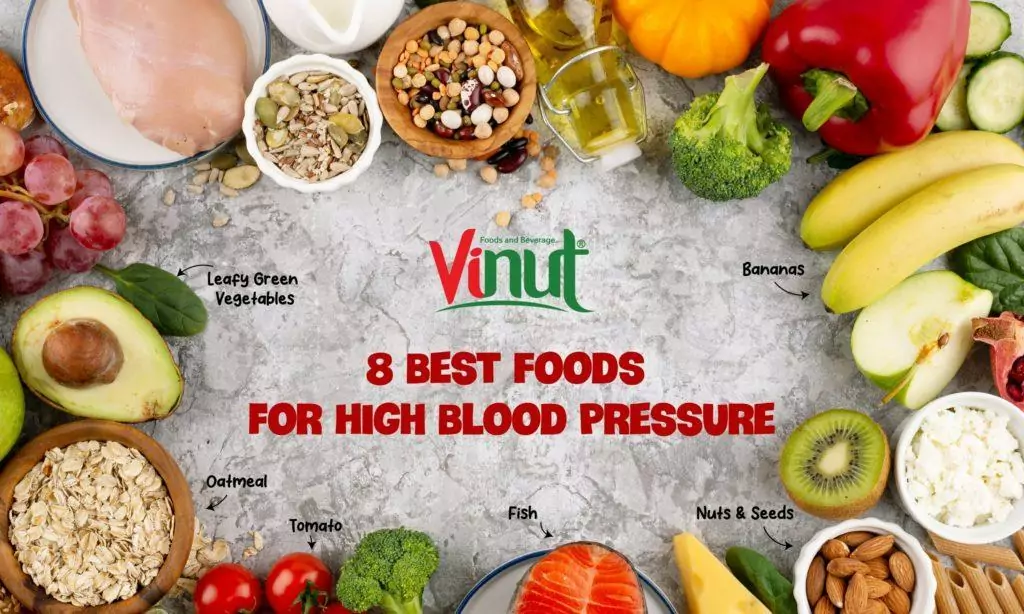
A heart-healthy eating pattern should include a variety of nutrient-rich foods. The following eight options provide nutrients commonly associated with cardiovascular health.
3.1. Leafy Green Vegetables
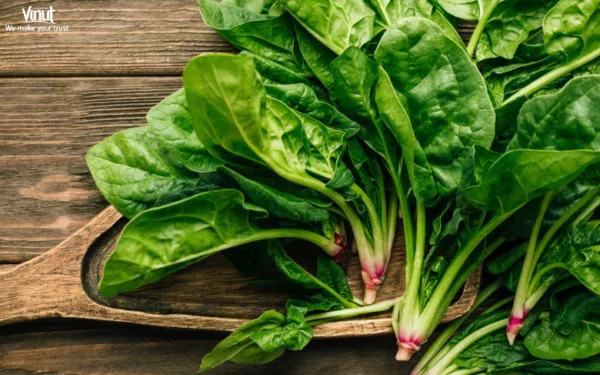
Leafy greens such as spinach, kale, and Swiss chard are excellent additions to a balanced diet. They provide potassium, magnesium, fiber, and other important nutrients.
Potassium is particularly relevant because it helps the body maintain normal fluid balance. It also supports normal muscle and nerve function.
3.2. Berries
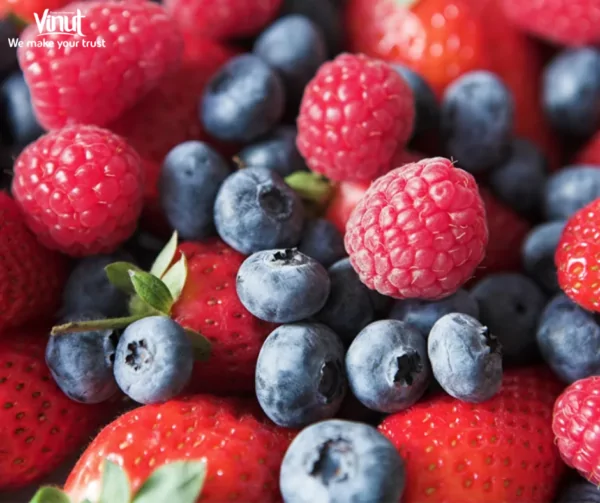
Blueberries, strawberries, and raspberries provide fiber, vitamins, and naturally occurring plant compounds. They are also rich in antioxidants, including anthocyanins.
Fresh or frozen berries can easily be incorporated into breakfast, smoothies, yogurt, or healthy snacks.
3.3. Oatmeal
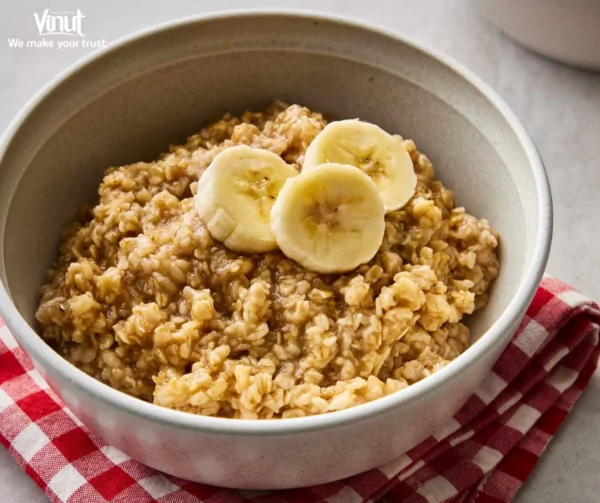
Oats are a whole grain and a useful source of dietary fiber. They contain beta-glucan, a type of soluble fiber associated with cardiovascular health.
Oatmeal can provide a nutritious breakfast when paired with fruit, nuts, or seeds. Choosing minimally processed oats without excessive added sugar is generally preferable.
3.4. Fatty Fish
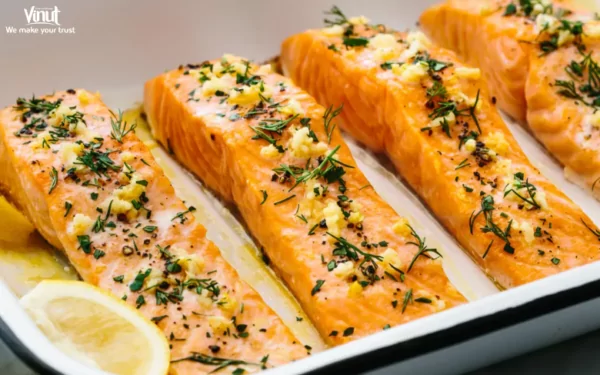
Fatty fish such as salmon, sardines, and mackerel contain omega-3 fatty acids. These fats play an important role in cardiovascular health.
Fish can also provide high-quality protein and essential micronutrients. Preparation matters, so grilling, baking, or steaming can be alternatives to heavily fried options.
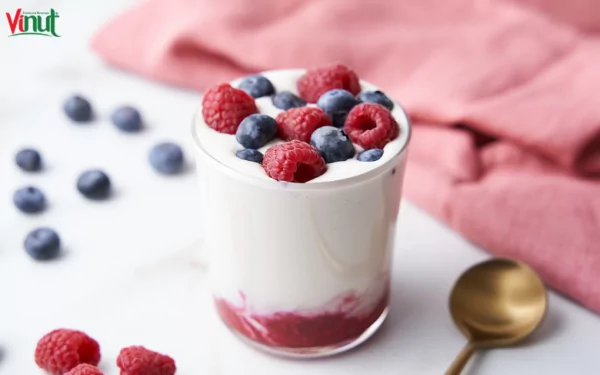
3.5. Yogurt
Plain yogurt can provide calcium, potassium, protein, and other nutrients. These nutrients make it a useful component of a balanced eating pattern.
When choosing yogurt, compare nutrition labels carefully. Products with less added sugar may be more suitable for regular consumption.
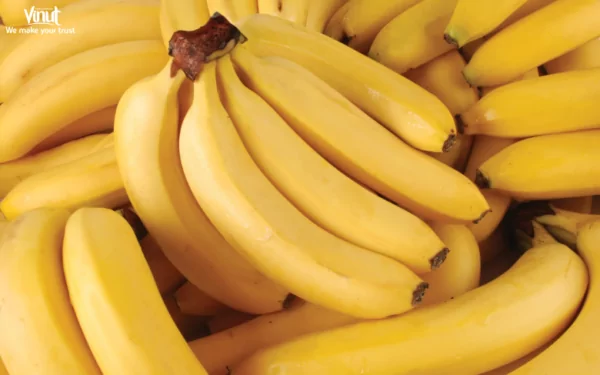
3.6. Bananas
Bananas are well known for their potassium content. They also provide carbohydrates, fiber, vitamin B6, and other nutrients.
Their natural sweetness makes bananas easy to incorporate into oatmeal, smoothies, yogurt, or snacks without relying on added sugar.
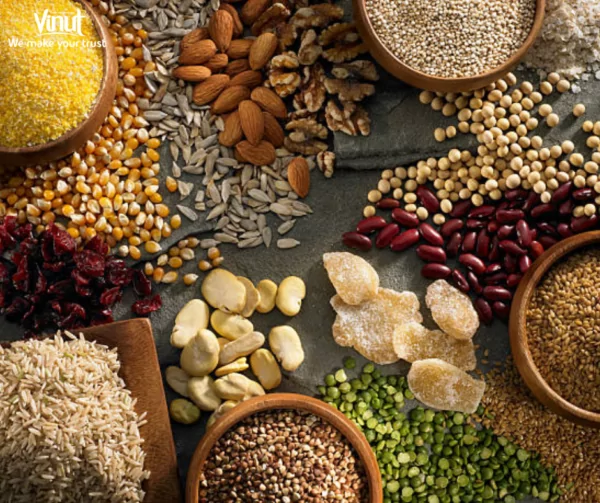
3.7. Nuts and Seeds
Almonds, walnuts, flaxseeds, and chia seeds provide healthy fats, fiber, protein, and minerals. These nutrients can contribute to a heart-conscious eating pattern.
Unsalted varieties can be particularly useful for people monitoring sodium intake. Portion size is also important because nuts and seeds are energy-dense foods.
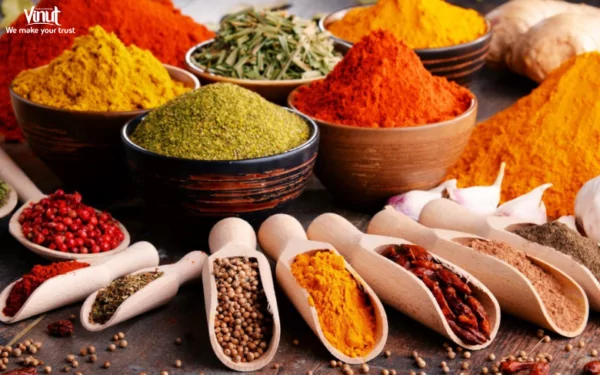
3.8. Herbs and Spices
Herbs and spices can add flavor without relying heavily on salt. Basil, ginger, turmeric, cinnamon, garlic, and other seasonings can make heart-conscious meals more enjoyable.
Using herbs and spices does not replace medical treatment. However, they can help create flavorful meals within an overall balanced diet.
4. How Can You Build a Blood Pressure-Friendly Diet?
No single food can control high blood pressure by itself. Instead, focus on building a balanced eating pattern around nutrient-rich foods.
A practical approach can include:
Eat more fruits and vegetables to increase fiber, potassium, vitamins, and minerals.
Choose whole grains such as oats, brown rice, and whole-grain bread.
Include healthy protein sources such as fish, beans, nuts, and seeds.
Limit excessive sodium by comparing food labels and reducing heavily processed foods.
Watch added sugars and saturated fats when choosing packaged foods and beverages.
Choose water and unsweetened beverages as regular hydration options.
These dietary habits can complement regular exercise, sufficient sleep, stress management, and professional medical care.
5. Can Food Alone Lower High Blood Pressure?
Diet can play an important role in blood pressure management, but it should not be considered a replacement for medical care.
People diagnosed with hypertension should follow guidance from their healthcare professionals. Prescribed medication should not be stopped or changed based solely on dietary improvements.
Combining an appropriate diet with physical activity, healthy weight management, adequate sleep, and medical treatment may provide a more comprehensive approach to managing hypertension.
6. Conclusion
The best foods for high blood pressure are generally nutrient-rich foods that fit within an overall heart-healthy eating pattern. Leafy greens, berries, oats, fatty fish, yogurt, bananas, nuts, seeds, herbs, and spices are useful options.
Rather than relying on one “miracle” food, focus on the overall quality of your diet. Small, consistent dietary choices can support cardiovascular wellness over time.
For people with hypertension or other cardiovascular conditions, dietary changes should complement appropriate medical advice and treatment.
FAQ
What are the best foods for high blood pressure?
Leafy greens, berries, oats, fatty fish, yogurt, bananas, nuts, and seeds can all fit into a heart-healthy diet.
Are bananas good for high blood pressure?
Bananas provide potassium, an essential mineral involved in normal fluid balance, muscle function, and cardiovascular health.
Is oatmeal good for people with high blood pressure?
Oatmeal provides dietary fiber, including beta-glucan. It can be incorporated into a balanced, heart-conscious diet.
What foods should people with high blood pressure limit?
People managing hypertension are often advised to pay attention to sodium, heavily processed foods, added sugars, and excessive saturated fat.
Can food replace blood pressure medication?
No. Dietary improvements can support blood pressure management, but prescribed medication should only be changed under professional medical guidance.
What is a good breakfast for high blood pressure?
One option is oatmeal topped with berries, banana, and unsalted nuts. This combination provides fiber, potassium, and other nutrients.
About this article
The VINUT editorial team publishes articles about beverage ingredients, product characteristics, and practical information for readers and international buyers.