

Buyer Briefing
5 min read · 900 words
Amla juice, made from Indian gooseberries, is a refreshing fruit drink known for its vitamin C and antioxidant content. You can easily make amla juice at home by blending fresh amla with water and straining the mixture. While amla may support overall nutrition, it should be consumed in moderation, especially by people with sensitive stomachs or those taking certain medications.
- Amla juice, made from Indian gooseberry, is a nutrient-dense fruit used in traditional Ayurvedic medicine.
- It is rich in vitamins, minerals, and powerful antioxidants like gallic acid, ellagic acid, and quercetin.
- Amla is an exceptionally rich source of Vitamin C, containing 600-700 mg per fruit, which supports immune health, skin, hair, and wound healing.
- Benefits extend to skin and hair care, including anti-aging properties, improved skin complexion, and promotion of hair growth due to its antioxidant content and role in collagen production.
- Potential side effects include causing acidity or heartburn, possible interactions with certain medications (e.g., for blood sugar, blood pressure, cholesterol), and allergic reactions in some individuals.
- It is recommended to consume amla juice in moderation and consult a doctor if you have underlying health conditions or are taking medications.
Amla, also known as Indian gooseberry, is a popular fruit native to Asia. It has been used for centuries in traditional Ayurvedic medicine for its various health benefits. Recently, amla juice has gained popularity as a convenient way to consume this nutrient-dense fruit. In this blog post, VINUT will explore the benefits of amla juice and how it can positively impact your health.
1. How to Make Amla Juice at Home?
Before diving into the benefits of this juice, let’s first learn how to make it at home. Making fresh juice is simple and can be done with just a few ingredients. Here’s a quick recipe to get you started:
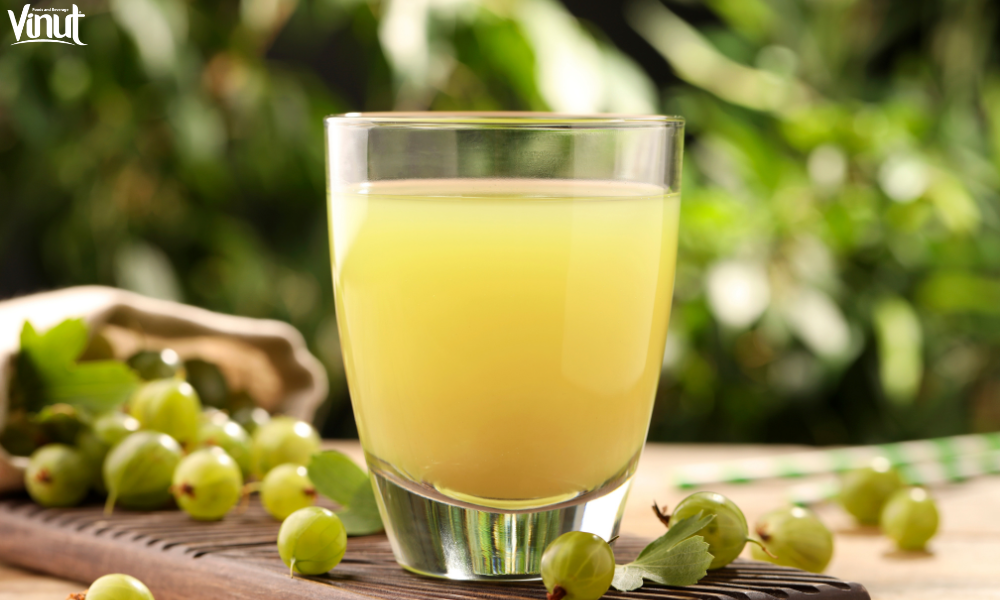
VINUT_How to Make Amla Juice at Home
1.1 Ingredients:
1 cup fresh amla (Indian gooseberries)
½ cup water
Honey or sugar (optional)
1.2 Steps:
Wash the amla thoroughly and remove any seeds.
Cut the amla into small pieces and put them in a blender.
Add ½ cup of water and blend until smooth.
If desired, add honey or sugar to taste.
Strain the juice through a fine mesh sieve.
Your fresh amla juice is ready to be enjoyed!
2. The Nutritional Profile of Amla Juice
Amla juice is packed with a variety of vitamins, minerals, and antioxidants that offer numerous health benefits. According to the United States Department of Agriculture (USDA), 100 grams of amla juice contains approximately:
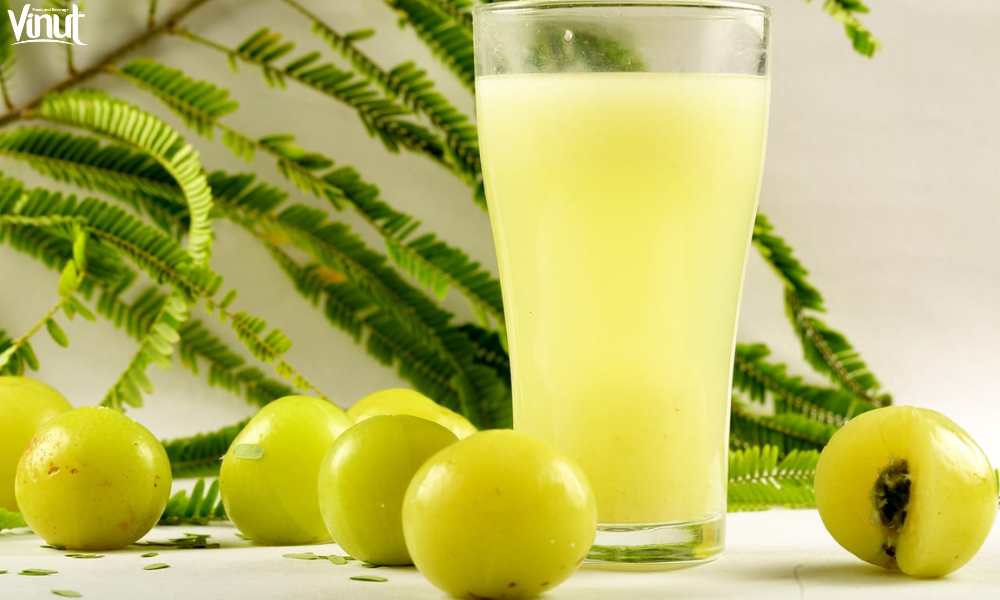
VINUT_The Nutritional Profile of Amla Juice
Calories: 44
Carbohydrates: 10 grams
Protein: 0.5 grams
Fat: 0.1 gram
Fiber: 4 grams
Vitamin C: 600-700 milligrams
Potassium: 18 milligrams
Calcium: 25 milligrams
Iron: 0.3 milligrams
In addition to these nutrients, this juice also contains smaller amounts of other vitamins and minerals such as vitamin A, magnesium, and zinc.
2.1 Antioxidant-rich
The juice is a source of antioxidants, which are compounds that may help protect cells against damage caused by harmful molecules called free radicals. These free radicals are understood to contribute to chronic conditions. Amla contains several powerful antioxidants, including gallic acid, ellagic acid, and quercetin. These antioxidants are believed to work together to neutralize free radicals and may help to mitigate the damage they can cause.
2.2 Rich in Vitamin C
As mentioned earlier, amla is one of the richest sources of vitamin C, packing 600–700 mg of this nutrient into each fruit. This is significantly higher than other vitamin C-rich foods like oranges, which contain only 53.2 mg per 100 grams. Vitamin C is important for many functions in the body, including immune health, skin and hair health, and wound healing. It also acts as an antioxidant and may play a role in preventing chronic diseases.
3. Benefits for Skin and Hair Care
The benefits of this juice are not limited to just internal health. It can also be used topically for healthy skin and hair.

VINUT_Benefits for Skin and Hair Care
3.1 Anti-aging properties
This juice is rich in antioxidants, which may contribute to its perceived anti-aging properties. These antioxidants are thought to help address free radicals that are associated with skin aging. Additionally, it is a source of collagen, a protein that helps support skin firmness and suppleness. Regular consumption of amla juice is sometimes associated with supporting a youthful appearance of the skin.
3.2 mproves skin complexion
This juice contains vitamin C, which is essential for collagen production. Collagen helps support skin firmness and may help reduce the appearance of wrinkles and fine lines. It is also associated with a brightening effect on the skin, potentially contributing to a more radiant look and an improved overall skin complexion. Drinking a glass of it daily may contribute to a healthy glow from within.
3.3 Promotes hair growth
Amla juice is often used in hair care products due to its vitamin C content and antioxidant properties. Vitamin C is understood to support hair growth by aiding in the production of collagen, a protein considered vital for hair growth and strength. It also contains phytonutrients that are believed to improve blood circulation to the scalp, potentially supporting healthy hair growth.
4. Potential Side Effects of Amla Juice
While amla juice offers numerous health benefits, it’s important to note that it may not be suitable for everyone. Here are some potential side effects of consuming this juice:
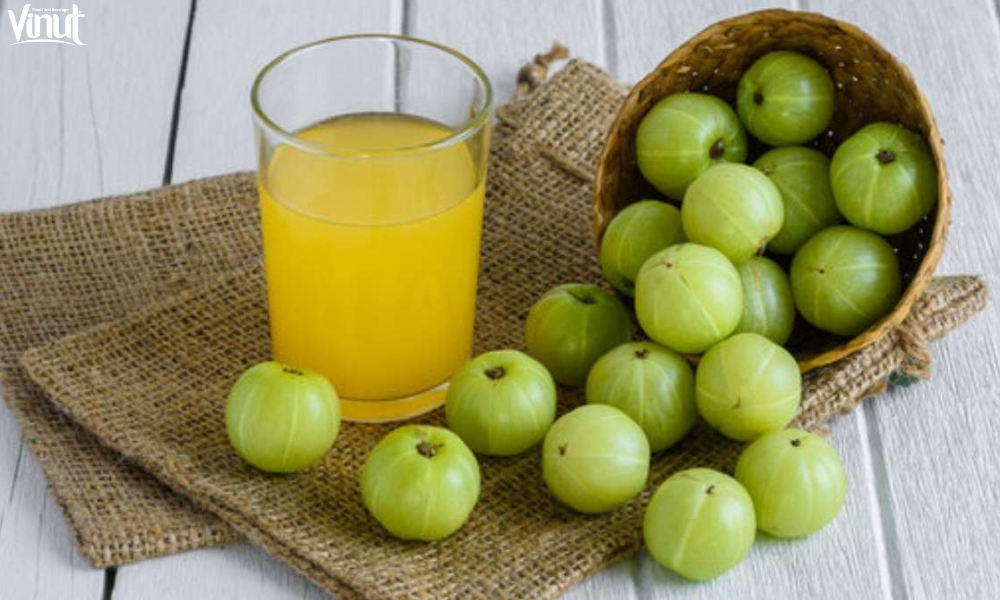
VINUT_Potential Side Effects of Amla Juice
4.1 Can cause acidity
It has a high acid content, which may cause acidity or heartburn in some individuals. If you have a sensitive stomach, it’s best to consume amla juice in moderation and dilute it with water to reduce its acidic nature.
4.2 May interact with certain medications
If you are taking any medications, it’s best to consult your doctor before adding amla juice to your diet. It may interact with certain medications, especially those used to lower blood sugar levels, blood pressure, or cholesterol. It’s important to monitor your medication and amla juice intake to avoid any potential interactions.
4.3 May cause allergic reactions
Some people may be allergic to amla, potentially resulting in symptoms such as hives, swelling, or difficulty breathing. If you experience any of these symptoms after consuming amla juice, it is advisable to discontinue use immediately and seek medical attention.
5. Conclusion
Amla juice is a versatile and delicious way to add extra nutrients to your diet. Its vitamin C content, antioxidant properties, and potential skin and hair benefits make it a popular choice among those interested in health. However, it’s important to consume this juice in moderation and consult a healthcare professional if you have any underlying health conditions or are taking any medications. With its perceived benefits, including support for immune health, anti-aging properties, and potential for promoting healthy skin and hair, amla juice can be a valuable addition to a daily routine.
FAQ
How to make Amla Juice at Home?
Wash the amla thoroughly and remove any seeds. Cut the amla into small pieces and put them in a blender. Add ½ cup of water and blend until smooth. If desired, add honey or sugar to taste. Strain the juice through a fine mesh sieve. Your fresh amla juice is ready to be enjoyed!
What is the nutritional profile of Amla juice?
According to the United States Department of Agriculture (USDA), 100 grams of amla juice contains approximately: Calories: 44, Carbohydrates: 10 grams, Protein: 0.5 grams, Fat: 0.1 gram, Fiber: 4 grams, Vitamin C: 600-700 milligrams, Potassium: 18 milligrams, Calcium: 25 milligrams, Iron: 0.3 milligrams. It also contains smaller amounts of other vitamins and minerals such as vitamin A, magnesium, and zinc.
Is Amla juice rich in Vitamin C?
Yes, amla is one of the richest sources of vitamin C, packing 600–700 mg of this nutrient into each fruit. This is significantly higher than other vitamin C-rich foods like oranges, which contain only 53.2 mg per 100 grams.
What are the benefits of Amla juice for skin and hair care?
Amla juice has anti-aging properties, improves skin complexion, and promotes hair growth. It helps fight off free radicals that contribute to skin aging, supports collagen production for firm skin and reduced wrinkles, and contains phytonutrients that improve blood circulation to the scalp.
What are the potential side effects of Amla juice?
Amla juice may cause acidity or heartburn in some individuals due to its high acid content. It may also interact with certain medications, especially those used to lower blood sugar levels, blood pressure, or cholesterol. Some people may also experience allergic reactions such as hives, swelling, or difficulty breathing.
About this article

The VINUT editorial team publishes articles about beverage ingredients, product characteristics, and practical information for readers and international buyers.