
Buyer Briefing
3 min read · 642 words
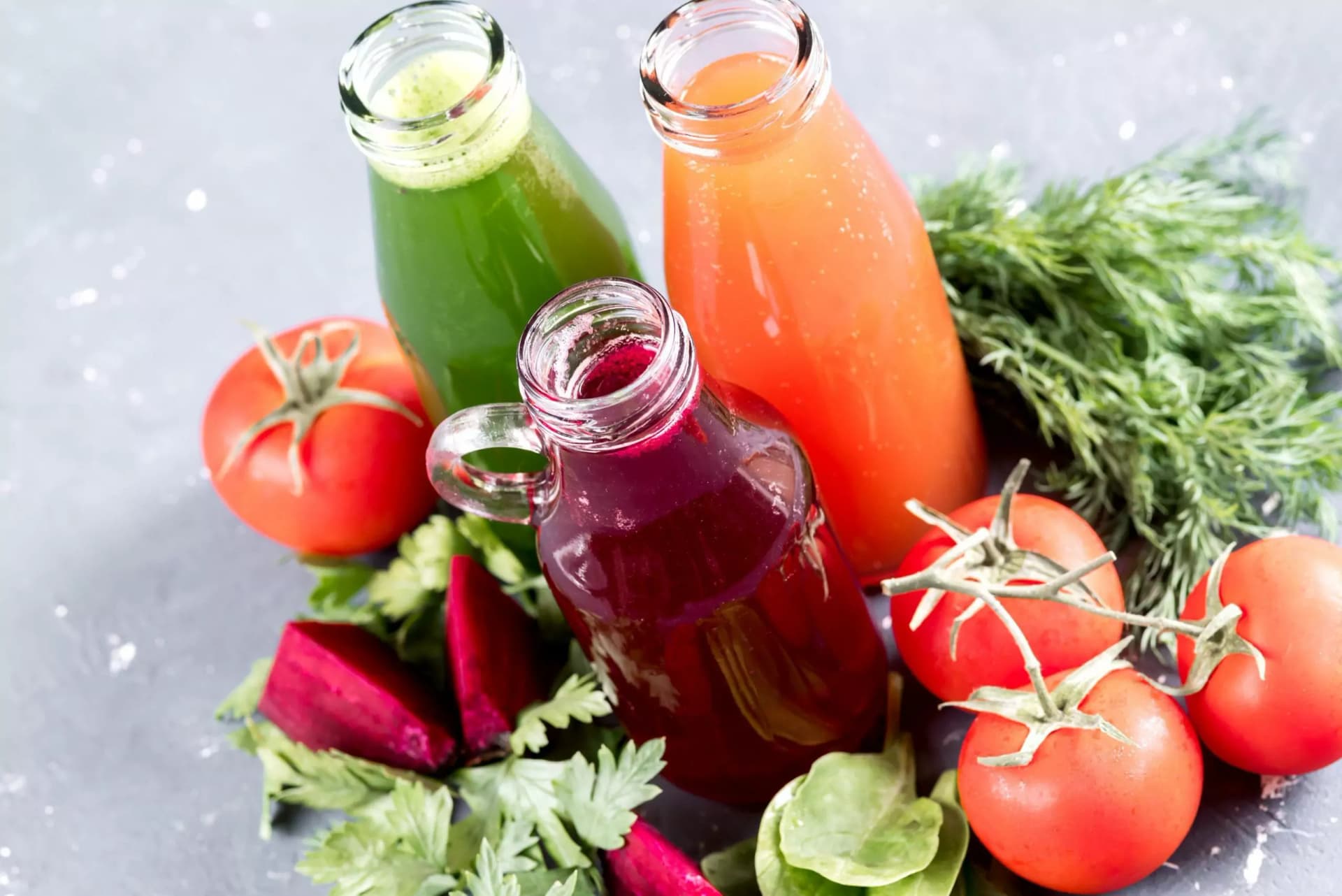
Vegetable juice is a concentrated source of vitamins, minerals, and antioxidants like beta-carotene and lycopene. Regular consumption is associated with potential benefits for heart health, immune function, hydration, and digestion, though it should complement — not replace — whole vegetables in a balanced diet.
- Vegetable juice concentrates vitamins, minerals, and antioxidants from vegetables into an easy-to-drink form.
- Potassium and vitamin C in vegetable juice may support cardiovascular health.
- Vegetable juice provides hydration along with nutrients, supporting digestion and energy levels.
- "Detox" claims are best understood as supporting the body's natural liver/kidney function, not literal toxin removal.
- Juice works best as a complement to, not a replacement for, whole vegetables and their fiber.
In the daily menu, one of the food groups especially beneficial for the digestive system is vegetables. They're a good source of fiber, vitamins, minerals, and antioxidants, and juicing them offers a convenient, concentrated way to enjoy those nutrients. Vegetable juice is a concentrated source of vitamins, minerals, and antioxidants like beta-carotene and lycopene. Regular consumption is associated with potential benefits for heart health, immune function, hydration, and digestion, though it should complement — not replace — whole vegetables in a balanced diet.
1. Nutritional components
Depending on the type of vegetable, the micronutrients differ in type and content. Most vegetables contain vitamin A, vitamin C, potassium, iron, calcium, folate, dietary fiber, beta-carotene, magnesium, and numerous phytonutrients, flavonoids, antioxidants, and amino acids.
2. Rich in Antioxidants
The antioxidants found in vegetable juices — such as beta-carotene, lycopene, phytonutrients, and phenolic compounds — help combat the effects of free radicals. A diet rich in antioxidants, including regular vegetable juice consumption, is associated with a lower risk of certain chronic conditions such as heart disease and some age-related concerns, according to general research on dietary antioxidants from the NIH Office of Dietary Supplements.
3. Supports Digestive Balance
The minerals and antioxidants in vegetable juices can support a healthy gut environment, helping maintain a balanced digestive system as part of an overall fiber-rich diet.
4. Cardiovascular Support
The potassium in vegetable juice may help support healthy blood pressure levels, according to guidance from the American Heart Association. Iron and vitamin C also support the circulatory system and the body's natural collagen production, which contributes to healthy blood vessels.
5. May Support Brain Health
Antioxidants in vegetable juice may help combat oxidative stress in the body, including within the nervous system. Some research has explored antioxidants' role in supporting healthy brain aging and cognitive function, though it's important to note this is an active area of ongoing research rather than a settled conclusion — vegetable juice should be seen as a supportive dietary habit, not a treatment for any neurological condition.
6. Supports Immune Function
Vegetable juices are known for their vitamin C content, which supports the body's production of white blood cells — a key part of the immune system. Antioxidants like lycopene further support the body's defenses against everyday oxidative stress.
7. Supports Hydration
Most vegetable juices have a high water content, which helps keep your body hydrated — supporting digestion, energy levels, metabolic rate, and cognitive function.
8. What "Detox" Really Means
Vegetable juices are often marketed for their "detoxifying" effects. It's worth understanding what this actually means: the liver and kidneys are responsible for filtering and eliminating waste from the body — no juice removes toxins directly. What vegetable juice CAN do is support these organs' normal function through hydration, fiber (in juices that retain pulp), and nutrients, while some vegetables have mild diuretic properties that support the kidneys' fluid-balancing role.
9. Skin and Hair Support
9.1 Support Skin
The antioxidants found in vegetable juices may help support skin's resilience against everyday environmental stress.
9.2 Support Hair
Certain minerals present in vegetable juices, like zinc and iron, also play a role in maintaining healthy hair.
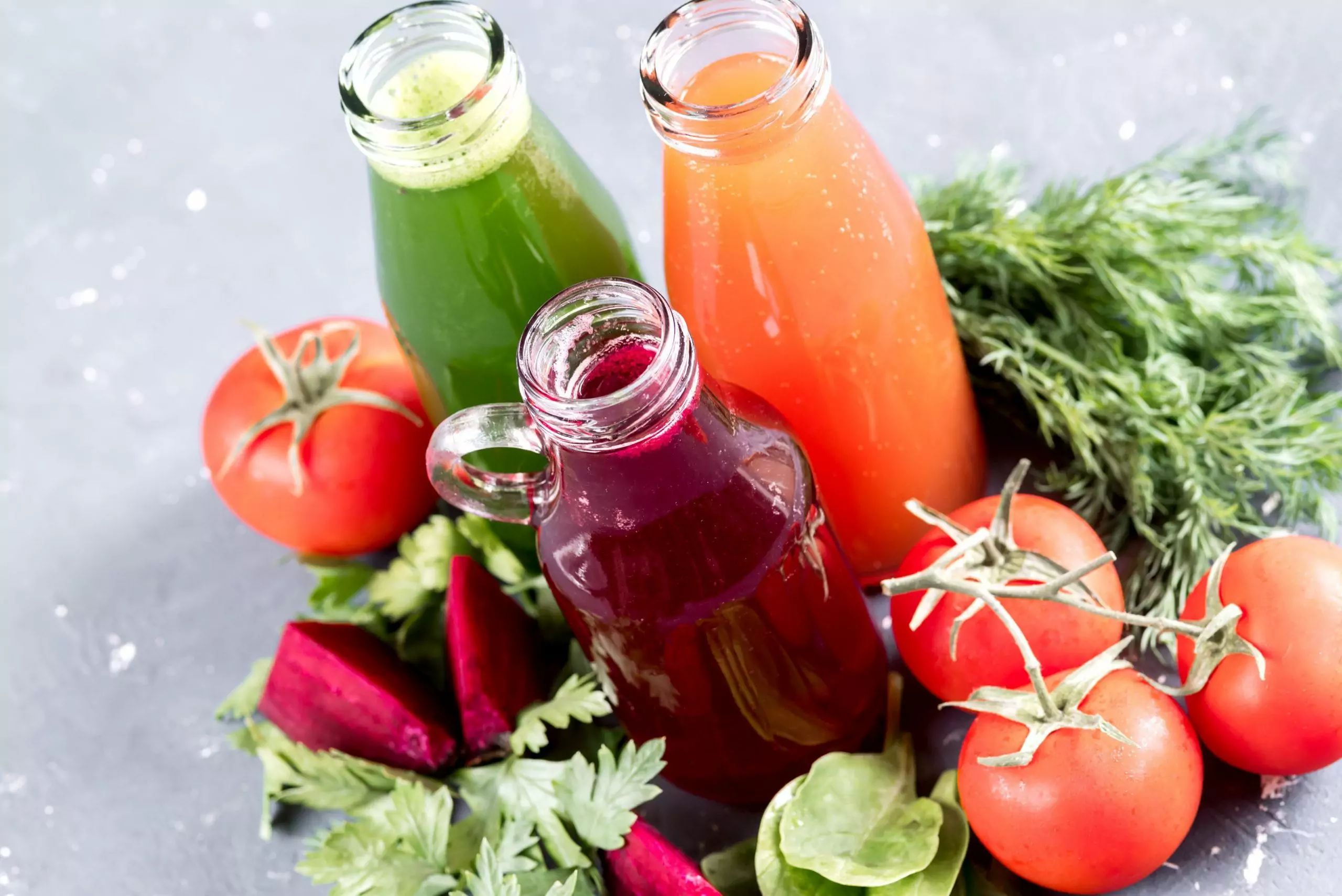
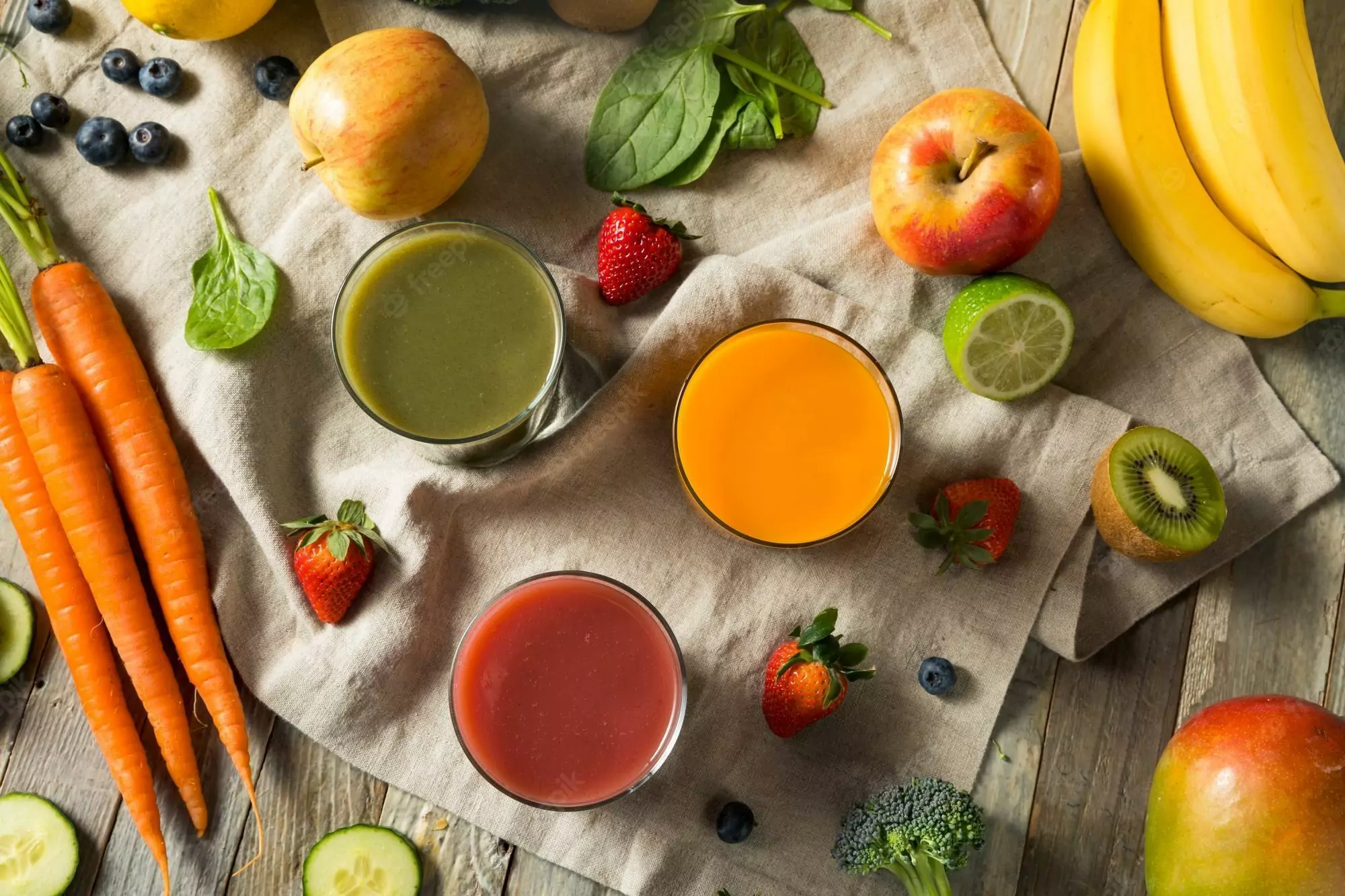
With all these potential benefits, adding vegetable juice alongside eating whole vegetables in your daily diet is a reasonable way to support overall health. To improve the taste, try combining different vegetables — mixing leafy greens with tomato or carrot juice, for example, balances flavor while keeping the nutritional benefits.
Ready to try it? Explore VINUT's Green, Red, and Yellow Vegetable Juice Drinks for a convenient, ready-to-drink option.
10. Conclusion
Vegetable juice offers a convenient, nutrient-dense way to support your health — from cardiovascular and immune support to hydration and skin health. While it shouldn't fully replace whole vegetables and their fiber, adding a glass of vegetable juice to your daily routine is a simple, tasty way to boost your overall nutrient intake.
Interested in trying vegetable juice for yourself? Explore VINUT's Vegetable Juice range or request a free catalog to learn more.
FAQ
Is vegetable juice as healthy as eating whole vegetables?
Juice provides concentrated vitamins, minerals, and antioxidants, but typically loses much of the fiber found in whole vegetables — it works best as a complement, not a replacement.
How much vegetable juice should I drink per day?
About 1 cup (240ml) is a reasonable serving to enjoy as part of a balanced diet, without relying on it as a sole nutrition source.
Can vegetable juice help lower blood pressure?
Its potassium content may support healthy blood pressure levels as part of an overall balanced diet.
Does vegetable juice really detox the body?
Not in the literal sense — the liver and kidneys handle detoxification naturally. Vegetable juice supports these organs' normal function through hydration and nutrients, rather than "flushing out" toxins directly.
What vegetables make the best juice?
Tomato, carrot, beetroot, spinach, and parsley are popular choices, often combined to balance flavor and nutrition.
About this article

The VINUT editorial team publishes articles about beverage ingredients, product characteristics, and practical information for readers and international buyers.