
Buyer Briefing
3 min read · 671 words
Bird's nest, made from the solidified saliva of swiftlets, is a prized product in some cultures, especially Chinese cuisine, and has been valued for over 1,500 years for its culinary and medicinal properties. It is believed to offer health benefits such as improving digestion, boosting the immune system, and promoting skin health, and contains nutrients like protein, carbohydrates, minerals, glycoproteins, and sialic acid. It is used in food, beverages, and traditional medicine.
- Bird's nest is a prized product in some cultures, especially Chinese cuisine, made from the solidified saliva of swiftlets found in Southeast Asia.
- It has been valued for over 1,500 years in China for its culinary and medicinal properties, first mentioned in a Tang Dynasty medical text.
- The production of bird's nest is a meticulous process, involving harvesting the swiftlets' saliva nests three times a year, followed by cleaning and sorting by hand.
- Bird's nests are rich in protein, carbohydrates (including glycoproteins and mucopolysaccharides), minerals (calcium, magnesium, iron, potassium, sodium), glycoproteins, and sialic acid.
- Health benefits attributed to bird's nests include improving skin health (elasticity, anti-aging, anti-acne) and boosting the immune system by helping the body fight sickness and strengthening resistance.
- Bird's nests are used as a delicacy in food (like soup), as an ingredient in beverages, and in traditional medicine, particularly in Asia.
Bird’s nest is believed to have a number of health benefits, including improving digestion, boosting the immune system, and promoting skin health. Bird’s Nest has been enjoyed for centuries in Asian cultures, and it is now gaining popularity worldwide. In this article, VINUT will explore the fascinating world of a bird’s nest, its history, production, and nutritional value.
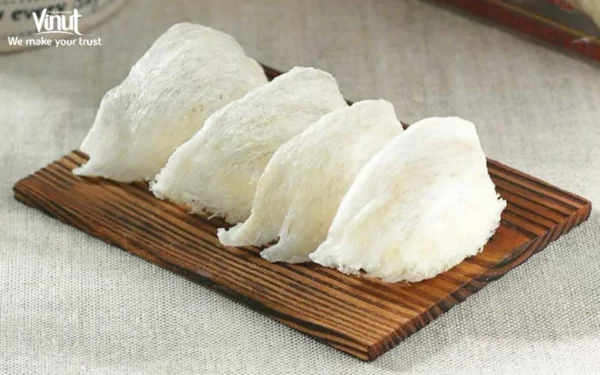
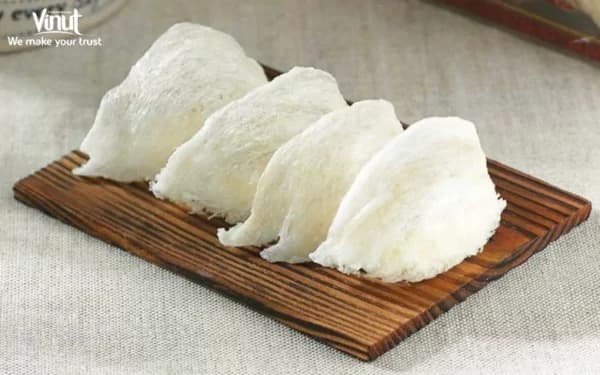
VINUT_Bird’s Nest
1. What is Bird’s Nest?
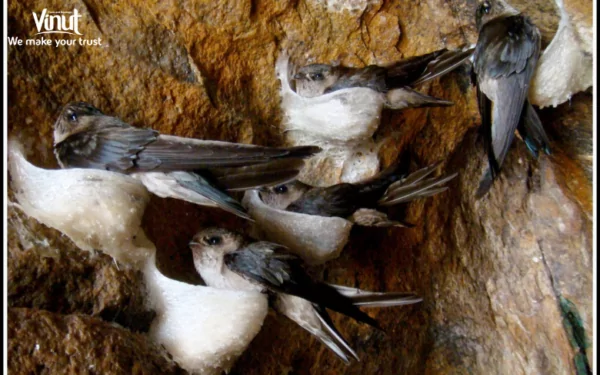
Bird’s nest is believed to be a prized product in some cultures, especially in Chinese cuisine. It is made from the saliva of swiftlets, a type of bird found in Southeast Asia. The nests are made by birds using their saliva, which solidifies and forms a cup-shaped structure.
Nests are harvested from the burrows of birds that have built their nests. The nests are carefully collected by hand, cleaned, and then sold as a luxury food item.
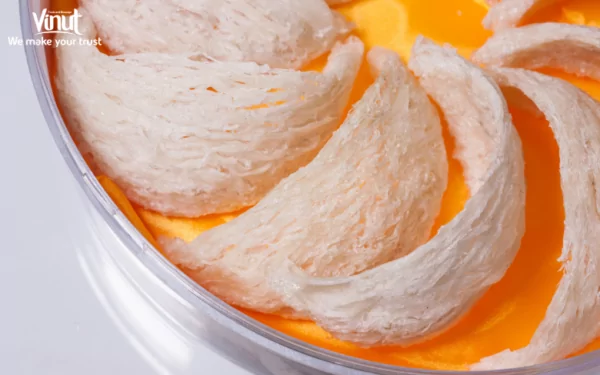
VINUT_What’s Bird’s Nest?
2. The History of Bird’s Nest
The bird’s nest has been prized for its culinary and traditional medicinal properties for over 1,500 years in China. It was first mentioned in a Chinese medical text from the Tang Dynasty (618-907 AD) where it was traditionally believed to have healing properties for ailments such as asthma, cough, and tuberculosis. The rich and upper class also consumed it as a delicacy, as it was traditionally believed to have the effect of prolonging life, beauty, and vitality.
VINUT_History of Bird’s Nest
3. The Production of Bird’s Nest
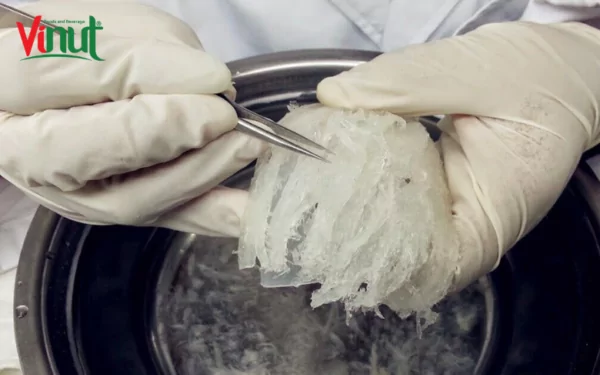
Bird’s nest production is a meticulous and time-consuming process that requires careful attention to detail. The nests are made from the swiftlets’ saliva, which hardens when exposed to air, forming a gelatinous texture. The nests are harvested three times a year, and the swiftlets’ saliva is delicately removed from the walls of the birdhouses. The nests are then cleaned and sorted by hand, with the highest quality nests being the whitest and most translucent.
VINUT_The Production of Bird’s Nest
4. Nutrients In Bird’s Nests
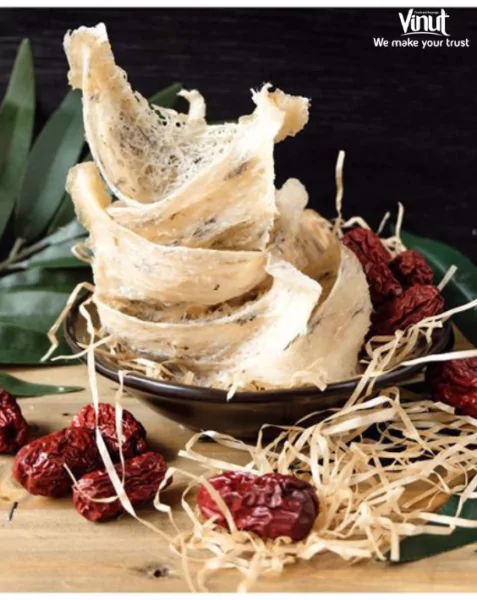
Protein: they contain a lot of protein, making them a good source of amino acids, which are essential for building and repairing tissues in the body.
Carbohydrates: they also contain carbohydrates, including complex carbohydrates such as glycoproteins and mucopolysaccharides.
VINUT_Nutrients In Bird’s Nests
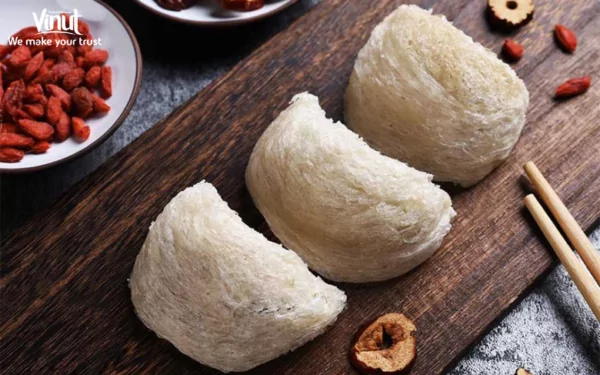
Minerals: they contain a variety of minerals, including calcium, magnesium, iron, potassium, and sodium. These minerals are important for a variety of bodily functions, including muscle and nerve function, bone health, and fluid balance.
Bird’s nest contains glycoproteins, which are traditionally believed to have anti-inflammatory and immunomodulatory effects. These compounds may be associated with supporting the immune system and reducing inflammation in the body.
VINUT_Nutrients In Bird’s Nests
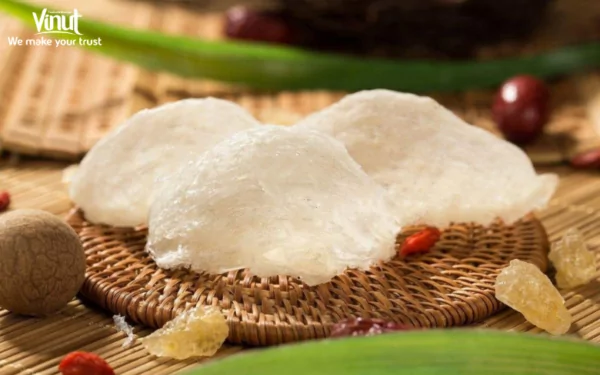
Edible bird’s nest is a natural source of sialic acid, a compound important for brain and nerve function. Sialic acid is also thought to have anti-inflammatory effects and may be associated with supporting the immune system.
VINUT_Nutrients In Bird’s Nests
5. Health Benefits of Bird’s Nests
5.1 Skin health
Bird’s nest has long been promoted as a beauty treatment that can improve skin elasticity, reduce wrinkles and promote a youthful appearance.
It is associated with anti-aging and anti-acne properties, and may support collagen and elastin due to its high galactose and threonine content. Furthermore, the protein contained in the edible bird’s nest has been observed to help protect the skin barrier and may offer anti-aging properties.

VINUT_Skin and Hair Health
5.2 Immune system
It is said to have positive effects on many internal organs of the body such as the liver and kidneys. Regular consumption of bird’s nests is traditionally believed to help the body maintain health and strengthen its resistance, thanks to the content of bioactive compounds such as sialic acid.

VINUT_Stronger Immunity
6. Some Ways To Use Bird’s Nest
6.1 Food
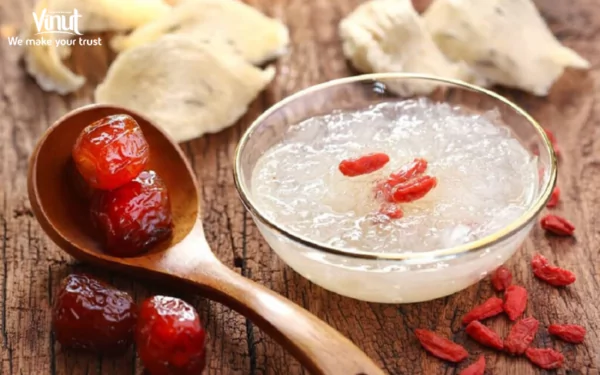
In some cultures, particularly in Chinese cuisine, bird nests are considered a delicacy and are used to make soup or other dishes.
VINUT_Food
6.2 Beverage
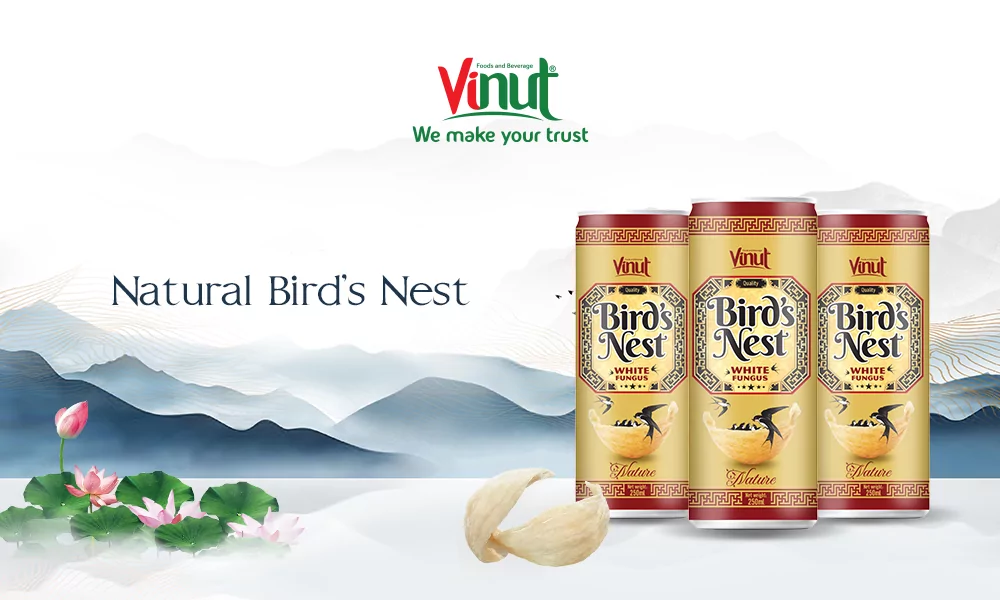
Bird’s nest is also a popular ingredient to add to drinks.
VINUT Bird’s Nest Drink
6.3 Traditional medicine
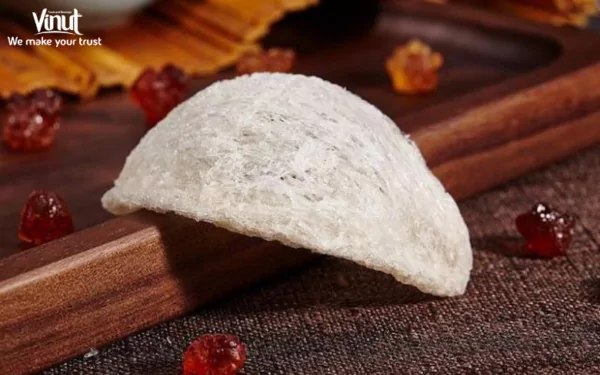
They have been used in traditional medicine to support health and address various ailments, particularly in Asia.
VINUT_Traditional medicine
7. Summary
Bird’s nest is a unique and valuable ingredient that has been enjoyed for centuries. It has a fascinating history and continues to be highly regarded for its culinary and medicinal properties.
FAQ
What is bird's nest?
Bird’s nest is a prized product in some cultures, especially in Chinese cuisine, made from the saliva of swiftlets, a type of bird found in Southeast Asia. The birds use their saliva, which solidifies, to form a cup-shaped structure.
What is the history of bird's nest?
Bird’s nest has been prized for its culinary and medicinal properties for over 1,500 years in China. It was first mentioned in a Chinese medical text from the Tang Dynasty (618-907 AD) for healing properties for ailments such as asthma, cough, and tuberculosis, and was consumed by the rich and upper class as a delicacy for prolonging life, beauty, and vitality.
How is bird's nest produced?
Bird’s nest production is a meticulous and time-consuming process. The nests are made from the swiftlets’ saliva, which hardens when exposed to air, forming a gelatinous texture. The nests are harvested three times a year, and the swiftlets’ saliva is delicately removed from the walls of the birdhouses. The nests are then cleaned and sorted by hand, with the highest quality nests being the whitest and most translucent.
What nutrients are found in bird's nests?
Bird’s nests contain protein, carbohydrates (including complex carbohydrates such as glycoproteins and mucopolysaccharides), minerals (including calcium, magnesium, iron, potassium, and sodium), glycoproteins, and sialic acid.
What are the health benefits of bird's nests?
Bird’s nest is believed to improve skin health by increasing elasticity, reducing wrinkles, promoting a youthful appearance, and providing anti-aging and anti-acne properties. It also helps strengthen the immune system and resistance against sickness and disease due to bioactive compounds like sialic acid.
How is bird's nest used?
Bird’s nest is used as a delicacy in food, particularly in Chinese cuisine for soups and other dishes. It is also a popular ingredient to add to drinks and has been used in traditional medicine to promote health and treat various ailments, particularly in Asia.
About this article
The VINUT editorial team publishes articles about beverage ingredients, product characteristics, and practical information for readers and international buyers.