Buyer Briefing
4 min read · 779 words
Coconut water is the liquid naturally inside a coconut. Coconut milk is extracted from coconut flesh, usually with water, and typically has a creamier texture. A ready-to-drink coconut milk beverage may be formulated differently from culinary coconut milk, so check the finished product type and label before substituting or buying.
- Coconut water and coconut milk come from different parts of the coconut.
- Culinary coconut milk and a ready-to-drink coconut milk beverage are not automatically interchangeable.
- Compare actual ingredient lists and intended use, not package appearance.
- Use the exact product's label when comparing fat or sugars on the same serving basis.
- VINUT has separate catalogue collections for coconut water and coconut milk.
Coconut water is the liquid naturally found inside a coconut. Coconut milk is made from coconut flesh, usually by processing the white kernel with water. Coconut water is normally thin and relatively clear, while coconut milk is opaque and richer in texture. There is a third option worth separating: a ready-to-drink coconut milk beverage, which may be formulated differently from coconut milk sold for cooking.
To choose the right one, decide whether you need a light drink, a creamy drink or a cooking ingredient. Then use the finished product's name, ingredient list and instructions to confirm what you are buying.
Where coconut water and coconut milk come from
Coconut water develops inside the coconut. It can be collected from young or mature coconuts and processed into packaged beverages. Coconut milk starts with the white coconut flesh, also called the kernel. The flesh is processed and pressed, commonly with added water, to create an emulsion containing dispersed coconut material. The Coconut Handbook explains these two distinct ingredients and processing routes.
That starting-material distinction is more reliable than an advertising image. Both products may show a coconut on the front, yet the finished liquids are not interchangeable simply because they come from the same fruit.
Three coconut products to keep separate
1. Coconut water
Coconut water is typically a thin liquid chosen for drinking chilled, over ice or as a base for a fruit cooler. Packaged coconut-water products can include flavour variations or other ingredients, so the category alone does not establish the complete formula of an individual drink.
2. Coconut milk for cooking
Culinary coconut milk is made from coconut flesh and contributes a creamier texture to sauces, curries, soups and desserts. Its concentration varies between products. In a recipe that relies on coconut milk for body, using coconut water instead will usually produce a thinner result.
3. Ready-to-drink coconut milk beverages
A coconut milk drink is a finished beverage designed for sipping. It may be lighter than cooking-style coconut milk because of its formulation. Iowa State University Extension distinguishes coconut milk beverages from coconut milk intended for cooking. Do not assume one can replace the other in a recipe without checking its ingredients and intended use.
VINUT's catalogue includes a Coconut Milk Drink – Original Flavour, 330 mL.
How do texture, flavour and use compare?
Think of the comparison in three practical directions. Coconut water is a thinner liquid suited to a light, coconut-based drink. Cooking coconut milk usually brings more body and a creamy coconut character to food. Coconut milk beverages are prepared for drinking, so their sweetness, thickness and flavour must be judged from the exact finished product, not from culinary coconut milk data.
Fruit origin, formulation, processing, storage and serving temperature can affect what a particular product tastes like. A clear drink is not automatically sugar-free, and a white drink is not automatically higher in any specified nutrient. Read the actual pack when those details matter.
Which product fits your occasion?
- For chilled refreshment: start with a coconut water product and check any flavour or pulp additions on its label.
- For curry, sauce or a rich dessert: choose culinary coconut milk of the concentration called for in the recipe.
- For a creamier packaged drink: explore a coconut milk beverage formulated to be served on its own.
- For a café menu: test the exact purchased product in the intended recipe before promising a particular texture or substitution.
Where a recipe specifies coconut milk, first clarify whether it means a culinary ingredient or a drinking beverage. Substituting by name alone can change the result substantially.
Five checks on the finished-product label
- Product type: Does the pack actually say coconut water, coconut milk, coconut cream or coconut milk drink?
- Ingredients: Look for coconut water, coconut milk or coconut flesh alongside any other declared ingredients.
- Nutrition: If comparing fat or sugars, use the finished products' actual labels on the same serving or volume basis.
- Intended use: Check whether the product is a ready-to-drink beverage or a cooking ingredient.
- Storage and serving: Follow that specific pack's instructions before and after opening.
Packaging alone is not a sufficient test. A can, bottle or carton can contain different kinds of coconut products. Nor can the words “original” or “plant-based” establish the full ingredient list, allergen profile or a particular nutritional advantage.
Explore VINUT coconut drink options
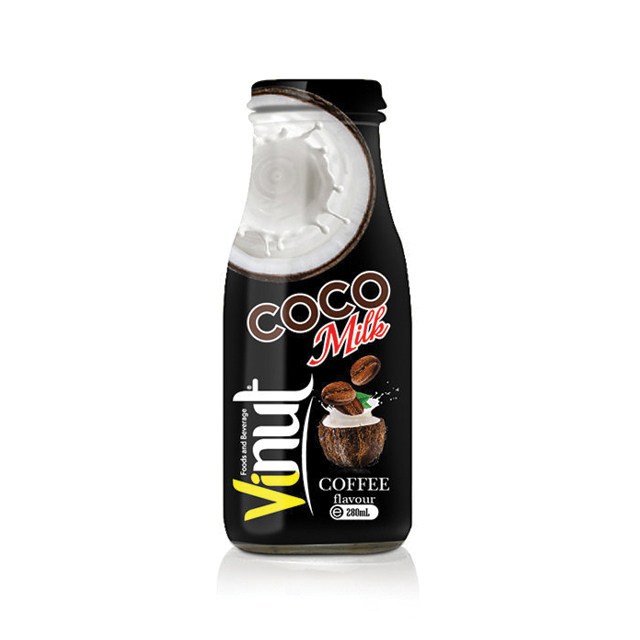
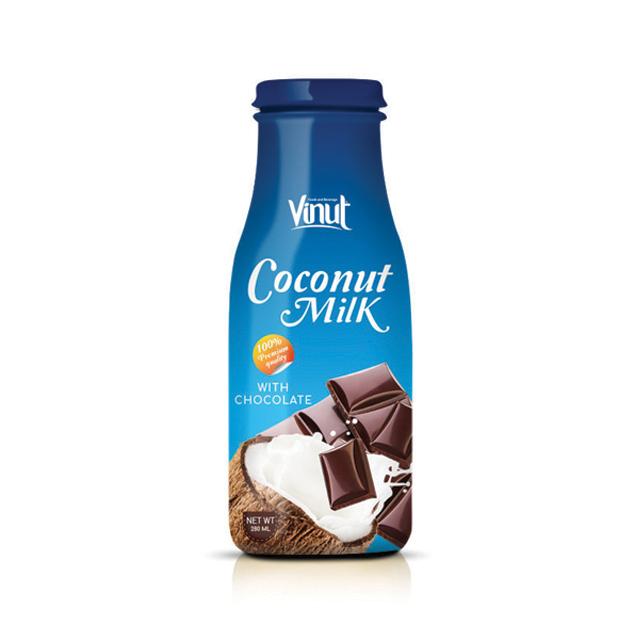
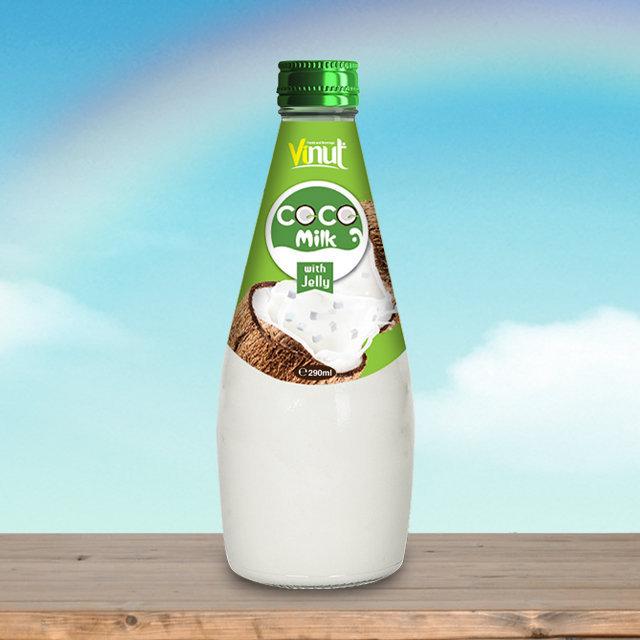
VINUT maintains separate catalogue collections for Coconut Water and Coconut Milk. Browse the relevant category to identify a suitable drink type. For an exact purchase or distribution decision, use the selected item's approved destination-market label and specification rather than transferring ingredient or nutrition statements from another product.
The most useful distinction is simple: coconut water starts as liquid inside the fruit, coconut milk comes from its flesh, and a coconut milk beverage is formulated as a drink. Choose according to the job you want the product to do.
VINUT products
Explore related drinks
View ingredients, sizes and packaging.
FAQ
Can a coconut-water drink include fruit juice or flavours?
Yes. A packaged coconut-water-based beverage may be formulated with other ingredients. Its category name does not identify every addition. Read the specific ingredient declaration and any applicable juice statement on the destination-market pack.
Does a carton prove that a coconut milk product is ready to drink?
No. Packaging shape is not a reliable indication of intended use. Look for the full product name, preparation instructions and ingredient list to distinguish a drinking beverage from culinary coconut milk.
Does coconut milk drink automatically mean dairy-free?
Not necessarily. The phrase alone does not verify the complete formulation or allergen status of a particular finished drink. Read the approved ingredient and allergen information for that exact product and market.
Is coconut cream the same as coconut milk?
They are related products made from coconut flesh, but coconut cream is generally a more concentrated and richer preparation. Check the recipe's intended product and the actual pack before substituting one for the other.
Why can some culinary coconut milk separate into layers?
Coconut milk is an emulsion. Depending on formulation and handling, a richer portion may separate from a more watery portion. Follow the product's instructions rather than assuming that the appearance proves quality or safety.
What should a café verify before using a coconut milk drink in a recipe?
Check the exact ingredient and product specification, whether it is intended for drinking or culinary use, its storage directions and its behaviour in a trial of the actual recipe. A ready-to-drink product may be thinner or sweeter than the cooking ingredient a recipe expects.
About this article

The VINUT editorial team publishes articles about beverage ingredients, product characteristics, and practical information for readers and international buyers.