Buyer Briefing
4 min read · 726 words
Juice with pulp may contain noticeable fruit particles or soft pieces, while a smooth-style juice offers a more even sip. Smooth juice can still be cloudy. Neither texture proves a higher juice percentage, more fibre or less sugar, so use the finished-product label to compare those details.
- Pulp may include fine fruit material or more noticeable soft pieces.
- Smooth texture and clear appearance are not the same thing.
- Texture alone cannot establish juice percentage, fibre or added-sugar content.
- Compare the same fruit and the same serving quantity when possible.
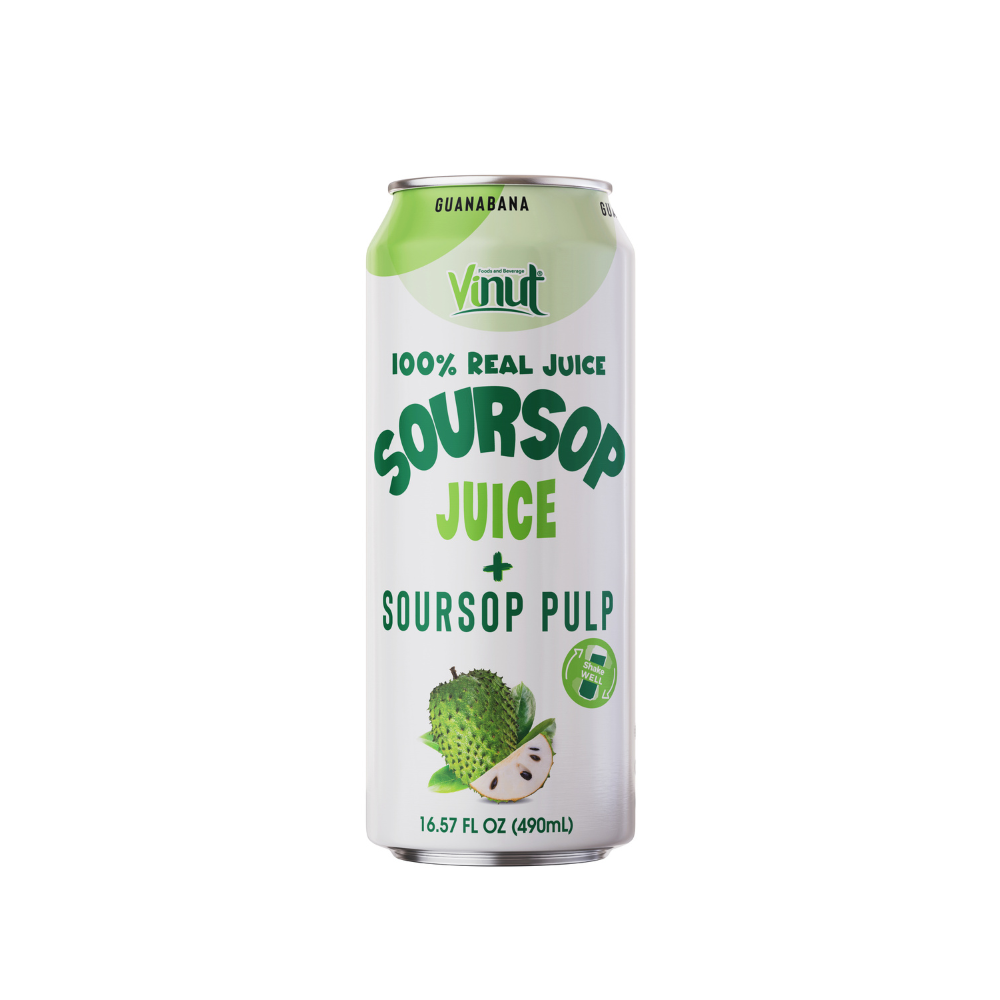
- VINUT's catalogue includes a soursop with-pulp example, not a verified paired smooth comparison.
Choose juice with pulp if you enjoy noticeable fruit particles or soft pieces. Choose a smoother juice when you prefer a more even sip. That is a texture choice, not a shortcut to nutritional quality. A pulpy appearance cannot, by itself, establish a drink's juice percentage, dietary fibre or added-sugar content. Compare the actual fruit and finished-product labels before deciding.
What does pulp change in a fruit drink?
Pulp can describe fine fruit material, a thicker purée-like component or pieces of fruit suspended in a drink. These forms do not feel identical. One with-pulp drink may have tiny particles that are barely noticeable, while another contains soft pieces you can feel when sipping.
The FAO guide to fruit juice processing distinguishes clear, cloudy and pulpy juices as well as purées. That technical distinction is useful when comparing textures, but it does not provide the ingredient list or specifications of a particular packaged VINUT product.
Is smooth juice always clear or pulp-free?
No. Smooth describes how the drink feels, while clear describes what you can see through it. A juice can appear cloudy because of fine suspended material and still feel relatively uniform. Larger fruit particles may give a more noticeable bite. These differences depend on the fruit, processing and final recipe.
Do not treat the absence of visible pieces as proof that a product contains no fruit material. Nor should you assume that two drinks labelled “with pulp” have the same particle size or thickness. A photograph is helpful for shortlisting a drink, but observing a sample is more useful when mouthfeel is the deciding factor.
How to compare the ingredients and labels
Start with the full name of each finished beverage. Fruit juice, juice drink, nectar and purée-based drinks may describe different product types. They should not be treated as identical categories simply because they share the same fruit image or have a similar colour.
Next, read the ingredient list to identify the fruit or fruits, pulp, purée and any other declared ingredients. Then check the juice percentage where required. For U.S. beverages represented as containing juice, 21 CFR 101.30 describes percentage-juice declarations. Pulp visibility is not a substitute for that declared percentage, and U.S. provisions should not be presented as worldwide rules.
Keep nutrition and texture as separate comparisons
A drink with pulp does not automatically have more labelled dietary fibre, fewer added sugars or a higher juice percentage than a smoother drink. Those are product-specific questions. Read the nutrition values on the actual packs and compare the same amount of beverage. The U.S. FDA Nutrition Facts guide explains why serving size matters for such comparisons. Do not turn a texture description into a nutritional claim.
Which texture suits the way you serve juice?
- Chilled and ready to sip: select a verified with-pulp drink if you enjoy fruit particles, or a smoother one if you prefer a uniform mouthfeel.
- Over ice: consider whether floating pieces suit the presentation you want. Ice can dilute the drink as it melts.
- For a mocktail: decide whether soft pieces contribute to the intended look or whether a smoother base works better. Trial the exact product rather than assuming how it will mix.
- For a café or shop: identify the actual fruit, texture, pack format and storage directions before describing the option to customers.
A product from one fruit variety may feel very different from another even when both are sold as “with pulp.”
A five-step comparison using two real drinks
- Select two finished products made with the same fruit where possible. Record their full names and market versions.
- Read the ingredient lists and the juice declarations before opening either pack.
- Follow each product's serving instructions. Do not shake a pack unless its directions call for it.
- Pour comparable quantities into separate glasses. Observe cloudiness, visible pieces and how evenly the drink pours, then decide which mouthfeel you prefer.
- Review any nutritional claims on the actual labels using the same serving or volume basis. Keep observations about texture separate from measured product facts.
If a product behaves unexpectedly, refer to its handling guidance rather than interpreting appearance alone.
Explore VINUT fruit juices
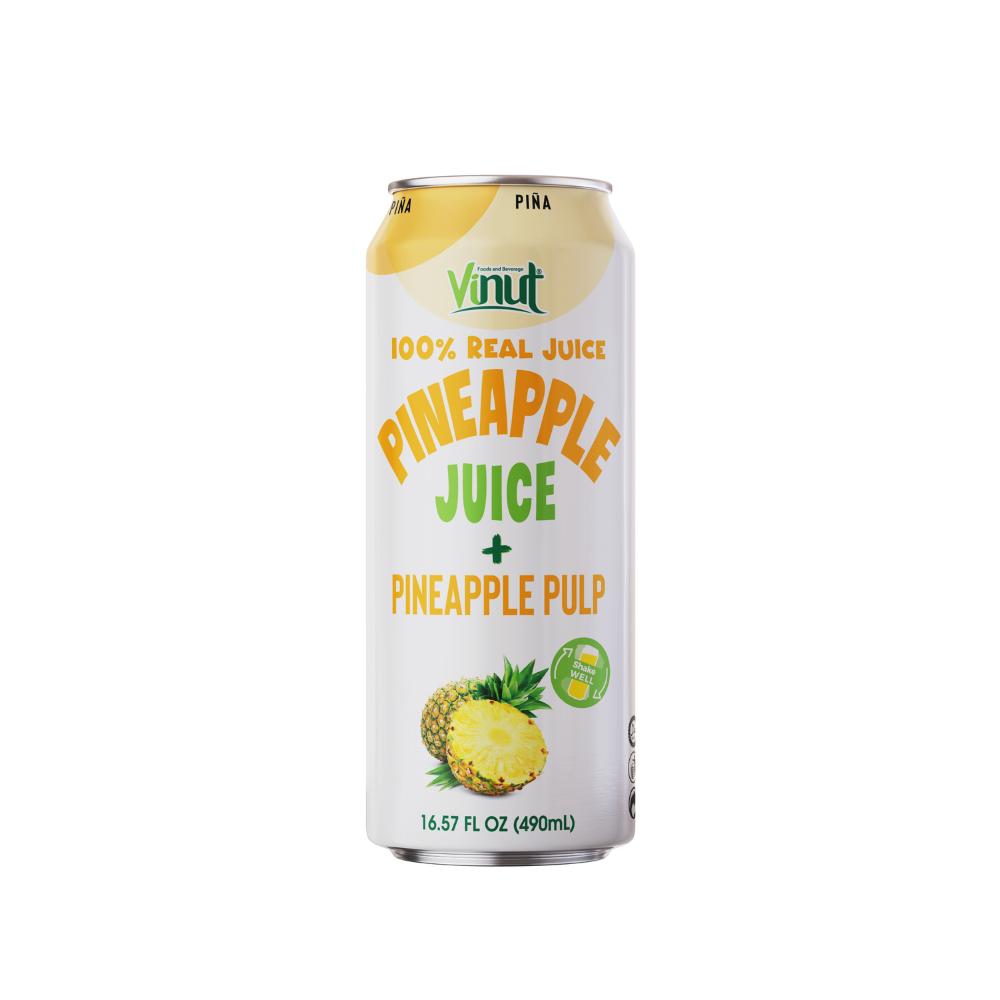
Explore VINUT's Soursop Juice Drink with Pulp for a fruit-pulp option. For your own comparison, choose a smoother drink made with the same fruit where available.
To explore other flavour and format options, visit the VINUT Fruit Juice collection. Choose by the texture you want, then confirm the exact product's ingredients, nutrition declarations and instructions before purchasing or selecting it for a retail range.
VINUT products
Explore related drinks
View ingredients, sizes and packaging.
FAQ
Can pulp or fruit particles settle in a packaged drink?
Some products may show settling because suspended material and formulations differ. Follow the specific package's storage and shaking instructions. Settling alone should not be taken as proof that every product is normal or defective.
Can I strain a pulpy drink if I prefer a smoother sip?
Straining a poured drink may remove some noticeable particles, but it changes the drink as served. It does not turn it into a separately labelled smooth SKU, and the original nutrition panel must not be presented as a measurement of the strained serving.
Can two drinks from the same fruit have different pulp textures?
Yes. Preparation, particle size and the finished recipe can change mouthfeel even when the fruit is the same. Use the actual product description or a sample instead of assuming all with-pulp drinks feel alike.
Does pulp guarantee more dietary fibre in the finished drink?
No. The visible presence of pulp does not quantify dietary fibre in a packaged beverage. Check the labelled fibre value for each finished product on an equivalent serving or volume basis before making a comparison.
Can I tell whether a drink will pass easily through a straw from its photo?
Not reliably. A photo does not measure particle size or flow. If straw compatibility matters for a café menu, try the specific product with the intended straw and serving glass, then record your own observations.
What should I do when two juice labels use different serving sizes?
Compare the same nutrient on a common quantity using the values printed on each actual label. A large pack may contain multiple servings, so a pack-total figure and a per-serving figure should not be compared directly.
About this article
The VINUT editorial team publishes articles about beverage ingredients, product characteristics, and practical information for readers and international buyers.