Buyer Briefing
4 min read · 705 words
Original coconut water is a coconut-led option, while mango-flavoured coconut water introduces a mango note. Their names alone do not verify mango-juice content, added sugar or texture. Compare the exact ingredient and nutrition panels for the market and pack you are buying.
- Choose the flavour direction first, then verify the finished-drink label.
- A mango name does not establish mango juice percentage or a sweeter drink.
- “Original” is not proof of no added sugar or a single-ingredient recipe.
- Compare nutrition on an equivalent serving basis and check pulp separately.
- VINUT's 320 mL catalogue examples are not a substitute for approved market labels.
Choose original coconut water when you want a coconut-led drink. Choose mango-flavoured coconut water when a mango note sounds more appealing. The names describe different flavour directions, but they do not establish how much mango juice, coconut water or sugar a particular drink contains. For a meaningful choice, compare the finished products and their actual labels.
How do the two flavour styles differ?
An original variety usually puts coconut flavour at the centre. A mango variety suggests a tropical fruit note alongside the coconut-water base. Neither description guarantees that every brand or batch tastes the same. Fruit variety, the formula, processing and serving temperature can all influence the result.
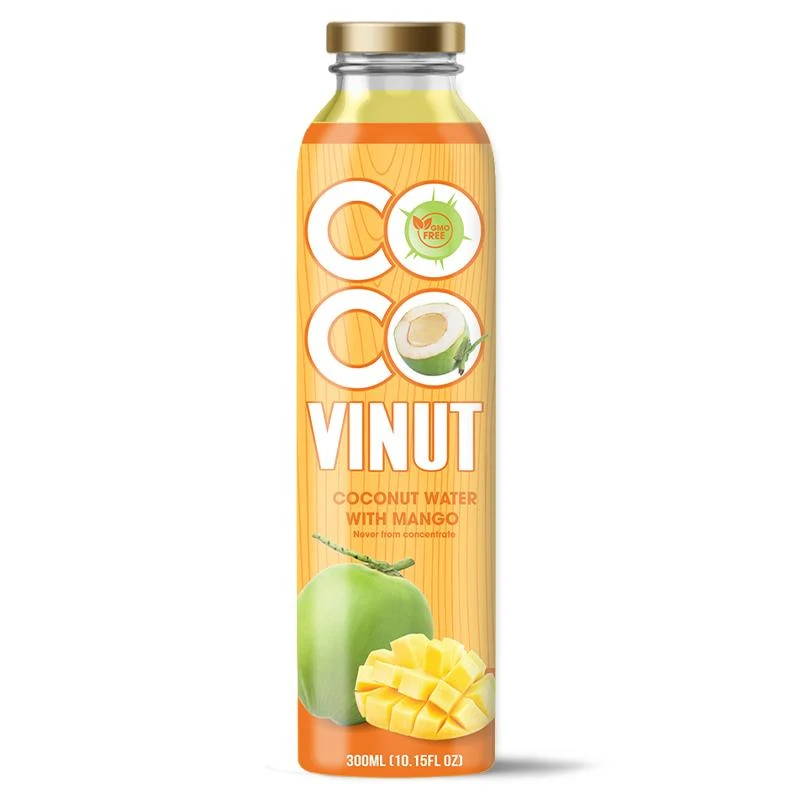
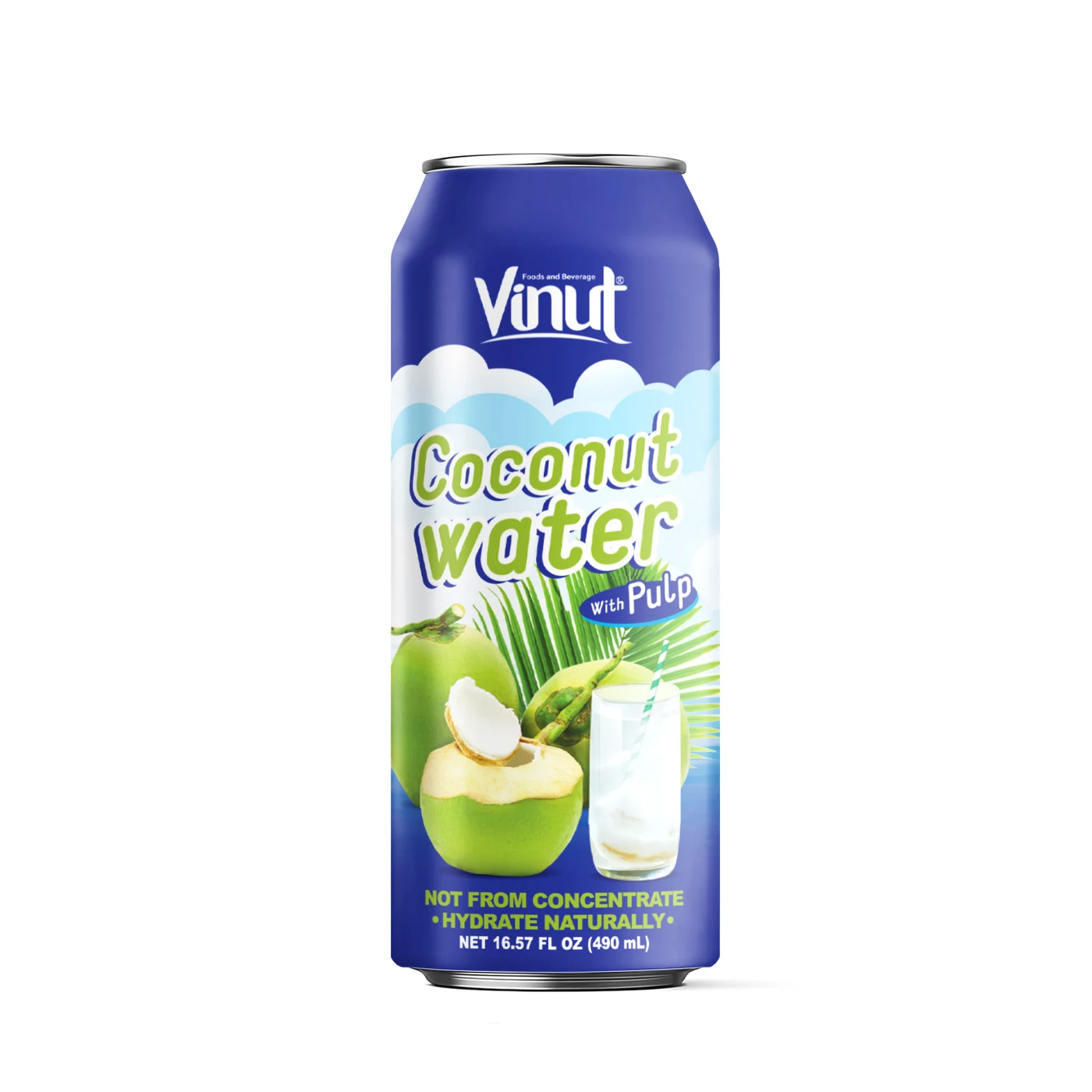
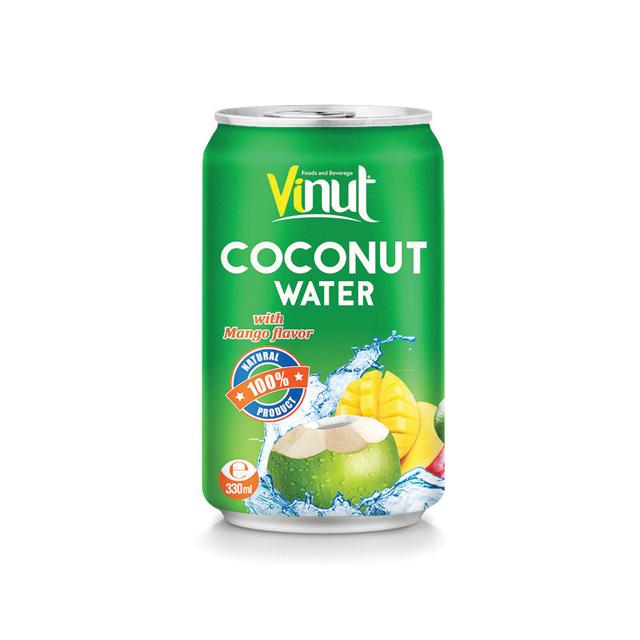
VINUT's catalogue shows Original Coco Water and Coco Water with Mango in 10.82 fl oz (320 mL) can formats. These two listings are useful examples of how a drink range separates its flavour choices.
Compare the ingredients, not just the names
A product with “mango” in its name might use mango juice, mango purée, a mango flavouring or some combination, depending on the recipe. The name alone does not prove an amount or type of mango ingredient. Likewise, “original” does not automatically mean a one-ingredient beverage, no added sugar or no coconut pieces.
Read both current ingredient lists for the market where you are purchasing. For U.S. packaged foods, the Food and Drug Administration explains that ingredients are generally listed from greatest to least by weight, with certain exceptions. The position of an ingredient is not a substitute for a declared percentage or a full specification.
A useful side-by-side label check
- Finished product identity: Is each item coconut water, a coconut-water drink or another legally named beverage in the selling market?
- Mango ingredient: Does the mango pack actually declare juice, purée, flavouring or a relevant ingredient?
- Other ingredients: Compare all declared additions and the complete ingredient lists, rather than assuming “original” means fewer ingredients.
- Nutrition: Read the panel and compare Total Sugars, Added Sugars where applicable, and other values on the same reference quantity.
- Texture and instructions: Check whether either product actually contains pieces, then read the individual serving and storage directions.
If a product listing omits an ingredient panel, leave the detail unconfirmed. A catalogue description should not be converted into a numerical product claim.
Does mango flavour mean more sugar or a different texture?
No conclusion follows from the flavour name alone. A mango note may come from different types or quantities of ingredients. It cannot tell you how much sugar is present, whether sweetener has been added or whether the drink contains pulp. Two drinks with similar pack sizes can still have different recipes.
The FDA's Nutrition Facts guide explains why the serving size matters for U.S. label comparisons. If one panel provides information for a different quantity, compare values on a common serving or volume basis before drawing a conclusion.
Texture is a separate choice from flavour. If you want a completely even sip or prefer visible coconut pieces, inspect the exact product and its ingredient description. Do not infer that adding mango makes a drink thicker.
Serving ideas for original and mango coconut water
For a simple chilled drink, start with the original variety if you prefer a coconut-focused base. Pour it over ice for a casual serving, or offer a wedge of lime alongside it so guests can decide whether to add more acidity.
For a fruit-forward presentation, start with the mango variety, serve it chilled and add a small piece of fresh mango to the glass if that suits the occasion.
When mixing drinks for guests, consider whether ice or added fruit changes the balance you enjoy. Always follow the actual pack's storage and after-opening directions. A serving suggestion does not change the unopened product's labelled ingredients.
Which style should you choose?
Choose original if a coconut-led flavour is your priority, or if you want a relatively neutral base for your own additions. Choose mango-flavoured if the fruit note appeals to you and the product's verified ingredient list fits your preferences. If sugar, pulp or other composition details matter most, let the current label decide.
For a retail or distribution enquiry, request the exact SKU identification, approved destination-market artwork and product specification before stating ingredient percentages or making nutritional comparisons. VINUT's Coconut Water collection is a useful starting point for browsing flavours and formats, not a substitute for the selected product's approved documentation.
VINUT products
Explore related drinks
View ingredients, sizes and packaging.
FAQ
Does a mango flavour name prove a drink contains mango juice?
No. A mango-named beverage may use juice, purée, flavourings or another formulation. Read the actual ingredient list and any declared fruit percentage for that product and market rather than inferring the recipe from the front name.
Does “original” on coconut water mean no sugar was added?
No. “Original” can be a flavour or range designation. It does not independently establish a no-added-sugar claim. Check the exact ingredient and nutrition declarations, including Added Sugars where the market requires them.
Can two 320 mL cans be compared directly using their total sugar figures?
Only after checking the nutrition reference amount. Even with the same nominal pack size, the panels or serving declarations may use a different basis. Compare the same nutrient on an equivalent serving or volume.
Is a mango-flavoured coconut water necessarily thicker or pulpy?
No. Flavour and texture are separate characteristics. A mango-named drink can be smooth, while pieces depend on the actual formulation. Verify pulp or fruit inclusions using the current product description and ingredient list.
Can I add fresh mango or lime when serving packaged coconut water?
Yes, you can use fresh fruit as a personal serving addition when appropriate. The added garnish is separate from the ingredients in the sealed packaged beverage. Observe hygiene and the product's after-opening directions.
Which information should a buyer request for a specific export-market version?
Request the exact product identifier, approved label artwork for the destination market, complete ingredient statement, nutrition panel, pack format and storage instructions. A website category or flavour name alone is not the finished label.
About this article
The VINUT editorial team publishes articles about beverage ingredients, product characteristics, and practical information for readers and international buyers.