
Buyer Briefing
7 min read · 1,407 words
Cold brew coffee is made by steeping coarsely ground coffee in cold water for 12–24 hours, using roughly 1 part coffee to 4 parts water. The result is a concentrate that's diluted with water or milk and served over ice. Because it's never exposed to heat, cold brew is smoother, less acidic, and often has a higher caffeine content than hot-brewed coffee.
- Cold brew is steeped cold for 12–24 hours, not brewed with heat — that's what makes it smoother and less acidic than hot-brewed or iced coffee.
- The standard ratio is 1 part coarsely ground coffee to 4 parts cold water for a concentrate.
- Cold brew concentrate keeps for up to 2 weeks refrigerated in an airtight container.
- Caffeine content (150–300mg per 12 oz) can be higher than hot-brewed coffee, depending on the bean and ratio used.
- Any bean works, but lighter roasts trend fruity/floral while darker roasts trend chocolatey/nutty.
Listen to the article summary
AI-generated voice · English · 2:36
Read transcript
Cold brew coffee, a popular staple, is distinct from traditional iced coffee due to its unique preparation method. Instead of using heat, cold brew involves steeping coarsely ground coffee beans in cold or room-temperature water for an extended period, typically 12 to 24 hours. This slow, cold extraction process pulls out flavor compounds while leaving behind many of the oils and acids responsible for the sharper, more bitter notes found in hot-brewed coffee. The result is a concentrate that is notably smoother, naturally sweeter, and less acidic, making it gentler on sensitive stomachs. The history of cold brewing isn't new, tracing back centuries to 17th-century Dutch and Japanese coffee cultures. Dutch traders developed a cold-water brewing method, known as "Dutch coffee," to preserve coffee during long voyages in tropical climates. Today, this ancient technique has become a global phenomenon. When comparing cold brew to iced coffee, the key difference lies in the brewing method. Iced coffee is simply hot-brewed coffee that is then cooled and poured over ice, retaining its higher acidity and brighter flavor profile. Cold brew, by contrast, is never exposed to heat, resulting in its characteristic low acidity and smooth taste. Cold brew often has a higher caffeine content due to the longer extraction time, whereas iced coffee's caffeine depends on its initial brew strength. Making cold brew at home is straightforward, requiring minimal equipment such as a steeping container, coarsely ground coffee, cold water, and a fine mesh sieve for straining. The recommended ratio is one part coarsely ground coffee to four parts cold water to create a concentrate. After steeping, the concentrate is diluted with water or milk and served over ice. This concentrate can be stored in an airtight container in the refrigerator for up to two weeks. Cold brew is versatile and can be enjoyed plain or customized with various additions like milk, cream, or syrups. Nutritionally, black cold brew is low in calories and fat, with a 12-ounce serving typically containing 150 to 300 milligrams of caffeine. It's worth noting that the FDA's general guidance for healthy adults caps daily caffeine intake around 400 milligrams. Whether enjoyed simply or as part of a meal, cold brew offers a refreshing and customizable coffee experience.

Cold brew coffee has moved from niche coffee-shop menus to a everyday staple, and it's easy to see why. Its smooth, naturally sweet flavor and low acidity make it a refreshing alternative to traditional iced coffee — especially once the weather warms up. In this guide, you'll learn exactly what cold brew coffee is, where it comes from, how to make it at home, and how it compares nutritionally to hot-brewed coffee, plus five recipes you can try this week.
1. What Is Cold Brew Coffee?
Cold brew coffee is coffee made without heat. Instead of hot water rapidly extracting flavor and acids from the grounds, cold brew relies on time — coarsely ground beans steep in cold or room-temperature water for anywhere from 12 to 24 hours. That slow extraction pulls out flavor compounds while leaving behind many of the oils and acids responsible for the sharper, more bitter notes in hot-brewed coffee. The result is a concentrate that's smooth, naturally sweeter, and mellow enough to drink black over ice.
It's worth noting that cold brew is different from iced coffee, a distinction that trips a lot of people up — more on that below.
2. History of Cold Brew Coffee

Cold brewing isn't a modern invention. It traces back centuries, with roots in both Japanese and Dutch coffee culture. In the 17th century, Dutch traders shipped coffee beans to Indonesia, where a cold-water brewing method known as "Dutch coffee" (Kyoto-style drip in its later Japanese form) was developed as a way to make coffee that traveled and kept well without spoiling in the tropical heat. Today, that centuries-old technique has become a global phenomenon, with specialty cafés and roasters worldwide offering their own take on cold brew.
3. Cold Brew vs. Iced Coffee: What's the Difference?
These two are often used interchangeably, but they're brewed in completely different ways:
Cold Brew | Iced Coffee | |
|---|---|---|
Brewing method | Steeped in cold water for 12–24 hours | Brewed hot, then cooled and poured over ice |
Acidity | Lower | Higher |
Flavor | Smooth, naturally sweeter | Brighter, more acidic, can taste diluted |
Caffeine | Often higher (concentrate-based) | Depends on brew strength |
Prep time | Long (hours) | Fast (minutes) |
If you're short on time, iced coffee is the quicker fix. If you want a smoother cup with less bitterness — and don't mind planning a day ahead — cold brew is worth the wait.
4. How Cold Brew Coffee is Made
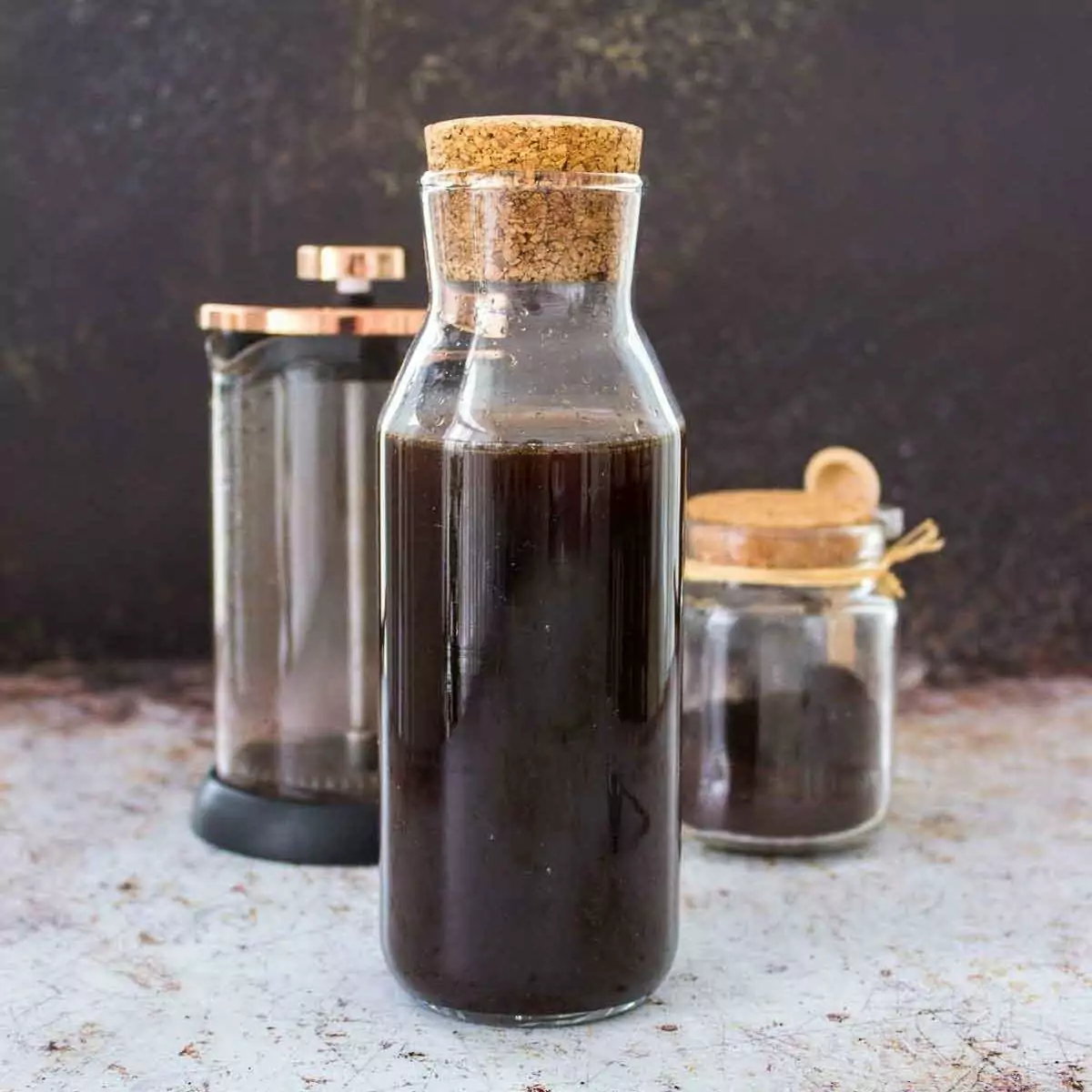
Cold brew coffee is made by steeping coarsely ground coffee beans in cold or room-temperature water for an extended period, typically 12 to 24 hours. The resulting concentrate is then diluted with water or milk and served over ice. The longer steep time and lack of heat produce a less acidic, smoother cup than traditional hot brewing methods.
5. Benefits of Cold Brew Coffee
Cold brew offers a few real advantages over hot-brewed coffee:
Lower acidity — gentler on sensitive stomachs.
Naturally sweeter taste — often needs less added sugar.
Smoother mouthfeel — fewer bitter compounds extracted.
Potentially higher caffeine content — the long steep time extracts more caffeine and other compounds than a quick hot brew.
If you're also watching your overall caffeine intake across different drinks, it's worth comparing cold brew against other caffeinated options like VINUT's energy drink lineup to see how they stack up.
6. Types of Coffee Beans for Cold Brew
Technically, any coffee bean works for cold brew — but the roast level changes the flavor profile:
Lighter roasts tend to bring out floral and fruity notes.
Darker roasts lean into chocolatey, nutty, and caramel notes.
There's no single "correct" bean — experiment with a few roasts to find the flavor profile you like best.
7. Equipment Needed for Cold Brew Coffee
You don't need much to make cold brew at home:
A steeping container (a mason jar or French press both work well)
Coarsely ground coffee beans
Cold or room-temperature water
A fine mesh sieve or cheesecloth for straining
A dedicated cold brew maker or a burr grinder can make the process more convenient, but neither is strictly necessary to get a great result.
8. How to Make Cold Brew Coffee at Home
Grind the coffee beans coarsely, using a 1:4 ratio of coffee to water.
Combine the grounds with cold or room-temperature water in your container.
Stir, cover, and let it steep for 12–24 hours (start with 16 hours if you're not sure).
Strain the concentrate through a fine mesh sieve or cheesecloth.
Dilute the concentrate with water or milk to taste, and serve over ice.
Tip: The 1:4 coffee-to-water ratio produces a concentrate strong enough to dilute later — don't drink it undiluted unless you want an espresso-strength kick.
9. Serving Suggestions for Cold Brew Coffee
Cold brew is versatile enough to drink plain, but it also takes well to add-ins. Some popular options:
A splash of milk or cream
Vanilla or caramel syrup
Plant-based milks like almond, oat, or coconut milk — if you like the coconut route, VINUT's coconut water is another naturally refreshing way to round out the flavor
10. Five Cold Brew Coffee Recipes
10.1 Classic Cold Brew
Ingredients:
1 cup coarsely ground coffee beans
4 cups cold water
Ice
Optional: milk or sweetener to taste
Instructions: Follow the base method above. Serve chilled over ice, adding milk or sweetener if desired.
10.2 Mocha Cold Brew
Ingredients:
1 cup coarsely ground coffee beans
4 cups cold water
2 tbsp cocoa powder
2 tbsp maple syrup
Ice
Instructions: Mix the coffee grounds, cocoa powder, and maple syrup in your container. Add the cold water and stir until combined. Steep for 12–24 hours, strain, and serve over ice.
10.3 Vanilla Almond Cold Brew
Ingredients:
1 cup coarsely ground coffee beans
4 cups cold water
1/4 cup almond milk
2 tbsp vanilla syrup
Ice
Instructions: Combine the coffee grounds, almond milk, and vanilla syrup. Add cold water and stir until combined. Steep for 12–24 hours, strain, and serve over ice.
10.4 Coconut Cream Cold Brew
Ingredients:
1 cup coarsely ground coffee beans
4 cups cold water
1/4 cup coconut cream
2 tbsp honey
Ice
Instructions: Mix the coffee grounds, coconut cream, and honey. Add cold water and stir until combined. Steep for 12–24 hours, strain, and serve over ice.
10.5 Iced Cinnamon Roll Latte
Ingredients:
1 cup coarsely ground coffee beans
4 cups cold water
1/2 cup milk
2 tbsp cinnamon syrup
Ice
Instructions: Combine the coffee grounds, milk, and cinnamon syrup. Add cold water and stir until combined. Steep for 12–24 hours, strain, and serve over ice.
11. Nutritional Information for Cold Brew Coffee
Cold brew is naturally low in calories and fat — the numbers below are for a 12 oz cup of black cold brew, with no milk, cream, or sweetener added. Keep in mind that any add-ins will raise the calorie count.
Nutrient | Amount (per 12 oz, black) |
|---|---|
Calories | 3 |
Fat | 0g |
Carbohydrates | 0g |
Protein | 0.3g |
Caffeine | 150–300mg |
For context on daily caffeine limits, the FDA's general guidance for healthy adults caps around 400mg per day — worth keeping in mind if you're drinking more than one cup of cold brew.
12. Suitable Menus Featuring Cold Brew Coffee
12.1 Menu 1: Classic Breakfast
Scrambled eggs with chives
Whole wheat toast with butter
Sliced avocado
Cold brew coffee with almond milk
Ingredients: Eggs, chives, whole wheat bread, butter, avocado, cold brew coffee concentrate, almond milk Nutritional Info: Calories: 360 · Fat: 22.5g · Carbohydrates: 23g · Protein: 18.5g
12.2 Menu 2: Energizing Lunch
Quinoa salad with roasted sweet potatoes, kale, and lemon dressing
Roasted chicken breast
Cold brew coffee with soy milk
Ingredients: Quinoa, sweet potatoes, kale, lemon juice, olive oil, salt and pepper, chicken breast, cold brew coffee concentrate, soy milk Nutritional Info: Calories: 600 · Fat: 15g · Carbohydrates: 65g · Protein: 45g
12.3 Menu 3: Summer Barbecue
Grilled salmon
Sweet potato wedges
Coleslaw with apple and cabbage
Cold brew coffee with coconut milk
Ingredients: Salmon fillets, sweet potatoes, olive oil, salt and pepper, cabbage, apple, Greek yogurt, honey, Dijon mustard, cold brew coffee concentrate, coconut milk Nutritional Info: Calories: 550 · Fat: 25g · Carbohydrates: 35g · Protein: 40g
12.4 Menu 4: Meatless Monday
Lentil soup with spinach and carrots
Crusty bread
Cold brew coffee with oat milk
Ingredients: Lentils, spinach, carrots, onion, garlic, vegetable broth, salt and pepper, bread, cold brew coffee concentrate, oat milk Nutritional Info: Calories: 400 · Fat: 5g · Carbohydrates: 72g · Protein: 18g
12.5 Menu 5: Dessert Delight
Chocolate banana bread
Fresh berries
Cold brew coffee with whipped cream
Ingredients: Bananas, flour, sugar, baking powder, salt, cocoa powder, milk, eggs, butter, strawberries, cold brew coffee concentrate, heavy cream, vanilla extract Nutritional Info: Calories: 550 · Fat: 30g · Carbohydrates: 60g · Protein: 10g
13. Conclusion
Cold brew coffee offers a genuinely different drinking experience from hot-brewed coffee — smoother, less acidic, and easy to customize. With minimal equipment and a bit of patience, you can make a batch at home and experiment with flavors until you land on your perfect cup. Whether you drink it plain or dress it up with one of the recipes above, cold brew is a refreshing option any time of day. For more drink inspiration, check out our post on trending popping boba bubble tea drinks or explore VINUT's full beverage catalog.
VINUT products
Explore related drinks
View ingredients, sizes and packaging.
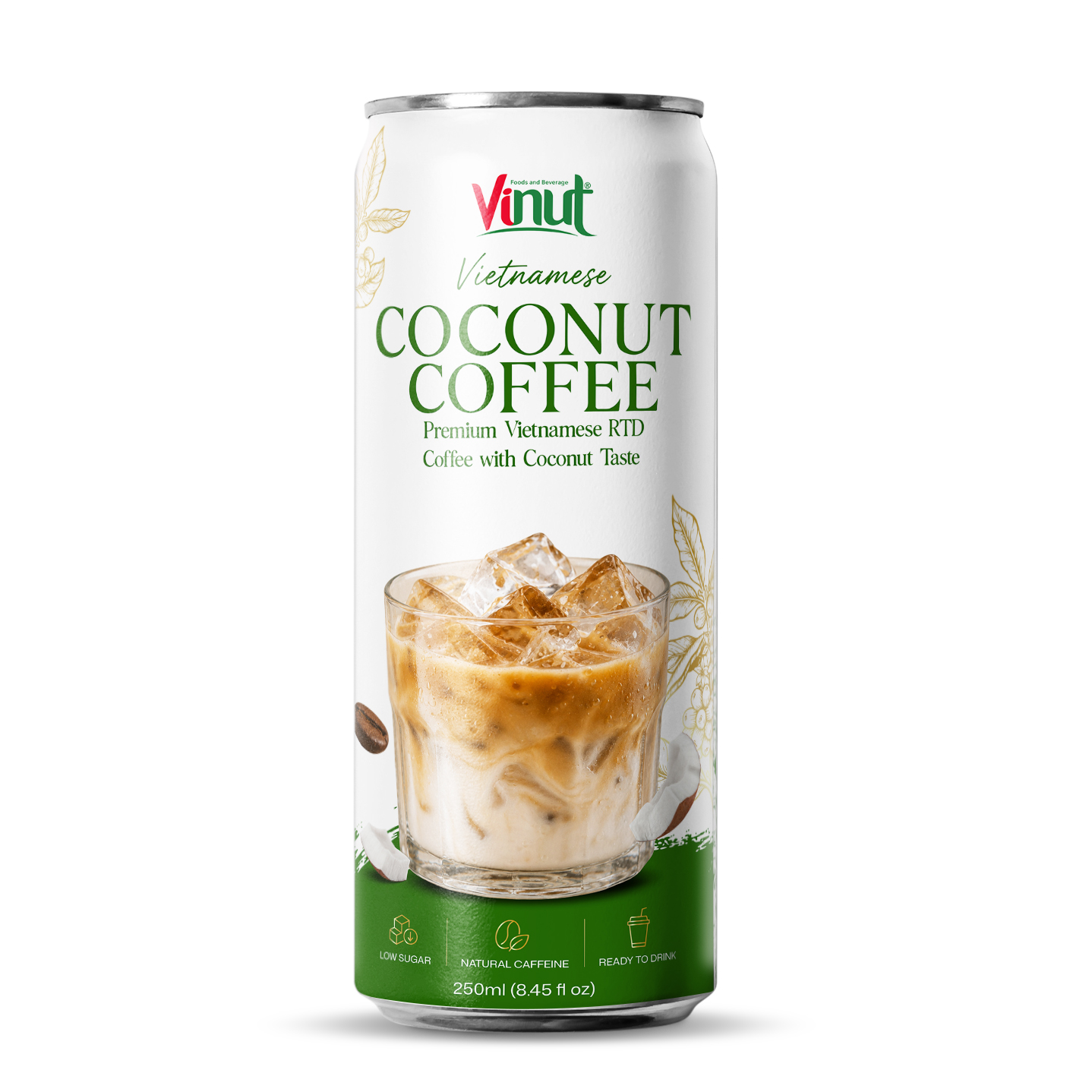
Vinut 250ml (8.45 fl oz) Vietnamese Coffee Drink Coconut Coffee Premium RTD
250 mL (8.45 fl oz) · Can
View product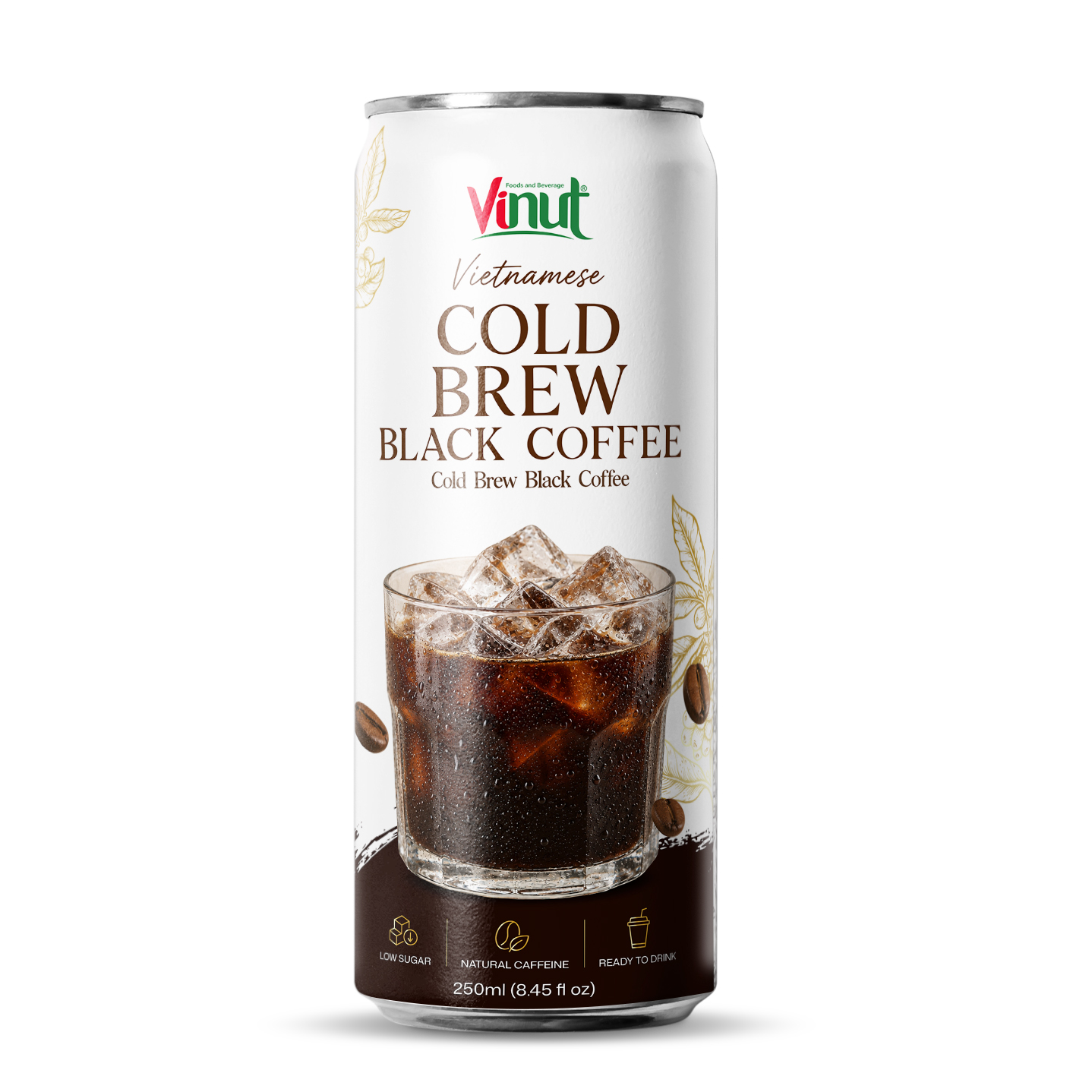
VINUT 250ml (8.45 fl oz) Vietnamese Coffee Drink Cold Brew Black Coffee
250 mL (8.45 fl oz) · Can
View product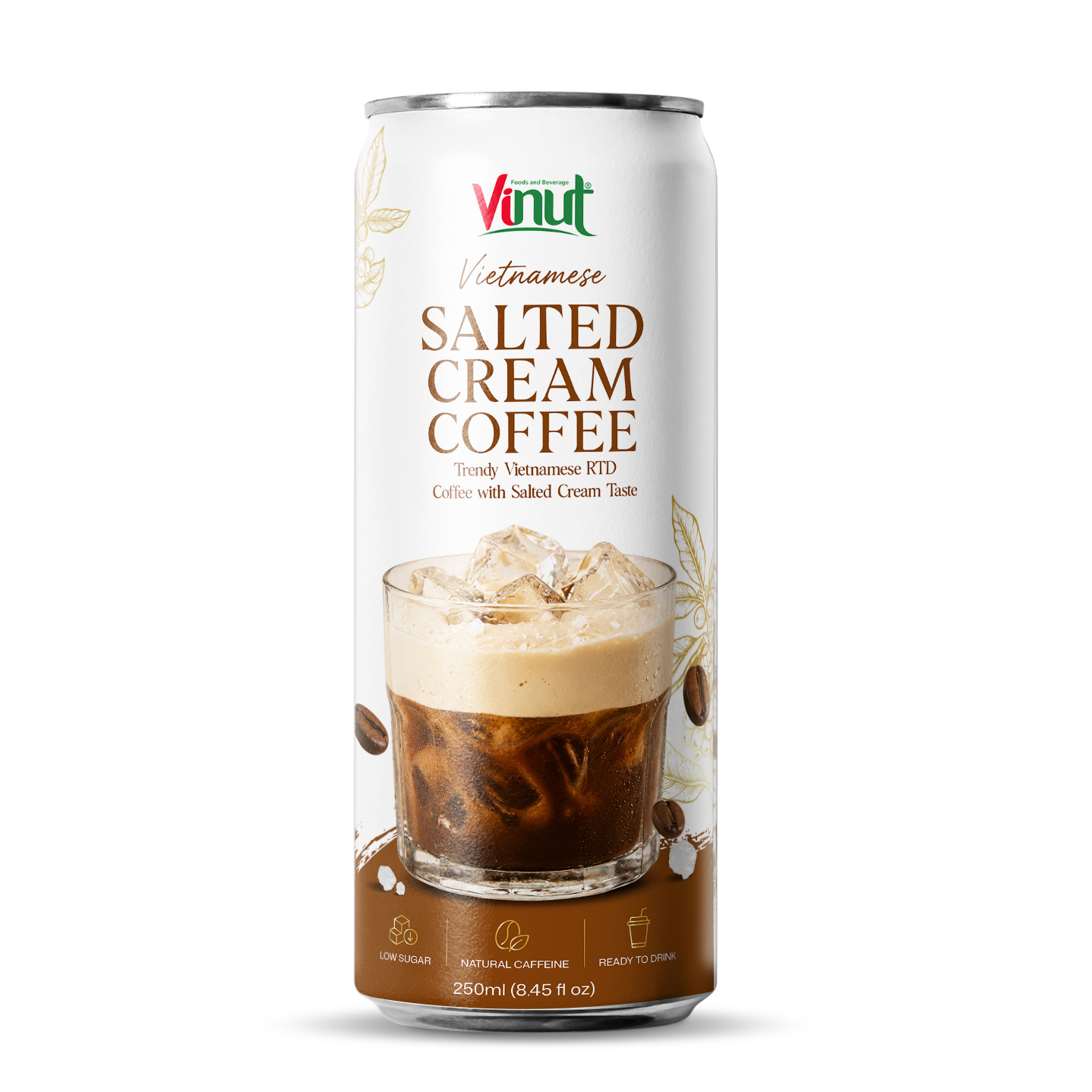
Vinut 250ml (8.45 fl oz) Vietnamese Coffee Drink Salted Cream Coffee Trendy RTD
250 mL (8.45 fl oz) · Can
View product
FAQ
Can I use any type of container for steeping cold brew coffee?
Yes — any lidded container that holds coffee and water works. Mason jars, French presses, and dedicated cold brew makers are all popular choices.
Does cold brew coffee have more caffeine than hot-brewed coffee?
Often yes, since the long steep time extracts more caffeine and other compounds. The exact amount still depends on the bean type, grind size, and brew ratio.
How long will homemade cold brew coffee last in the refrigerator?
Up to two weeks, as long as it's stored in an airtight container.
Can I heat up cold brew coffee?
Yes, though heating it can dull some of the smoothness and flavor that make cold brew distinct from hot-brewed coffee.
Is cold brew coffee healthier than hot-brewed coffee?
Nutritionally, the two are similar. Cold brew's main edge is lower acidity and, in some cases, higher caffeine content — added milk or sweeteners affect both equally.
What is the best coffee-to-water ratio for cold brew?
A 1:4 ratio of coarsely ground coffee to cold water is standard for a concentrate you can dilute to taste before serving.
What's the difference between cold brew and iced coffee?
Iced coffee is hot-brewed coffee cooled and poured over ice. Cold brew is steeped in cold water for 12–24 hours, which gives it a smoother, less acidic taste.
About this article

The VINUT editorial team publishes articles about beverage ingredients, product characteristics, and practical information for readers and international buyers.