Buyer Briefing
3 min read · 591 words
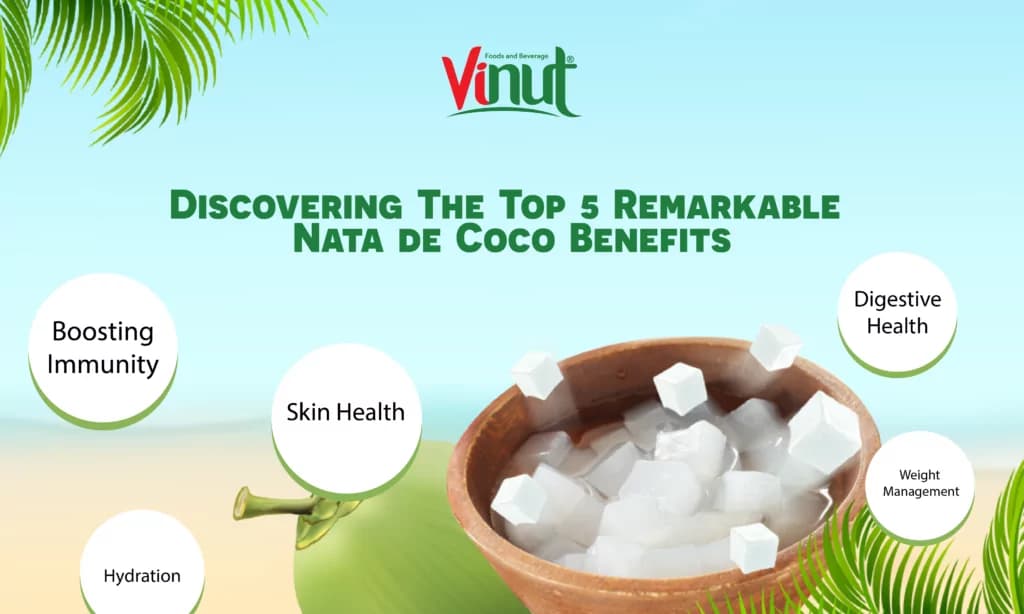
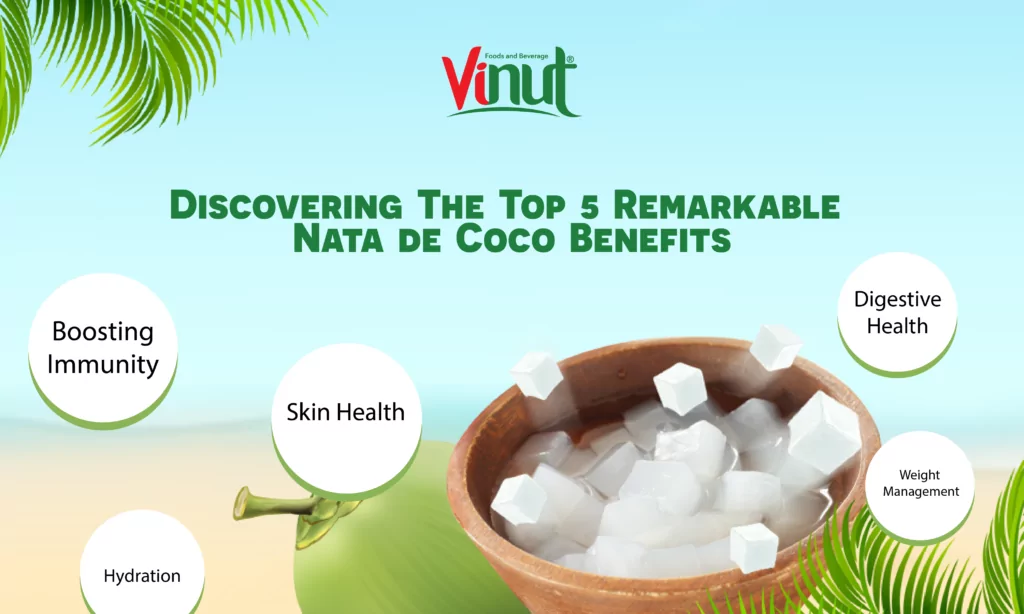
Nata de coco offers several health benefits, including promoting digestive health due to its high fiber content, aiding in weight management as it is low in calories and high in fiber, contributing to skin health through its vitamin C content, boosting immunity with its probiotics, and providing hydration due to its high water content.
- Nata de coco is a low-calorie, high-fiber food rich in essential vitamins, minerals, and beneficial probiotics.
- It supports digestive health by preventing constipation and promoting beneficial gut bacteria.
- Nata de coco aids in weight management due to its low-calorie and high-fiber content, helping to control hunger.
- Its vitamin C content contributes to skin health by supporting collagen production.
- The probiotics in nata de coco enhance the immune system by maintaining a healthy balance of gut bacteria.
- Nata de coco is a hydrating snack due to its high water content, ideal for replenishing fluids.
- It is a versatile culinary ingredient, used in desserts, beverages, salads, and cocktails.
Nata de coco, a lesser-known yet remarkable ingredient, has gained popularity for its numerous health benefits and versatile uses. This translucent, jelly-like substance is derived from coconut water and has been a staple in Asian cuisine for decades. This article will delve into nata de coco benefits, exploring its nutritional value, health advantages, and culinary possibilities.
VINUT_Discovering The Top 5 Remarkable Nata de Coco Benefits
1. The Origin of Nata de Coco
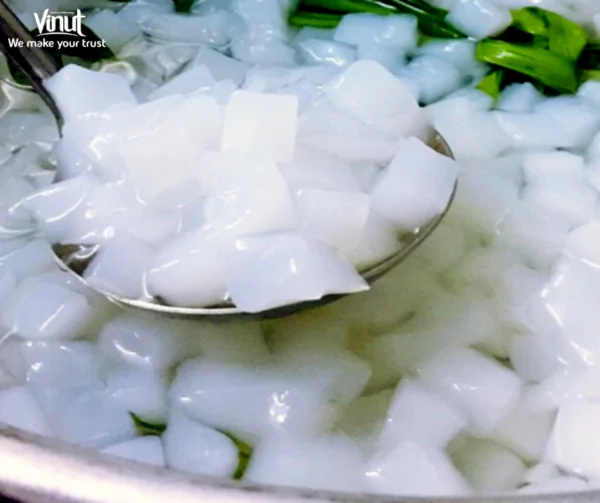
VINUT_The Origin of Nata de Coco
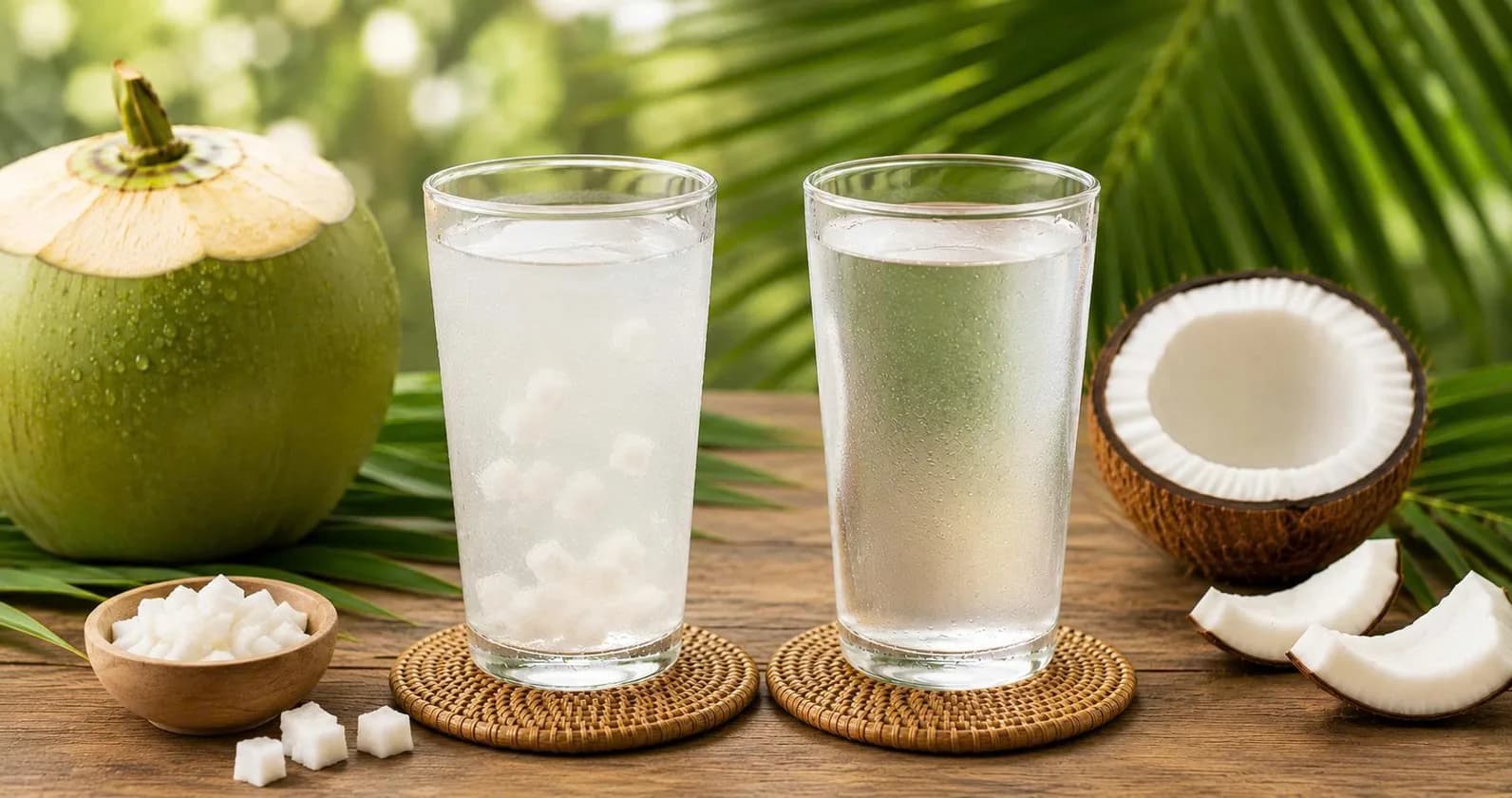
Before we delve into the benefits of nata de coco, let’s first understand its origin and how it’s made. Nata de coco is a product of fermentation, primarily produced in the Philippines, Indonesia, and other Southeast Asian countries. It begins as coconut water, which is fermented using acetic acid bacteria. This fermentation process transforms the liquid into a gelatinous substance with a slightly sweet and tangy flavor.
2. What Nutrients Does Nata de Coco Contain?
Low in Calories: Nata de coco is a low-calorie food, making it an excellent choice for those looking to manage their weight.
This coconut-derived treat is rich in dietary fiber, which may contribute to digestive health and support regular bowel movements.
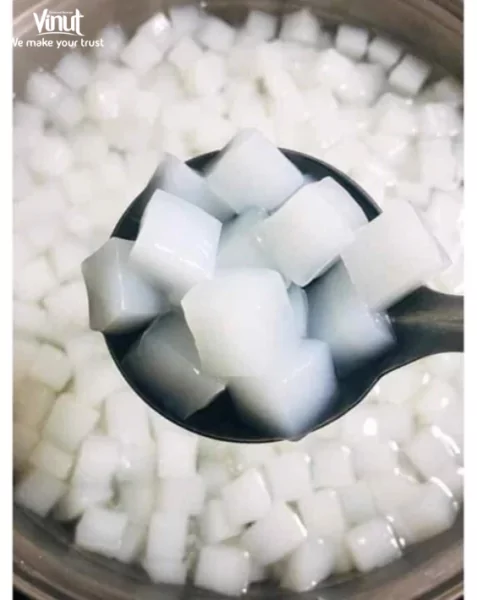
VINUT_Nutritional Value of Nata de Coco
Vitamins and Minerals: Nata de coco contains essential vitamins and minerals, including vitamin C, potassium, and calcium, contributing to overall well-being.
Probiotic Properties: Due to its fermentation process, nata de coco is loaded with beneficial probiotics that support gut health.
3. Exploring the Top 5 Health Benefits
3.1 Digestive Health
Nata de coco’s high fiber content is thought to support healthy digestion by potentially helping to prevent constipation and fostering the growth of beneficial gut bacteria. It may act as a natural aid for maintaining regular bowel movements.

VINUT_Digestive Relief: How Bael Juice Aids Digestion
3.2 Weight Management
With its low-calorie and high-fiber content, Nata de Coco is an ideal addition to a weight management plan. It helps control hunger, keeps you feeling full for longer, and aids in curbing unnecessary snacking.

VINUT_Low in Calories
3.3 Skin Health
The presence of vitamin C in this food is associated with skin health. Vitamin C is recognized for its role in collagen production, which is understood to help keep the skin supple and youthful.

VINUT_Promotes Healthy Skin
3.4 Boosting Immunity
The probiotics found in nata de coco are believed to support the immune system by helping to maintain a healthy balance of gut bacteria. A well-functioning immune system is important for the body's defenses.

VINUT_Boosting Immunity: The Anti-Inflammatory Properties of Bael
3.5 Hydration
Nata de coco is a hydrating snack due to its high water content. It can help replenish lost fluids, making it an ideal choice during hot weather or after physical activity.

VINUT_Reduced Insulin Resistance
4. Culinary Versatility
Beyond its health benefits, nata de coco is a versatile ingredient in the culinary world. Here are some creative ways to incorporate it into your dishes:
4.1 Desserts
Nata de coco adds a delightful chewy texture to desserts like fruit salads, ice creams, and puddings. Its mild sweetness complements various flavors.
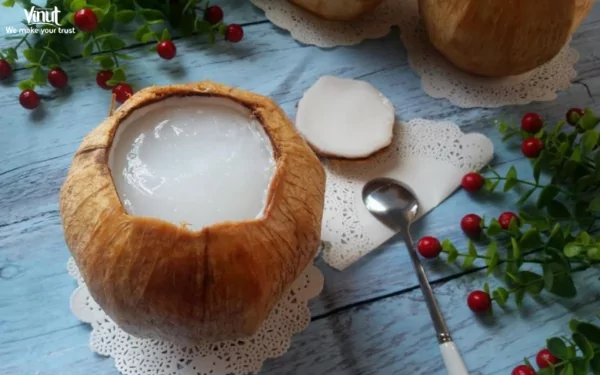
VINUT_Desserts
4.2 Beverages
Blend nata de coco into smoothies or fruit juices to create refreshing and visually appealing beverages. It adds an exciting twist to your everyday drinks.

VINUT_Beverages
4.3 Salads
Include it in your fruit or vegetable salads for an extra layer of texture and flavor. It pairs well with tropical fruits like pineapples and mangoes.

VINUT_Salads
4.4 Cocktails
For those who enjoy alcoholic beverages, it can be an exciting addition to cocktails, enhancing both taste and presentation.

VINUT_Cocktails
5. Summary
The potential benefits of nata de coco extend beyond its delicious taste and unique texture. From supporting digestive health and potentially aiding in weight management to contributing to immunity and skin health, this humble ingredient may be a valuable addition to some diets.
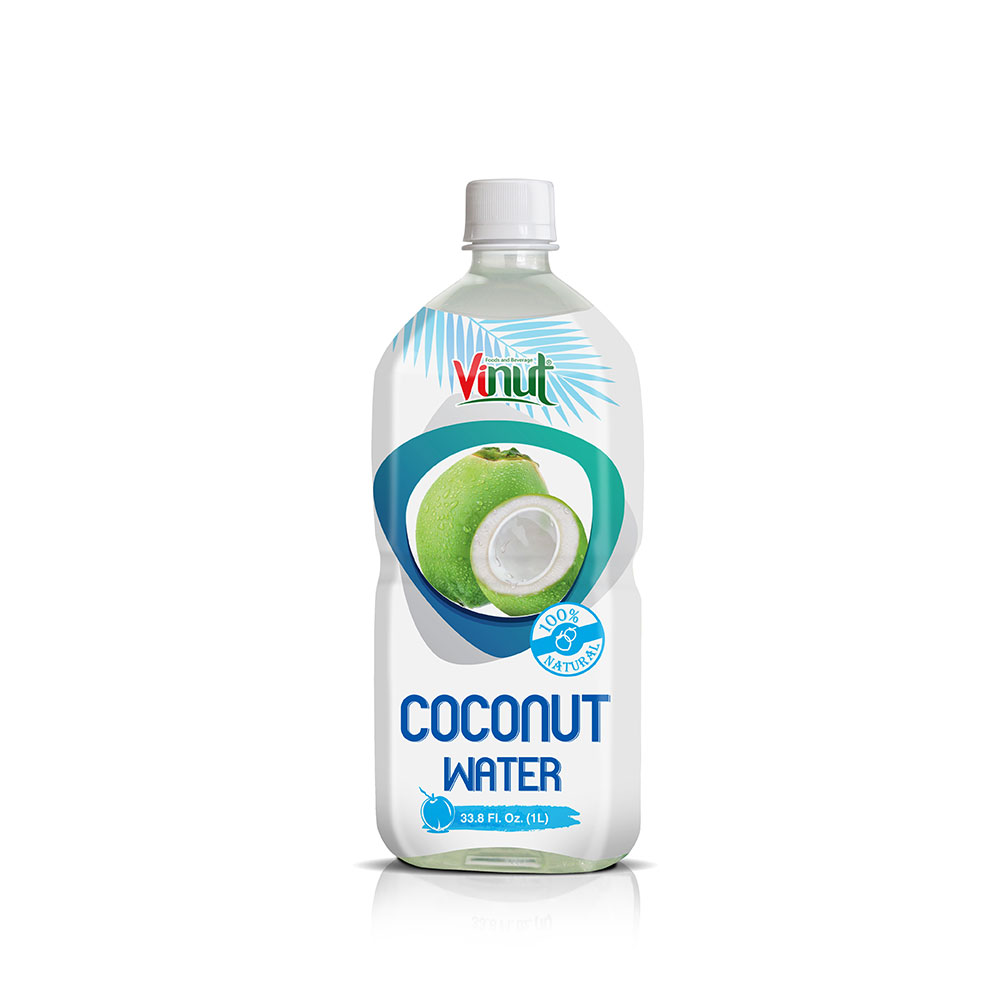
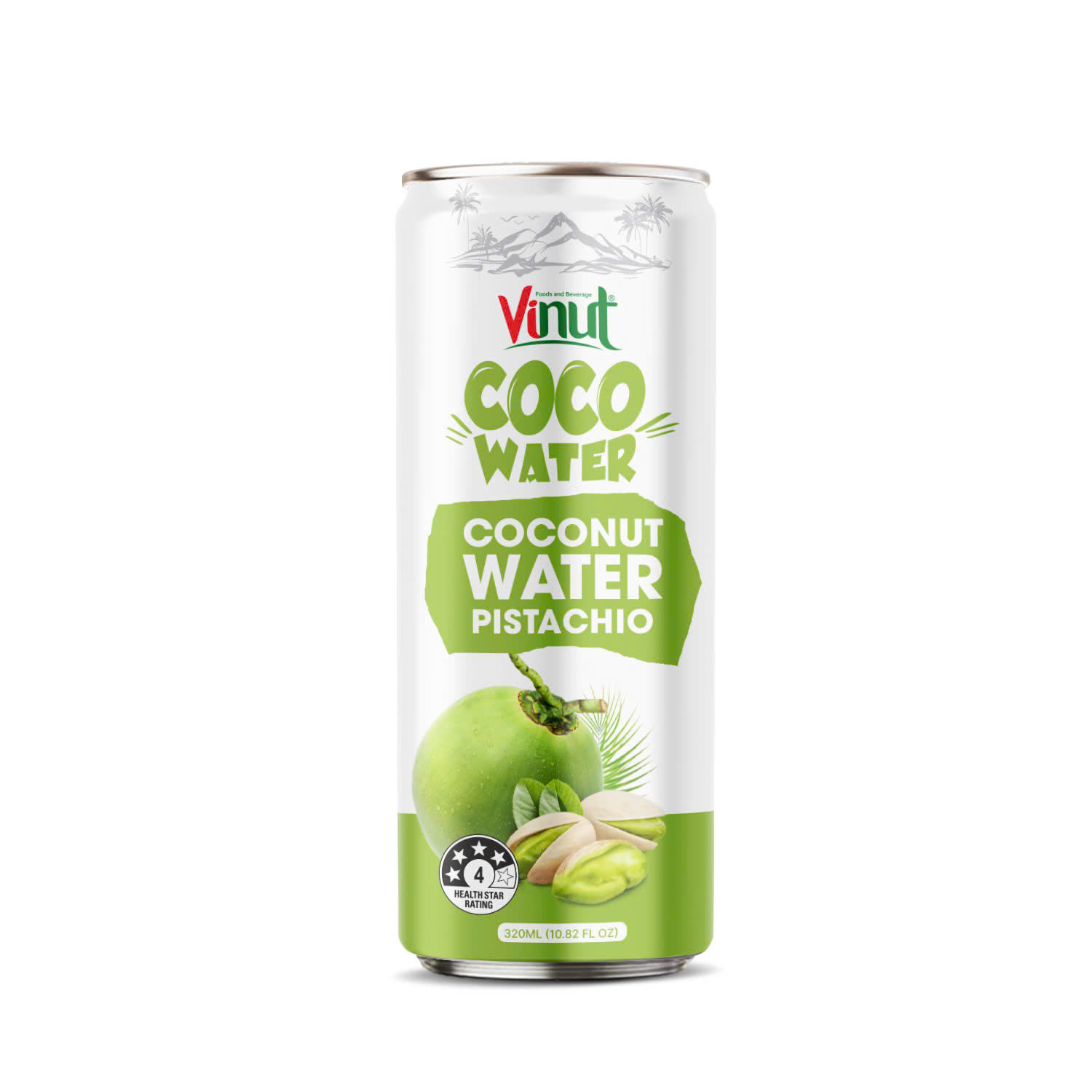
VINUT products
Explore related drinks
View ingredients, sizes and packaging.
FAQ
What is nata de coco?
Nata de coco is a chewy, jelly-like food made by fermenting coconut water with acetic acid bacteria, popular across Southeast Asia.
What are the health benefits of nata de coco?
Nata de coco supports digestive health through its high fiber content, aids weight management as a low-calorie food, contributes to skin health via vitamin C, boosts immunity through probiotics, and helps with hydration due to its high water content.
Is nata de coco good for weight loss?
Yes, its low-calorie and high-fiber profile helps control hunger and promotes a feeling of fullness, making it a useful addition to a weight management plan.
How is nata de coco made?
It's made by fermenting coconut water with acetic acid bacteria, which transforms the liquid into a gelatinous, slightly sweet and tangy substance.
How can I use nata de coco in recipes?
Nata de coco works well in desserts, smoothies, fruit salads, and cocktails, adding a distinctive chewy texture.
About this article

The VINUT editorial team publishes articles about beverage ingredients, product characteristics, and practical information for readers and international buyers.