

Buyer Briefing
8 min read · 1,552 words
Energy drinks can temporarily increase alertness and reduce perceived fatigue, mainly because they contain caffeine. Some also provide sugar, vitamins, amino acids, and other ingredients. Their effects are temporary, and excessive caffeine may cause sleep problems, nervousness, headaches, or increased heart rate.
- Energy drinks primarily work through caffeine's stimulant effects.
- Their effect on alertness is temporary.
- Caffeine content varies between products.
- Excessive caffeine can cause unwanted effects.
- Some products contain substantial added sugar.
- Sugar-free does not mean caffeine-free.
- Always check caffeine content and serving size.
- Energy drinks cannot replace adequate sleep and nutrition.
Listen to the article summary
AI-generated voice · English · 2:40
Read transcript
Energy drinks are popular beverages designed to temporarily increase alertness and provide a feeling of increased energy, primarily through caffeine. They often combine caffeine with sugar, B vitamins, taurine, and other ingredients, though formulas vary significantly between brands. Caffeine works by stimulating the central nervous system, blocking adenosine receptors in the brain, which are associated with feelings of tiredness. This creates a temporary feeling of being more awake and less fatigued, but it does not create energy in the same way calories from food do, nor does it replace the body's need for sleep and recovery. While energy drinks can temporarily improve alertness, concentration, and reaction time, and may support certain types of exercise performance, these effects are temporary and depend on factors like caffeine amount, individual tolerance, and body size. Excessive intake can lead to side effects such as sleep disruption, increased heart rate and blood pressure, nervousness, restlessness, headaches, and irritability. Many energy drinks also contain substantial amounts of added sugar, contributing to overall calorie intake, and regular caffeine consumption can lead to physical dependence and withdrawal symptoms. When choosing an energy drink, it's crucial to check the caffeine content per serving, as well as the total serving size, as one container may hold multiple servings. Consider the sugar content, opting for lower-sugar or sugar-free alternatives if consumed regularly, but remember that 'sugar-free' does not mean 'caffeine-free.' Review other ingredients like guarana, which naturally contains caffeine, and understand your personal caffeine tolerance. The U.S. Food and Drug Administration cites 400 milligrams of caffeine per day as an amount not generally associated with negative effects for most healthy adults, but individual sensitivity varies, and this is not a target. Children, adolescents, pregnant or breastfeeding individuals, and those with certain health conditions or sensitivities should exercise additional caution or avoid energy drinks. Mixing energy drinks with alcohol is not recommended, as caffeine does not reduce alcohol's impairing effects. Ultimately, energy drinks offer temporary stimulation, but consistent energy levels are best supported by adequate sleep, balanced nutrition, regular exercise, and proper hydration.
Energy drinks have become a popular choice for people looking for a convenient way to feel more awake and focused. Students may use them during long study sessions, while professionals and athletes may reach for them when they need an extra boost.
Most energy drinks contain caffeine, often combined with sugar, B vitamins, taurine, and other ingredients. Caffeine can temporarily increase alertness and reduce feelings of tiredness. However, the effects vary depending on the product, serving size, and individual caffeine tolerance.
So, do energy drinks really boost your energy, and what should you consider before drinking one? This article explores how energy drinks work, their potential benefits, possible side effects, and how to choose them more carefully.
I/ What Are Energy Drinks?
Energy drinks are beverages formulated to increase alertness and provide a temporary feeling of increased energy.
Caffeine is one of the most common active ingredients. It stimulates the central nervous system, which can help people feel more awake and less tired for a limited period.
Energy drinks may also contain ingredients such as:
Sugar or alternative sweeteners
Taurine
B vitamins
Guarana
Ginseng
L-carnitine
Other plant extracts or functional ingredients
The exact formula varies considerably between brands and products. For this reason, checking the nutrition and ingredient labels is important.
How Does Caffeine in Energy Drinks Work?
Caffeine does not create energy in the same way that calories from food provide energy to the body.
Instead, caffeine primarily affects the central nervous system. One of its effects involves blocking adenosine receptors in the brain. Adenosine is associated with increasing feelings of tiredness throughout the day.
As a result, caffeine can temporarily make you feel more alert and less fatigued.
This effect eventually wears off. Energy drinks therefore provide temporary stimulation rather than replacing the body's need for sleep and recovery.
II/ Do Energy Drinks Really Give You Energy?
The answer depends on what we mean by "energy."
Energy drinks containing sugar provide calories, which are a source of dietary energy. Caffeine, meanwhile, can temporarily improve alertness and reduce perceived fatigue.
Therefore, someone may feel more energetic after drinking an energy drink. However, this feeling is generally temporary.
The effect can also depend on several factors:
Amount of caffeine consumed
Individual caffeine tolerance
Body size and sensitivity
Sleep quality
Time of consumption
Other sources of caffeine consumed during the day
Sugar and calorie content of the beverage
Energy drinks cannot compensate for chronic sleep deprivation, poor nutrition, or inadequate recovery.
III/ What Are the Potential Benefits of Energy Drinks?
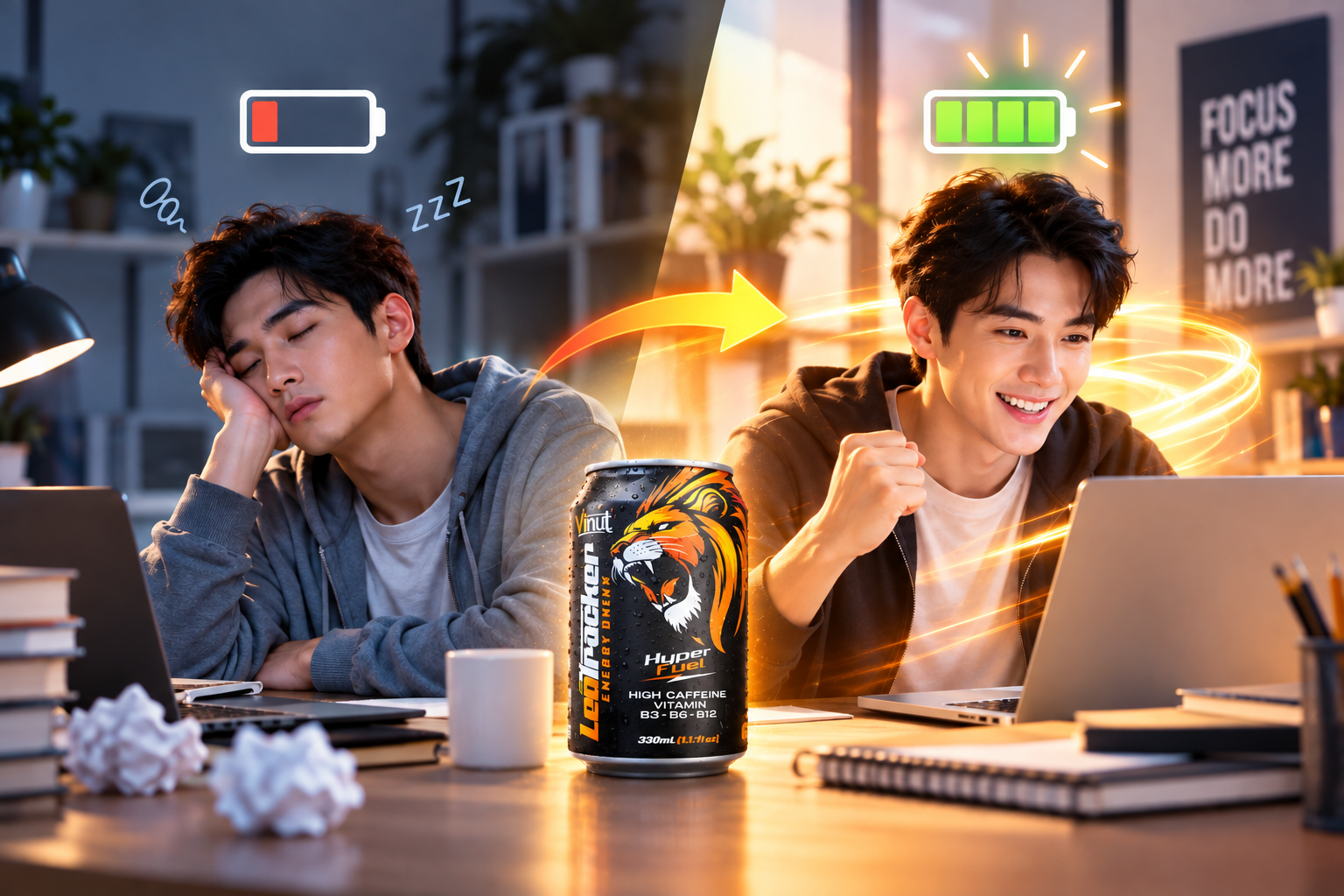
When consumed appropriately by healthy adults, caffeinated energy drinks may provide several short-term effects.
1. May Increase Alertness
One of caffeine's best-known effects is increased alertness.
A caffeinated beverage may temporarily reduce feelings of tiredness. This can make it easier to remain attentive during certain tasks.
However, individual responses vary. People who regularly consume caffeine may develop tolerance and experience less noticeable effects.
2. May Improve Concentration and Reaction Time
Caffeine has been studied for its effects on several aspects of cognitive performance.
Moderate caffeine intake may temporarily support attention, concentration, and reaction time in some circumstances.
This does not mean that consuming more caffeine will continuously improve performance. Excessive intake may instead cause nervousness, restlessness, or difficulty concentrating.
3. May Support Certain Types of Exercise Performance
Caffeine is also widely studied in sports nutrition.
When used appropriately, caffeine may support endurance and reduce perceived effort during some forms of exercise.
However, energy drinks are only one possible source of caffeine. Their sugar, calorie, and additional ingredient content should also be considered.
4. Provides a Convenient Source of Caffeine
Energy drinks are portable and widely available.
They can therefore provide a convenient option for adults who choose to consume caffeine and understand their personal tolerance.
However, convenience should not encourage excessive consumption.
IV/ What Are the Possible Side Effects of Energy Drinks?
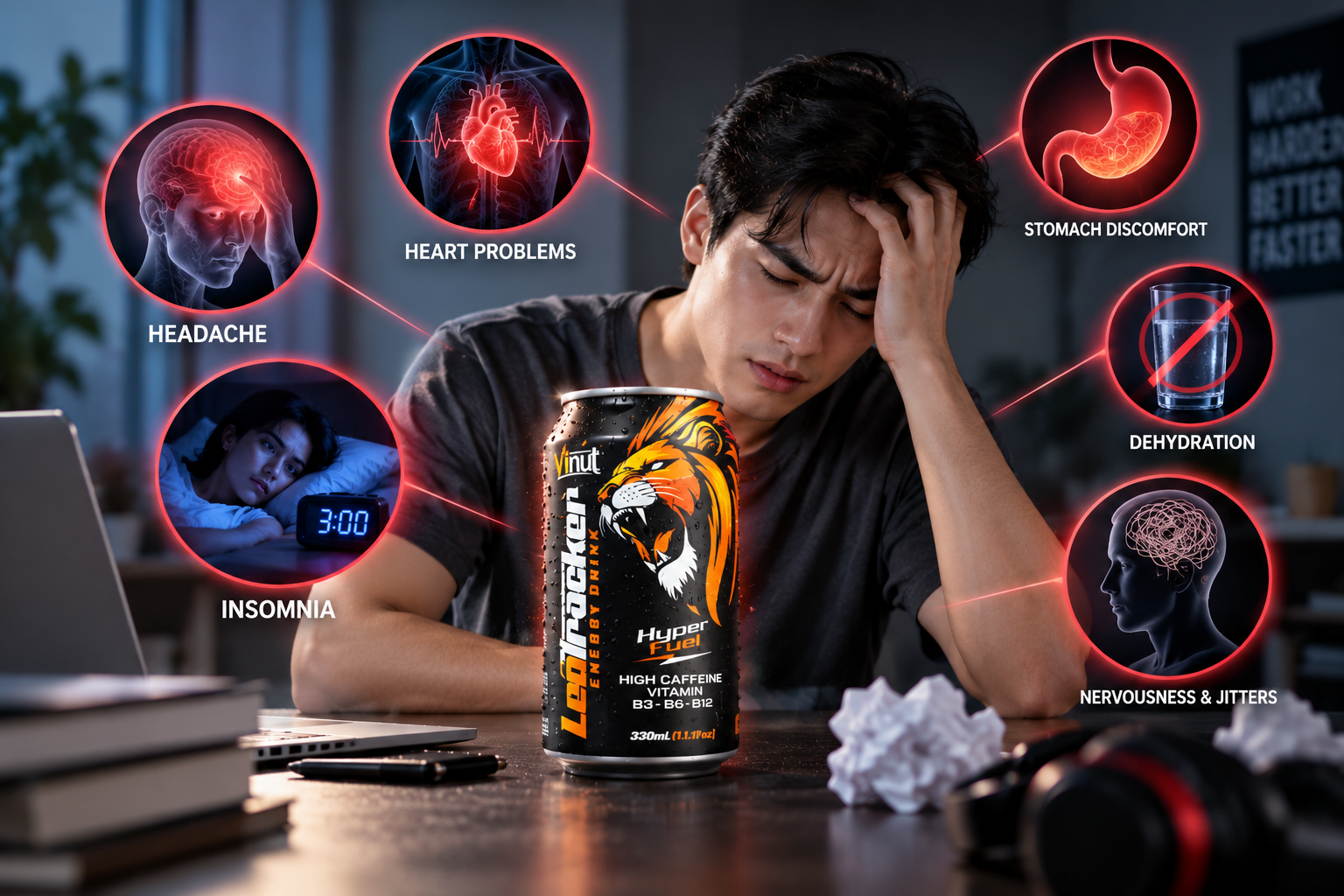
Energy drinks can affect people differently. The risk of unwanted effects generally increases with higher caffeine intake or frequent consumption.
1. Sleep Disruption
Caffeine can remain active in the body for several hours.
Consuming energy drinks late in the day may make it more difficult to fall asleep. It can also affect sleep quality in sensitive individuals.
Poor sleep may then increase tiredness the following day. This can create a cycle in which someone relies on additional caffeine to stay awake.
2. Increased Heart Rate and Blood Pressure
Caffeine can temporarily affect heart rate and blood pressure.
Some people may experience palpitations or a noticeable increase in heart rate after consuming large amounts of caffeine.
People with cardiovascular conditions or caffeine sensitivity should seek individualized medical advice when appropriate.
3. Nervousness and Restlessness
Too much caffeine can cause symptoms such as:
Nervousness
Restlessness
Shakiness
Headaches
Irritability
Difficulty sleeping
Increased heart rate
The amount that produces these effects varies significantly between individuals.
4. High Sugar Intake
Some energy drinks contain substantial amounts of added sugar.
Frequent consumption of high-sugar beverages can increase overall calorie and added-sugar intake.
Sugar-free alternatives may reduce sugar intake, although their caffeine content should still be considered.
5. Caffeine Dependence and Withdrawal
Regular caffeine consumption can lead to physical dependence.
People who suddenly stop after consuming caffeine regularly may experience withdrawal symptoms. These can include headaches, tiredness, irritability, and difficulty concentrating.
Reducing caffeine gradually may be more comfortable for regular consumers.
V/ What Should You Look for When Choosing an Energy Drink?
Energy drinks vary considerably in serving size, caffeine, sugar, calories, and additional ingredients.
Reading the label can help you understand exactly what you are consuming.
1. Check the Caffeine Content
Start by checking how much caffeine the product contains per serving.
Also consider caffeine from other sources consumed during the day, including:
Coffee
Tea
Cola
Chocolate
Pre-workout products
Other caffeinated beverages
The total daily intake matters more than caffeine from a single product.
2. Check the Serving Size
One container does not always equal one serving.
A large bottle or can may contain multiple servings. Drinking the entire container can therefore provide considerably more caffeine, sugar, or calories than expected.
Always compare the serving information with the total container size.
3. Consider the Sugar Content
Check the nutrition label for total and added sugars.
If you regularly consume energy drinks, choosing lower-sugar or sugar-free options can help reduce added-sugar intake.
However, "sugar-free" does not mean "caffeine-free." These are separate considerations.
4. Review Other Ingredients
Energy drinks may contain taurine, guarana, ginseng, B vitamins, amino acids, or plant extracts.
Guarana deserves particular attention because it naturally contains caffeine. The overall stimulant content of a beverage should therefore be considered.
More functional ingredients do not automatically make an energy drink healthier or more effective.
5. Understand Your Caffeine Tolerance
Caffeine sensitivity differs from person to person.
Someone who rarely drinks caffeinated beverages may experience stronger effects from a relatively small amount. Regular caffeine consumers may experience less noticeable stimulation because of tolerance.
Start conservatively if you are unsure how your body responds.
VI/ How Much Caffeine Is Too Much?
For most healthy adults, the U.S. Food and Drug Administration cites 400 mg of caffeine per day as an amount not generally associated with negative effects.
However, 400 mg should not be interpreted as a target.
Some people experience unwanted effects at much lower amounts. Individual sensitivity, medications, health conditions, pregnancy, and other factors can influence caffeine tolerance.
It is also important to calculate caffeine from all sources throughout the day, rather than looking at one energy drink in isolation.
Children and adolescents require additional caution with highly caffeinated energy drinks.
VII/ When Should You Be Careful With Energy Drinks?
Energy drinks may not be appropriate for everyone.
Additional caution may be necessary for:
Children and adolescents
Pregnant or breastfeeding individuals
People sensitive to caffeine
People with certain cardiovascular conditions
People experiencing anxiety or sleep problems
People taking medications that may interact with caffeine or other ingredients
Anyone with a medical condition or medication concern should seek guidance from an appropriate healthcare professional.
Should Energy Drinks Be Mixed With Alcohol?
Mixing highly caffeinated energy drinks with alcohol is not recommended.
Caffeine does not reduce alcohol's effects on the body. Instead, the stimulant effect may make someone feel more alert without reducing alcohol-related impairment.
This can make it more difficult to recognize the extent of intoxication.
VIII/ What Are Healthier Ways to Maintain Energy Levels?
Energy drinks may provide temporary stimulation, but long-term energy depends on broader lifestyle habits.
Several strategies can support more consistent energy throughout the day:
Get adequate sleep: Consistent, sufficient sleep supports physical and mental recovery.
Eat balanced meals: Include protein, carbohydrates, healthy fats, fruits, and vegetables.
Stay hydrated: Even mild dehydration can contribute to feelings of tiredness.
Exercise regularly: Physical activity can support overall fitness and well-being.
Take regular breaks: Short breaks can help maintain concentration during long periods of work.
Manage caffeine timing: Avoid consuming large amounts of caffeine close to bedtime.
Maintain a consistent routine: Regular sleep and meal schedules can support stable daily energy.
These habits address some of the underlying causes of fatigue rather than simply masking tiredness.
IX/ Are Energy Drinks Bad for You?
Energy drinks are not automatically harmful for every healthy adult. Their effects depend on the product, quantity consumed, caffeine content, frequency, and individual health circumstances.
A moderate-caffeine product consumed occasionally is very different from consuming several high-caffeine drinks within a short period.
Rather than viewing all energy drinks as either "good" or "bad," consider the complete nutritional profile and your personal caffeine intake.
Reading the label and understanding serving sizes can help you make a more informed choice.
XII/ Conclusion
Energy drinks can provide a temporary increase in alertness and perceived energy, primarily because of caffeine. Some products also contain sugar, vitamins, amino acids, and other functional ingredients.
However, more caffeine does not necessarily mean better performance. Excessive consumption may contribute to sleep disruption, nervousness, headaches, or cardiovascular symptoms in sensitive individuals.
The best approach is to understand the product you are consuming. Check the caffeine content, serving size, sugar level, and additional ingredients.
Most importantly, energy drinks should not replace adequate sleep, hydration, balanced nutrition, physical activity, and proper recovery. These habits provide a stronger foundation for maintaining consistent energy throughout the day.
FAQ
What are energy drinks?
Energy drinks are beverages commonly formulated with caffeine and other ingredients intended to temporarily increase alertness and reduce feelings of tiredness.
Do energy drinks actually give you energy?
Caffeine can temporarily increase alertness and reduce perceived fatigue. Energy drinks containing sugar also provide calories, but they do not replace sleep or recovery.
What are the benefits of energy drinks?
Potential short-term benefits include increased alertness, attention, and reduced perceived fatigue. Caffeine may also support certain aspects of exercise performance.
What are the side effects of energy drinks?
High caffeine intake may cause sleep disruption, nervousness, headaches, restlessness, increased heart rate, or other unwanted effects.
How much caffeine is safe per day?
For most healthy adults, the FDA cites 400 mg per day as an amount not generally associated with negative effects. Individual sensitivity can vary considerably.
Are sugar-free energy drinks better?
Sugar-free options can reduce added-sugar and calorie intake. However, their caffeine and other stimulant content still needs to be considered.
Can energy drinks replace sleep?
No. Caffeine may temporarily reduce feelings of tiredness, but it cannot replace the physical and mental recovery provided by adequate sleep.
About this article

The VINUT editorial team publishes articles about beverage ingredients, product characteristics, and practical information for readers and international buyers.