Buyer Briefing
3 min read · 631 words
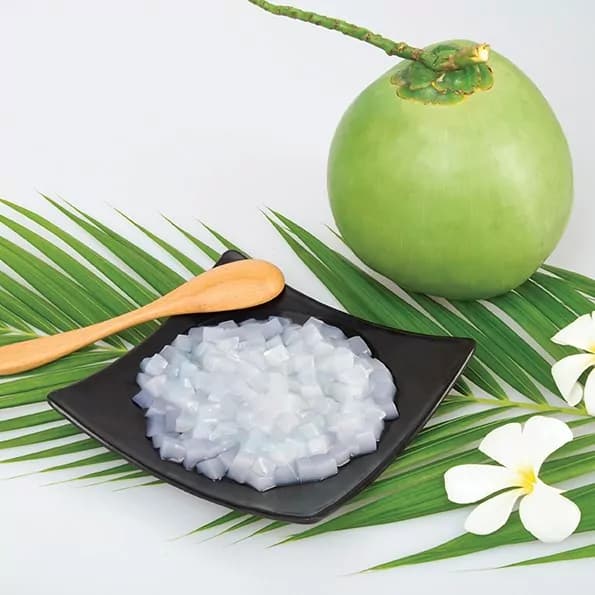
Nata de coco is a chewy, translucent, jelly-like dessert made by fermenting coconut water with Acetobacter xylinum bacteria, which produces a cellulose gel. Invented in the Philippines in the 1970s, it's low in calories, gluten-free, and dairy-free, making it a popular addition to fruit salads, drinks, and desserts.
- Nata de coco is a fermented coconut water dessert with a chewy, jelly-like texture.
- It was invented in the Philippines in the 1970s as a way to reduce coconut industry waste.
- It's low-calorie, gluten-free, and dairy-free — suitable for many dietary needs.
- The homemade process takes 7–10 days of fermentation in a warm, dark place.
- It pairs well with fruit salads, smoothies, yogurt, and fresh fruit juice drinks.
Nata de coco is a delicious and healthy dessert that is gaining popularity all over the world. It's a chewy, translucent, jelly-like food made from coconut water.
In this article, we'll explore nata de coco's origin and health profile, and walk through a detailed step-by-step guide on how to make it at home.
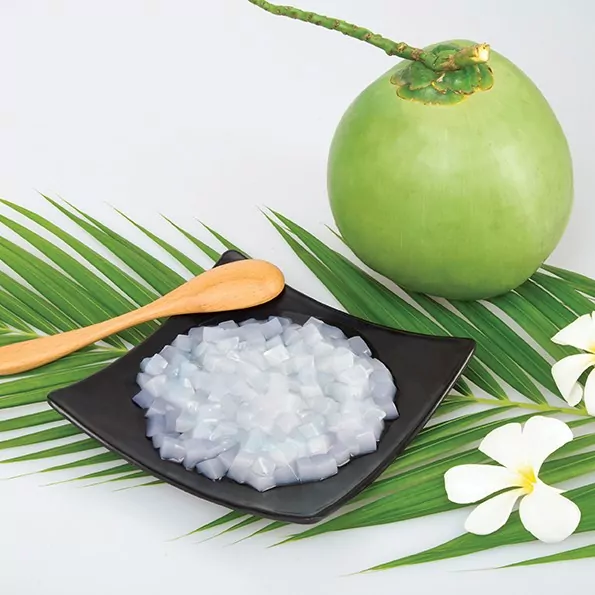
Nata de Coco
What is Nata de Coco?
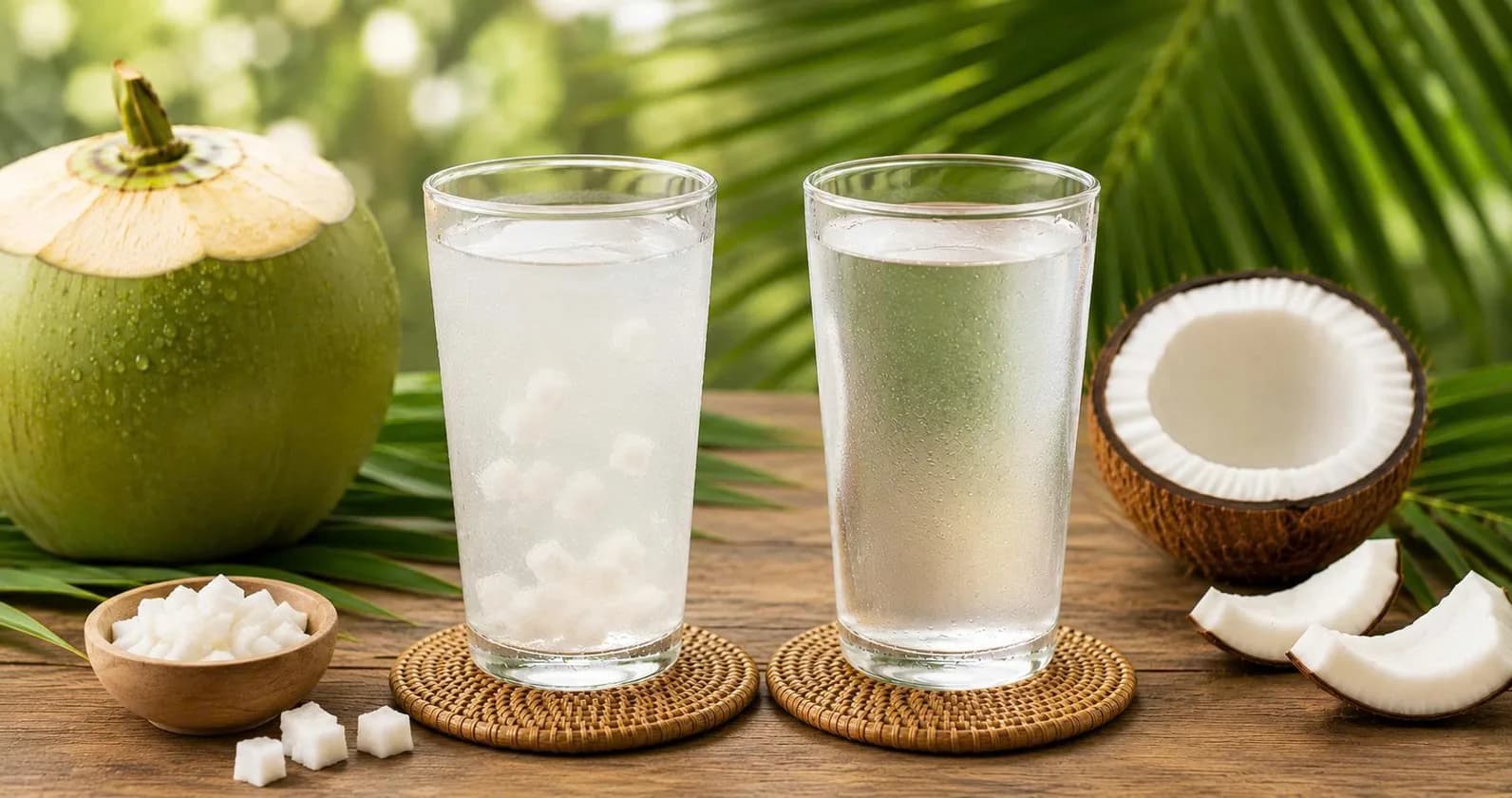
Nata de coco is a chewy, translucent, jelly-like food made from coconut water. It's a fermented food produced by a bacterium called Acetobacter xylinum. The bacterium feeds on the natural sugar in coconut water and produces a gel-like substance called cellulose. This cellulose forms a mat that can be cut into small pieces and used to make nata de coco, according to food science research on bacterial cellulose fermentation published on ScienceDirect.
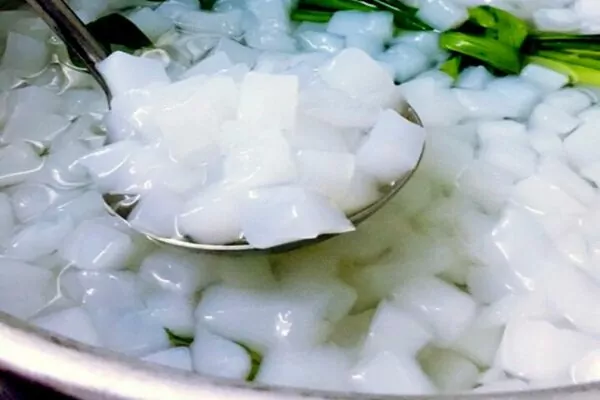
Nata de Coco
When Was Nata de Coco Invented?
Nata de coco was invented in the Philippines in the 1970s. It was initially developed as a way to reduce waste from the coconut industry, turning coconut water — a byproduct that would otherwise go unused — into a marketable food product. The invention helped create a new industry and provide jobs for many people in the Philippines, and it has since spread in popularity across Southeast Asia and beyond.

When Was Nata de Coco Invented?
Who Can Benefit from Nata de Coco?
Nata de coco is a treat that can be enjoyed by nearly everyone, especially those who are health-conscious. It's low in calories and contains some fiber, along with trace vitamins and minerals. It's also naturally gluten-free, making it a suitable option for people with celiac disease, and it's free of dairy, making it appropriate for those who are lactose intolerant or have a dairy allergy.

Benefits
How to Make Nata de Coco?

How to make Nata de Coco?
Step 1: Gather Ingredients and Equipment
Coconut water
White vinegar
Sugar
A large glass or plastic container with a lid
Cheesecloth or a clean cloth
A knife or scissors
Step 2: Prepare the Coconut Water
Pour the coconut water into a large glass or plastic container.
Add white vinegar (about 10% of the coconut water's volume) and stir well.
Add sugar to the mixture and stir until fully dissolved.
Step 3: Ferment the Mixture
Cover the container with cheesecloth or a clean cloth and secure it with a rubber band or string.
Place the container in a warm, dark place for 7–10 days.
Check the mixture regularly to ensure it isn't contaminated with mold or unwanted bacteria.
Step 4: Harvest the Nata de Coco
Once the mixture has thickened into a jelly-like mat, it's ready to be harvested.
Use a knife or scissors to cut it into small pieces.
Rinse it under running water to remove any remaining vinegar or sugar.
Store it in a clean, airtight container in the refrigerator until ready to use.
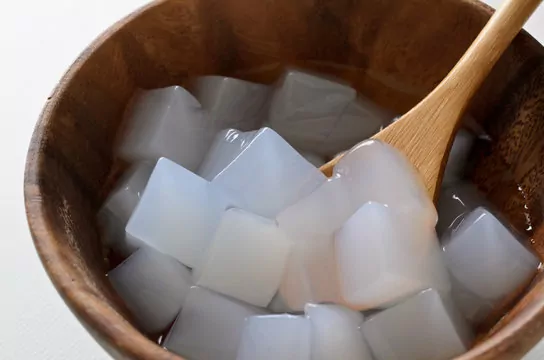
Nata de Coco
The Best Ways to Enjoy Nata de Coco
Nata de coco is a versatile treat that can be enjoyed in many ways:
Fruit Salad or Yogurt Parfait
Add it to fruit salad or a yogurt parfait for extra texture and flavor.
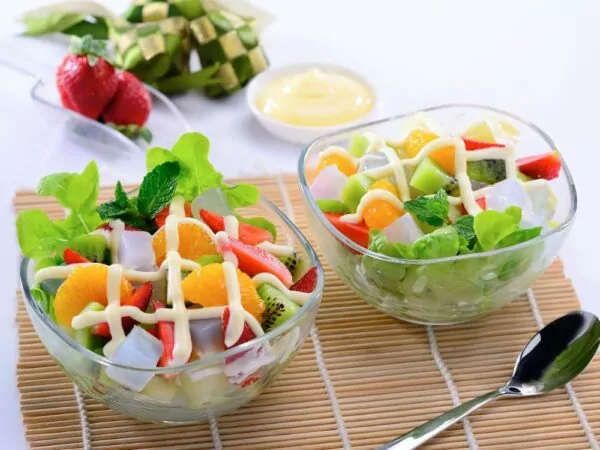
Fruit salad with Nata de Coco
Ice Cream or Sorbet Topping
Use it as a topping for ice cream or sorbet for a fun, chewy contrast.
Refreshing Fruit Juice Drink
Mix it with fresh fruit juice and serve as a refreshing drink — VINUT's coconut water range pairs especially well with nata de coco for an authentic coconut-based beverage.
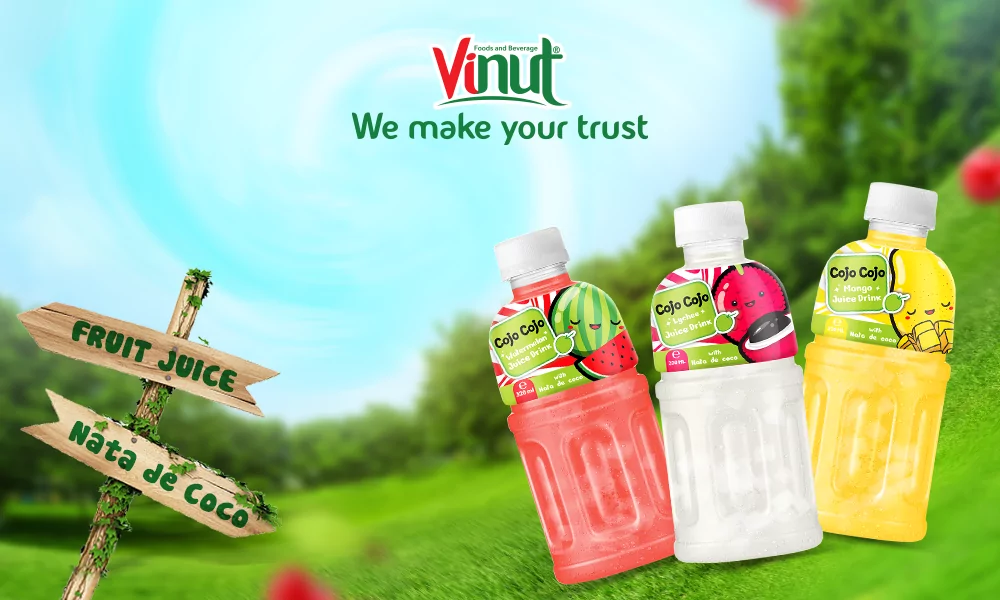
Cojo Cojo Juice Drink with Nata de Coco
Smoothies and Milkshakes
Add it to smoothies or milkshakes for a chewy texture that adds a fun twist to any blended drink.
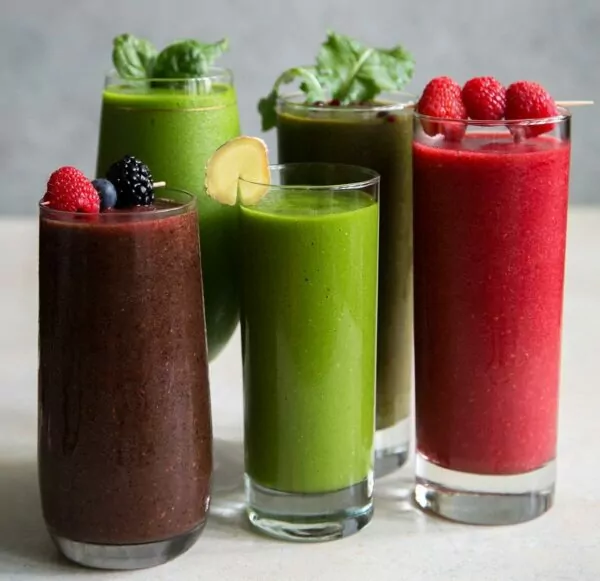
Smoothie
Summary
Nata de coco is a delicious and healthy dessert that's easy to make at home. It's low in calories, contains fiber, vitamins, and minerals, and is gluten-free — a great option for those who are health-conscious or have dietary restrictions.
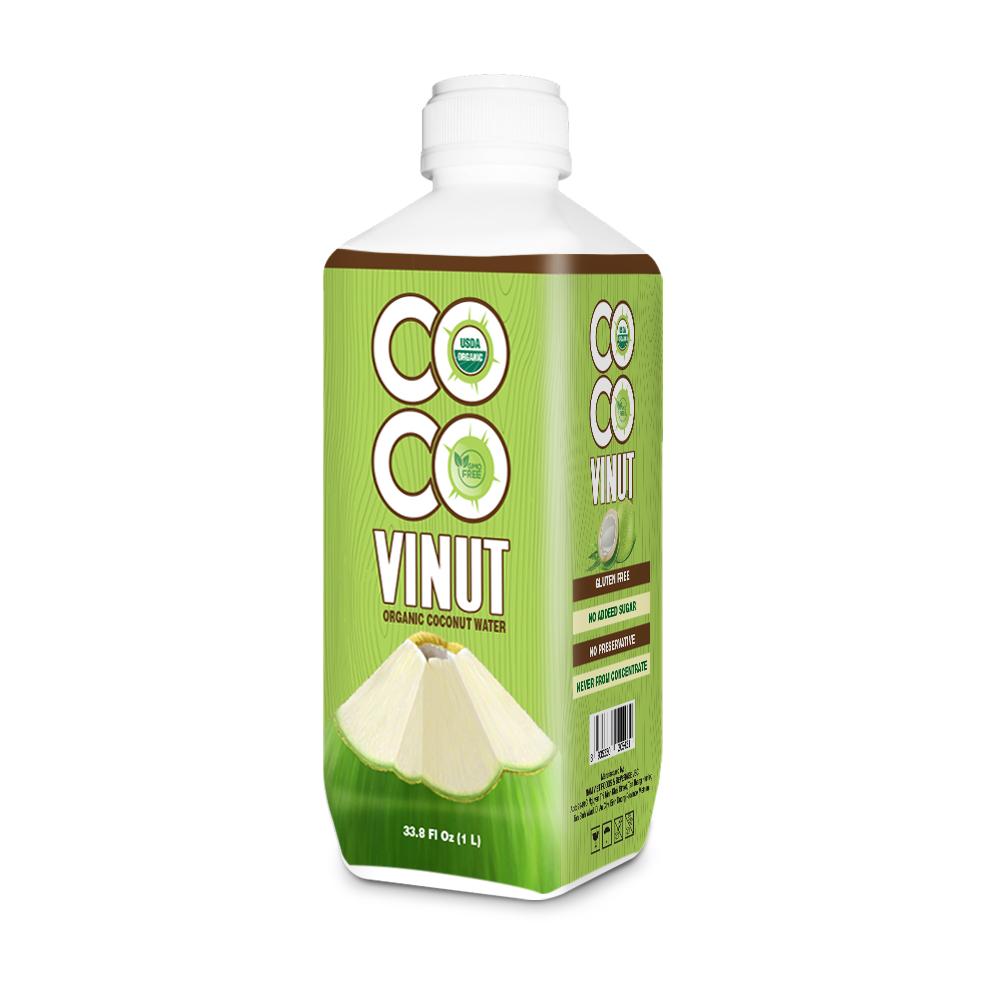
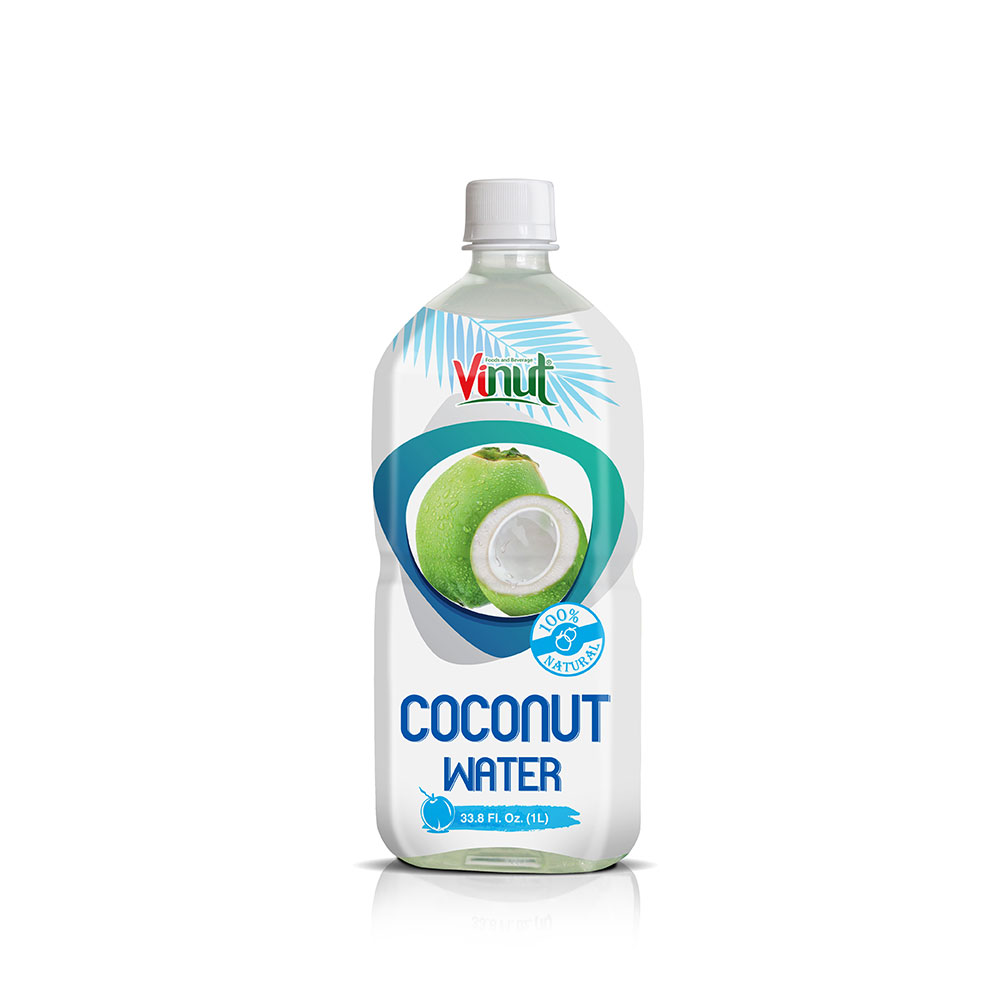
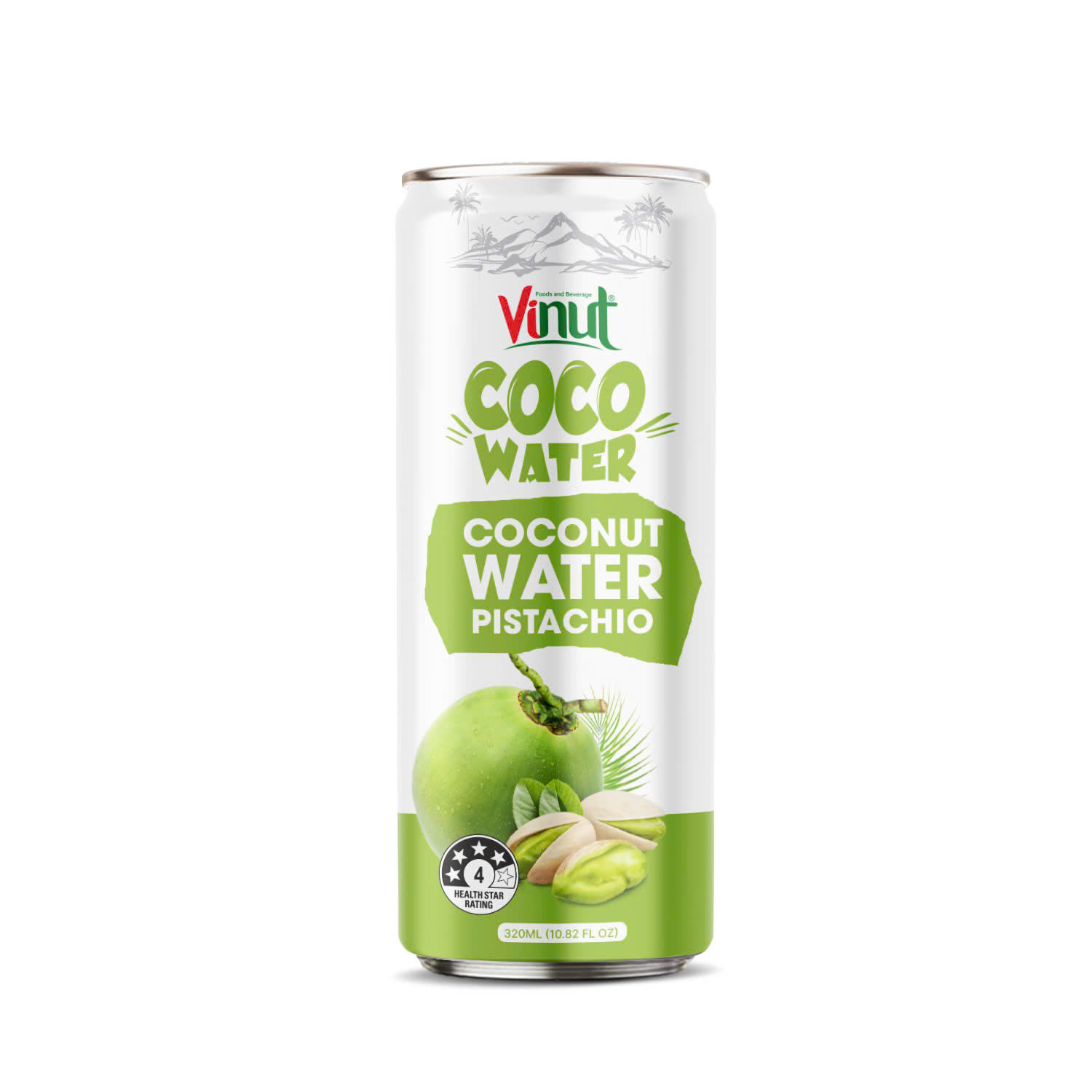
Looking for coconut water to pair with your nata de coco creations? Explore VINUT's coconut water range or request a free catalog to learn about our export-ready solutions.
VINUT products
Explore related drinks
View ingredients, sizes and packaging.
FAQ
What is nata de coco made of?
It's made from coconut water fermented by the bacterium Acetobacter xylinum, which produces a chewy cellulose gel.
How long does it take to make nata de coco at home?
The fermentation process typically takes 7–10 days in a warm, dark place before it's ready to harvest.
Is nata de coco healthy?
Yes, it's low in calories and gluten-free, though it has minimal fiber and nutrients once processed — it's best enjoyed as an occasional treat rather than a primary nutrition source.
Can nata de coco go bad?
Yes, once harvested, it should be stored in a clean, airtight container in the refrigerator and consumed within a reasonable time to avoid spoilage.
What does nata de coco taste like?
On its own, it's fairly neutral and chewy, absorbing the flavor of whatever syrup, juice, or dessert it's paired with.
About this article
The VINUT editorial team publishes articles about beverage ingredients, product characteristics, and practical information for readers and international buyers.