
Buyer Briefing
8 min read · 1,648 words
To make a latte coffee at home, brew one or two shots of espresso and steam cold milk until it develops smooth, glossy microfoam. Slowly pour the steamed milk into the espresso and finish with a thin layer of foam. If you do not have an espresso machine, strong moka pot coffee and a handheld or electric milk frother can be used instead.
- A latte combines espresso and steamed milk.
- Smooth microfoam creates the characteristic creamy texture.
- Whole milk is a classic choice, but plant-based alternatives can work.
- One or two espresso shots are commonly used.
- A traditional espresso machine is helpful but not essential.
- A moka pot can provide a concentrated coffee alternative.
- Milk can be frothed using several inexpensive methods.
- Avoid overheating milk or creating large, dry bubbles.
- Flavored syrups and spices can create many latte variations.
- Practice with espresso extraction and milk texture produces the biggest improvement.
Listen to the article summary
AI-generated voice · English · 2:51
Read transcript
Making a latte coffee at home is simpler than it might seem, combining freshly brewed espresso with properly steamed milk to create a smooth, creamy drink. A classic latte, also known as a caffè latte, is an espresso-based beverage that features a generous amount of steamed milk and a thin layer of microfoam, resulting in a milder and creamier taste than many other espresso drinks. For a good latte, aim for a balanced flavor where the espresso is noticeable but not overpowering, a silky texture from properly steamed milk with fine microfoam, and smooth integration of the espresso and milk. While ratios vary, the focus should be on your preferred balance of coffee strength and creaminess. The basic ingredients include one to two shots of espresso, ideally from freshly ground beans, and cold milk. Whole dairy milk is a popular choice due to its protein and fat content, which helps produce smooth microfoam. However, oat milk, especially barista-style versions, is a favored dairy-free alternative, and other plant-based milks like soy and almond can also be used. Microfoam is crucial; it's finely textured steamed milk with small, evenly distributed air bubbles, appearing glossy and smooth, which allows for smooth blending and latte art. While an espresso machine with a steam wand offers the most traditional setup, it's not essential. Strong concentrated coffee from a moka pot can substitute espresso, and milk can be frothed using a French press, a handheld frother, or an electric milk frother. When preparing, brew your espresso first, then pour cold milk into a steaming pitcher. Steam the milk by introducing a small amount of air initially, then positioning the wand deeper to create a swirling motion, aiming for smooth, glossy microfoam. Tap the pitcher to remove large bubbles and swirl before pouring. Tilt your cup, pour the steamed milk into the espresso, starting from slightly higher up to combine, then bring the pitcher closer to finish with a thin layer of microfoam. Common mistakes to avoid include using large, dry milk bubbles, overheating the milk, letting steamed milk sit too long, using weak coffee that gets lost in the milk, or adding too much flavored syrup. Beyond the classic, you can explore popular flavored lattes like vanilla, caramel, or mocha by adding syrups or spices. There are also tea lattes, which combine strongly brewed tea with steamed milk, using options like English Breakfast, Earl Grey, or Matcha. Mastering the basic technique of concentrated coffee and properly textured milk will allow you to enjoy a smooth and creamy latte as part of your daily routine.
How to make a latte coffee at home is easier than it may seem. With freshly brewed espresso, properly steamed milk, and a few basic techniques, you can create a smooth and creamy drink without visiting a coffee shop.
A classic latte combines espresso with a generous amount of steamed milk and a thin layer of microfoam. The result is milder and creamier than many other espresso-based drinks, making the latte one of the world's most popular coffee choices.
In this guide, VINUT explains what a latte is, which coffee and milk to choose, how to steam milk, how to make a latte step by step, and several popular variations to try at home.
I/ What Is a Latte Coffee?
A latte, also known as a caffè latte, is an espresso-based coffee drink made primarily with espresso and steamed milk.
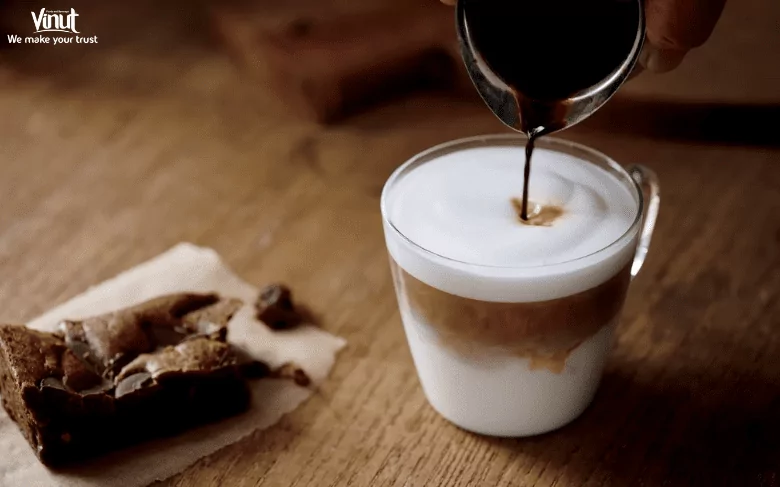
The espresso creates a rich coffee base, while steamed milk softens its intensity and gives the drink its characteristic creamy texture. A small layer of finely textured milk foam typically finishes the drink.
What Makes a Good Latte?
A well-prepared latte usually has three important characteristics:
Balanced flavor: The espresso should remain noticeable without overpowering the milk.
Silky texture: Properly steamed milk creates fine microfoam rather than large, dry bubbles.
Smooth integration: Espresso and milk should blend together rather than forming completely separate layers.
The exact ratio varies by coffee shop, cup size, and personal preference. Rather than following a strict one-third espresso and two-thirds milk formula, focus on achieving the balance of coffee strength and creaminess you prefer.
II/ What Ingredients Do You Need to Make a Latte?
A basic homemade latte requires only a few ingredients.
1. Espresso
Espresso provides the foundation of a traditional latte.
For the best flavor, use freshly ground coffee beans and brew the espresso shortly before adding the milk.
A typical homemade latte can use:
1–2 shots of espresso
Freshly ground coffee beans
An espresso machine, moka pot, or another strong coffee brewing method

An espresso machine produces the most traditional result. However, strong concentrated coffee can be used when an espresso machine is unavailable.
2. Milk
Milk creates the creamy body and smooth texture associated with a latte.
Whole dairy milk is a popular option because its balance of protein and fat can produce smooth microfoam.
However, it is not the only choice.
Common options include:
Whole milk
Reduced-fat milk
Oat milk
Soy milk
Almond milk
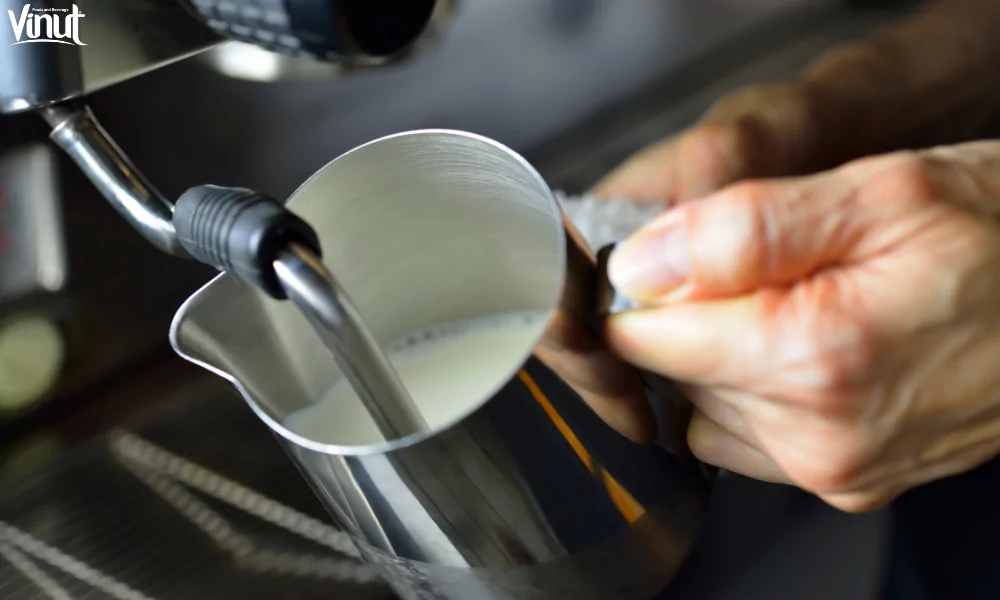
For plant-based alternatives, products specifically labeled "barista" are often formulated to steam and foam more consistently.
III/ What Is Microfoam and Why Does It Matter?
Microfoam is finely textured steamed milk containing very small, evenly distributed air bubbles.
Instead of looking stiff or bubbly, good microfoam should appear glossy and smooth. Baristas sometimes describe its consistency as similar to wet paint.
This texture is important because it allows the milk and espresso to combine smoothly.
It is also what makes latte art possible.
How Should Latte Milk Look?
Properly steamed milk should be:
Smooth
Glossy
Creamy
Free from large visible bubbles
Easy to pour continuously
You do not need a large cap of stiff foam. A latte typically has a thinner and smoother foam layer than a cappuccino.

IV/ What Is the Best Milk for a Latte?
The best milk depends on the texture and flavor you prefer.
Whole Milk
Whole milk is a classic choice for lattes.
Its combination of protein, fat, and natural milk sugar can create a rich mouthfeel and smooth microfoam.
Reduced-Fat Milk
Reduced-fat milk can also produce foam, although the final texture and mouthfeel may differ from whole milk.
Oat Milk
Oat milk has become a popular dairy-free latte option because of its relatively creamy texture.
Barista-style oat milk is particularly useful because it is formulated for steaming.
Other Plant-Based Milks
Soy, almond, coconut, and other plant-based beverages can also be used.
However, their steaming behavior differs according to protein, fat, stabilizers, and product formulation.
Does Milk Freshness Matter?
Yes. Fresh, properly refrigerated milk generally produces more consistent results.
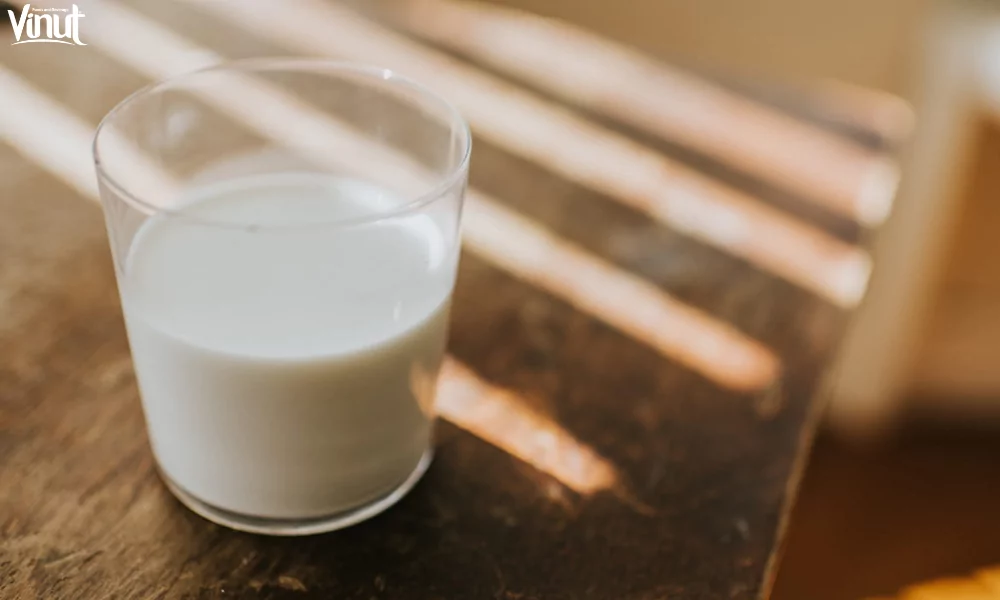
For the best results:
Keep milk refrigerated.
Start steaming with cold milk.
Follow the product's storage instructions after opening.
Avoid using milk that smells or tastes unusual.
Use plant-based milk according to the manufacturer's instructions.
V/ What Equipment Do You Need to Make a Latte?
You do not necessarily need professional café equipment.
A basic setup can include:
Espresso machine or strong coffee maker
Milk steaming wand or frother
Milk pitcher
Latte cup or mug
Fresh coffee
Cold milk
An espresso machine with a steam wand offers the most traditional café-style setup.
However, several alternatives can work at home.
VI/ What Type of Cup Is Best for a Latte?
Cup choice does not determine whether a latte tastes good, but it can improve the drinking and pouring experience.
Ceramic cups retain heat well, while transparent glassware highlights the appearance of the coffee and milk.
A practical latte cup usually has:
Enough capacity for espresso and steamed milk
A relatively wide opening
A rounded interior
A comfortable handle
For latte art, a wider cup with a rounded bottom can make pouring easier.
Choosing the Right Size
Common latte sizes vary considerably.
A smaller cup creates a stronger coffee-to-milk ratio, while a larger cup allows more steamed milk.
Choose the size according to your preferred coffee strength rather than assuming there is only one correct latte size.
VII/ How to Make a Latte Coffee at Home Step by Step
Once your ingredients and equipment are ready, you can begin making your latte.
Step 1: Prepare the Espresso
Brew one or two shots of espresso directly into your latte cup.
Freshly brewed espresso is preferable because its aroma and crema begin changing soon after extraction.
Step 2: Prepare Cold Milk
Pour cold milk into your steaming pitcher.
Avoid filling the pitcher completely because the milk will expand as air is incorporated.
Step 3: Steam the Milk
Position the steam wand just below the milk's surface.
Introduce a small amount of air during the early stage of steaming. Then position the wand slightly deeper to create a swirling motion.
The goal is to distribute tiny bubbles evenly throughout the milk.
Step 4: Finish the Microfoam
When steaming is complete, gently tap the pitcher on the counter to remove larger bubbles.
Swirl the milk until it looks smooth and glossy.
Avoid allowing the milk to sit for too long because the foam and liquid can begin separating.
Step 5: Pour the Milk Into the Espresso
Tilt the cup slightly and begin pouring the steamed milk into the center of the espresso.
Start from slightly higher above the cup to help the milk combine with the coffee.
As the cup fills, bring the pitcher closer to the surface.
Step 6: Finish With Microfoam
Finish with a thin layer of smooth microfoam.
With practice, you can experiment with simple latte art patterns such as a heart.
Step 7: Serve Immediately
Your latte is now ready.
Enjoy it while the espresso is aromatic and the milk remains warm and silky.
VIII/ How Can You Make a Latte Without an Espresso Machine?
You can still prepare a latte-style drink without professional equipment.
Method 1: Use a Moka Pot
A moka pot produces strong, concentrated coffee that works well as an espresso alternative for homemade lattes.
Brew the coffee first and then combine it with separately heated and frothed milk.
Method 2: Use a French Press to Froth Milk
Heat your milk separately and transfer it to a French press.
Move the plunger up and down several times to incorporate air and create foam.
Be careful when handling hot liquid.
Method 3: Use a Handheld Milk Frother
A handheld frother is one of the simplest options.
Warm the milk, place the frother just below the surface, and move it gently until the desired texture develops.
Method 4: Use an Electric Milk Frother
Electric frothers can heat and foam milk automatically.
They are convenient for people who frequently prepare milk-based coffee at home.
IX/ What Are the Most Popular Latte Flavors?
Once you understand the basic recipe, flavored lattes are easy to create.

Some popular options include:
Vanilla Latte: Smooth and subtly sweet.
Caramel Latte: Adds rich caramelized sweetness.
Hazelnut Latte: Offers a roasted, nutty character.
Almond Latte: Provides a delicate nut-inspired flavor.
Mocha Latte: Combines coffee with chocolate.
Pumpkin Spice Latte: Features warming spices such as cinnamon, nutmeg, and cloves.
How Do You Add Flavor to a Latte?
Flavor can be added in several ways:
Add flavored syrup to the espresso before pouring the milk.
Use spices such as cinnamon, nutmeg, or cocoa.
Add chocolate sauce for a mocha-style drink.
Experiment with vanilla or other flavor extracts.
Finish with a light dusting of cocoa or spice.
Start with a small amount so that the added flavor does not overpower the espresso.
X/ What Is a Tea Latte?
Despite its name, a tea latte does not necessarily contain coffee.
Instead, strongly brewed tea is combined with steamed milk to create a smooth, comforting beverage.
Popular Teas for Lattes
Some common choices include:
English Breakfast: Strong enough to remain noticeable after milk is added.
Earl Grey: Known for its distinctive bergamot aroma.
Masala Chai: Combines tea with warming spices.
Matcha: Creates a distinctive green tea latte.
To make a tea latte, brew the tea at an appropriate strength and combine it with steamed milk.
Sweetener can be added according to personal preference.
XI/ What Are Common Latte-Making Mistakes?
Even a simple latte can go wrong when the espresso or milk is poorly prepared.
1. Using Large, Dry Milk Bubbles
A latte needs smooth microfoam rather than stiff foam.
Introduce only a small amount of air and focus on creating a consistent swirling motion while steaming.
2. Overheating the Milk
Excessive heat can negatively affect milk texture and flavor.
Stop steaming before the milk becomes excessively hot.
3. Letting Steamed Milk Sit Too Long
Milk foam begins separating when left untouched.
Swirl and pour the milk shortly after steaming.
4. Using Weak Coffee
Because a latte contains a significant amount of milk, weak coffee can easily disappear beneath its flavor.
Espresso or another concentrated coffee base works best.
5. Adding Too Much Flavored Syrup
Flavored ingredients should complement the espresso rather than completely cover it.
Start with a small quantity and adjust to taste.
XIV/ Conclusion
Learning how to make a latte coffee at home comes down to mastering two basic elements: concentrated coffee and properly textured milk.
Start with freshly brewed espresso and cold milk. Steam the milk until it develops smooth, glossy microfoam, then pour it steadily into the espresso.
An espresso machine makes the process easier, but it is not essential. A moka pot combined with a simple milk frother can produce an enjoyable homemade latte-style drink.
Once you master the basic technique, experiment with different coffee beans, milk alternatives, cup sizes, and flavors. With practice, making a smooth and creamy latte can easily become part of your everyday coffee routine.
VINUT products
Explore related drinks
View ingredients, sizes and packaging.
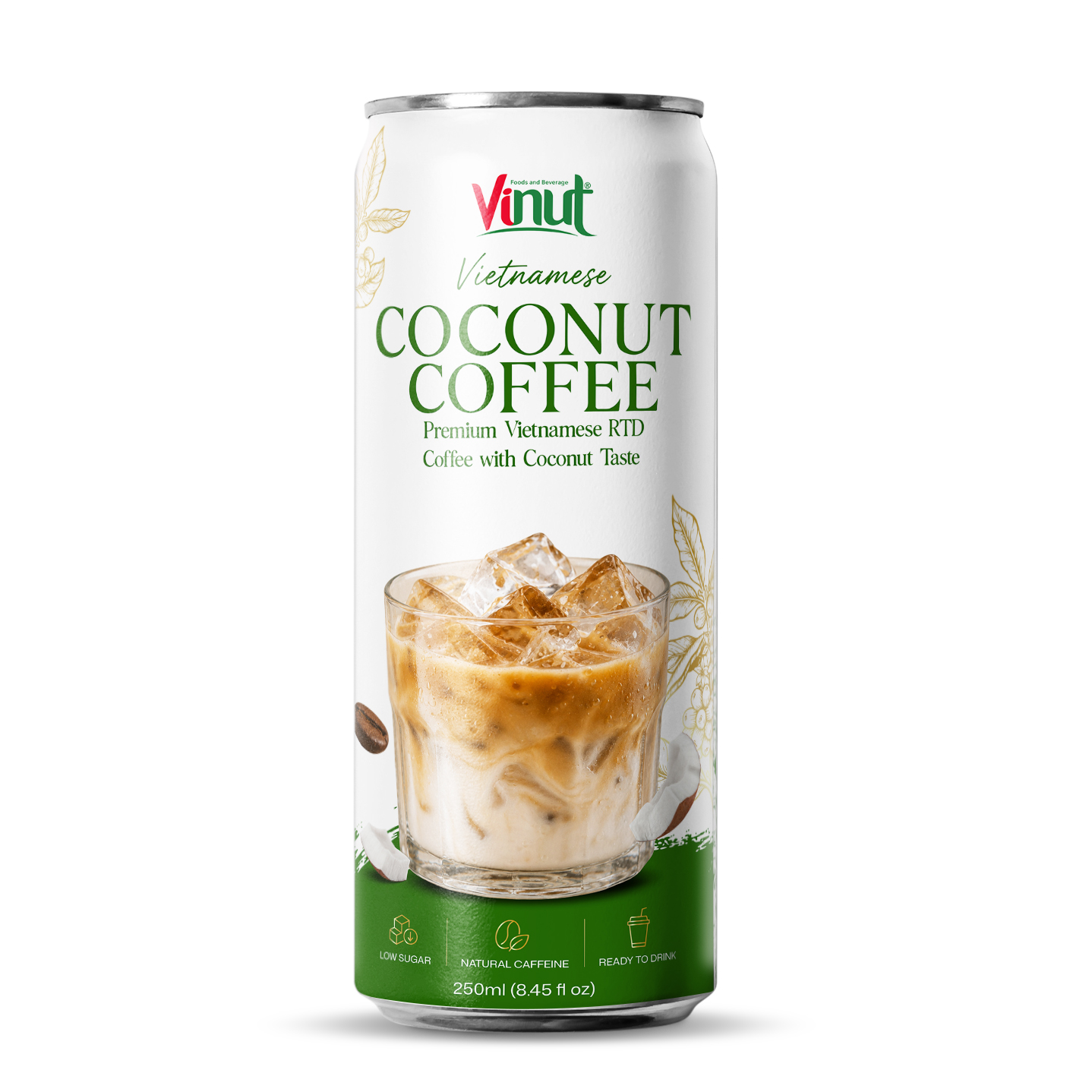
Vinut 250ml (8.45 fl oz) Vietnamese Coffee Drink Coconut Coffee Premium RTD
250 mL (8.45 fl oz) · Can
View product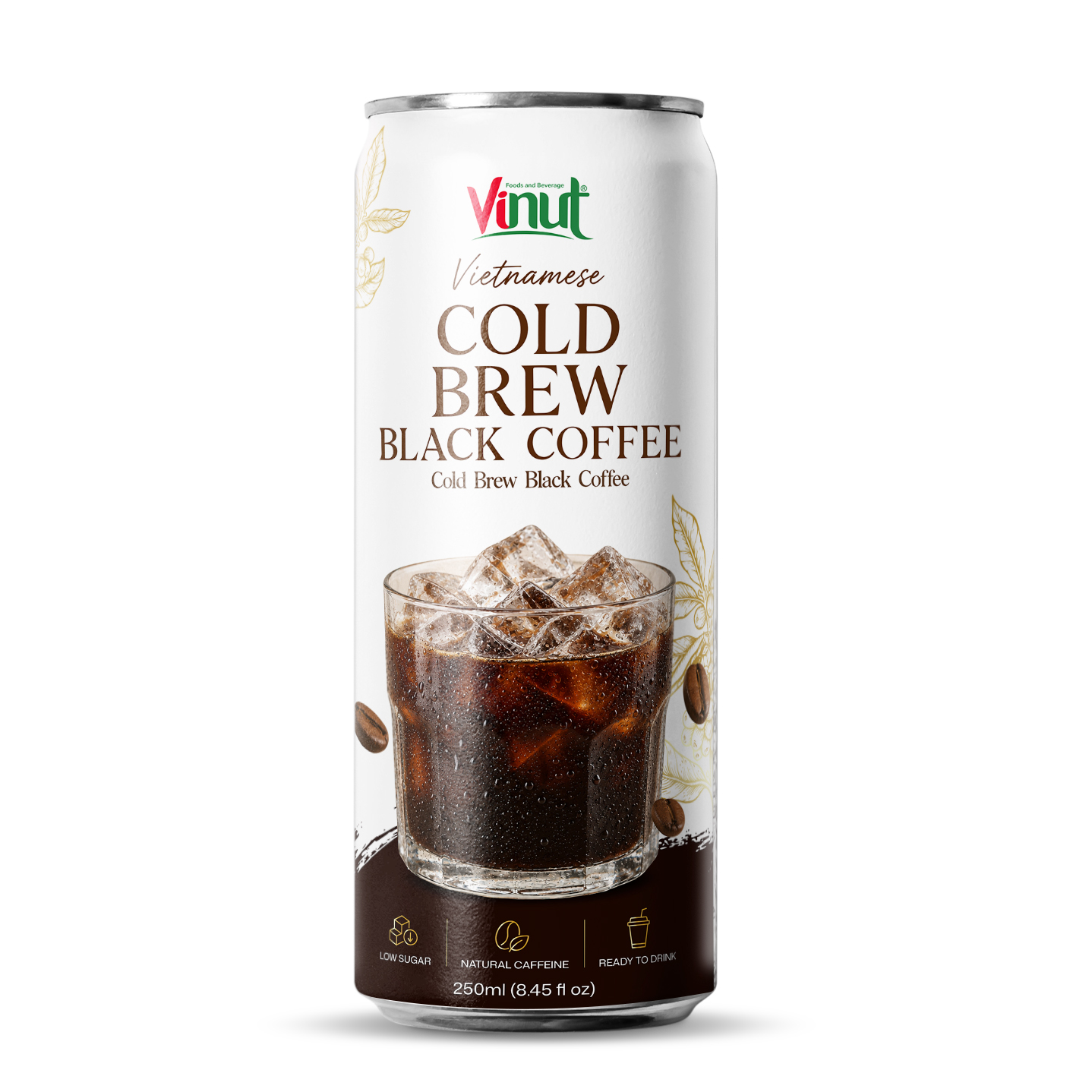
VINUT 250ml (8.45 fl oz) Vietnamese Coffee Drink Cold Brew Black Coffee
250 mL (8.45 fl oz) · Can
View product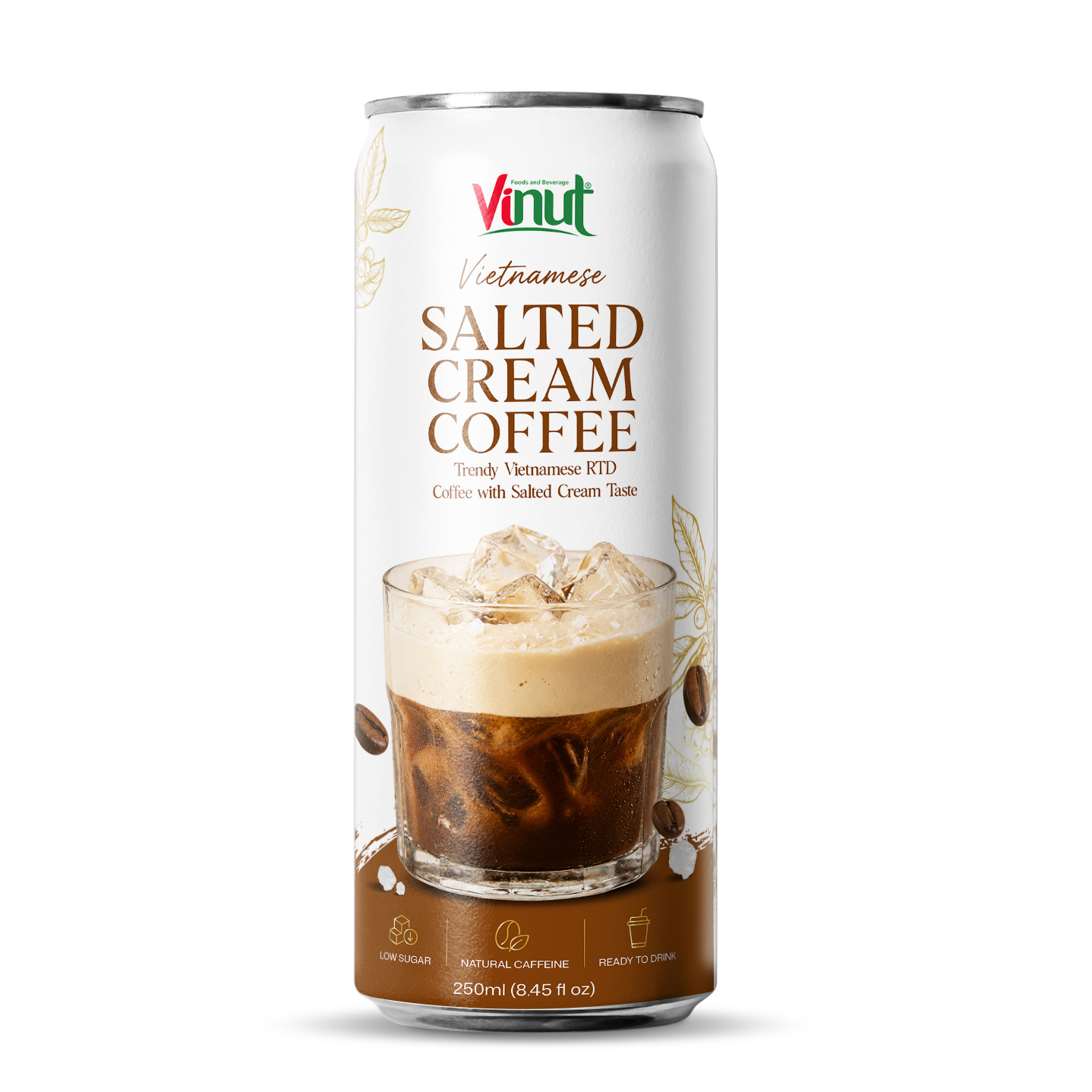
Vinut 250ml (8.45 fl oz) Vietnamese Coffee Drink Salted Cream Coffee Trendy RTD
250 mL (8.45 fl oz) · Can
View product
FAQ
How do you make a latte coffee?
Brew espresso, steam milk until smooth microfoam develops, and slowly pour the milk into the espresso. Finish with a thin layer of foam.
What ingredients do you need for a latte?
A basic latte requires espresso and milk. Flavored syrups, spices, or sauces are optional.
What is the best milk for a latte?
Whole milk is commonly used for its creamy texture, but oat, soy, almond, and other plant-based alternatives can also work.
Can you make a latte without an espresso machine?
Yes. Strong moka pot coffee can replace espresso for a homemade latte-style drink, while the milk can be frothed separately.
How many shots of espresso are in a latte?
A latte commonly contains one or two shots, depending on cup size and personal preference.
How do you froth milk for a latte?
Introduce a small amount of air into cold milk and create a swirling motion until the milk becomes smooth, glossy, and finely textured.
Can you use regular coffee for a latte?
Yes, although the result will be less concentrated than a traditional espresso-based latte. Strong coffee works best.
What are popular latte flavors?
Vanilla, caramel, mocha, hazelnut, almond, and pumpkin spice are popular options.
About this article

The VINUT editorial team publishes articles about beverage ingredients, product characteristics, and practical information for readers and international buyers.