
Buyer Briefing
4 min read · 822 words
Blend peeled pineapple with a small amount of drinking water, then serve with pulp or strain for a smoother result. The water amount and finished yield depend on the fruit and method; handle untreated juice carefully.
- Wash the pineapple before cutting, even when discarding the peel.
- Use a small amount of water first and adjust to your blender and fruit.
- Straining changes texture and yield, so measure your own batch.
- Untreated homemade juice is not shelf-stable and requires careful handling.
To make pineapple juice at home, blend peeled, chopped pineapple with a little drinking water, then pour it straight into a glass or strain it for a smoother texture. You need a blender, clean equipment and fresh fruit. Start with a small amount of water because you can always add more, but you cannot easily remove it once blended.
Ingredients and equipment
Use ripe pineapple that is sound and suitable to eat. The following is a flexible starting point for a home blender, not a measured or kitchen-tested yield:
- 2 loosely filled cups of peeled, chopped pineapple, with the tough central core removed if preferred.
- About 120 mL cold drinking water to start, adding only what your blender needs.
- Ice for serving, if desired.
- A small squeeze of lime, optional and best added after tasting.
You will also need a clean knife, cutting board, blender and glass. Keep a fine-mesh strainer and a clean spoon nearby if you prefer less pulp. For repeatable batches, weigh the edible pineapple in grams after trimming and note how much liquid you actually obtain. Cup volume alone does not establish that weight or the finished yield.
Prepare and blend the pineapple


- Clean first. Wash your hands and preparation equipment. Rinse the whole pineapple under running water before cutting, even though the peel will be discarded. Do not use soap on the fruit.
- Trim the fruit. Remove the crown, base, peel and eyes. Cut away damaged areas and discard fruit that looks rotten. Cut the edible flesh into blender-sized pieces.
- Add fruit and water. Put the pineapple into the blender with the starting water. Do not fill beyond the blender manufacturer's marked limit.
- Blend carefully. Run the blender according to its instructions until the fruit is broken down. If the blades struggle, switch off the machine before adjusting the contents, and add a little drinking water if needed.
- Check before serving. Pour a small amount into a glass and decide whether you want it thicker, thinner or more finely strained.
The U.S. FDA recommends washing produce before peeling or cutting because dirt and microorganisms on the exterior can reach the edible flesh during preparation. Washing lowers risk but does not make untreated juice sterile.
Strain it or keep the pulp?
For a fuller, blended drink, keep the mixture as it is. Expect a less uniform texture when the fruit contains more fibrous pieces. For a smoother pour, pass it through a clean fine-mesh strainer into a clean jug. Press lightly with a spoon if necessary, then discard the solids left behind.
Straining changes both texture and how much drink reaches the glass. It is therefore better to measure the result of your own batch than to promise a fixed volume. Neither a visibly pulpy glass nor a smooth one establishes a particular fibre or nutrition value.
Adjust flavour without losing the pineapple
Taste the juice first. A very ripe pineapple may seem sweet while another fruit may taste sharper, even when the preparation is identical. If the blend feels too thick, add a little cold water, stir or blend again, and taste. If it seems too diluted, use more edible pineapple rather than assuming extra sweetener will restore the original flavour.
If you want a brighter tart note, add a few drops of lime and taste again. Keep optional additions small at first. These are adjustment ideas rather than documented tasting results for a particular fruit batch. When making the recipe repeatedly, record the fruit weight, water volume and whether you strained the mixture so you can find your preferred balance.
Serve and handle fresh juice safely
Pour into a clean glass and enjoy promptly. If serving over ice, remember that melting ice will gradually dilute the drink. Do not treat a home-blended, untreated juice as shelf-stable, even when it looks or smells normal.
Keep perishable drinks refrigerated at 4°C (40°F) or below. FoodSafety.gov advises refrigerating perishables within two hours, or within one hour when exposed to temperatures above 32°C (90°F). Those are handling limits, not a tested shelf-life for this recipe. The FDA warns that untreated fresh juice can contain harmful bacteria, with additional risks for children, pregnant people, older adults and people with weakened immune systems. For these groups, choose pasteurised or otherwise safety-treated juice instead of relying on washing alone.
Freshly blended or ready to drink?
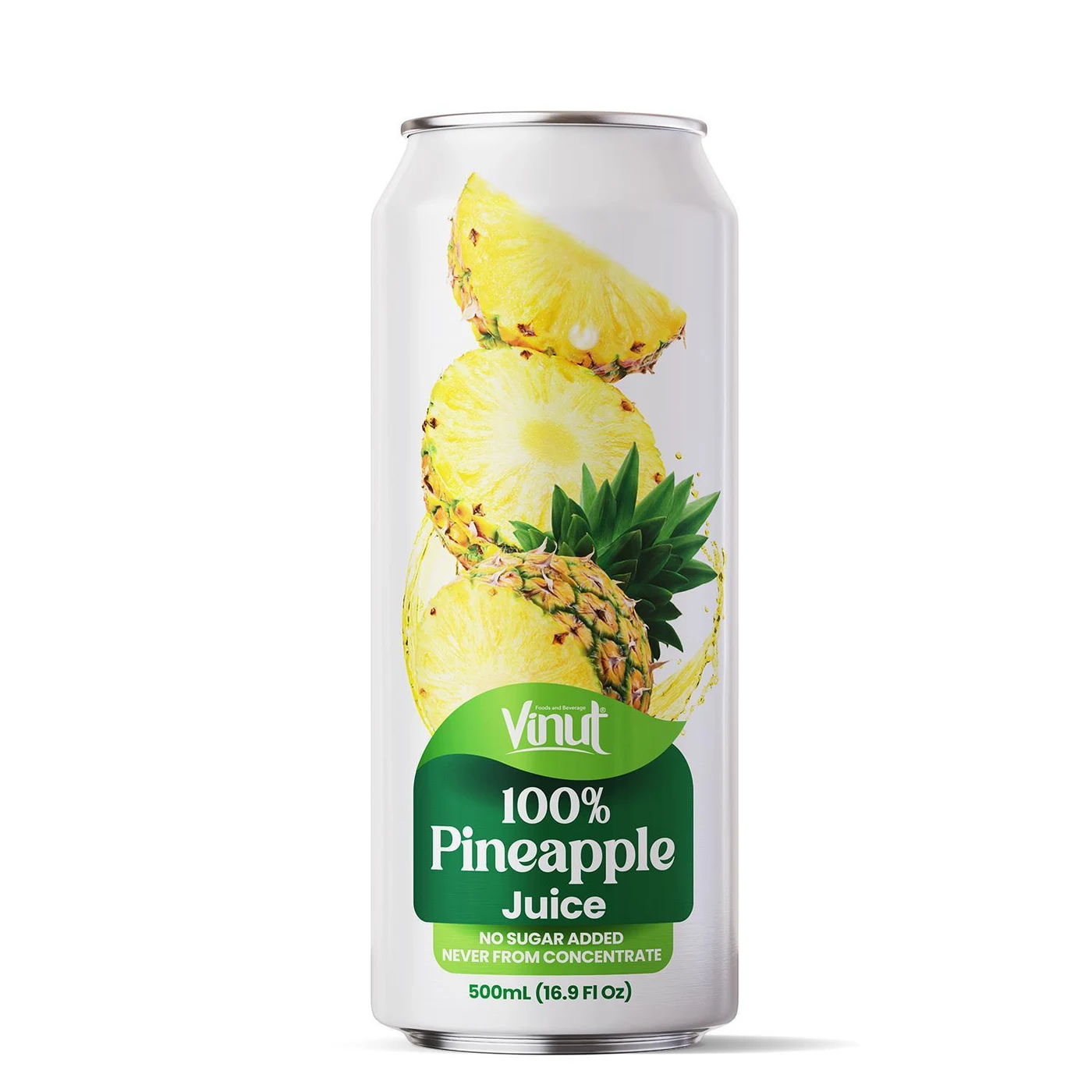
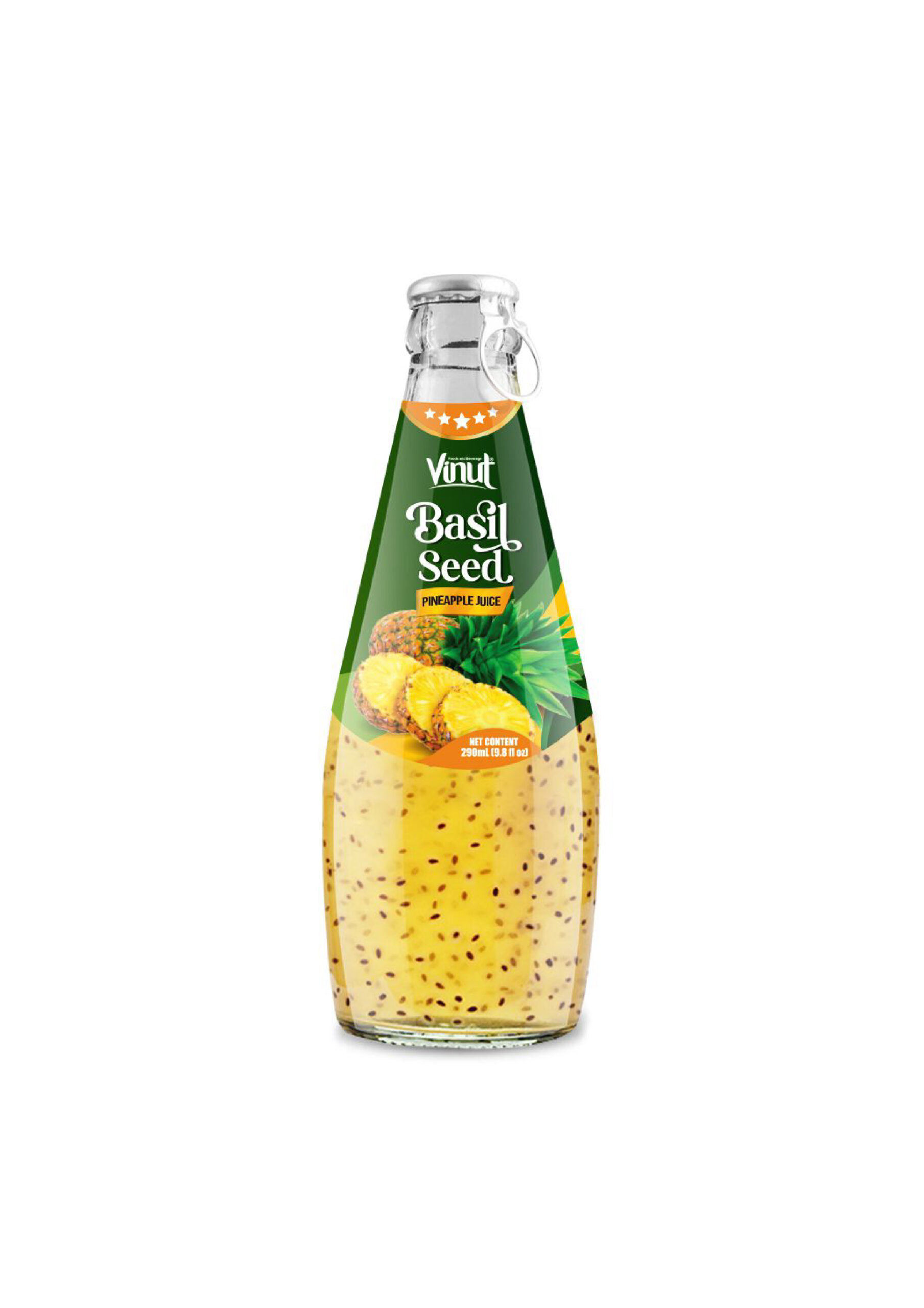
Making juice from fresh pineapple lets you choose the fruit, amount of water and texture. It also involves trimming, blending and cleaning up. If you want a ready-to-serve beverage instead, explore VINUT's fruit juice collection and check the exact product label for ingredients, juice content, storage instructions and format. A packaged pineapple drink is a separate option, not a guaranteed replacement for this fresh-fruit recipe.
The easiest starting method is simple: prepare the pineapple carefully, blend with a little water, choose your texture and serve promptly. Keep notes on your next batch if you want more consistent results.
VINUT products
Explore related drinks
View ingredients, sizes and packaging.

FAQ
Can I use a blender instead of a juicer?
Yes. A blender breaks down pineapple together with the added water. You can then strain the blend to remove some solids, but it will not behave exactly like a dedicated juicer.
Do I have to remove the pineapple's central core?
Not always. The central core is often firmer and more fibrous than the surrounding flesh. If your blender struggles or you prefer a smoother drink, remove it before blending.
Can I start with frozen pineapple?
You can try food-safe frozen pineapple, but its hardness and temperature can affect blending. Follow the blender manufacturer's guidance, use appropriate liquid and do not assume the fresh-fruit quantities or texture have been tested for the frozen version.
What should I do if my blender will not move the fruit?
Switch the blender off and unplug it before checking the contents. Avoid reaching inside while the blades can move. Add a small amount of drinking water if appropriate for your appliance, then restart according to its instructions.
Why does fresh blended pineapple juice sometimes look foamy?
Blending can incorporate air and make a foam layer. This does not establish whether the drink is safe. Judge safe handling by clean preparation, appropriate refrigeration and the freshness of the ingredients, not appearance alone.
Can I leave homemade pineapple juice on a drinks table for several hours?
Do not plan to hold untreated fresh juice unrefrigerated for an extended event. FoodSafety.gov's general rule is to refrigerate perishables within two hours, or one hour above 32°C (90°F). Keep the drink chilled and prepare smaller batches as needed.
About this article

The VINUT editorial team publishes articles about beverage ingredients, product characteristics, and practical information for readers and international buyers.