
Buyer Briefing
8 min read · 1,621 words
Lemongrass is a potent herb known for treating insomnia, stomach and respiratory disorders, fever, and infections. It may boost the immune system, protect against antibiotic-resistant Staphylococcus aureus, balance cholesterol levels, manage type 2 diabetes, and promote healthy skin. It is also used in aromatherapy to combat fatigue, anxiety, and bad body odor, and may help detoxify the body and reduce aches.
- Lemongrass may help treat insomnia, stomach and respiratory disorders, fever, and infections.
- It may boost the immune system, protect against antibiotic-resistant Staphylococcus aureus, and help balance cholesterol levels.
- Lemongrass may aid in managing type 2 diabetes and promoting healthy skin.
- It is used in aromatherapy to combat fatigue, anxiety, and bad body odor.
- Lemongrass contains antioxidants, flavonoids, phenolic compounds, and essential vitamins and minerals.
1. What is lemongrass?
Lemongrass is an herb that has been associated with various traditional uses, including addressing concerns like sleeplessness, stomach and respiratory discomforts, fever, and infections. The possible antioxidant activity of lemongrass may support the immune system and has been explored for its potential against certain bacteria. It may also be considered for its potential role in supporting balanced cholesterol levels, managing type 2 diabetes, and promoting healthy skin. It is extensively used in aromatherapy and is believed to help combat feelings of fatigue, anxiety, and bad body odor.
1.1 Lemongrass (Cymbopogon) – An Aromatic Healer
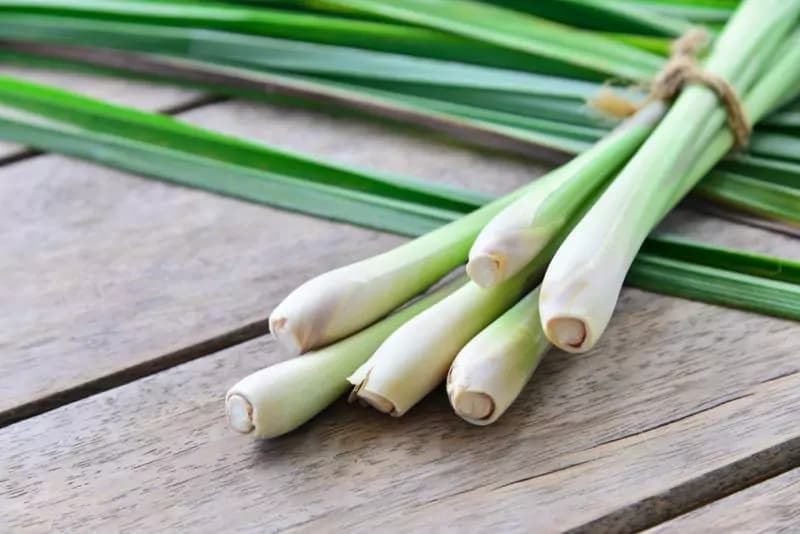
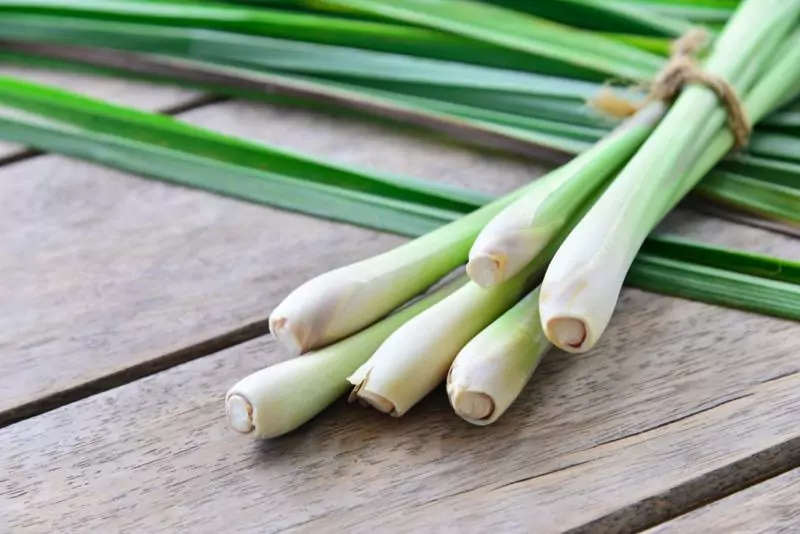
Lemongrass is an herb with a distinct citrusy flavor and aroma. Its scientific name is Cymbopogon citratus and it belongs to the grass family of Poaceae. It is a tall, perennial grass native to India and tropical Asia. It is also known as Cymbopogon, barbed wire grass, or fever grass.
Beyond its culinary use, this herb offers a range of medicinal benefits. It is in high demand across Southeast Asia, Africa, and America for its anti-bacterial, anti-fungal, and anti-microbial properties.
1.2 How many kind of Lemongrass?
The genus Cymbopogon includes 55 species of grasses, but only two are called lemongrass:
Cymbopogon citratus — preferred for culinary use
Cymbopogon flexuosus — used in fragrance manufacturing due to its long shelf life
1.3 Lemongrass Nutrition Facts
Lemongrass contains antioxidants, flavonoids, and phenolic compounds, including:
Luteolin
Glycosides
Quercetin
Kaempferol
Elemicin
Catechol
Chlorogenic acid
Caffeic acid
According to USDA FoodData Central, lemongrass is a source of:
Vitamin A, B-vitamins, folate, and vitamin C
Potassium and magnesium
Phosphorus and manganese
Zinc and iron
2. Health Benefits of Lemongrass
The strong, refreshing flavor of lemongrass is enough reason to try it out in teas and cocktails. Beyond its taste, some believe it offers various health benefits. Here are some of the potential health aspects of lemongrass to consider.
2.1 May Help Lower Cholesterol
A 2011 study in the Food and Chemical Toxicology journal found that lemongrass essential oils have anti-hyperlipidemic and anti-hypercholesterolemic properties. These may support healthy cholesterol levels.
One animal study has also shown that lemongrass may assist in sustaining healthy levels of triglycerides and reducing LDL or bad cholesterol. This may help prevent lipid buildup in blood vessels and support unobstructed blood flow in the arteries. In turn, it may help prevent cardiac disorders such as atherosclerosis.
2.2 May Detoxify the Body
According to a 2003 animal study, lemongrass may help cleanse and flush toxic wastes from the body due to its diuretic properties. This potential detoxification may support the regulation of various organs, including the liver and kidneys, while also possibly helping to influence uric acid levels. The possible diuretic effect of the herb may contribute to increased urination, which is thought to support digestive health and the body's natural detoxification processes.
2.3 May Fight Staphylococcus Aureus
Research published in the Journal of Applied Microbiology has shown that lemongrass essential oil has an anti-biofilm capacity and is beneficial against the infection caused by Staphylococcus aureus. It contains phenols and essential oil, which may disrupt the growth of infections and germs and help inhibit the formation of biofilms.
2.4 May Aid in Relieving Stomach Disorders
Studies have shown that lemongrass essential oil has potentially anti-microbial and anti-bacterial properties which help in fighting the infections caused by pathogens such as Helicobacter pylori and Escherichia coli.
It is considered beneficial in potentially reducing inflammation and addressing gastrointestinal discomforts; some find it helpful to consume for supporting digestion and when experiencing issues like gastric ulcers, constipation, ulcerative colitis, diarrhea, nausea, and stomach ache.
2.5 May Relieve Insomnia
Lemongrass tea is considered to be helpful in calming muscles and nerves that may aid in promoting sleep. Research has shown that lemongrass tea has sedative properties, which can help in increasing the duration of sleep.
2.6 May Act as Remedy for Respiratory Disorders
Lemongrass is widely used in Ayurvedic medicine for its perceived soothing effects in addressing cough and cold symptoms. Along with other beneficial components, its vitamin C content may be considered for providing relief from nasal blockages, flu, and other respiratory discomforts such as bronchial asthma.
2.8 May Reduce Fever
Lemongrass is a febrifuge and is also known as the ‘fever grass’ due to its beneficial effects in lowering fever. The possible antipyretic and diaphoretic effect is extensively used in Ayurvedic medicine for curing fever by inducing sweating
2.9 May Help Treat Infections
Lemongrass works as an antiseptic and is effective in treating infections such as ringworm, sores, Athlete’s Foot, scabies, and urinary tract infections (UTI) because of its antimicrobial and anti-fungal properties. Studies have shown that the herb exerts healing effects on dermatological infections, such as yeast infections, by inhibiting the growth of pathogens. Another study provides supporting evidence that demonstrated the efficacy of lemongrass over thyme, patchouli, and cedarwood oil in the treatment of various diseases such as oral or vaginal candidiasis.
2.10 May Reduce Aches
Lemongrass and several of its products such as oil are known to be effective against headaches and body aches. A 2018 study suggests that not only is the herbal oil effective against muscle pain and body ache of various kinds, it is also an alternative with lesser side effects as opposed to synthetic drugs. Another study also notes the effective use of lemongrass essential oil against rheumatism, muscle spasms, and cramps.
2.11 May Aid in Managing Type-2 Diabetes
Lemongrass has been shown to have beneficial implications for managing type-2 diabetes. An animal study published in the Indian Journal of Pharmacology in 2011 indicates that the citral present in the fragrant herb may help maintain optimum levels of insulin and improve the tolerance of glucose in the body. However, more research needs to be conducted on the human population to truly understand the effects.
2.12 May Boost Immunity
Lemongrass extracts may have a beneficial effect on the inflammatory actions of cytokines, which are the signaling molecules through which the cells communicate and respond to the body. Studies have shown that the extract exerts anti-inflammatory action and its constituent, citral, may be the cause of its inhibitory effect on cytokine production.
2.13 May Improve Skin Care
Lemongrass has been treasured as a skin tonic and makes an effective cleanser for oily or acne-prone skin, due to its astringent and antiseptic qualities. It can help in strengthening the skin tissues and toning up the pores while also sterilizing them. Care should be taken while using lemongrass products, as the undiluted application might lead to dermal irritation in some cases.
2.14 May Provide Relief from Edema
Lemongrass is effective in providing relief from the condition of water retention or edema. It has a cleansing effect on lymphatic congestion and helps soothe the swelling.
2.15Can Be Used in Aromatherapy
Lemongrass consists of beneficial essential oils and compounds such as neroli, citronellol, myrcene, dipentene, geraniol, and methyl heptenone. The oil is extensively used in aromatherapy due to its therapeutic effects, which help in revitalizing the body.
The cooling effect of the essential oil is beneficial for the body during hot weather and promotes the revival of both the mind and soul. This oil possesses natural astringent and toning qualities that help stimulate blood circulation and tone up the dermal tissues.
It is used in therapeutic baths for its perceived calming effects on the nerves and for alleviating feelings of stress, fatigue, and anxiety.
2.16 May Help Reduce Obesity
Lemongrass contains citral, which is effective against obesity. It can lessen the accumulation of abdominal fat and promotes the use of stored energy, which helps in preventing diet-induced weight gain. It aids in healthy metabolism and enhances the oxidation of fatty acids in the body.
2.17 May Eliminate Body Odor
Lemongrass is used in the manufacturing of deodorants due to its perceived cleansing and antibacterial properties. Deodorants are used to help manage unpleasant body odor and may contribute to preventing certain fungal and bacterial issues. It can also be added to footbaths for its perceived sanitizing effects on sore and smelly feet.
2.18 Can Act as an Insect Repellent
Lemongrass is used as a natural insect repellent and is believed to help in deterring insects that can carry diseases such as malaria, dengue, and possibly Lyme disease. Studies have explored lemongrass oil for its potential antimalarial and anti-protozoan properties, which is why it is included in many mosquito repellents.
3. Lemongrass Uses
Apart from folk medicines, lemongrass is commonly used in Asian cuisines, especially those of Vietnam, Thailand, and Malaysia. It is used for adding flavor to beverages such as teas, curries, and soups. It is also found extensively in the preparation of pudding, meat products, candies, and baked goods.
3.1 Other Uses
It is used in the manufacturing of perfumes, deodorants, polishes, candles, and waxes. It is also used to add fragrance to soaps and cosmetic products.
It is commercially used to lure and attract honey bees for various purposes.
3.2 Hydrophobic Properties:
Lemongrass is used for preserving ancient palm leaf manuscripts and protects them from the damage caused by microorganisms. It strengthens the leaves by providing the required moisture to the fragile palm leaves without letting the humidity cause any loss to the stored text. This protective effect can be attributed to the hydrophobic properties of lemongrass oil.
3.3 Pet Products:
Lemongrass is used in the manufacturing of shampoos and grooming products for pets due to its repellent effects on lice and ticks
4. Potential Side Effects of Lemongrass
While lemongrass and its derivatives are generally considered safe for use, direct application or ingestion of the essential oil is not recommended. It may induce an allergic reaction such as contact dermatitis. The topical use or ingestion of concentrated essential oils is not recommended. It is always advisable to keep the essential oil out of the reach of children. Note: It is strongly recommended to consult a health professional before using lemongrass oil. This is especially true during pregnancy, when trying to conceive, breastfeeding, and during the course of any ongoing medical treatments and consultations.
Used cautiously, it can prove extremely valuable in providing a range of medicinal relief. So, add a refreshing and healthy aroma to your life with lemongrass!
Source: organicfacts.net
FAQ
What is lemongrass?
Lemongrass is a tropical perennial grass from the Cymbopogon genus. It has a distinctive citrus aroma and flavor and is widely used in Asian cuisine, herbal teas, beverages, aromatherapy, cosmetics, and personal-care products.
What are the benefits of lemongrass?
Lemongrass contains naturally occurring compounds such as citral, flavonoids, and phenolic compounds. Research has explored its potential antioxidant, antimicrobial, and anti-inflammatory properties, although more human studies are needed to confirm many health-related effects.
What is lemongrass used for?
Lemongrass is commonly used to flavor soups, curries, marinades, meat and seafood dishes, teas, cocktails, mocktails, and other beverages. It is also used in aromatherapy, cosmetics, perfumes, soaps, and household products.
Can you drink lemongrass tea every day?
Lemongrass tea is commonly consumed as a herbal beverage and can be part of a balanced diet for many people. However, individual tolerance may vary, and concentrated lemongrass essential oil should not be consumed like ordinary lemongrass tea.
Is lemongrass good for digestion?
Lemongrass has traditionally been used to support digestion and ease occasional stomach discomfort. However, scientific evidence for treating specific digestive conditions remains limited.
Can lemongrass help with weight loss?
Some laboratory and animal studies have investigated compounds in lemongrass and their potential relationship with fat metabolism. However, there is currently insufficient human evidence to conclude that lemongrass directly causes weight loss.
Is lemongrass safe to eat?
Lemongrass is widely consumed as a food ingredient and is generally well tolerated in normal culinary amounts. Concentrated lemongrass essential oil requires greater caution because it may cause skin irritation or other adverse reactions.
What does lemongrass taste like?
Lemongrass has a fresh, citrus-like flavor with subtle herbal and slightly ginger-like notes. Its refreshing profile makes it particularly suitable for teas, juices, cocktails, mocktails, soups, curries, and other dishes.
What is the difference between lemongrass and lemon?
Lemongrass is a tropical grass, while lemon is a citrus fruit. Although lemongrass has a lemon-like aroma and flavor, they come from completely different plants and have different culinary uses.
About this article

The VINUT editorial team publishes articles about beverage ingredients, product characteristics, and practical information for readers and international buyers.