
Buyer Briefing
8 min read · 1,650 words
Mangosteen with collagen combines mangosteen-derived ingredients with added collagen or collagen peptides. Collagen has been studied for potential effects on skin hydration, elasticity, and some joint-related outcomes, while mangosteen contains plant compounds such as xanthones. However, evidence does not establish mangosteen with collagen as a treatment for arthritis or other medical conditions.
- Mangosteen and collagen are two different ingredients with different nutritional roles.
- Mangosteen naturally contains plant compounds such as xanthones.
- Mangosteen does not naturally contain collagen.
- Collagen peptides have been studied for skin and joint-related outcomes.
- Evidence varies according to collagen formulation and dose.
- Mangosteen laboratory findings do not prove arthritis relief in humans.
- Mangosteen with collagen should not be marketed as an arthritis treatment.
- Fresh fruit and concentrated mangosteen extracts are not equivalent.
- Check collagen amount and source when comparing products.
- Review sugar, calories, serving size, and other active ingredients before regular consumption.
Listen to the article summary
AI-generated voice · English · 4:32
Read transcript
Mangosteen with collagen combines a tropical fruit known for its distinctive flavor and plant compounds with collagen, a structural protein found throughout the human body. This combination is marketed in beverages and supplements for skin, beauty, and general wellness. Mangosteen provides nutrients and phytochemicals, while collagen is a key component of skin, bones, and connective tissues. However, it's important to distinguish potential effects from claims that either ingredient can prevent or treat specific health conditions. Mangosteen, often called the "queen of fruits," is native to Southeast Asia. Collagen is one of the most abundant proteins in the human body, contributing to the structure of skin, cartilage, and bones. Products combining these are commonly available as ready-to-drink beverages, powdered mixes, and dietary supplements. Their nutritional value varies based on formulation, including collagen type, mangosteen content, and added sugars. Regarding side effects, mangosteen, like other foods, can potentially cause allergic reactions, with symptoms ranging from hives to difficulty breathing. Digestive discomfort, such as bloating or stomach upset, may also occur, especially with large amounts. Concentrated mangosteen extracts and supplements are different from eating the fresh fruit and require caution, particularly for those on medications or managing medical conditions. Potential benefits are better understood by examining each ingredient separately. Many collagen products use hydrolyzed collagen, or collagen peptides, which have been researched for skin and joint health. Collagen is a structural component of skin, and some studies suggest oral collagen peptides may support skin hydration and elasticity. Mangosteen contributes plant compounds like xanthones, which have shown antioxidant and biological activities in laboratory studies, though these findings don't automatically establish clinical benefits in humans. Collagen also contributes to daily protein intake, and the combination offers a convenient functional beverage format. While mangosteen contains phytochemicals with antioxidant activity, overall dietary patterns are more important than relying on a single ingredient. For skin health, collagen is involved in maintaining skin structure, and research explores its effects on hydration and elasticity. Mangosteen contributes fruit-derived compounds, but there isn't enough evidence to suggest it creates a unique or amplified skin benefit when combined with collagen. Skin health is also influenced by overall nutrition, hydration, sun exposure, and other lifestyle factors. Concerning joint health, collagen is a structural component of cartilage, and some studies on specific collagen formulations have reported potential improvements in joint-related outcomes. Mangosteen xanthones have shown biological activities related to inflammation in laboratory research. However, the evidence is insufficient to describe mangosteen with collagen as an arthritis treatment. Mangosteen should not be considered a treatment for arthritis, and findings from cells or animals cannot automatically be translated into proven arthritis relief in humans. When choosing a mangosteen collagen drink, consumers should check the amount and type of collagen per serving, the specific mangosteen content (juice, extract, flavoring), and the sugar content. Other ingredients like vitamins or botanical extracts should also be considered. Daily consumption depends on the specific product and individual needs, with caution advised for those with allergies, medical conditions, or who are pregnant or breastfeeding. Fresh mangosteen fruit and mangosteen collagen drinks are not nutritionally identical, as the fruit naturally contains fiber and no added collagen or sugar. In conclusion, mangosteen with collagen combines a fruit with plant compounds and a structural protein. Research has explored collagen's potential benefits for skin and joints, and mangosteen's xanthones have attracted scientific interest. However, these findings should not be used to claim that mangosteen with collagen prevents disease or provides proven arthritis relief. Consumers should evaluate product labels carefully and use these beverages as a complement to a balanced diet and appropriate healthcare, rather than a replacement.
Mangosteen with collagen combines a tropical fruit known for its distinctive flavor and plant compounds with collagen, a structural protein naturally found throughout the human body. This combination has attracted attention in beverages and supplements marketed toward skin, beauty, and general wellness.
Mangosteen naturally provides nutrients and phytochemicals, while collagen is an important component of skin, bones, cartilage, tendons, and other connective tissues. However, the potential effects of consuming these ingredients together should be distinguished from claims that either ingredient can prevent or treat specific health conditions.
In this article, VINUT explores mangosteen nutrition, the potential benefits and side effects of mangosteen with collagen, and what current evidence suggests about collagen, mangosteen, and joint health.
I/ What Is Mangosteen with Collagen?
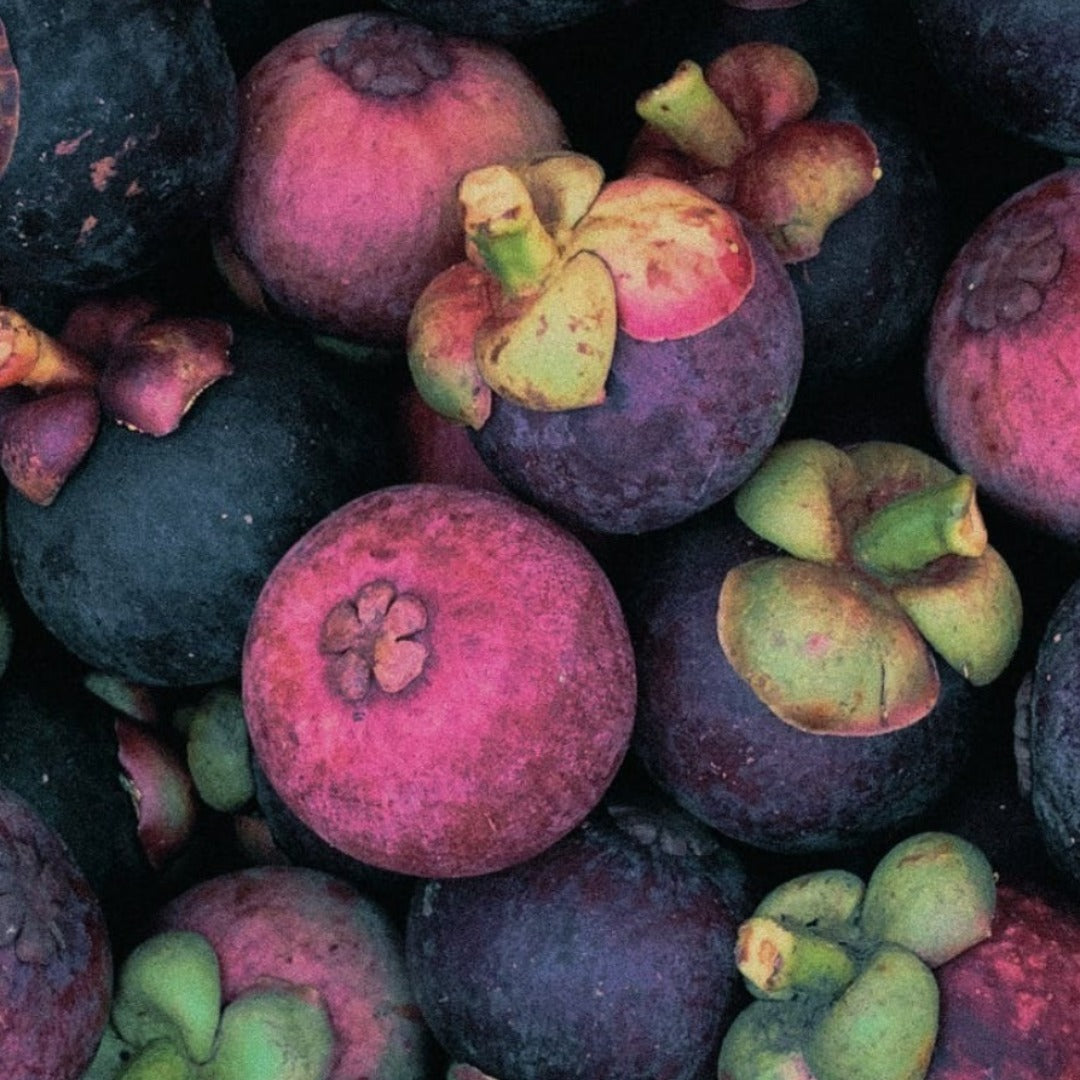
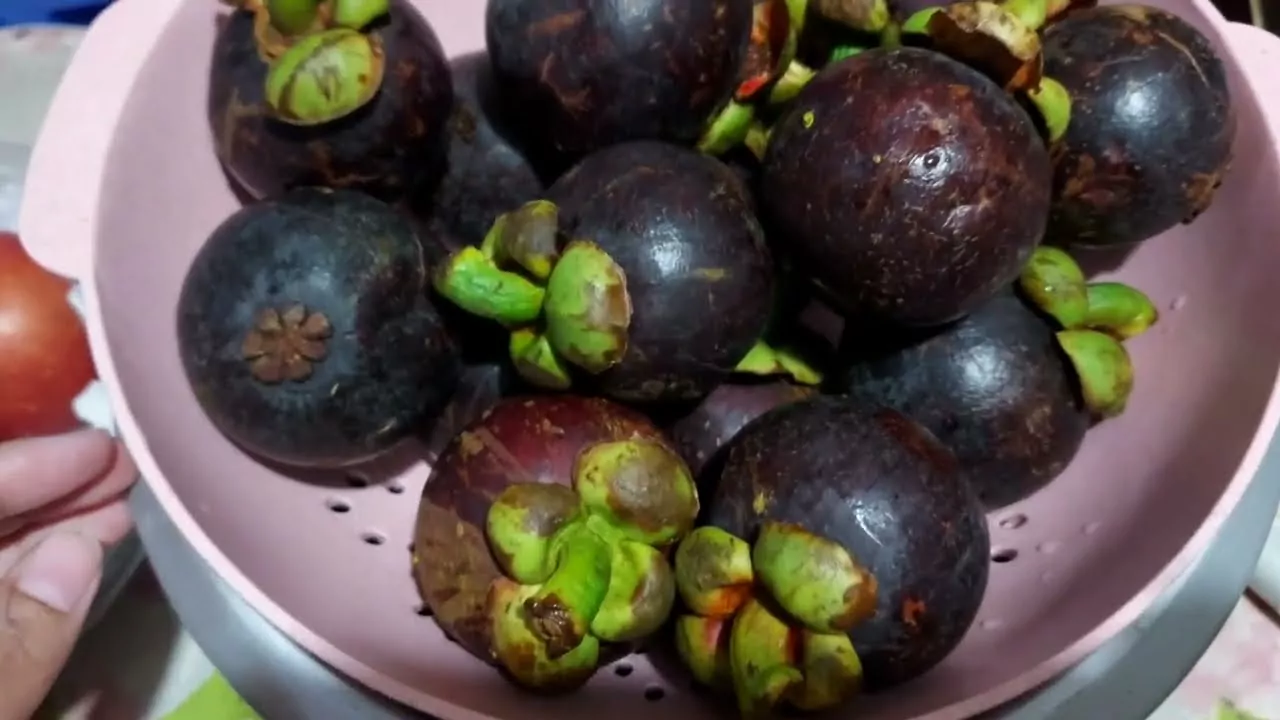
Mangosteen (Garcinia mangostana) is a tropical fruit recognized by its thick purple rind and soft white flesh. It is native to Southeast Asia and is sometimes called the "queen of fruits."
Collagen, meanwhile, is one of the most abundant proteins in the human body. It contributes to the structure of skin, cartilage, bones, tendons, ligaments, and other connective tissues.
Products combining mangosteen and collagen are commonly available as:
Ready-to-drink beverages
Powdered drink mixes
Beauty drinks
Dietary supplements
Functional beverages
The exact nutritional value of these products depends heavily on their formulation, including the amount and type of collagen, mangosteen content, added sugars, vitamins, and other ingredients.
II/ What Are the Potential Side Effects of Mangosteen?
Mangosteen is consumed as a food, but concentrated mangosteen extracts and supplements should not automatically be treated as equivalent to eating the fruit.
1. Allergic Reactions
As with many foods, an allergic reaction is possible.
Potential symptoms of a serious food allergy can include:
Hives
Swelling
Itching
Wheezing
Difficulty breathing
A person experiencing difficulty breathing or other symptoms of a severe allergic reaction should seek urgent medical care.
However, having an allergy to an unrelated fruit does not automatically mean that someone will also be allergic to mangosteen.
2. Digestive Discomfort
Eating or drinking a large amount of a new food may cause digestive discomfort in some individuals.
Potential symptoms can include bloating, stomach discomfort, or changes in bowel habits.
Tolerance varies from person to person.
3. Considerations With Concentrated Supplements
A concentrated mangosteen extract is different from eating fresh mangosteen.
Supplement products may contain substantially different quantities of specific plant compounds. They may also contain other active ingredients.
People taking medications or managing medical conditions should therefore be cautious about concentrated supplements and discuss them with an appropriate healthcare professional when necessary.
III/ What Are the Potential Benefits of Mangosteen with Collagen?
The potential advantages of this combination are better understood by examining the nutritional characteristics of each ingredient separately.
1. Provides Collagen Peptides
Many collagen beverages and supplements use hydrolyzed collagen, also called collagen peptides.
Hydrolysis breaks collagen into smaller peptides that can be incorporated into food, drinks, and supplements.
Research has investigated collagen peptide supplementation in areas including skin and joint health. However, results depend on factors such as the type of collagen, dose, duration of use, study population, and overall diet.
2. May Support Skin Health
Collagen is an important structural component of skin.
Some clinical studies of oral collagen peptides have reported changes in measures such as skin hydration and elasticity after regular supplementation.
However, this does not mean that every collagen-containing beverage will produce the same effects.
Product formulation, collagen dose, duration of consumption, age, diet, sun exposure, smoking, sleep, and other lifestyle factors can all influence skin health.
3. Provides Plant Compounds From Mangosteen
Mangosteen contains several naturally occurring plant compounds, including a group known as xanthones.
These compounds have attracted research interest because of their antioxidant and other biological activities observed in laboratory studies.
However, laboratory findings do not automatically establish clinical benefits in humans.
Fresh mangosteen should therefore be viewed primarily as a fruit rather than a treatment for disease.
4. Can Contribute to Protein Intake
Collagen is a source of protein.
A collagen-containing beverage can therefore contribute to daily protein intake, depending on the amount included in each serving.
However, collagen does not have the same amino acid profile as every other dietary protein source. A balanced diet should still include a variety of protein-rich foods appropriate to individual needs.
5. Offers a Convenient Functional Beverage Format
Combining fruit flavors with collagen can provide a convenient way for consumers to incorporate collagen peptides into their routine.
Mangosteen's sweet-tart tropical profile can also make functional beverages more appealing.
However, convenience and flavor should be considered separately from medical benefits.
IV/ Does Mangosteen with Collagen Provide Antioxidants?
Mangosteen contains naturally occurring phytochemicals, including xanthones and other plant compounds that have been studied for antioxidant activity.
Antioxidants help protect cells from oxidative stress by interacting with reactive molecules.
However, claims such as "antioxidants prevent chronic disease" oversimplify a much more complicated relationship.
The human body has its own antioxidant systems, and overall dietary patterns are more important than relying on a single antioxidant-rich ingredient.
It is also important to distinguish between mangosteen flesh, rind extracts, juices, and concentrated supplements, as they can have very different compositions.
V/ Is Mangosteen with Collagen Good for Skin?
This is one of the main reasons collagen beverages have become popular.
Collagen is naturally involved in maintaining skin structure. Research into oral hydrolyzed collagen has explored potential effects on skin hydration, elasticity, and appearance.
What Role Does Mangosteen Play?
Mangosteen contributes fruit-derived compounds, while the collagen component provides peptides and amino acids.
However, there is not enough evidence to assume that combining mangosteen specifically with collagen creates a unique or amplified skin benefit compared with collagen alone.
Skin health is also influenced by:
Overall nutrition
Hydration
Sun exposure
Age
Genetics
Sleep
Smoking
Skincare practices
Mangosteen with collagen can therefore be considered part of a broader wellness routine rather than a substitute for these factors.
VI/ Can Mangosteen with Collagen Support Joint Health?
Collagen is an important structural component of cartilage and other connective tissues.
For this reason, researchers have investigated collagen supplementation in relation to joint comfort and function.
Some studies involving specific collagen formulations have reported potential improvements in certain joint-related outcomes.
However, the evidence does not establish that every collagen product will produce the same results.
What About Mangosteen?
Mangosteen xanthones have demonstrated biological activities in laboratory and preclinical research, including effects on pathways related to inflammation.
That is interesting scientifically, but it does not demonstrate that eating mangosteen or drinking mangosteen juice treats joint inflammation in humans.
Therefore, the most accurate conclusion is:
Mangosteen and collagen are being studied for different biological and nutritional properties, but evidence is insufficient to describe mangosteen with collagen as an arthritis treatment.
VII/ Is Mangosteen Good for Arthritis?
Mangosteen should not be considered a treatment for arthritis.
Arthritis refers to multiple conditions affecting the joints, and appropriate treatment depends on the specific type, severity, symptoms, medications, and individual medical circumstances.
What Do We Know About Xanthones?
Mangosteen contains xanthones, which have attracted scientific interest because of their biological properties.
Some laboratory and animal research has investigated their effects on inflammatory pathways.
However, findings from cells or animals cannot automatically be translated into proven arthritis relief in humans.
What Do We Know About Collagen?
Certain collagen supplements have been studied for joint-related outcomes, including in people experiencing osteoarthritis symptoms or activity-related joint discomfort.
The findings are more relevant to specific collagen preparations than to mangosteen itself.
People experiencing persistent joint pain, swelling, stiffness, or reduced mobility should seek appropriate medical evaluation rather than relying on a fruit beverage or supplement to treat the underlying condition.
VIII/ What Should You Look for in a Mangosteen Collagen Drink?
Products can vary considerably, so checking the label is important.
1. Amount of Collagen
Look for the amount of collagen or collagen peptides provided per serving.
Simply seeing "collagen" on the front label does not indicate how much the product contains.
2. Type and Source of Collagen
Collagen ingredients can come from different animal sources.
Consumers with allergies, dietary restrictions, religious requirements, or personal preferences should check the source carefully.
3. Mangosteen Content
A mangosteen-flavored beverage does not necessarily contain a large amount of mangosteen fruit.
Check the ingredient list to understand whether the product contains juice, purée, concentrate, extract, flavoring, or another mangosteen-derived ingredient.
4. Sugar Content
Review both total and added sugars when available.
A product marketed as a functional or beauty beverage can still contain significant amounts of sugar.
5. Other Ingredients
Some products combine collagen with:
Vitamin C
Other vitamins and minerals
Fruit concentrates
Sweeteners
Botanical extracts
Flavorings
Consider the complete formulation rather than evaluating the product based only on mangosteen and collagen.
IX/ Can You Drink Mangosteen with Collagen Every Day?
Whether a mangosteen collagen beverage is appropriate for daily consumption depends on the specific product and individual.
Consider:
Serving size
Collagen amount
Total protein intake
Sugar content
Calories
Other active ingredients
Allergies
Dietary restrictions
Medications and health conditions
Follow the manufacturer's serving instructions for packaged products.
More is not necessarily better, particularly when a beverage contains concentrated extracts or several functional ingredients.
X/ Who Should Be Careful With Mangosteen Collagen Products?
Extra caution may be appropriate for people who:
Have known allergies to ingredients in the product
Are pregnant or breastfeeding
Take regular medications
Have an existing medical condition
Need to closely manage sugar intake
Have dietary or religious restrictions concerning collagen sources
Are considering concentrated mangosteen supplements rather than ordinary fruit
This does not mean these individuals must always avoid the product. It means the formulation and personal circumstances should be considered carefully.
XI/ Mangosteen Fruit vs. Mangosteen Collagen Drink
These products should not be treated as nutritionally identical.
Feature | Fresh Mangosteen | Mangosteen Collagen Drink |
|---|---|---|
Dietary fiber | Naturally present | Depends on formulation; often lower |
Collagen | None | Added to product |
Fruit compounds | Naturally present | Amount varies |
Protein | Relatively low | Can be higher due to collagen |
Added sugar | None in whole fruit | Depends on formulation |
Ingredients | Whole fruit | Can contain multiple ingredients |
Convenience | Requires preparation | Often ready to drink |
Fresh mangosteen is a whole fruit, while a collagen drink is a formulated product.
One should not automatically be considered nutritionally equivalent to the other.
XIV/ Conclusion
Mangosteen with collagen brings together two ingredients with very different nutritional roles.
Mangosteen is a tropical fruit containing naturally occurring plant compounds, while collagen provides structural protein-derived peptides commonly incorporated into beauty and wellness products.
Research into oral collagen has explored potential benefits related to skin and joint health. Mangosteen and its xanthones have also attracted scientific interest, particularly in laboratory research. However, these findings should not be combined to claim that mangosteen with collagen prevents disease or provides proven arthritis relief.
For consumers interested in mangosteen collagen beverages, the most practical approach is to evaluate the actual product. Check its collagen content, mangosteen ingredients, sugar, serving size, and other components.
Used appropriately, mangosteen with collagen can be an interesting functional beverage option - but it should complement, rather than replace, a balanced diet and appropriate healthcare.
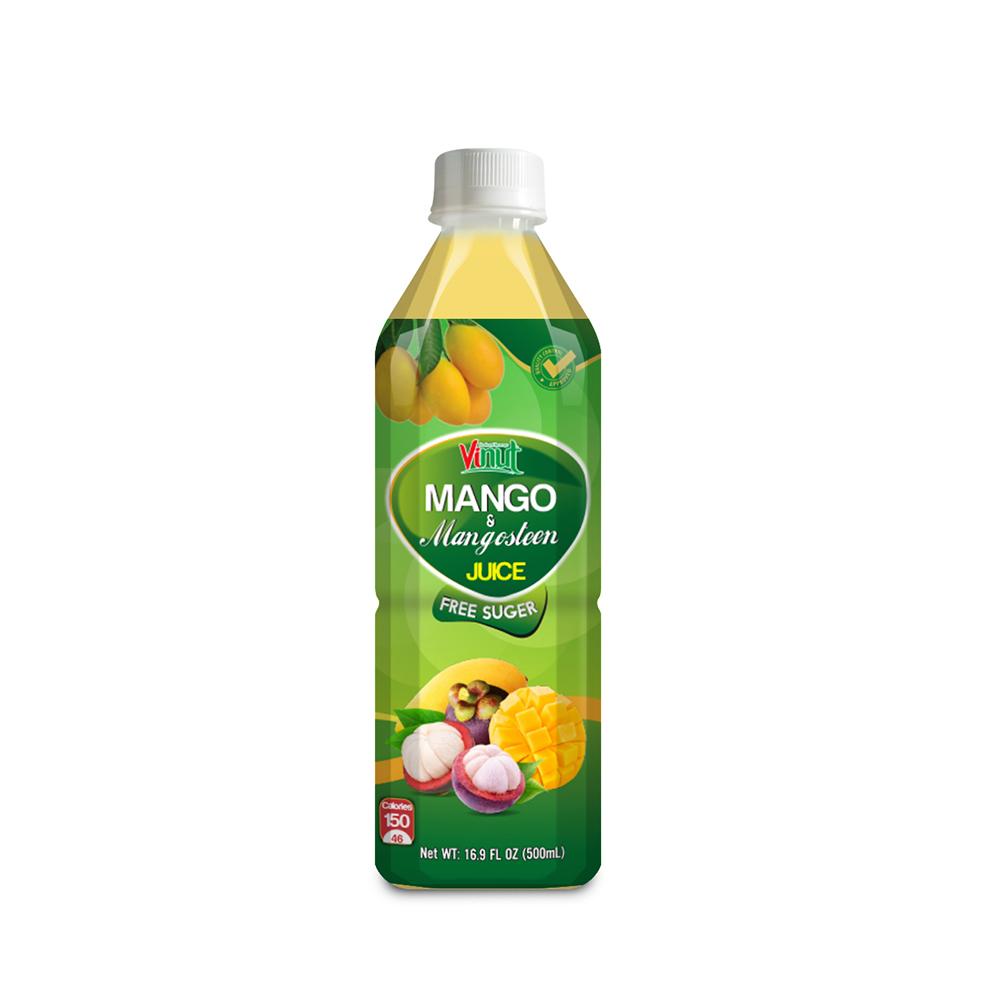
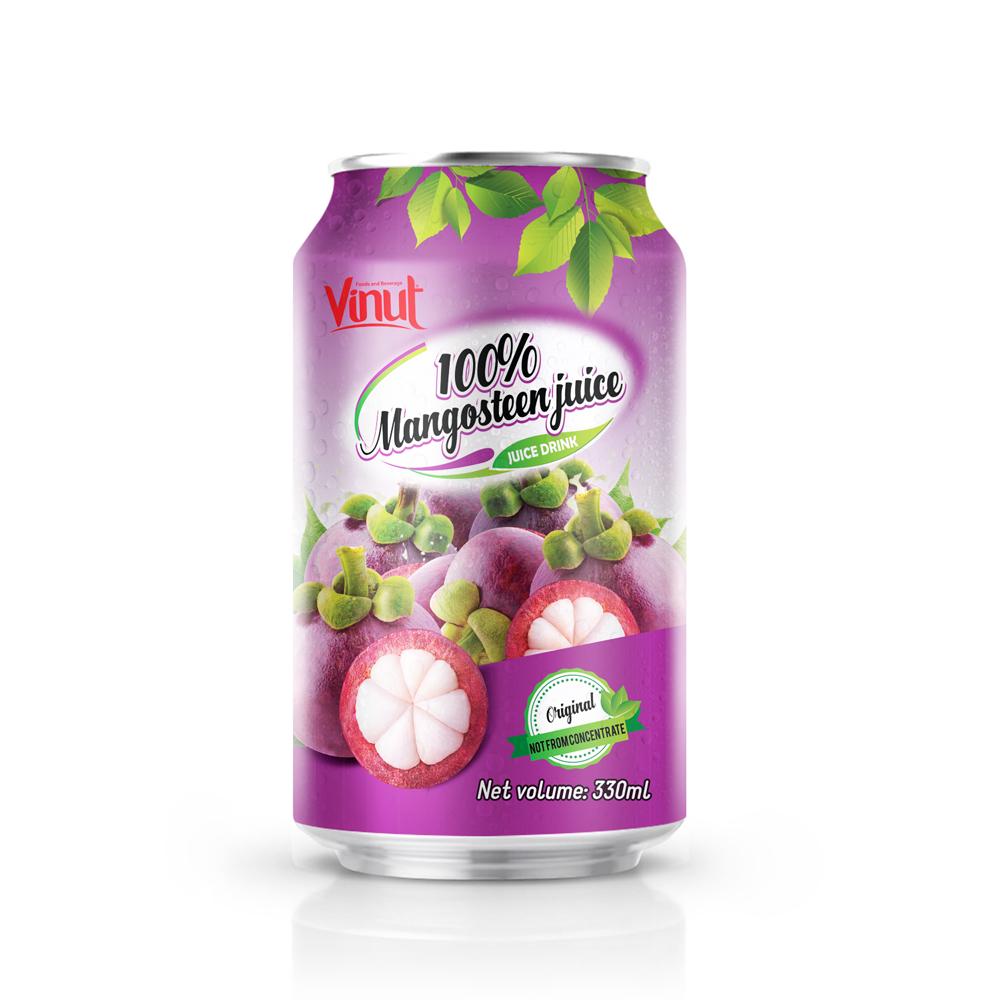
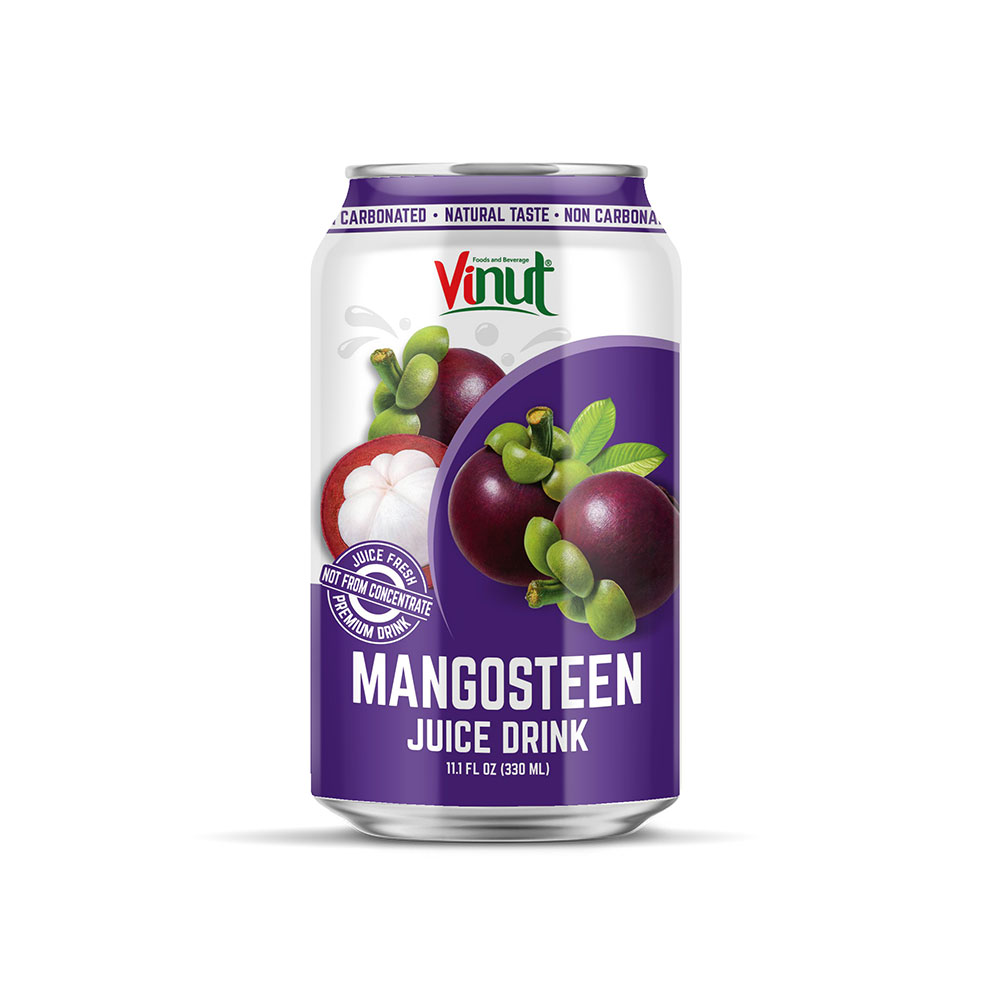
VINUT products
Explore related drinks
View ingredients, sizes and packaging.
FAQ
What is mangosteen with collagen?
It is generally a beverage, powder, or supplement combining mangosteen-derived ingredients with collagen or hydrolyzed collagen peptides.
What are the benefits of mangosteen with collagen?
Collagen has been studied in relation to skin and joint health, while mangosteen provides fruit-derived plant compounds. The benefits depend on the formulation and should not be interpreted as disease treatment.
Does mangosteen naturally contain collagen?
No. Mangosteen does not naturally contain collagen. Collagen in these products is an added ingredient.
About this article
The VINUT editorial team publishes articles about beverage ingredients, product characteristics, and practical information for readers and international buyers.