
Buyer Briefing
5 min read · 1,041 words
Milk tea is a drink made by combining brewed tea with milk and a sweetener, enjoyed in cultures from China to Taiwan to England for centuries. The most popular global variation is bubble tea (boba tea), which adds chewy tapioca pearls and originated in Taiwan in the 1980s. Other well-known types include chai latte, Hong Kong milk tea, and classic milk tea, each varying by tea base, milk type, and added mix-ins.
- Milk tea combines brewed tea with milk and a sweetener, with roots in China, India, Taiwan, and England.
- Bubble tea (boba) is the most popular global variation, originating in Taiwan in the 1980s.
- Main types include Classic Milk Tea, Bubble Tea, Chai Latte, and Hong Kong Milk Tea.
- Ready-to-drink (RTD) bubble milk tea is expanding the category into retail and export markets, backed by longer shelf life and international certifications.
Listen to the article summary
AI-generated voice · English · 2:47
Read transcript
Milk tea, a beloved beverage originating from the East, has become one of the fastest-growing beverage categories globally. This delightful concoction, enjoyed hot or cold, finds its roots in various cultures across China, India, Taiwan, and England, all sharing a common appreciation for the fusion of tea and milk. Among its many forms, Taiwanese milk tea, widely known as bubble tea or boba tea, has garnered a dedicated worldwide following. Originating in Taiwan in the 1980s, this unique variation incorporates chewy tapioca pearls, which complement the creamy tea base. Bubble tea has evolved into a customizable treat, now available not only freshly made in shops but also as a shelf-stable, ready-to-drink product for retail and export. The preparation of milk tea involves several key steps. It begins with the selection of tea leaves, commonly black tea for its robust flavor, but also green, oolong, or herbal infusions. The chosen leaves are then brewed to extract their flavors, with brewing time and water temperature adjusted to the tea type. Following this, milk and sweeteners are added; milk options range from whole and condensed milk to non-dairy alternatives, while sweeteners like sugar or honey are used to balance the tea's natural bitterness. Optional additions, such as tapioca pearls, flavored jellies, or fruit bits, further enhance the experience. Beyond bubble tea, other popular types include Classic Milk Tea, a simple combination of tea and milk; Chai Latte, an aromatic blend of black tea, milk, and warming spices like cinnamon and cardamom; and Hong Kong Milk Tea, known for its smoothness and strong flavor, traditionally filtered through a cloth bag and finished with evaporated or condensed milk. For businesses, ready-to-drink (RTD) bubble milk tea is a significant development, solving challenges related to preparation time and shelf life. VINUT, for instance, offers RTD bubble milk tea produced under international certifications like BRC, HACCP, and HALAL, with an 18–24 month shelf life, making it easier to stock, ship, and sell globally without compromising authentic taste. Ultimately, milk tea has transcended being just a beverage; it has become a cultural phenomenon, fostering communities of enthusiasts and serving as a social ritual that brings people together.
Milk tea, a beloved beverage originating from the East, has taken the world by storm with its exquisite combination of tea and creamy goodness. Whether enjoyed hot or cold, freshly brewed or ready-to-drink, this delightful concoction has captured the hearts and taste buds of millions — and it's now one of the fastest-growing beverage categories for retailers and importers worldwide.
In this article, VINUT explores the origins of milk tea, its most popular varieties, how it's made, and the trends shaping its global market.
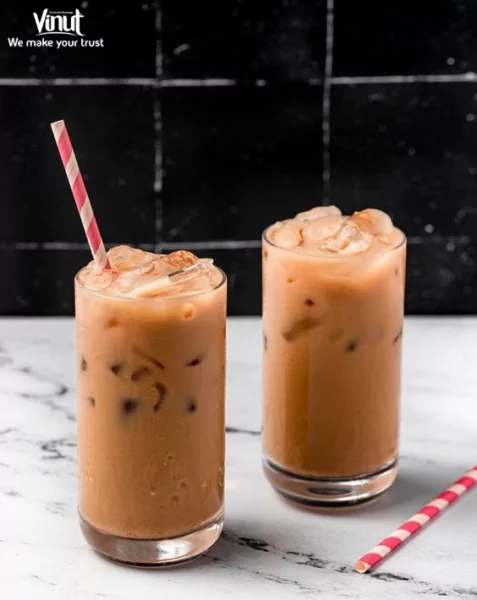
VINUT_Milk Tea
1. The Origins of Milk Tea
Milk tea finds its roots in various cultures across the globe. It has been a cherished beverage in countries like China, India, Taiwan, and England for centuries. While each culture has its own take on milk tea, they all share a common love for the combination of tea and milk.
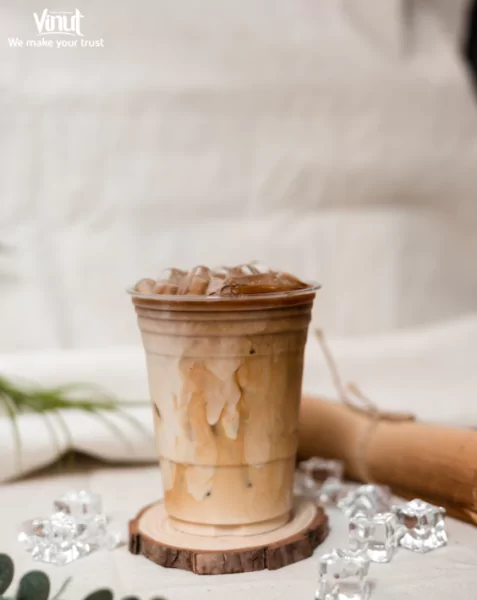
VINUT_Milk tea finds its roots in various cultures across the globe
Taiwanese milk tea, better known as bubble tea or boba tea, has garnered a dedicated following worldwide. Originating in Taiwan in the 1980s, this unique variation includes tapioca pearls, creating a chewy texture that complements the creamy tea base. With a wide range of flavors and toppings available, bubble tea has evolved into a customizable treat loved by people of all ages — and today it's produced not just fresh in tea shops, but also as a shelf-stable ready-to-drink bubble milk tea for retail and export.
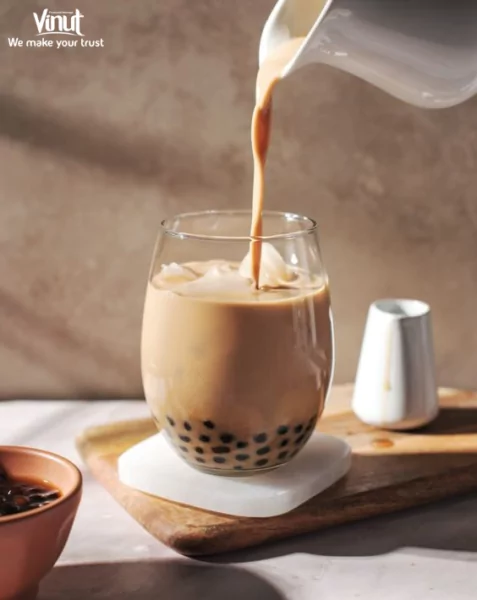
VINUT_Taiwanese milk tea, also known as “bubble tea” or “boba tea
2. The Art of Milk Tea Preparation
2.1 Tea Selection
The foundation of milk tea lies in the choice of tea leaves. While black tea is commonly used due to its robust flavor, variations can include green tea, oolong tea, or even herbal infusions. The selection of tea influences the overall taste and character of the milk tea.
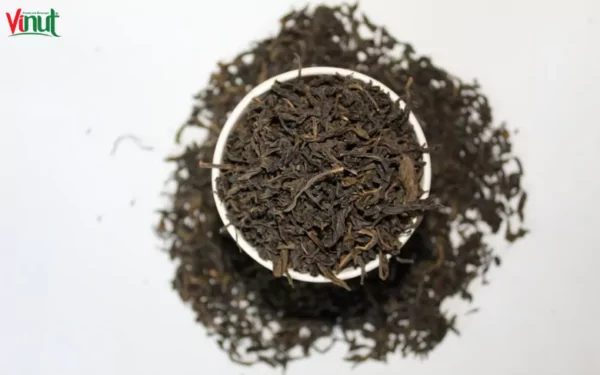
VINUT_Tea Selection
2.2 Brewing the Tea
Once the tea leaves are chosen, they are brewed to extract their flavors. This can be done through traditional methods such as steeping loose leaves or using tea bags. The brewing time and water temperature depend on the type of tea used, ensuring optimal taste and aroma.
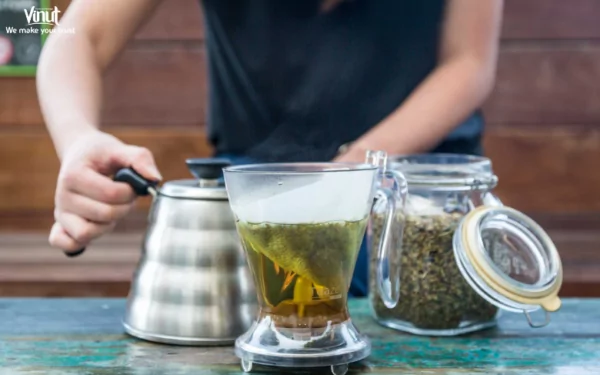
VINUT_Brewing the Tea
2.3 Milk and Sweeteners
After the tea is brewed, it’s time to add the milk and sweeteners. The choice of milk can vary, including options like whole milk, condensed milk, evaporated milk, almond milk, or even non-dairy alternatives. The milk provides a creamy texture and complements the tea’s flavors. Sweeteners like sugar, honey, or syrups are added according to personal preference, striking a balance between sweetness and the natural bitterness of the tea.
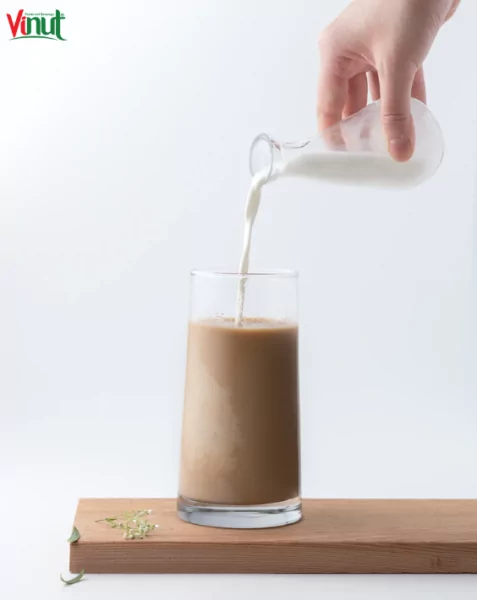
VINUT_Milk and Sweeteners
2.4 Optional Additions
To elevate the milk tea experience, many variations include additional ingredients. Tapioca pearls, as mentioned earlier, are a popular choice, creating a unique texture and an element of surprise. Other additions can include flavored jellies, fruit bits, grass jelly, or even ice cream. These extras bring a burst of excitement to every sip.
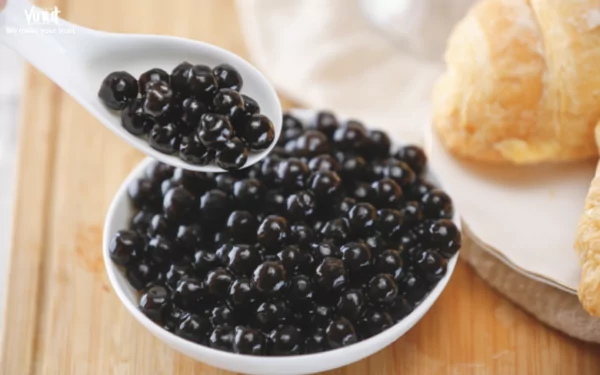
VINUT_Optional Additions
3. What Are the Most Popular Types of Milk Tea?
The most popular types of milk tea are:
Classic Milk Tea — the simple, original combination of tea and milk
Bubble Tea (Boba Tea) — milk tea with chewy tapioca pearls, originating in Taiwan
Chai Latte — black tea, milk, and warming spices like cinnamon and cardamom
Hong Kong Milk Tea — a strong, cloth-filtered tea finished with evaporated or condensed milk
3.1 Classic Milk Tea
The classic milk tea showcases the fundamental combination of tea and milk. With its velvety texture and comforting flavors, it serves as a perfect introduction to the world of milk tea. The balance between the richness of the milk and the boldness of the tea makes it a timeless favorite.
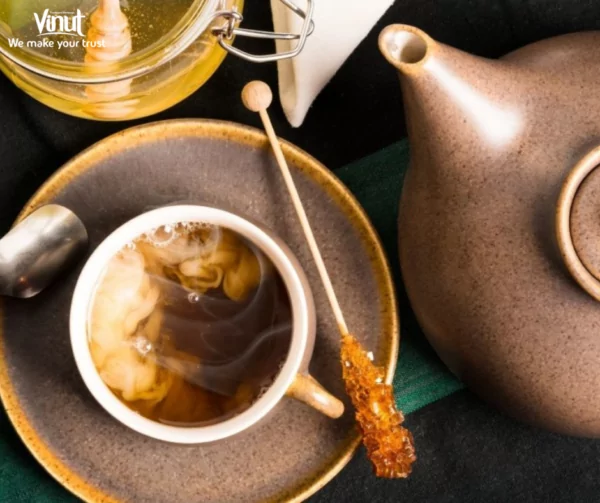
VINUT_Classic Milk Tea
3.2 Bubble Tea
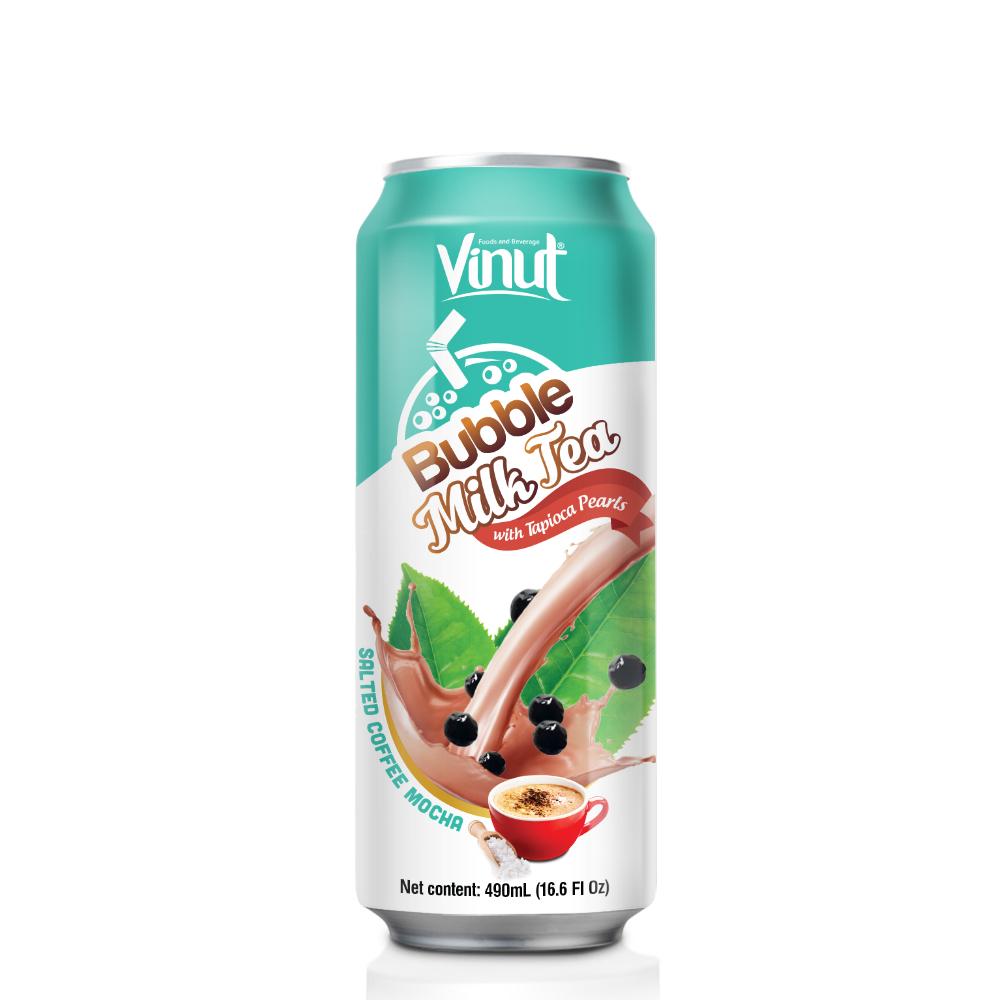
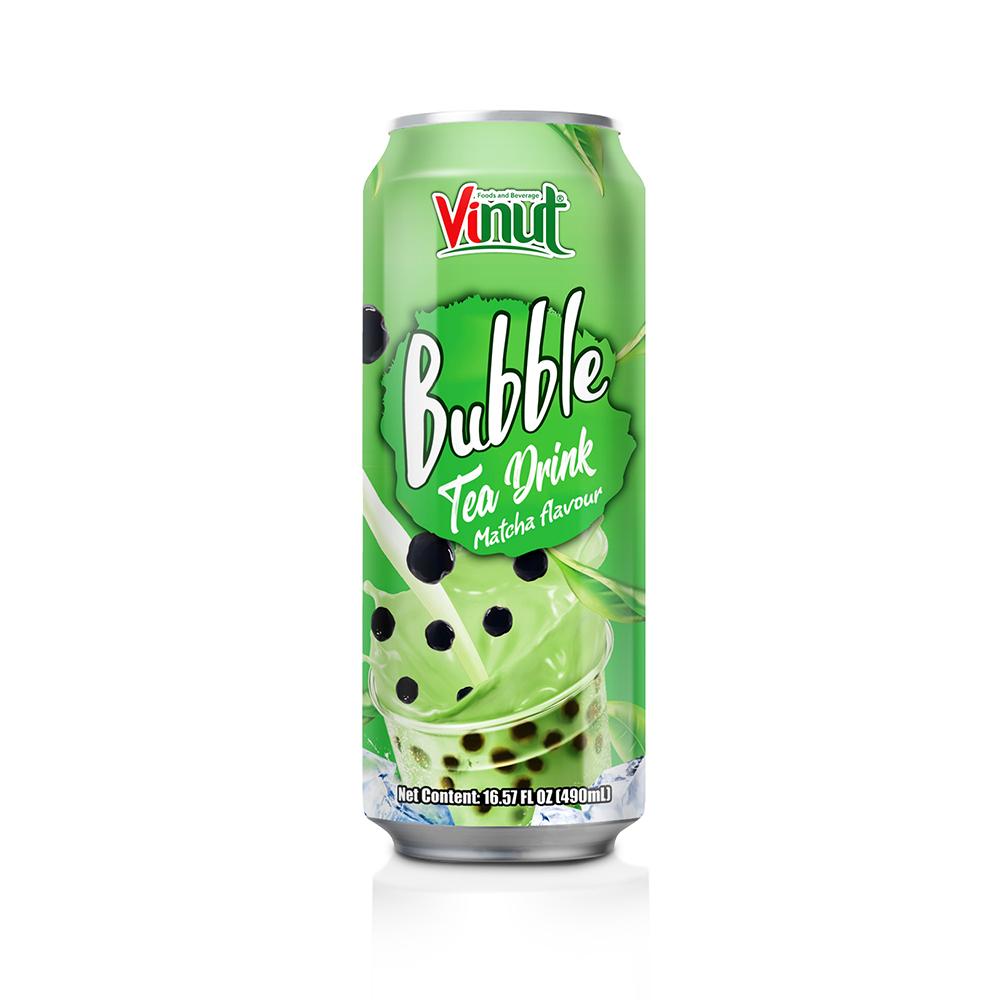
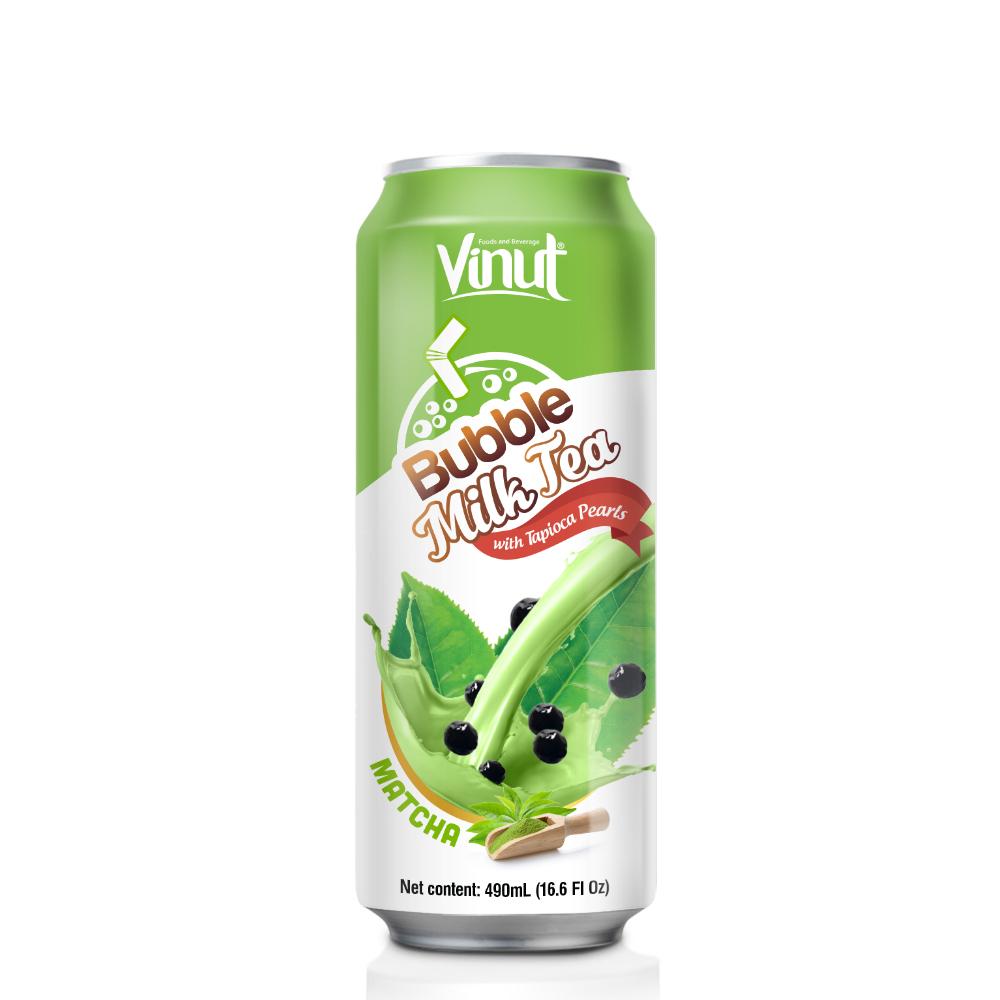
Originating in Taiwan, bubble tea has become a global phenomenon, with flavors ranging from mango and lychee to taro and matcha. Tapioca pearls — affectionately called "boba" — add a satisfying chewiness. VINUT offers this classic in ready-to-drink form, including Taro Bubble Milk Tea and Matcha Bubble Milk Tea.
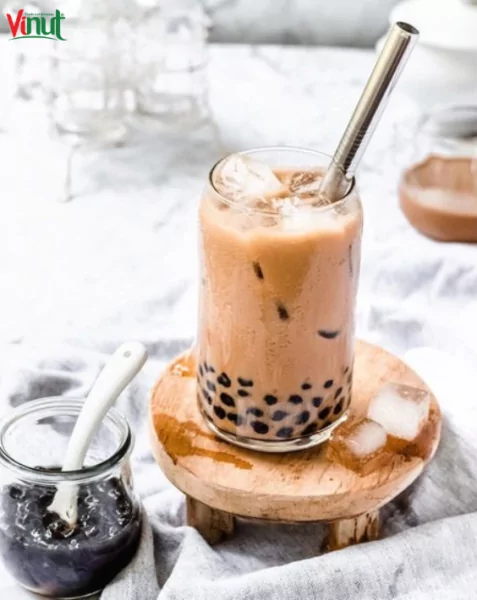
VINUT_Bubble Tea
3.3 Chai Latte
Aromatic and spiced, the chai latte offers a tantalizing blend of tea, milk, and spices. It is typically made with black tea, milk, and a combination of flavorful spices such as cinnamon, cardamom, cloves, and ginger. The resulting beverage is a warming hug for the senses, perfect for chilly days or cozy evenings.
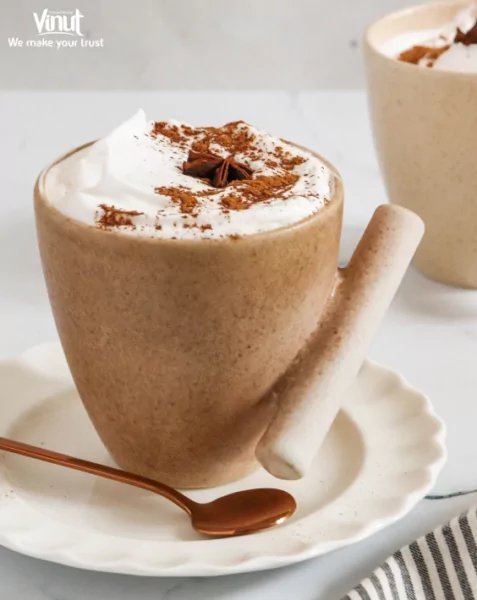
VINUT_Chai Latte
3.4 Hong Kong Milk Tea
Known for its smoothness and strong flavor, Hong Kong milk tea is an integral part of the city’s culinary heritage. It is traditionally made by using a specific cloth bag to filter the tea leaves, resulting in a robust brew. Evaporated or condensed milk is then added to achieve a creamy and indulgent cup of tea.
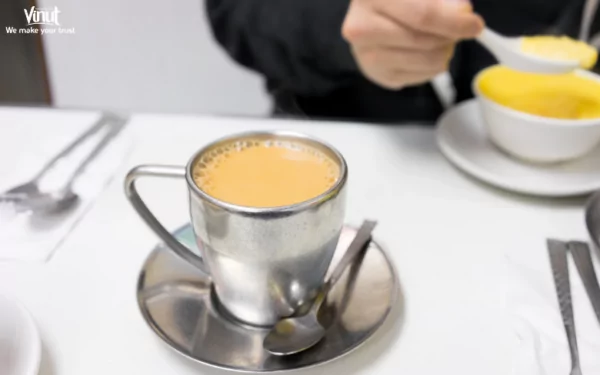
VINUT_Hong Kong Milk Tea
4. Why Businesses Are Turning to Ready-to-Drink Milk Tea
Milk tea has grown from a café specialty into a global retail category. For brands, distributors, and importers, ready-to-drink (RTD) bubble milk tea solves the two biggest barriers to scaling the category: preparation time and shelf life. VINUT's RTD bubble milk tea range is produced under international certifications — including BRC, HACCP, and HALAL — and packaged with an 18–24 month shelf life, making it easier to stock, ship, and sell across markets without sacrificing the authentic taste of a freshly made cup. Explore the full bubble milk tea product line or request a catalog to see options for your market.
5. The Milk Tea Culture
It has evolved into more than just a beverage; it has become a cultural phenomenon that transcends borders. It has gained a dedicated following, with countless tea shops and cafes offering a wide array of milk tea options.
Moreover, it has become a social ritual, bringing people together to share conversations, relax, or simply enjoy a moment of respite. It has created communities of milk tea enthusiasts, who gather to appreciate and explore the diverse flavors and variations.
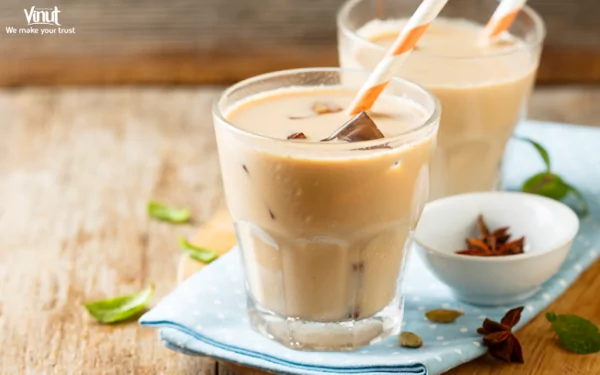
VINUT_The Milk Tea Culture
6. Conclusion
Milk tea, with its rich history, diverse flavors, and comforting combinations, has firmly established itself as a beloved beverage around the world. From its cultural roots in China, India, Taiwan, and England to its modern-day evolution into bubble tea and ready-to-drink formats, milk tea continues to win over new fans — and new markets. For businesses looking to bring this global favorite to their shelves, VINUT's ready-to-drink bubble milk tea offers an authentic taste with the shelf life and certifications needed to scale internationally.
VINUT products
Explore related drinks
View ingredients, sizes and packaging.
FAQ
What is milk tea made of?
Milk tea combines brewed tea (usually black, green, or oolong) with milk and a sweetener. Popular variations add tapioca pearls, fruit jelly, or spices for extra texture and flavor.
What's the difference between milk tea and bubble tea?
Milk tea is the base drink of tea and milk. Bubble tea (also called boba tea) is a specific type of milk tea that adds chewy tapioca pearls, originating in Taiwan in the 1980s.
Is milk tea healthy?
Milk tea in moderation can fit a balanced diet, but sweeteners, creamers, and toppings add sugar and calories, so portion size and ingredient choice matter most.
How long does milk tea stay fresh?
Freshly brewed milk tea is best within a few hours, while ready-to-drink bottled or canned milk tea — like VINUT's — can have a shelf life of 18–24 months unopened.
What milk works best for milk tea?
Whole milk, condensed milk, and evaporated milk give the creamiest result; non-dairy options like oat or almond milk work well for lactose-free or vegan versions.
Where can I buy ready-to-drink bubble milk tea for my business?
VINUT supplies export-ready, ready-to-drink bubble milk tea in bottle and can formats with certifications (BRC, HACCP, HALAL) for distributors and retailers worldwide.
About this article
The VINUT editorial team publishes articles about beverage ingredients, product characteristics, and practical information for readers and international buyers.