Buyer Briefing
4 min read · 854 words
Nata de coco is a chewy, translucent gel made by fermenting coconut water. It's low in calories and a good source of fiber, offering benefits like better digestion and possible cholesterol support, but store-bought versions can be high in added sugar or sodium, and rare cases of sulfite allergy or contamination are possible if not stored properly.
- Nata de coco is fermented coconut water, not a fruit or seaweed extract — its chewy texture comes from bacterial fermentation.
- It's low in calories and a good source of fiber, potassium, calcium, and iron.
- Store-bought nata de coco juice can contain added sugar and sodium — check the label if you're managing either.
- Sulfites used in some brands can trigger allergic reactions in sensitive individuals.
- Buying from a reputable source and refrigerating properly reduces contamination risk, since nata de coco is a fermented product.
Listen to the article summary
AI-generated voice · English · 2:42
Read transcript
Nata de coco juice is a popular, refreshing drink featuring nata de coco, a chewy, translucent, jelly-like ingredient made from fermented coconut water. Originally developed in the Philippines, it's now widely used in juices, teas, and desserts across Southeast Asia and internationally. Nata de coco is created by fermenting coconut water with a specific bacteria culture, which forms a gel-like layer that is then harvested and cut into cubes. Nutritionally, nata de coco itself is naturally low in calories and fat. Its primary contributions are dietary fiber, which supports digestion and can help stabilize blood sugar, and essential minerals like potassium, calcium, and iron. Some research also suggests that its fiber content may help lower LDL cholesterol, and it contains collagen-supporting compounds that could promote healthy skin. However, it's important to note that most commercial nata de coco products add sugar or fruit juice for flavor, which significantly increases their calorie and sugar content. For a lighter, drinkable alternative from the same core ingredient, VINUT's coconut water range is mentioned. While generally safe, there are qualifications to consider. The high sugar content in many commercial juices can lead to excess calorie intake. Due to its high fiber, consuming large amounts of nata de coco, especially if not accustomed to a high-fiber diet, may cause digestive discomfort or bloating. Some brands use sulfites as a preservative, which can trigger allergic reactions in sensitive individuals. Additionally, certain brands may add sodium, and as a fermented product, there's a potential for bacterial contamination if not prepared, packaged, or stored correctly. Buying from reputable brands and refrigerating opened products helps minimize this risk. When comparing nata de coco to other chewy drink add-ins like boba or aloe vera bits, nata de coco is distinguished by its origin from fermented coconut water and its firm, slightly springy texture. Boba is made from tapioca starch, and aloe vera bits from the aloe vera plant gel, each offering different textures and nutritional profiles. Ultimately, nata de coco juice offers a satisfying combination of texture and nutrition, providing fiber and minerals in a low-calorie base, provided consumers are mindful of added sugars and sodium in store-bought versions.
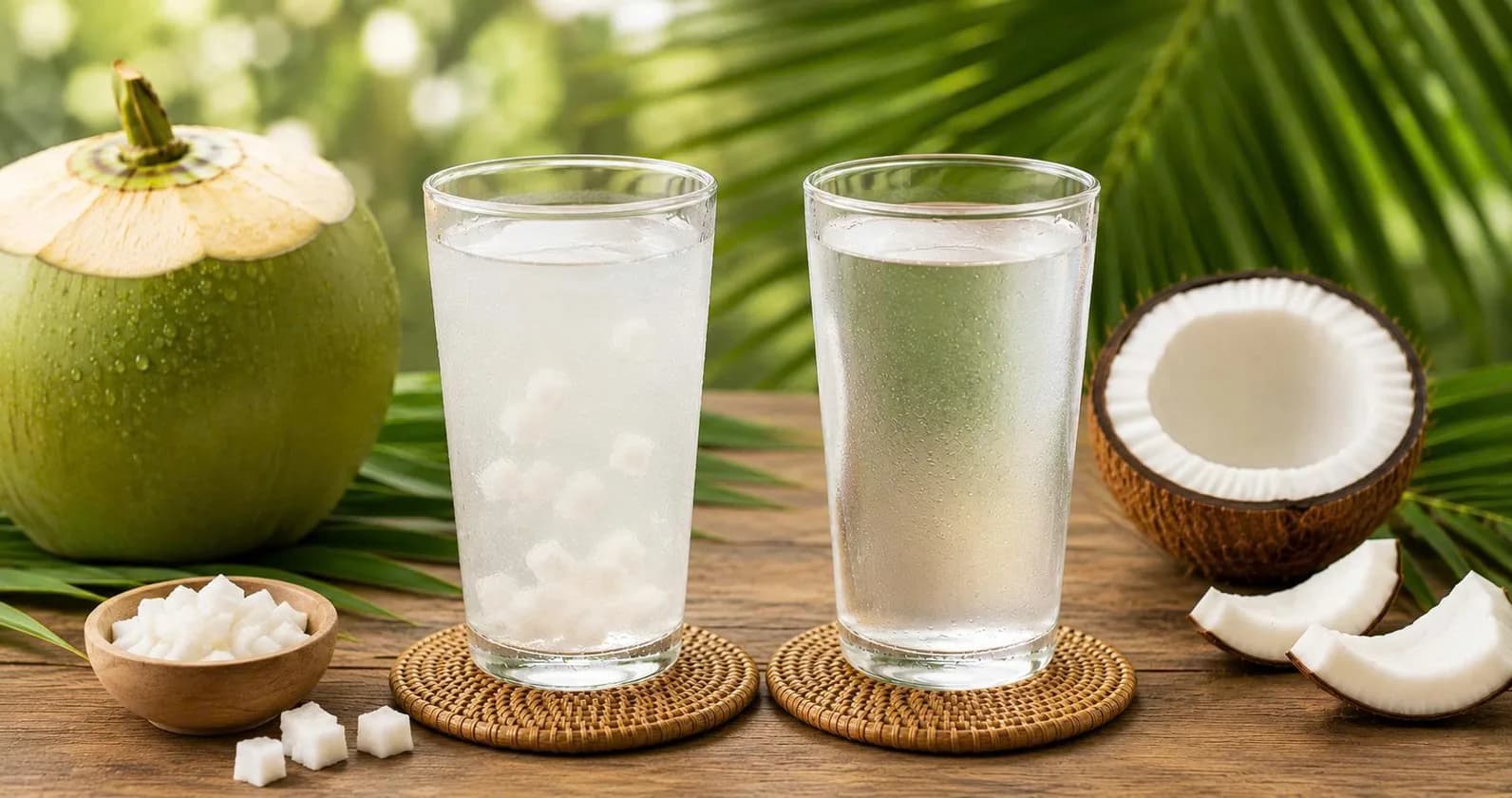
Nata de coco juice is a refreshing drink built around nata de coco — a chewy, translucent, jelly-like ingredient made from fermented coconut water. It's become a popular add-in for juices, teas, and desserts across Southeast Asia and beyond, prized as much for its satisfying texture as its nutritional profile. But like most fermented, packaged drinks, it comes with a few things worth knowing before you make it a daily habit. This guide covers what nata de coco actually is, its key benefits, potential side effects, and how it compares to other popular "chewy drink" ingredients like boba and aloe vera bits.
1. What Is Nata de Coco?
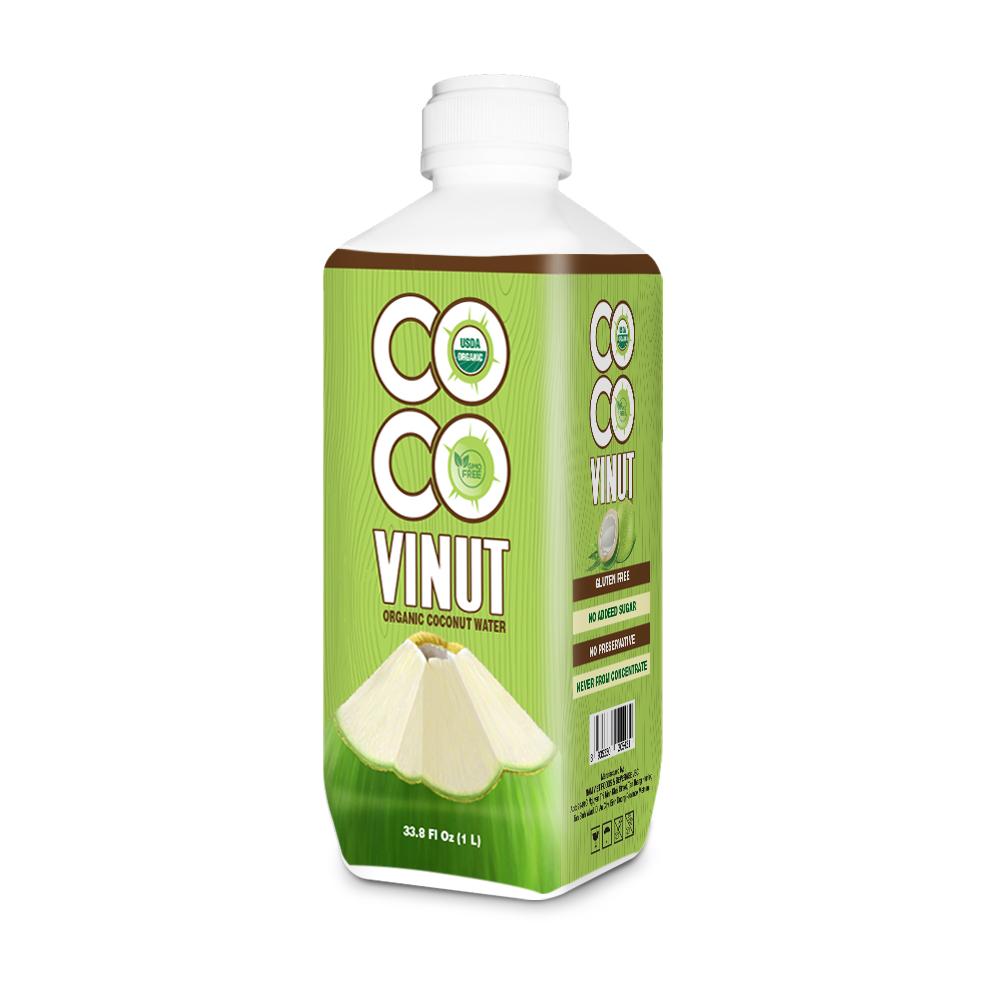
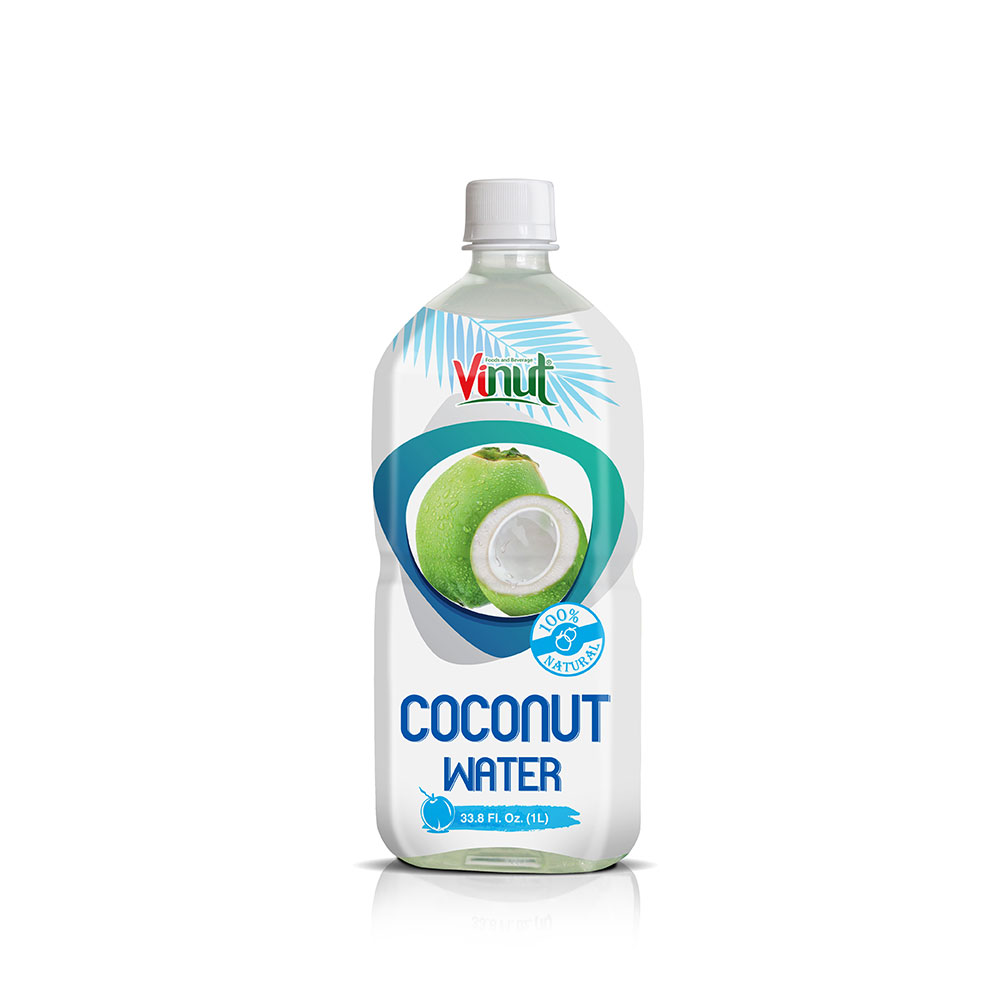
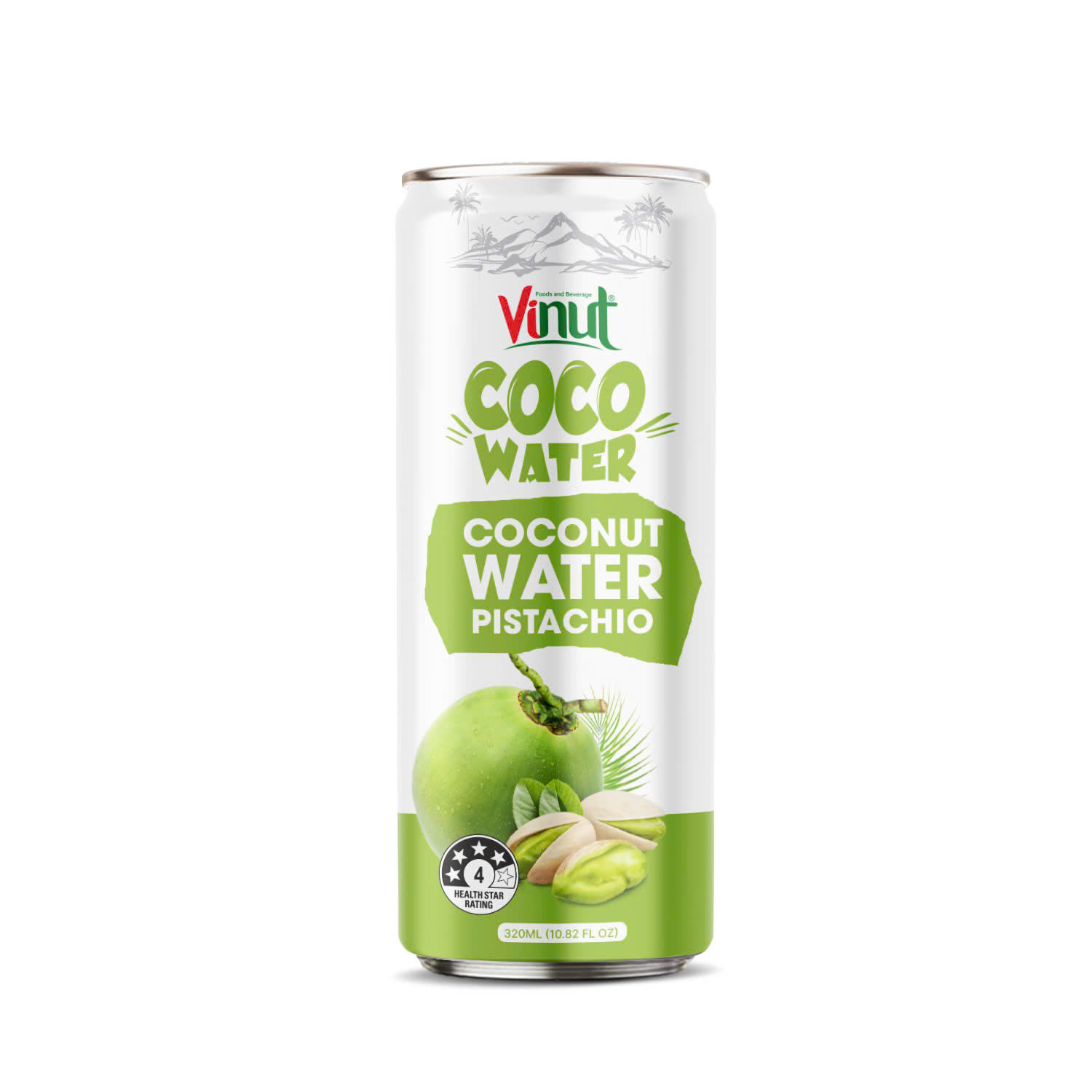
Nata de coco is made by fermenting coconut water with a specific bacteria culture (Komagataeibacter xylinus), which produces a firm, gel-like layer on the surface of the liquid over several days. That layer is harvested, cut into small cubes, and typically packed in syrup or blended into juice, giving it its signature chewy, slightly springy bite. Originally developed in the Philippines, nata de coco has since become a popular ingredient across Southeast Asia and in international bubble tea and dessert culture. If you enjoy the coconut base but want it in liquid form instead, VINUT's coconut water range offers a lighter, drinkable alternative made from the same core ingredient.
2. Nata de Coco Nutrition Facts
Nata de coco itself is naturally low in calories and fat, with its main nutritional contribution coming from fiber and a handful of minerals:
Nutrient | Notes |
|---|---|
Calories | Low — most calories in packaged products come from added syrup or sugar |
Fiber | Good source; supports digestion |
Potassium | Present, supports fluid balance |
Calcium | Present, supports bone health |
Iron | Present in smaller amounts |
Sugar | Varies widely by brand — check the label |
Because nata de coco on its own is fairly neutral in flavor, most commercial products add sugar or fruit juice for taste — which is where the nutritional profile can shift significantly from bottle to bottle.
3. Benefits of Nata de Coco Juice
3.1 High in Fiber
Nata de coco is a good source of dietary fiber, which helps promote healthy digestion and can support more stable blood sugar levels by slowing how quickly sugar is absorbed into the bloodstream.
3.2 Low in Calories
On its own, nata de coco is a low-calorie ingredient, which can make it a satisfying, low-calorie addition to a drink if you're managing weight or looking for lighter snack and drink options — just be mindful of added sugar in flavored versions.
3.3 Rich in Vitamins and Minerals
Nata de coco contains a variety of essential minerals, including potassium, calcium, and iron, which support fluid balance, bone health, and overall cellular function.
3.4 May Promote Healthy Skin
Nata de coco is a source of collagen-supporting compounds, which may help maintain skin elasticity and could contribute to a reduced appearance of fine lines over time as part of an overall balanced diet.
3.5 May Help Lower Cholesterol
Some research suggests that dietary fiber sources like nata de coco may help lower LDL ("bad") cholesterol levels, which could contribute to better heart health over the long term when combined with an overall healthy diet.
4. Side Effects of Nata de Coco Juice
4.1 High Sugar Content
Many commercial nata de coco juices contain added sugars to balance out the ingredient's neutral flavor, which can contribute to excess calorie intake and other health issues if consumed frequently in large amounts.
4.2 May Cause Digestive Issues
Because nata de coco is high in fiber, consuming large amounts at once — especially if your body isn't used to a high-fiber diet — can cause bloating or digestive discomfort.
4.3 May Contain Sulfites
Some brands use sulfites as a preservative in nata de coco juice, which can trigger allergic reactions in sulfite-sensitive individuals, including respiratory symptoms in more severe cases.
4.4 May Be High in Sodium
Certain brands add sodium as part of the preservation or flavoring process, which is worth checking on the label if you're managing blood pressure or sodium intake.
4.5 Potential for Contamination
As a fermented product, nata de coco carries some risk of bacterial contamination if it isn't prepared, packaged, or stored correctly. Buying from a reputable brand and refrigerating opened products helps minimize this risk.
5. Nata de Coco vs. Boba vs. Aloe Vera Bits
If you're comparing "chewy drink add-ins," here's how the three most common options stack up:
Nata de Coco | Boba (Tapioca Pearls) | Aloe Vera Bits | |
|---|---|---|---|
Made from | Fermented coconut water | Tapioca starch | Aloe vera plant gel |
Texture | Firm, chewy, slightly springy | Soft, chewy, sticky | Soft, slippery, gel-like |
Calories | Low (plain) | Higher (often cooked in sugar syrup) | Low |
Fiber | Good source | Minimal | Minimal |
Common uses | Juices, desserts, fruit cups | Bubble tea | Drinks, desserts, skincare products |
Each brings its own texture and nutritional profile to a drink, so the "best" choice really comes down to personal preference and what you're looking to get out of your beverage — texture, fiber, or a lighter calorie profile.
6. Conclusion
Nata de coco juice offers a genuinely satisfying combination of texture and nutrition — a good source of fiber and minerals in a low-calorie package, as long as you keep an eye on added sugar and sodium in store-bought versions. Whether you're drawn to its chewy bite or its fiber content, it's a worthwhile addition to a varied, balanced diet. If you'd rather enjoy the same coconut base in a lighter, drinkable form, explore VINUT's coconut water range, or browse the full beverage catalog for more options.
VINUT products
Explore related drinks
View ingredients, sizes and packaging.
FAQ
What is nata de coco made of?
Nata de coco is made by fermenting coconut water with a specific bacteria culture, which produces a chewy, translucent gel that's then cut into cubes and typically sweetened or added to juice.
Is nata de coco good for digestion?
Yes, nata de coco is a good source of dietary fiber, which can support healthy digestion, though consuming large amounts at once may cause digestive discomfort.
Does nata de coco have side effects?
For most people, nata de coco is safe to eat, but possible side effects include digestive discomfort from excess fiber, allergic reactions to sulfites in some products, and contamination risk if not stored properly.
Is nata de coco juice high in sugar?
It can be, since many commercial nata de coco juices contain added sugar. Checking the nutrition label or choosing an unsweetened version can help you manage sugar intake.
How is nata de coco different from boba or aloe vera bits?
Nata de coco is a fermented coconut water gel with a firmer, chewier bite, while boba pearls are made from tapioca starch and aloe vera bits come from the aloe plant's gel — each has a distinct texture and nutritional profile.
About this article

The VINUT editorial team publishes articles about beverage ingredients, product characteristics, and practical information for readers and international buyers.