
Buyer Briefing
7 min read · 1,420 words
Noni juice benefits may come from its naturally occurring antioxidants and plant compounds. Research has explored its potential effects on oxidative stress, inflammation, cardiovascular markers, immune function, and digestion. However, evidence for many specific health benefits remains limited, and people with certain health conditions or medication concerns should seek professional advice before consuming it regularly.
- Noni juice is made from the fruit of Morinda citrifolia.
- Noni contains naturally occurring antioxidants and plant compounds.
- Research has explored potential antioxidant and anti-inflammatory effects.
- Evidence for many specific noni health benefits remains limited.
- Noni can contain considerable potassium.
- People with kidney or liver conditions should exercise caution.
- Noni products may interact with certain medications.
- Daily consumption depends on serving size, product formulation, and individual health.
Listen to the article summary
AI-generated voice · English · 2:24
Read transcript
Noni juice, made from the fruit of the *Morinda citrifolia* tree, is a tropical beverage gaining popularity for its naturally occurring plant compounds and nutrients. Traditionally used in Southeast Asia and the Pacific Islands, it's consumed on its own or blended with other juices due to its strong, bitter flavor. Research has explored several potential health effects, though evidence in humans remains limited for many proposed benefits. Noni juice is best viewed as part of a varied diet rather than a treatment for health conditions. It provides antioxidant compounds like iridoids and phenolic compounds, which help protect cells from oxidative stress. Early research also suggests it may support a healthy inflammatory response and normal immune function, though these findings don't mean it can prevent or treat infections. Some studies have investigated its relationship with cardiovascular markers and digestive health, but evidence is insufficient to conclude it can prevent cardiovascular disease, and responses for digestive wellness can vary. While many adults can consume noni juice, it's important to be aware of possible side effects and who should exercise caution. Rare reports of liver injury have been associated with noni products, so individuals with existing liver conditions should be cautious. Allergic reactions, such as itching or digestive discomfort, are also possible. Noni can contain significant amounts of potassium, which is a concern for people with kidney disease or those needing to restrict dietary potassium. Furthermore, noni juice may interact with certain medications, particularly those affecting potassium levels, blood pressure, blood clotting, or liver function. Therefore, people with kidney or liver conditions, pregnant or breastfeeding individuals, those taking specific medications, or anyone with a known noni allergy should consult a healthcare professional before regular consumption. For healthy adults, daily consumption depends on the product, serving size, and individual health. It's recommended to follow manufacturer guidelines, avoid excessive amounts, and stop use if unusual symptoms occur. Noni's distinctive taste can be made more approachable by blending it with other fruit juices or adding it to smoothies.
Noni juice benefits have attracted attention as this tropical beverage becomes increasingly popular among people interested in natural foods and wellness. Made from the fruit of Morinda citrifolia, noni juice contains several naturally occurring plant compounds and nutrients.
Noni has a long history of traditional use in tropical regions, particularly across Southeast Asia and the Pacific Islands. Today, its juice is consumed on its own or incorporated into different beverage products.
But what are the potential benefits of noni juice? Are there any side effects, and is it safe to drink every day? This guide explores what you should know before adding noni juice to your diet.
I/ What Is Noni Juice?
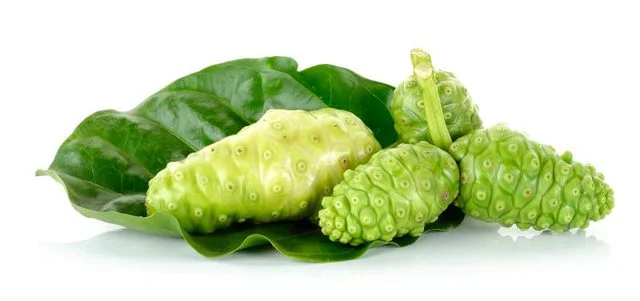
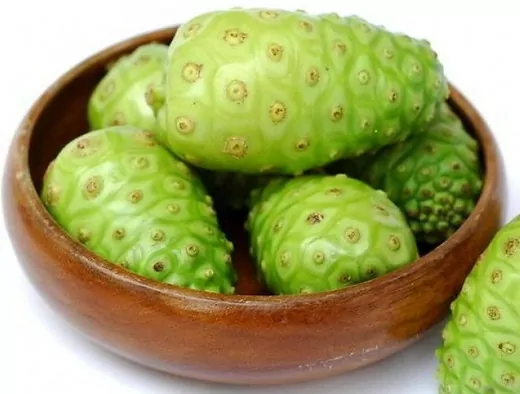
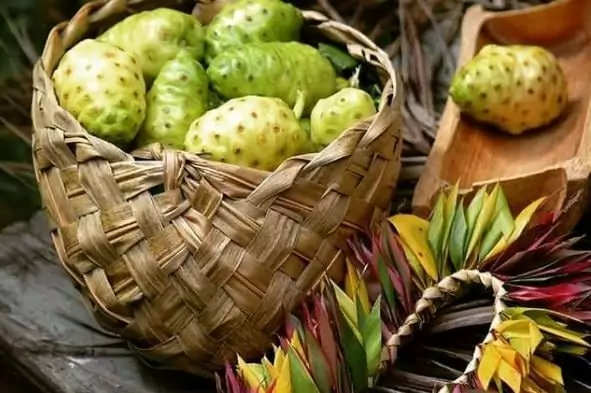
Noni juice is made from the fruit of the noni tree (Morinda citrifolia), a tropical plant that grows across Southeast Asia, Polynesia, Australia, and other warm regions.
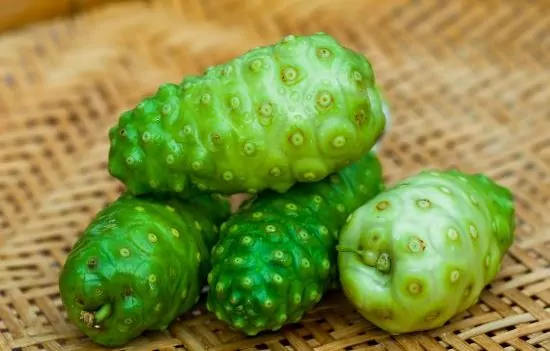
The mature fruit has a distinctive appearance, strong aroma, and bitter flavor. Because of its intense taste, noni juice is sometimes blended with other fruit juices to create a more approachable flavor profile.
Noni contains naturally occurring compounds such as iridoids, phenolic compounds, and other antioxidants. However, its exact nutritional profile can vary depending on the fruit, processing method, and final beverage formulation.
II/ What Are the Potential Noni Juice Benefits?
Research has examined noni fruit and juice for several potential health effects. However, evidence in humans remains limited for many proposed benefits.
For this reason, noni juice is better viewed as part of a varied diet rather than a treatment for health conditions.
1. Provides Antioxidant Compounds
One of the most frequently discussed noni juice benefits is its antioxidant content.
Noni contains several naturally occurring plant compounds, including iridoids and phenolic compounds. Antioxidants help protect cells against oxidative stress caused by free radicals.
Research has investigated the antioxidant activity of noni. However, the amount and composition can vary between different noni juice products.
2. May Support a Healthy Inflammatory Response
Certain compounds found in noni have also been investigated for their potential anti-inflammatory properties.
Inflammation is part of the body's normal immune response. However, prolonged inflammation is associated with several health conditions.
Early research suggests that compounds found in noni may influence inflammatory pathways. More human research is needed before specific therapeutic benefits can be established.
3. May Support Normal Immune Function
Noni fruit contains nutrients and plant compounds that may contribute to a balanced diet.
Some laboratory studies have also investigated noni for potential antimicrobial and immune-related activity. However, these findings do not mean that drinking noni juice can prevent or treat infections.
A healthy immune system depends on many factors, including overall nutrition, physical activity, sleep, and general health.
4. May Support Cardiovascular Health
Researchers have explored the relationship between noni consumption and several cardiovascular markers.
Some studies have investigated factors such as cholesterol, triglycerides, and oxidative stress. However, evidence remains insufficient to conclude that noni juice can prevent cardiovascular disease.
For heart health, noni juice should complement rather than replace established healthy habits. These include a balanced diet, regular physical activity, and appropriate medical care.
5. May Support Digestive Health
Noni has traditionally been used in some cultures for digestive wellness.
The fruit contains naturally occurring plant compounds that have been studied for their potential effects on the digestive system.
However, responses can vary between individuals. Drinking too much noni juice may also cause digestive discomfort in some people.
III/ What Are the Possible Side Effects of Noni Juice?
Although noni juice can be consumed by many adults, natural does not automatically mean risk-free.
The appropriate amount can depend on the product, concentration, individual health status, and medications being taken.
1. Liver Health Concerns
Rare reports of liver injury have been associated with noni products. The relationship between noni and these cases is complex, and a direct cause has not always been established.
Nevertheless, people with existing liver conditions should be particularly cautious about concentrated noni products.
Anyone experiencing unusual symptoms after consuming noni juice should stop using it and seek appropriate medical advice.
2. Possible Allergic Reactions
As with many plant-based foods, some individuals may experience an allergic reaction after consuming noni.
Possible symptoms may include itching, swelling, rash, or digestive discomfort. Severe symptoms, especially difficulty breathing, require immediate medical attention.
Anyone with a known noni allergy should avoid the fruit and products containing it.
3. High Potassium Content
Noni can contain significant amounts of potassium. While potassium is an essential mineral, excessive intake can be a concern for certain people.
Individuals with kidney disease or those who need to restrict dietary potassium should discuss noni juice with a healthcare professional before consuming it regularly.
4. Potential Medication Interactions
Noni juice may not be appropriate with certain medications.
People taking medicines that affect potassium levels, blood pressure, blood clotting, or liver function should seek professional advice before regularly consuming concentrated noni products.
This is especially important when noni is used as a supplement rather than as an occasional beverage.
IV/ Who Should Avoid Noni Juice?
Certain groups should exercise additional caution when considering noni juice.
1. People With Kidney Conditions
Because noni may contain considerable potassium, it may not be suitable for people who need to control their potassium intake.
People with chronic kidney disease should follow the dietary recommendations provided by their healthcare team.
2. People With Liver Conditions
Individuals with liver disease or a history of liver problems should seek medical advice before consuming noni juice or concentrated noni supplements.
This precaution is particularly important because rare liver-related adverse events have been reported.
3. Pregnant or Breastfeeding Individuals
Safety information regarding concentrated noni products during pregnancy and breastfeeding is limited.
For this reason, pregnant or breastfeeding individuals should consult a qualified healthcare professional before using noni juice regularly or taking concentrated noni supplements.
4. People Taking Certain Medications
If you take prescription medication, check for possible interactions before making noni juice a regular part of your diet.
This is particularly relevant for medicines that affect potassium, blood pressure, blood clotting, kidney function, or liver function.
5. People With a Known Noni Allergy
Anyone who has previously experienced an allergic reaction to noni should avoid noni juice.
Having an allergy to another tropical fruit does not automatically mean someone is allergic to noni. This should be evaluated individually rather than assumed.
V/ Can You Drink Noni Juice Every Day?
For healthy adults, whether noni juice is appropriate for daily consumption depends on the product, serving size, overall diet, and individual health status.
There is no need to consume large quantities to obtain nutritional value. More is not necessarily better.
If you choose to drink noni juice regularly:
Follow the manufacturer's recommended serving size.
Check the ingredient list for added sugars and other ingredients.
Avoid excessive consumption.
Consider your total dietary potassium intake.
Stop consuming it if you experience unusual symptoms.
Consult a healthcare professional if you take medication or have an existing health condition.
Packaged noni beverages can vary significantly. Some products contain primarily noni juice, while others are blends containing additional fruit juices, sweeteners, or other ingredients.
Checking the nutrition and ingredient labels is therefore important.
VI/ How Can You Add Noni Juice to Your Diet?
Noni has a distinctive flavor and aroma that may be difficult for some people to enjoy on its own.
There are several simple ways to incorporate it into your diet.
Drink It in Small Servings
Start with a small serving to become familiar with its distinctive taste.
Follow the serving guidance provided on packaged products rather than assuming that larger amounts offer greater benefits.
Combine It With Other Fruit Flavors
Noni's strong flavor can be balanced with naturally sweeter or more acidic fruits.
It can be paired with flavors such as:
Pineapple
Mango
Passion fruit
Orange
Apple
Lemon or lime
Add It to Smoothies
A small amount of noni juice can also be blended with fruit, yogurt, plant-based beverages, or ice.
This approach can make its strong flavor more approachable while creating a refreshing tropical beverage.
VII/ Is Noni Juice Right for Everyone?
No single beverage is appropriate for every person.
Noni juice can contribute plant compounds to the diet, but it should not be considered a cure or treatment for medical conditions.
People who are healthy and enjoy noni may choose to consume it in moderation. Those with kidney or liver conditions, medication concerns, allergies, or other medical considerations should seek individualized guidance.
The most important factors are the amount consumed, the formulation of the product, and the person's overall health.
VIII/ Conclusion
Noni juice benefits are primarily associated with its naturally occurring antioxidants and other plant compounds. Research has explored its potential effects on oxidative stress, inflammation, cardiovascular markers, immune function, and digestive health.
However, evidence supporting many specific health claims remains limited. Noni juice should therefore be viewed as a food or beverage rather than a medical treatment.
It is also important to consider possible side effects and interactions. People with kidney or liver conditions and those taking certain medications should exercise particular caution.
If noni juice fits your individual needs, moderate consumption can be one way to add a distinctive tropical beverage to a varied and balanced diet.
FAQ
1. What are the main benefits of noni juice?
Noni juice provides naturally occurring plant compounds with antioxidant activity. Research has also explored its potential effects on inflammation, cardiovascular markers, immune function, and digestion, although evidence remains limited for many specific claims.
2. Can I drink noni juice every day?
Some healthy adults may choose to consume noni juice regularly in moderate amounts. Follow the product's serving guidance and consider its ingredients, potassium content, and your individual health needs.
3. What are the possible side effects of noni juice?
Possible concerns include digestive discomfort, allergic reactions, high potassium intake, medication interactions, and rare reports involving liver injury.
4. Who should avoid noni juice?
People with certain kidney or liver conditions, known noni allergies, or relevant medication interactions should seek professional guidance before consuming noni juice.
5. Is noni juice high in potassium?
Noni can contain considerable potassium. People who have been advised to limit potassium, particularly because of kidney disease, should consult their healthcare professional before consuming it regularly.
6. Can noni juice interact with medications?
Potential interactions are possible. People taking medications affecting potassium, blood pressure, blood clotting, kidney function, or liver function should seek professional advice before regular use.
About this article
The VINUT editorial team publishes articles about beverage ingredients, product characteristics, and practical information for readers and international buyers.