Buyer Briefing
3 min read · 646 words
"Product of Vietnam Coconut Water" refers to coconut water manufactured in Vietnam and labeled with Vietnamese origin. For buyers, this indicates product traceability, manufacturer identification, and supports export documentation and compliance with country-of-origin requirements. While origin influences perception, buyers should also evaluate ingredients, nutrition facts, certifications, packaging, shelf life, and export readiness to ensure product quality and market suitability.
- "Product of Vietnam Coconut Water" refers to coconut water manufactured in Vietnam and labeled with Vietnamese origin.
- Origin influences buyer and consumer perception, contributing to raw material stories, taste expectations, and brand positioning, but it is not a guarantee of superior quality.
- Vietnam is recognized as a tropical agricultural and beverage-producing country with growing international manufacturing capacity for various beverages, including coconut water.
- Buyers should evaluate multiple factors beyond origin, including ingredient transparency, nutrition facts, certifications (e.g., food safety, Halal, Organic), packaging suitability, and shelf life.
- Global demand for coconut water, driven by trends like natural hydration and plant-based beverages, supports export opportunities for Vietnamese coconut water across various retail and foodservice channels.
- The most reliable sourcing decisions combine origin evaluation with verified product documentation, commercial readiness, and a comparison of products based on verified specifications.
Listen to the article summary
AI-generated voice · English · 2:51
Read transcript
Product of Vietnam coconut water refers to coconut water manufactured in Vietnam and labeled with Vietnamese origin. While origin is a key consideration for buyers and consumers, influencing perceptions like raw material sourcing stories and taste expectations, it should not be treated as a guarantee of superior quality. Instead, origin is only one part of the evaluation process, which also includes ingredients, shelf life, certifications, packaging format, technical documentation, and export readiness. When a coconut water label states "Product of Vietnam," it generally indicates that manufacturing and product origin are associated with Vietnam. This information can support product traceability, manufacturer identification, export documentation processes, and compliance with country-of-origin requirements. Vietnam is recognized as a tropical agricultural and beverage-producing country with manufacturing capability across multiple categories, including coconut water, fruit juice, and tea-based beverages, offering a sourcing story connected to tropical production conditions. For B2B buyers, the most reliable approach is to evaluate origin together with verified product documentation and commercial readiness. Before selecting a supplier, buyers should carefully check several quality factors. These include ingredient and formula transparency, such as whether the product is pure coconut water or blended, if sugar or preservatives are added, and if allergen disclosures are included. Buyers must also review nutrition facts, verify certifications like food safety, Halal, or Organic, and assess packaging considerations like format, barcode compatibility, and market-specific language requirements. Additionally, shelf life and storage conditions should always be confirmed through technical specifications and product labels. Global demand for coconut water continues to grow, driven by consumer trends like interest in natural hydration and plant-based beverages, creating export opportunities for Vietnamese coconut water across supermarkets, convenience retail, and HoReCa channels. Product origin can support brand story and market positioning, but it should never replace thorough product verification. The strongest sourcing decisions combine origin evaluation with ingredient transparency, certifications, packaging suitability, shelf-life confirmation, and export readiness, ensuring the chosen product fits the target market and distribution strategy.
Product of Vietnam Coconut Water: Origin, Quality, and Export Potential
As consumer demand for natural hydration and tropical beverages continues to grow, coconut water has become an increasingly important category across retail and foodservice channels worldwide. Alongside taste and nutrition, product origin has become a key consideration for importers, distributors, and buyers evaluating sourcing opportunities.
Among emerging sourcing destinations, Vietnam has gained attention as a tropical beverage manufacturing origin with export capabilities across multiple categories. However, choosing coconut water should never be based on origin alone.
This article explores what “Product of Vietnam Coconut Water” means in the coconut water category and how buyers can evaluate origin together with quality, documentation, packaging, and export readiness.
I/ What Does Product of Vietnam Coconut Water Mean?
Product of Vietnam coconut water refers to coconut water manufactured in Vietnam and labeled with Vietnamese origin. For buyers, origin is only one part of the evaluation process. Ingredients, shelf life, certifications, packaging format, technical documentation, and export readiness should also be verified before placing an order.
II/ Why Origin Matters in Coconut Water?
Origin can influence how buyers and consumers perceive a coconut water product. In international beverage markets, origin often contributes to:
Raw material sourcing stories
Taste expectations
Label transparency and trust
Brand positioning
Supply consistency
However, origin should not be treated as a guarantee of superior quality.
A strong coconut water product combines multiple factors, including ingredient quality, processing methods, food safety standards, packaging systems, and regulatory compliance.
For B2B buyers, the most reliable approach is evaluating origin together with verified product documentation and commercial readiness.

III/ What “Product of Vietnam” Means on a Coconut Water Label
When a coconut water label states “Product of Vietnam,” it generally indicates that manufacturing and product origin are associated with Vietnam.
For buyers, this information may support:
Product traceability
Manufacturer identification
Export documentation processes
Country-of-origin requirements
Supply chain verification
Import regulations and origin labeling requirements vary across markets, so importers should always confirm destination-country compliance before shipment.
IV/ Vietnam’s Relevance in Tropical Beverage Production
Vietnam is recognized as a tropical agricultural and beverage-producing country with manufacturing capability across multiple categories.
Beyond coconut water, export beverage portfolios may include:
Fruit juice beverages
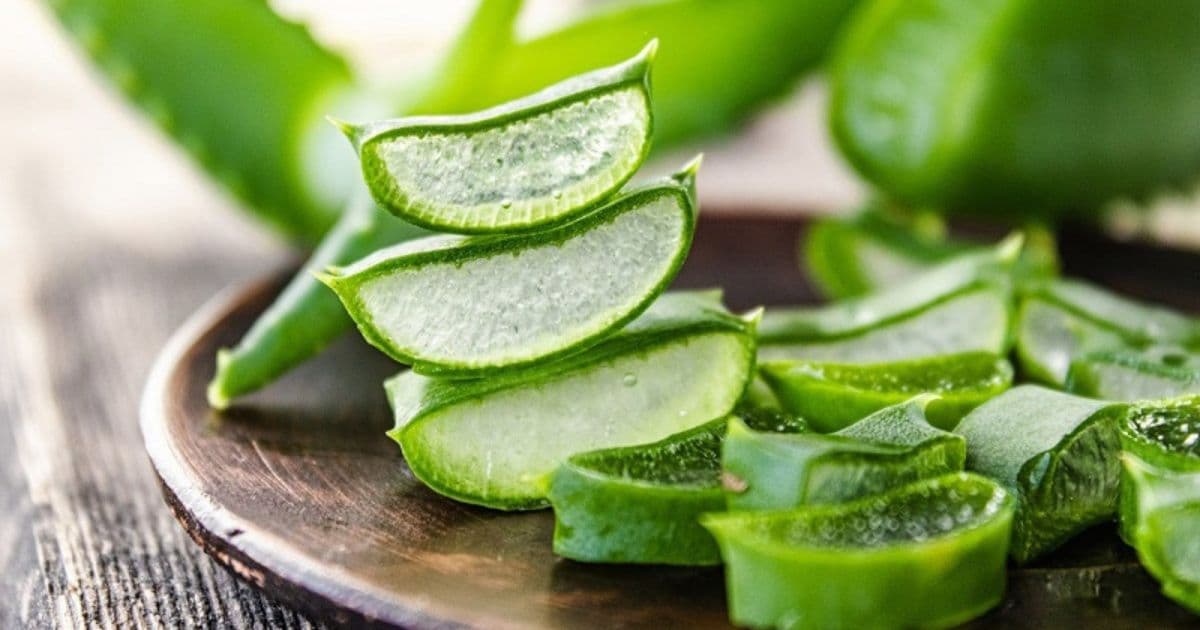
Aloe vera drinks
Tea-based beverages
Coffee drinks
Functional tropical beverages
Within coconut water specifically, Vietnam offers a sourcing story connected to tropical production conditions and growing international beverage manufacturing capacity.
For buyers, the key question is not whether one country is universally better than another—but whether a supplier can deliver consistent product quality and export execution.
V/ Quality Factors Buyers Should Check in Product of Vietnam Coconut Water
Before selecting a supplier or product, buyers should evaluate the following factors.
1. Ingredients and Formula Transparency
Review the ingredient statement carefully.
Questions to check:
- Is the product pure coconut water or blended?
- Does it include pulp?
- Is sugar added?
- Are preservatives declared where applicable?
- Are allergen disclosures included?
Formula differences can affect positioning and market acceptance.
2. Nutrition Facts
Buyers should review:
Calories
Total sugar
Sodium
Potassium
Serving size
Nutrition panels help determine suitability for retail requirements and consumer expectations.
3. Certifications and Documentation
Depending on market requirements, buyers may request:
Food safety documentation
Halal certification
Organic certification (where applicable)
Product specifications
COA (Certificate of Analysis)
Claims should always match verified documentation.
4. Packaging and Label Evaluation
Packaging considerations include:
Aluminum cans
Carton packaging
PET bottles
Barcode compatibility
Recycling symbols
Market-specific language requirements
Packaging format influences logistics, shelf visibility, and positioning.
5. Shelf Life and Storage Conditions
Shelf life should always be verified using:
Technical specifications
Product labels
Storage instructions
COA documentation
Shelf-life suitability varies depending on distribution conditions.
VI/ Export Potential for Vietnamese Coconut Water
Global demand for coconut water continues to be supported by several consumer trends:
Interest in natural hydration
Plant-based beverage adoption
Tropical flavor exploration
Better-for-you refreshment choices
For suppliers and buyers, this creates opportunities across:
Supermarkets
Convenience retail
Online marketplaces
Distributors
HoReCa channels
Packaging formats such as 490 mL aluminum cans may also support single-serve consumption and grab-and-go occasions.
Product origin can support brand story, sourcing confidence, and market positioning—but it should never replace product verification.
For coconut water buyers, the strongest sourcing decisions combine origin evaluation with ingredient transparency, certifications, packaging suitability, shelf-life confirmation, and export readiness.
When reviewing Product of Vietnam coconut water options, compare products based on verified specifications and choose the SKU that best fits your target market and distribution strategy.
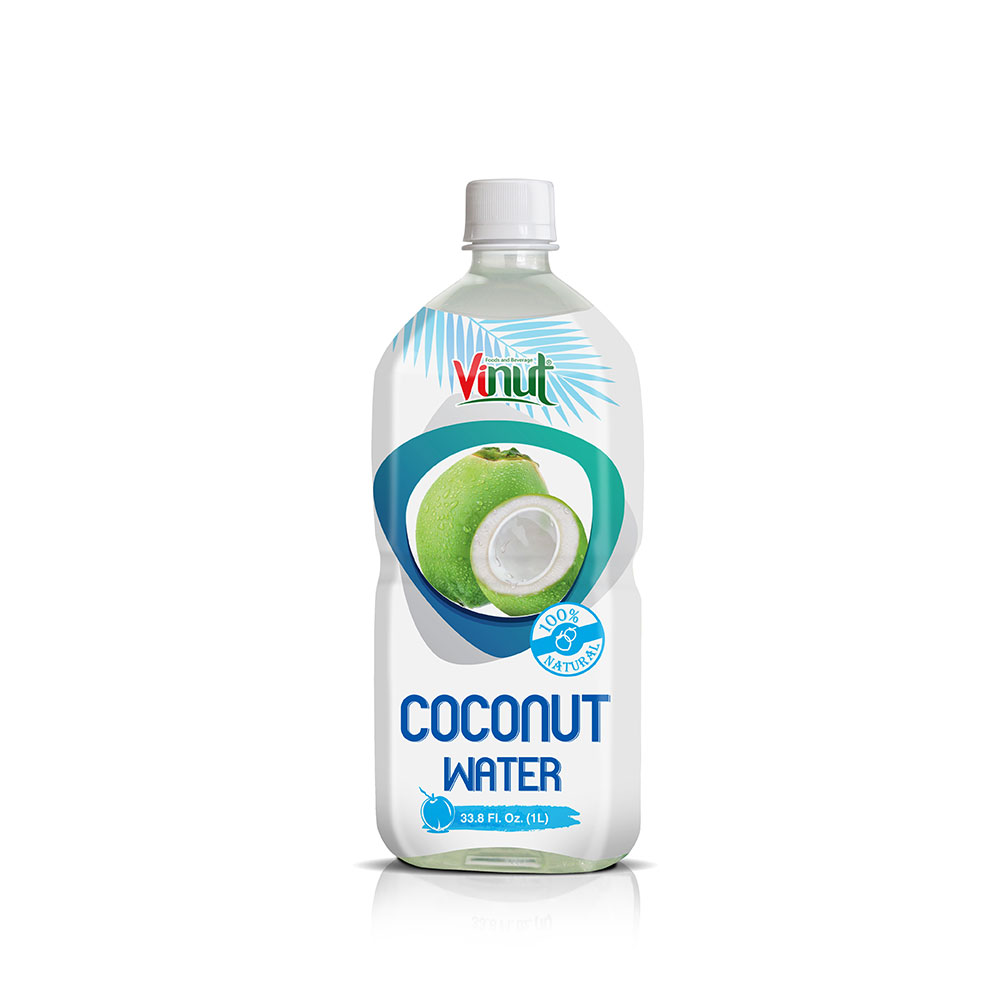
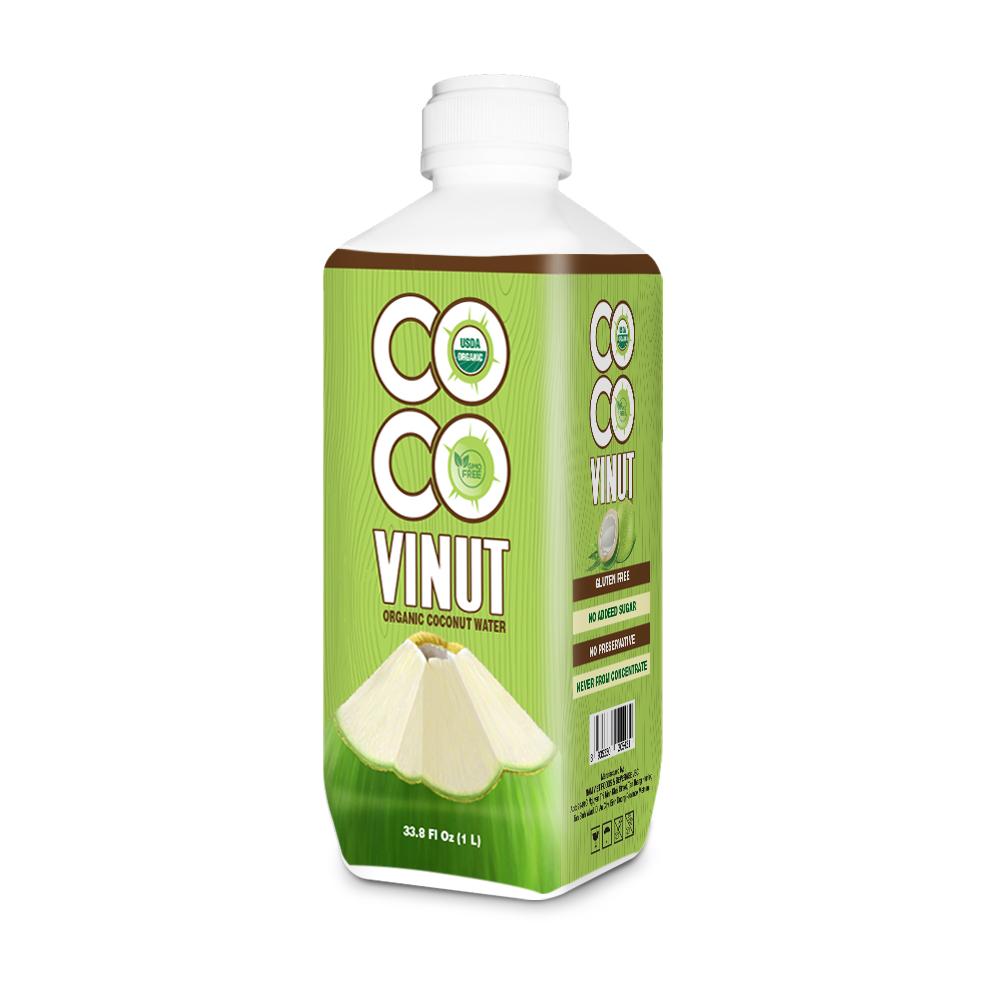
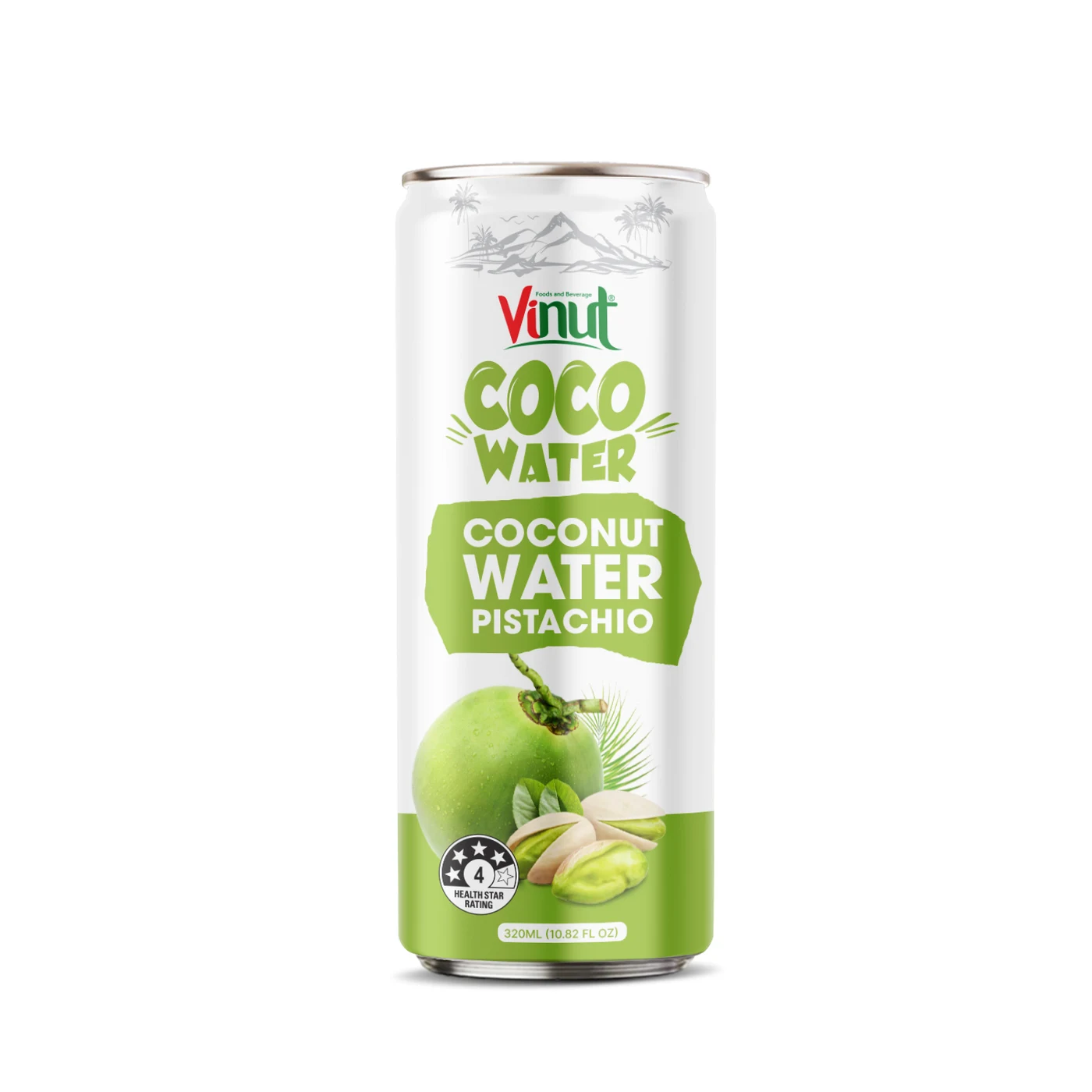
VINUT products
Explore related drinks
View ingredients, sizes and packaging.
FAQ
What does "Product of Vietnam" mean on a coconut water label?
It generally indicates that the coconut water was manufactured in Vietnam and is labeled with Vietnamese origin. This can support product traceability, manufacturer identification, export documentation, and country-of-origin requirements — but import regulations vary by market, so buyers should confirm destination-country compliance before shipment.
Does "Product of Vietnam" guarantee better quality coconut water?
No. Origin can influence sourcing story, taste expectations, and brand positioning, but it should never be treated as a guarantee of superior quality. A strong coconut water product depends on ingredient quality, processing methods, food safety standards, packaging, and regulatory compliance — origin is only one part of the evaluation.
What should buyers check before sourcing coconut water from Vietnam?
Buyers should verify ingredient and formula transparency (pure vs. blended, added sugar, preservatives), Nutrition Facts, certifications and documentation (food safety, Halal, organic, COA), packaging format, and shelf life and storage conditions — all confirmed through actual product documentation rather than label claims alone.
What certifications or documentation should buyers request for Vietnamese coconut water?
Depending on market requirements, buyers may request food safety documentation, Halal certification, organic certification where applicable, product specifications, and a Certificate of Analysis (COA). Any claims on the label should always match what's verified in this documentation.
Why is Vietnam considered a relevant sourcing origin for coconut water?
Vietnam is recognized as a tropical agricultural and beverage-producing country with manufacturing capability across several beverage categories, including coconut water, fruit juice, aloe vera drinks, and tea-based beverages — offering a sourcing story connected to tropical production conditions and growing export capacity.
What packaging formats are common for Vietnamese coconut water exports?
Common formats include aluminum cans, carton packaging, and PET bottles. Packaging considerations also include barcode compatibility, recycling symbols, and market-specific language requirements, as packaging format influences logistics, shelf visibility, and retail positioning.
How does ingredient transparency affect coconut water sourcing decisions?
Buyers should confirm whether the product is pure coconut water or blended, whether it contains pulp, whether sugar is added, and whether preservatives and allergens are properly declared. These formula differences can affect market positioning and consumer acceptance in the destination market.
About this article
The VINUT editorial team publishes articles about beverage ingredients, product characteristics, and practical information for readers and international buyers.