

Buyer Briefing
6 min read · 1,117 words
Soursop juice provides nutrients such as vitamin C and potassium, along with naturally occurring antioxidant compounds. It can be enjoyed as part of a balanced diet, although research is still limited for many of its claimed health benefits.
- Soursop juice is made from the creamy pulp of the tropical soursop fruit, also known as graviola or guanabana.
- Soursop naturally provides vitamin C, potassium, and antioxidant plant compounds.
- Its nutritional profile varies depending on preparation methods and added ingredients.
- Research is exploring soursop compounds for several potential health effects, but many claims require more human evidence.
- Current evidence does not support using soursop juice to prevent, treat, or cure cancer.
- Excessive or prolonged consumption may present potential health concerns, so moderation is important.
- - People taking medication or managing health conditions should consult a healthcare professional before regularly consuming concentrated soursop products.
Listen to the article summary
AI-generated voice · English · 3:08
Read transcript
Soursop juice is a tropical beverage known for its naturally sweet, tangy flavor and creamy texture, made from the pulp of the soursop fruit, also called graviola or guanabana. This refreshing drink provides vitamin C, potassium, antioxidants, and other naturally occurring plant compounds. The nutritional content of soursop juice can vary based on the amount of fruit used and whether ingredients like sugar or milk are added. Unsweetened versions generally contain fewer calories. Key nutrients include vitamin C, which supports normal immune function and provides antioxidant activity; potassium, important for muscle function and fluid balance; magnesium; and carbohydrates for energy. While dietary fiber is naturally present in the fruit, some may be removed during juicing. Soursop contains several nutrients and plant compounds that have attracted scientific interest. For instance, its vitamin C content may support normal immune function, and it provides naturally occurring antioxidant compounds that help protect cells. The potassium in soursop contributes to normal muscle function, fluid balance, and blood pressure regulation, though it should not replace medical treatment for high blood pressure. Compounds in soursop are also being studied for potential anti-inflammatory properties, but more human research is needed. Regarding cancer research, soursop contains compounds like acetogenins that have been investigated in laboratory studies. However, clinical evidence is insufficient to support using soursop juice as a cancer treatment, and it cannot prevent, treat, or cure cancer in humans. People undergoing cancer treatment should consult their healthcare professionals before using soursop products. Despite its benefits, understanding potential side effects is important. Soursop contains annonacin, a compound that has raised concerns about potential neurotoxic effects, so moderation is advisable. It may also affect blood pressure, so individuals with low blood pressure or those on medication should consult a healthcare professional. Soursop products might interact with certain medications, particularly those for blood pressure or blood sugar. Some people may experience digestive discomfort with large amounts. Therefore, soursop juice should be consumed in moderation as part of a varied diet and not replace whole fruits, vegetables, water, or medically recommended treatments. To enjoy soursop juice responsibly, consumers should check nutrition labels for serving size and added sugars in packaged products. When preparing it at home, remove the seeds before blending and avoid excessive added sugar. Soursop juice can be an enjoyable way to experience this unique tropical fruit, but many proposed health effects require further human research, and it should not be considered a treatment for medical conditions.
Soursop juice is a tropical beverage known for its naturally sweet, tangy flavor and distinctive creamy texture. Made from the pulp of soursop fruit, this refreshing drink provides vitamin C, potassium, antioxidants, and other naturally occurring plant compounds.
Beyond its tropical flavor, soursop juice has attracted attention for its potential health benefits. However, understanding its nutritional value, possible benefits, and potential side effects is important before making it a regular part of your diet.

I/ What Is Soursop?
Soursop (Annona muricata), also known as graviola or guanabana, is a tropical fruit native to regions of Central and South America. Today, it is cultivated across many tropical areas worldwide.
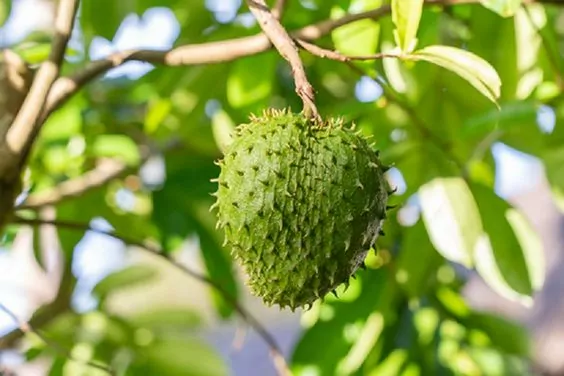
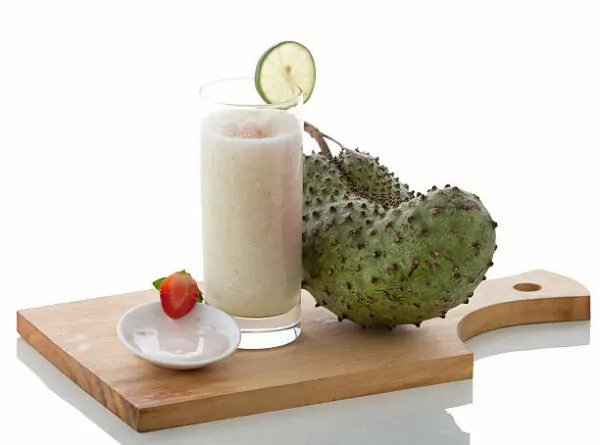
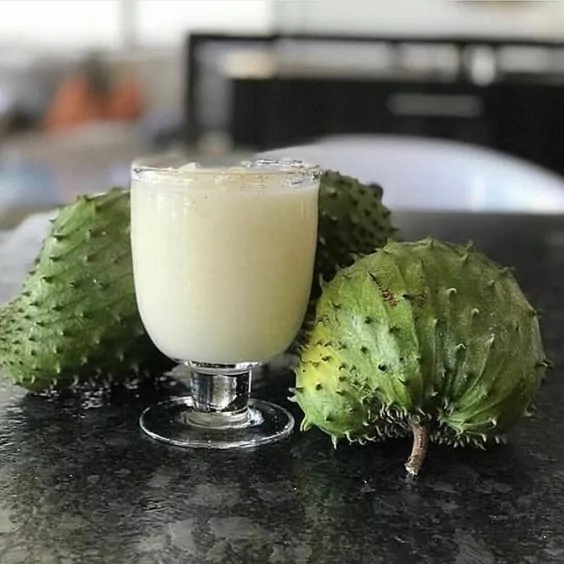
The fruit is typically large and oval-shaped, with green skin covered in soft, thorn-like projections. Inside, soursop contains white, fibrous flesh with dark seeds. Some fruits can grow quite large, depending on the variety and growing conditions.
Its flavor is often described as a combination of pineapple, mango, and other tropical fruits. This distinctive balance of sweetness and acidity makes soursop suitable for juices, smoothies, desserts, and other beverages.
1.1. What Is Soursop Juice?
Soursop juice is made by blending or processing the edible pulp of ripe soursop fruit with water. Depending on the recipe, milk, sweeteners, or other fruits may also be added.
The fruit naturally provides vitamin C, potassium, and several plant compounds with antioxidant properties. Its creamy consistency and tropical flavor have also helped make soursop juice a popular beverage in many regions.
1.2. How Many Calories Are in Soursop Juice?
The calorie content of soursop juice varies depending on the amount of fruit used and whether sugar, milk, or other ingredients are added.
Unsweetened juice made primarily from fresh soursop will generally contain fewer calories than commercial or homemade versions prepared with additional sweeteners.
1.3. What Nutrients Are Found in Soursop Juice?
Soursop contains a variety of nutrients that contribute to its nutritional profile. Depending on the serving size and preparation method, soursop juice may provide:
Vitamin C: Supports normal immune function and provides antioxidant activity.
Potassium: Contributes to normal muscle function and fluid balance.
Magnesium: Supports normal muscle, nerve, and metabolic functions.
Carbohydrates: Provide the body with a source of energy.
Dietary fiber: Present naturally in the fruit, although some fiber may be removed during juicing.
Plant compounds: Soursop contains naturally occurring compounds with antioxidant properties.
The exact nutritional value of soursop juice can vary depending on the amount of fruit used, processing method, serving size, and added ingredients.

II/ What Are the Potential Health Benefits of Soursop Juice?
Soursop contains several nutrients and naturally occurring plant compounds that have been studied for their potential roles in health. However, many findings relate to the whole fruit, extracts, laboratory research, or animal studies rather than soursop juice itself.
2.1. May Support Normal Immune Function
Soursop naturally contains vitamin C, an essential nutrient involved in normal immune function. Vitamin C also acts as an antioxidant and helps protect cells against oxidative stress.
Including vitamin C-rich foods and beverages as part of a varied diet can contribute to meeting daily nutritional requirements.

2.2. Provides Antioxidant Compounds
Soursop contains naturally occurring antioxidant compounds. Antioxidants help protect cells against oxidative damage associated with free radicals.
While antioxidants are an important part of a balanced diet, soursop juice should be considered one potential dietary source rather than a treatment for disease.

2.3. Provides Potassium
Soursop naturally contains potassium, an essential mineral involved in normal muscle function, fluid balance, and blood pressure regulation.
A balanced diet containing adequate potassium can support cardiovascular health. However, drinking soursop juice should not replace medical treatment for high blood pressure.

2.4. Contains Compounds Being Studied for Inflammation
Soursop contains several bioactive plant compounds that have attracted scientific interest for their potential anti-inflammatory properties.
Research in this area remains ongoing. More human studies are needed before specific conclusions can be made about whether drinking soursop juice can meaningfully reduce inflammation.
2.5. Soursop and Cancer Research
Soursop contains naturally occurring compounds called acetogenins, including annonacin. Some of these compounds have been investigated in laboratory studies for their biological activity.
However, laboratory findings do not mean that soursop or soursop juice can prevent, treat, or cure cancer in humans. Clinical evidence is insufficient to support using soursop juice as a cancer treatment.
People undergoing cancer treatment should consult their healthcare professionals before using soursop products or supplements.

2.6. May Contribute Nutrients That Support Eye Health
Soursop provides vitamin C and other antioxidant compounds that can contribute to overall nutritional intake.
A balanced diet containing antioxidant-rich fruits and vegetables supports general eye health. However, more research is needed to determine whether soursop juice itself provides specific protection against eye diseases.

III/ Are There Any Side Effects of Soursop Juice?
Although soursop is consumed as a food in many countries, frequent or excessive consumption may not be appropriate for everyone.
3.1. Potential Neurological Concerns
Soursop contains annonacin, a naturally occurring compound that has raised concerns because of its potential neurotoxic effects.
Research has examined possible associations between high or prolonged exposure to annonacin-containing products and neurological problems. Evidence is still developing, so moderation is advisable.
3.2. Effects on Blood Pressure
Soursop may affect blood pressure. People who already have low blood pressure or take medication to control blood pressure should discuss regular consumption with a healthcare professional.
3.3. Possible Medication Interactions
Soursop products may interact with certain medications or affect their intended effects.
People taking prescription medicines, particularly those related to blood pressure or blood sugar, should seek professional medical guidance before regularly consuming concentrated soursop products.
3.4. Digestive Discomfort
Some people may experience digestive discomfort after consuming large amounts of soursop or soursop juice.
Individual tolerance varies, so beginning with moderate portions can help determine how your body responds.
3.5. Importance of Moderate Consumption
More is not necessarily better when consuming functional fruits or juices. Soursop juice can be enjoyed as part of a varied diet, but it should not replace whole fruits, vegetables, water, or medically recommended treatments.

IV/ How Can You Enjoy Soursop Juice Responsibly?
Soursop juice can be enjoyed on its own or combined with other tropical ingredients. Choosing products with simple ingredient lists can help consumers better understand what they are drinking.
When purchasing packaged soursop juice, check the nutrition label for serving size, calories, total sugar, added sugar, and other ingredients. People managing specific health conditions should consider their individual dietary requirements.
Fresh soursop juice can also be prepared at home. When doing so, remove the seeds before blending and avoid excessive amounts of added sugar.
V/ Conclusion
Soursop juice combines a distinctive tropical flavor with naturally occurring nutrients such as vitamin C, potassium, and antioxidant compounds. These qualities make it an appealing beverage for consumers interested in tropical fruit drinks.
Research has also explored several compounds naturally present in soursop. However, many proposed health effects require further human research, and soursop juice should not be considered a treatment for medical conditions.
When consumed in moderation as part of a balanced diet, soursop juice can be an enjoyable way to experience the unique flavor of this tropical fruit.
FAQ
What is soursop juice?
Soursop juice is a tropical beverage made from the edible pulp of Annona muricata, also known as graviola or guanabana. It has a creamy texture and a sweet-tangy tropical flavor.
What are the potential benefits of soursop juice?
Soursop provides vitamin C, potassium, and antioxidant compounds. These nutrients contribute to normal functions such as immune health and fluid balance, although more research is needed for many specific soursop health claims.
Is soursop juice high in vitamin C?
Soursop naturally contains vitamin C. The amount present in juice varies according to fruit quantity, processing, serving size, and other ingredients.
About this article

The VINUT editorial team publishes articles about beverage ingredients, product characteristics, and practical information for readers and international buyers.