
Buyer Briefing
6 min read · 1,237 words
Non-alcoholic drinks include juice, tea, coffee, sparkling water, mocktails, smoothies, coconut water, and alcohol-free alternatives. Popular trends include botanical and tropical flavors, lower-sugar formulations, premium mocktails, and convenient ready-to-drink products. Nutritional quality varies, so consumers should compare ingredients, sugar, calories, caffeine, and serving size.
- Non-alcoholic beverages extend beyond soda and water.
- Juice, tea, coffee, mocktails, and sparkling drinks provide different flavor experiences.
- Botanical and tropical flavors are useful for beverage innovation.
- Non-alcoholic does not automatically mean healthy.
- Sugar, calories, caffeine, and ingredients vary between products.
- Product labels help consumers make more informed choices.
- Mocktails can provide sophisticated flavors without conventional alcoholic spirits.
- Different drinks suit different occasions and dietary preferences.
Listen to the article summary
AI-generated voice · English · 2:37
Read transcript
Non-alcoholic drinks have become a diverse and expanding beverage category, offering many options for those seeking flavorful experiences without traditional alcohol. These choices range from familiar everyday drinks like water, juice, tea, and coffee, to more sophisticated options such as mocktails and alcohol-free alternatives. Consumers choose non-alcoholic beverages for various reasons, including complete alcohol avoidance, a desire for more variety, or an interest in moderation. The category extends far beyond soft drinks, encompassing fruit and vegetable juices, various teas and coffees, sparkling and flavored waters, mocktails that mimic cocktail-style presentation, and alcohol-free versions of beer, wine, and spirits. Several factors contribute to their growing popularity. There's greater choice available, moving beyond basic options to complex flavors and premium presentations. Many consumers are interested in moderating their alcohol intake while still enjoying social rituals. The category also benefits from flavor exploration, incorporating botanical and tropical notes, and the convenience of ready-to-drink formats. Major trends include the use of botanical flavors like mint and hibiscus, tropical fruit flavors such as mango and guava, and a focus on lower-sugar options. However, it's important to note that "no added sugar" doesn't mean "sugar-free," as fruit-based beverages naturally contain sugars. Premium mocktails are also evolving, built around unique ingredients rather than just removing alcohol. Packaging and sustainability are further considerations for both manufacturers and consumers. When choosing non-alcoholic drinks, it's crucial to understand that the term "non-alcoholic" does not automatically mean "healthy." Consumers should check product labels for serving size, total sugars, added sugars, calories, caffeine, sodium, and the ingredient list. For those needing to avoid alcohol completely, verifying the actual alcohol content is essential, as regulatory definitions for terms like "alcohol-free" can vary by market. The right choice depends on individual dietary needs, the occasion, and a careful review of nutritional information.
Non-alcoholic drinks have become an increasingly diverse beverage category, offering options for people who want refreshing and flavorful experiences without traditional alcoholic drinks. From sparkling water and fruit juice to tea, coffee, mocktails, and alcohol-free alternatives, consumers now have more choices than ever.
People may choose these beverages for many reasons. Some avoid alcohol completely, while others simply want more variety for social occasions, meals, celebrations, or everyday hydration.
In this article, VINUT explores what non-alcoholic drinks are, the major beverage categories, emerging trends, popular options, and practical considerations when choosing the right drink.
I/ What Are Non-Alcoholic Drinks?
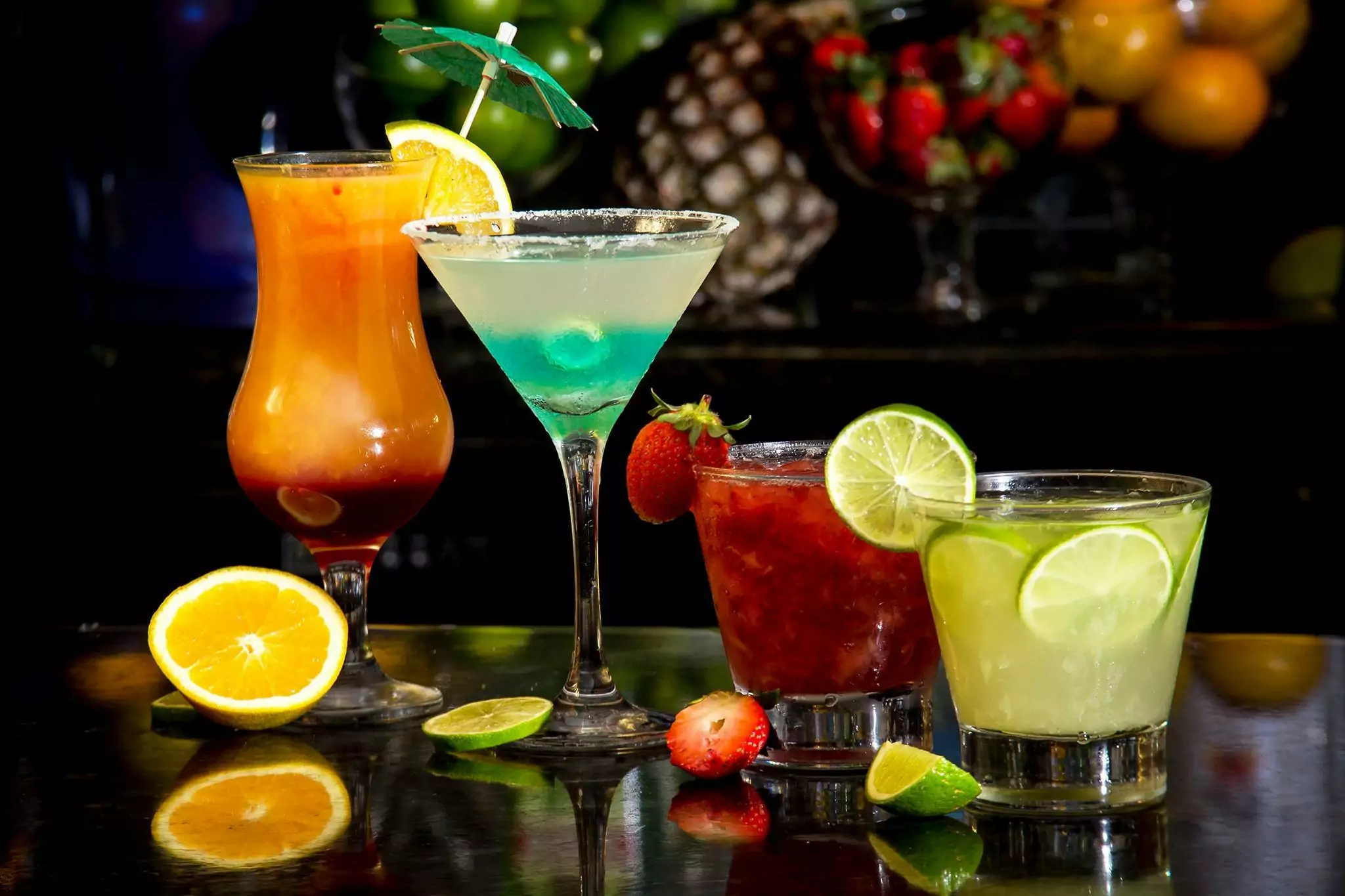
Non-alcoholic beverages cover a broad range of drinks consumed without conventional alcoholic beverages.
They range from familiar everyday choices such as water, juice, tea, and coffee to sophisticated alcohol-free products designed for social occasions.
However, consumers should pay attention to product labeling. Terms such as alcohol-free, non-alcoholic, and low-alcohol can have different regulatory definitions depending on the country or market.
For people who need to avoid alcohol completely, checking the actual alcohol content and product label is therefore important.
II/ What Are the Main Types of Non-Alcoholic Drinks?
The category extends far beyond soft drinks. Today's market includes traditional beverages alongside newer formulations designed around flavor, convenience, and lifestyle preferences.
1. Fruit and Vegetable Juices
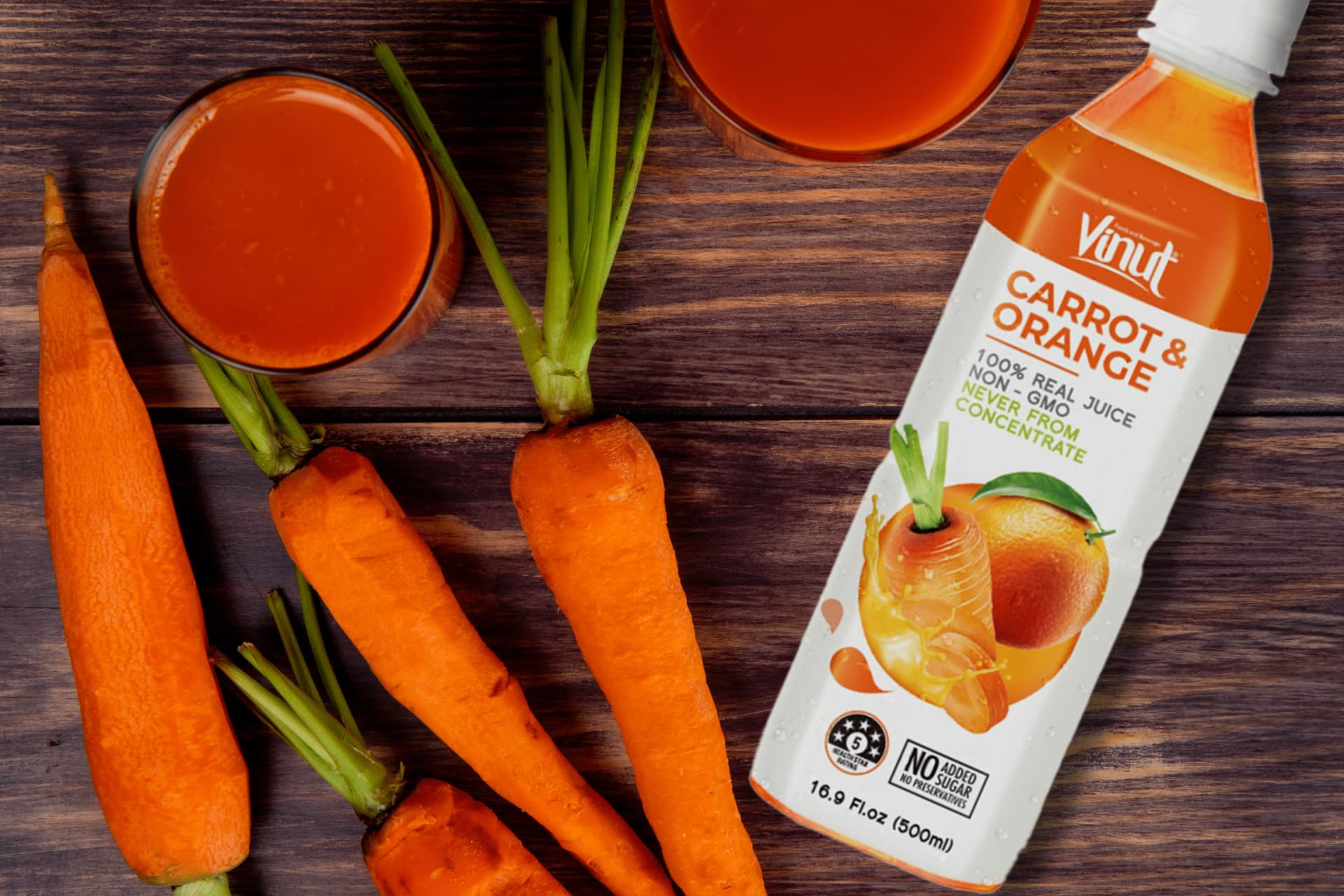
Juices are produced from fruits, vegetables, or combinations of both.
Popular options include:
Mango juice
Pineapple juice
Guava juice
Coconut water
Mixed fruit juice
Vegetable juice
Nutritional composition varies according to the ingredients, juice percentage, processing method, and presence of added sugars.
2. Tea
Tea can be enjoyed hot or cold and is available in countless flavor combinations.
Black tea, green tea, herbal infusions, fruit tea, and ready-to-drink tea provide different flavor profiles for different occasions.
3. Coffee
Coffee is another major non-alcoholic beverage category.
Consumers can choose espresso, latte, cappuccino, cold brew, iced coffee, and ready-to-drink coffee, among many other options.
4. Sparkling and Flavored Water
Sparkling water provides carbonation without requiring the sweetness typically associated with conventional soft drinks.
Fruit, herbs, botanical ingredients, and natural flavors can create more distinctive drinking experiences.
5. Mocktails
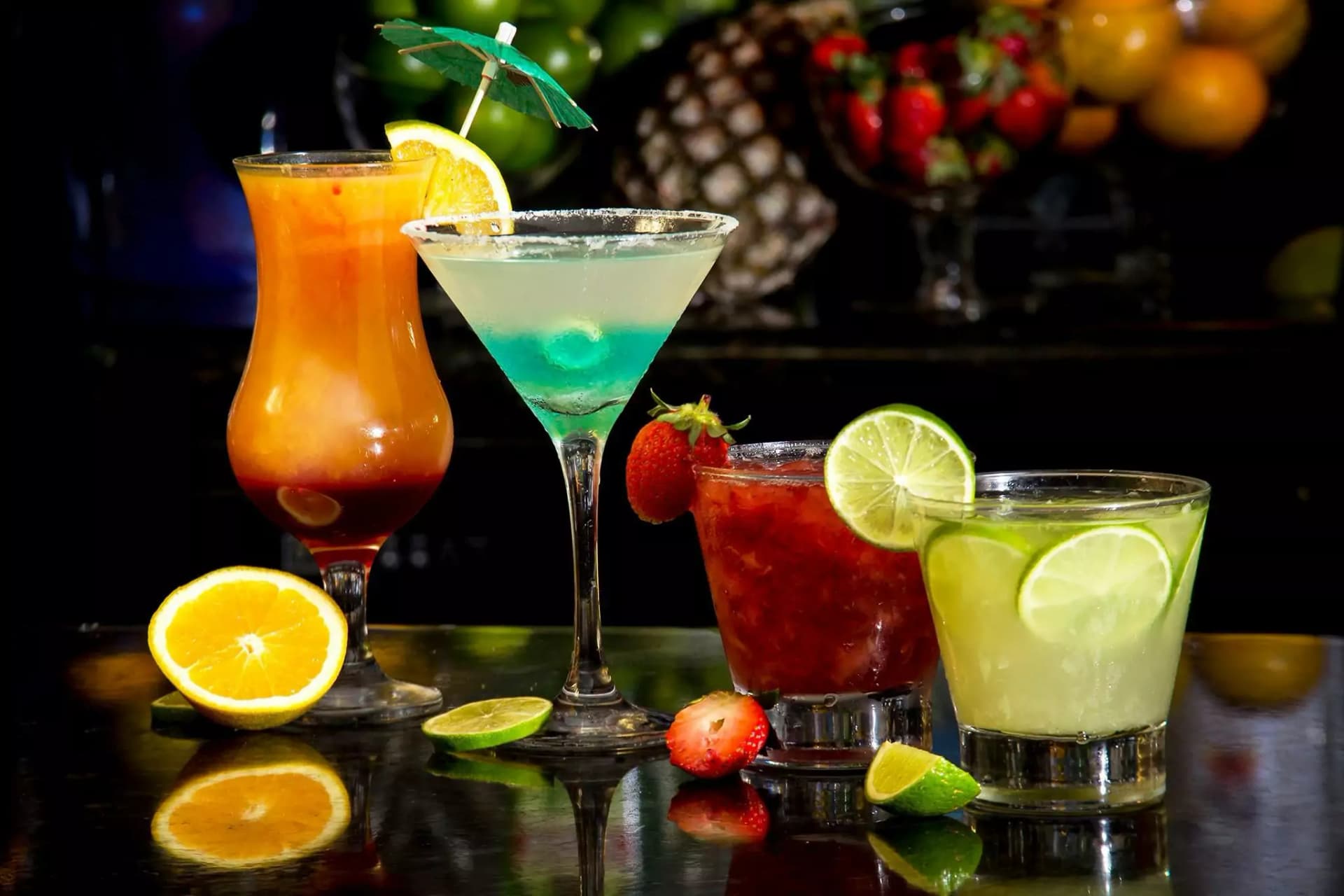
Mocktails bring cocktail-style presentation and flavor combinations to drinks without relying on conventional alcoholic spirits.
Ingredients can include fruit juice, sparkling water, tea, herbs, spices, syrups, and fresh fruit.
6. Alcohol-Free Alternatives
The beverage industry has also developed alcohol-free alternatives inspired by beer, wine, spirits, and aperitifs.
These products are often designed for consumers who enjoy sophisticated flavors and the social experience associated with traditional alcoholic beverages.
III/ Why Are Non-Alcoholic Drinks Becoming More Popular?
Consumer preferences continue to change, creating opportunities for more sophisticated non-alcoholic beverage experiences.
Several factors are influencing the category.
Greater Choice
Consumers are no longer limited to water, soda, or basic fruit juice when avoiding alcohol.
The expanding category now offers complex flavors, premium presentation, and products created specifically for adult social occasions.
Interest in Moderation
Some consumers choose to reduce their alcohol intake without eliminating the social ritual of enjoying a special beverage.
This has encouraged innovation in mocktails and alcohol-free alternatives.
Flavor Exploration
Tropical fruits, herbs, flowers, spices, tea, and botanical ingredients allow manufacturers and consumers to explore increasingly complex flavor combinations.
Convenience
Ready-to-drink formats make non-alcoholic beverages easier to enjoy at home, at work, during travel, and at social events.
IV/ What Are the Major Trends in Non-Alcoholic Beverages?
The category continues to evolve as beverage companies experiment with new ingredients, formats, and consumer experiences.
1. Botanical Flavors
Botanical-inspired beverages can feature ingredients such as mint, hibiscus, ginger, lemongrass, rosemary, basil, or floral notes.
These ingredients help create more complex flavor profiles without relying solely on sweetness.
2. Tropical Fruit Flavors
Mango, passion fruit, pineapple, lychee, guava, calamansi, and coconut continue to provide inspiration for refreshing beverage combinations.
Tropical flavors work particularly well in sparkling drinks, juices, mocktails, and tea-based beverages.
3. Lower-Sugar Options
Consumers increasingly compare the sugar content of packaged beverages.
As a result, beverage producers may offer products with reduced added sugar, no added sugar, or alternative formulations.
Importantly, “no added sugar” does not necessarily mean “sugar-free.” Fruit-based beverages can naturally contain sugars.
4. Premium Mocktails
Mocktails are becoming more sophisticated.
Instead of simply removing alcohol from a cocktail recipe, modern versions can be built around tea, botanical extracts, fruit, spices, sparkling water, and other ingredients to create a distinctive beverage in their own right.
5. Convenient Ready-to-Drink Formats
Cans, bottles, and cartons allow consumers to enjoy prepared beverages without mixing ingredients themselves.
Ready-to-drink tea, coffee, sparkling beverages, juice, and mocktails all fit this convenience-driven trend.
6. Packaging and Sustainability
Packaging is another consideration for beverage manufacturers and consumers.
Glass, aluminum, PET, and cartons each have different characteristics. Their environmental impact depends on factors including material use, product weight, transportation, recycling infrastructure, and end-of-life management.
Therefore, no single packaging format should automatically be described as the most sustainable in every situation.
V/ What Are Some Refreshing Non-Alcoholic Drinks to Try?
With such a broad category, there is an option for almost every taste preference.
1. Sparkling Fruit Drinks
Sparkling water combined with fruit flavors creates a light and refreshing option.
Try combinations such as mango and passion fruit, strawberry and lime, or lychee and mint.
2. Tropical Fruit Juice
Mango, guava, pineapple, lychee, and passion fruit juices offer naturally distinctive tropical flavors.
Serve them chilled or combine them with ice and sparkling water.
3. Iced Tea
Black, green, or herbal tea can be chilled and combined with fruit, herbs, or citrus.
Peach tea, lemon tea, passion fruit tea, and hibiscus tea are popular examples.
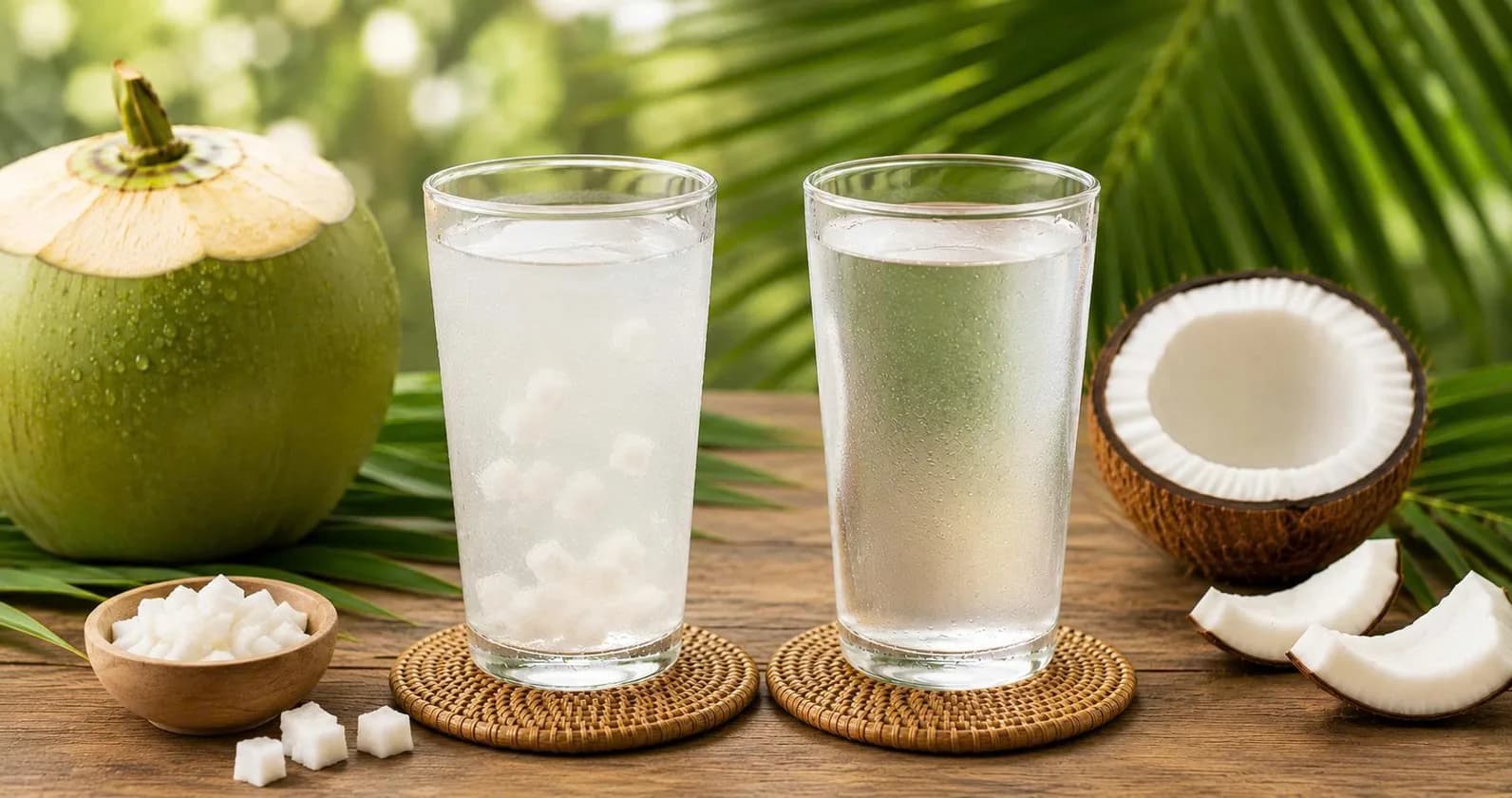
4. Coconut Water
Coconut water offers a naturally mild sweetness and tropical character.
It can be enjoyed chilled or combined with fruit juice for a different flavor experience.
5. Fruit Mocktails
Combine fruit juice, sparkling water, fresh herbs, and ice to create colorful alcohol-free drinks.
Mint, basil, rosemary, lime, and tropical fruits can provide additional aroma and complexity.
6. Cold Brew Coffee
Cold brew provides a smooth coffee option for consumers who prefer less fruity beverage profiles.
It can be served black or combined with milk or plant-based alternatives.
7. Smoothies
Smoothies combine fruits with ingredients such as yogurt, milk, coconut water, or plant-based beverages.
Unlike strained juice, smoothies made with whole edible fruit can retain more of the fruit's dietary fiber.
8. Sparkling Botanical Drinks
Herbs, flowers, citrus, and spices can be paired with carbonation to create sophisticated drinks suitable for meals or social occasions.
VI/ Are Non-Alcoholic Drinks Always Healthy?
No. The term “non-alcoholic” does not automatically mean “healthy.”
A beverage can contain no alcohol while still being high in added sugar, calories, or other ingredients someone may want to limit.
When comparing packaged beverages, check:
Serving size
Total sugars
Added sugars, when declared
Calories
Caffeine
Sodium
Ingredient list
Actual alcohol content when relevant
The right choice depends on the beverage, frequency of consumption, serving size, and individual dietary needs.
VII/ How Do You Choose a Non-Alcoholic Drink?
Start by considering when and why you want the beverage.
For everyday hydration, water remains a straightforward choice. For meals or social occasions, sparkling beverages, tea, mocktails, or alcohol-free alternatives can offer more complex flavors.
If nutrition is important, compare labels rather than relying on front-of-package claims.
For fruit beverages, consider the percentage of juice and added sugar. For coffee and tea drinks, check caffeine and sweeteners. For alcohol-free alternatives, check the label if complete avoidance of alcohol is necessary.
X/ Conclusion
Non-alcoholic drinks have evolved into a diverse beverage category offering far more than traditional soft drinks and water.
Consumers can now explore tropical fruit juices, sparkling beverages, specialty teas, cold brew coffee, sophisticated mocktails, botanical drinks, and alcohol-free alternatives. This diversity makes it easier to find beverages suited to everyday refreshment, meals, celebrations, and social occasions.
At the same time, choosing a drink should involve more than simply looking for an alcohol-free label. Sugar, calories, caffeine, ingredients, serving size, and individual dietary needs can all influence whether a particular product is suitable.
With growing innovation in flavor, convenience, formulation, and packaging, the non-alcoholic beverage category offers plenty of room for consumers to discover new drinking experiences.
FAQ
What are non-alcoholic drinks?
They include beverages such as juice, tea, coffee, sparkling water, smoothies, mocktails, and alcohol-free alternatives.
What are the best non-alcoholic drinks for adults?
Mocktails, botanical drinks, sparkling fruit beverages, specialty tea, cold brew, and alcohol-free alternatives can provide more sophisticated flavor profiles.
Are non-alcoholic drinks healthy?
It depends on the product. Non-alcoholic does not automatically mean healthy, so compare sugar, calories, ingredients, and serving size.
What can I drink instead of alcohol?
Options include sparkling water, mocktails, iced tea, fruit beverages, botanical drinks, and alcohol-free alternatives.
Are mocktails alcohol-free?
Mocktails are generally designed without conventional alcoholic spirits, but consumers should check ingredients when complete alcohol avoidance is necessary.
What are good non-alcoholic party drinks?
Sparkling fruit drinks, tropical mocktails, iced tea, juice blends, and botanical beverages work well for social occasions.
About this article
The VINUT editorial team publishes articles about beverage ingredients, product characteristics, and practical information for readers and international buyers.