Buyer Briefing
3 min read · 566 words
Shelf-stable, no-preservative tea relies on food science and advanced manufacturing instead of added chemical preservatives. Product safety and quality are ensured through precise process controls, including heat treatment, pH management, and specialized filling technologies like aseptic or hot-fill systems. This approach delivers a high-quality beverage that meets consumer demand for simpler, cleaner ingredient lists.
- Achieve shelf stability without preservatives using advanced heat treatment and aseptic filling technology.
- Control acidity (pH) and formulation to naturally prevent microbial growth in your beverage products.
- Meet rising consumer demand for clean labels with shorter, more familiar ingredient lists.
- Use protective, high-barrier packaging to maintain freshness and ensure product safety without additives.
- Implement hygienic production and rigorous shelf-life testing to guarantee product quality and stability.
I/ What Does No-Preservative RTD Tea Mean?
RTD tea stands for ready-to-drink tea - tea prepared, packaged, and ready for consumption without brewing.
No-preservative RTD tea generally refers to products that do not contain added chemical preservatives in the ingredient list. However, this does not mean the product receives no treatment or processing.
Manufacturers may achieve product stability through:
Heat treatment
Controlled acidity (pH)
Hot-fill processing
Aseptic filling systems
Hygienic production environments
Protective packaging
Shelf-life testing
Quick Answer
No-preservative RTD tea is a packaged tea beverage made without added preservatives while maintaining safety and shelf stability through controlled formulation, processing technology, packaging integrity, and quality testing.
II/ Why Consumers Are Paying More Attention to Preservatives
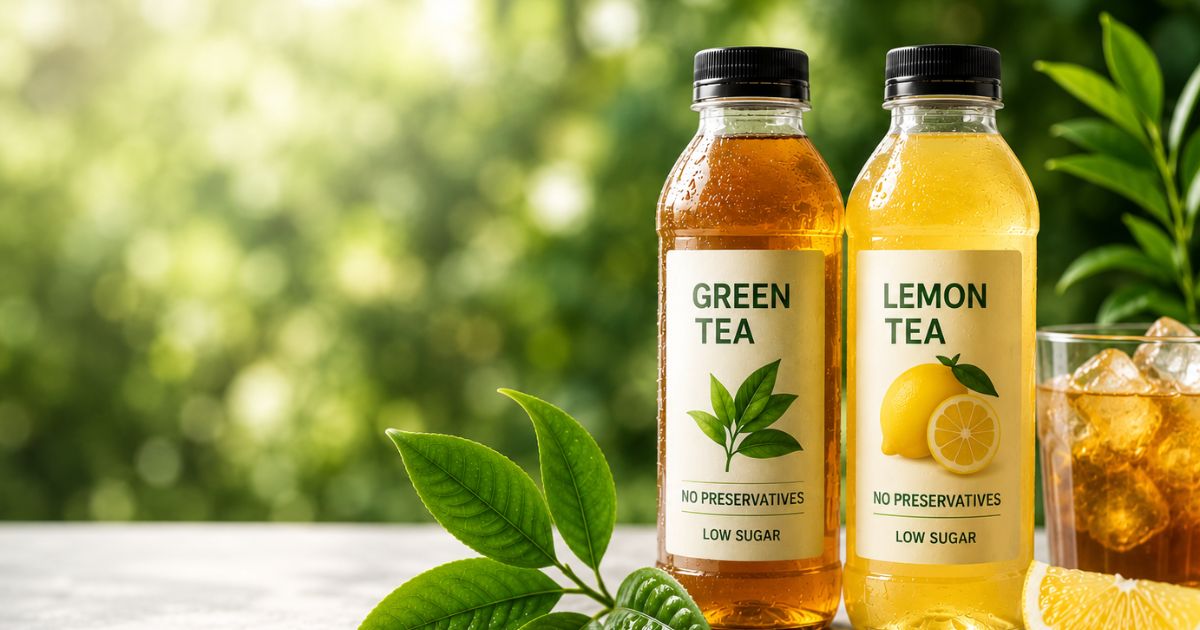
Interest in ingredient transparency has increased across beverage categories.
Many consumers now prefer:
Shorter ingredient lists
Familiar ingredients
Reduced sugar products
Convenient beverage formats
Products perceived as simpler
This shift is often associated with the broader clean label movement.
However, it is important to understand that approved food preservatives are regulated and used to maintain food quality and safety. Choosing products without preservatives should not automatically imply that preserved products are unsafe.
Consumer preference today is increasingly influenced by:
Label readability
Taste expectations
Convenience
Lifestyle choices
Perception of freshness
III/Market Demand: Why No-Preservative RTD Tea Matters
The growth of no-preservative RTD tea reflects larger beverage market changes.
Several factors contribute to demand:
1. Convenience
Consumers want beverages that require no preparation.
2. Clean Label Interest
Shoppers increasingly compare ingredient lists before purchasing.
3. Health-Conscious Purchasing
Many buyers look for lower sugar and lighter beverage alternatives.
4. Flavor Innovation
Tea combined with fruit flavors, botanical ingredients, and functional positioning continues to expand.
Retailers and distributors often monitor these trends because product differentiation becomes increasingly important in competitive beverage categories.
IV/ How RTD Tea Can Stay Shelf-Stable Without Added Preservatives
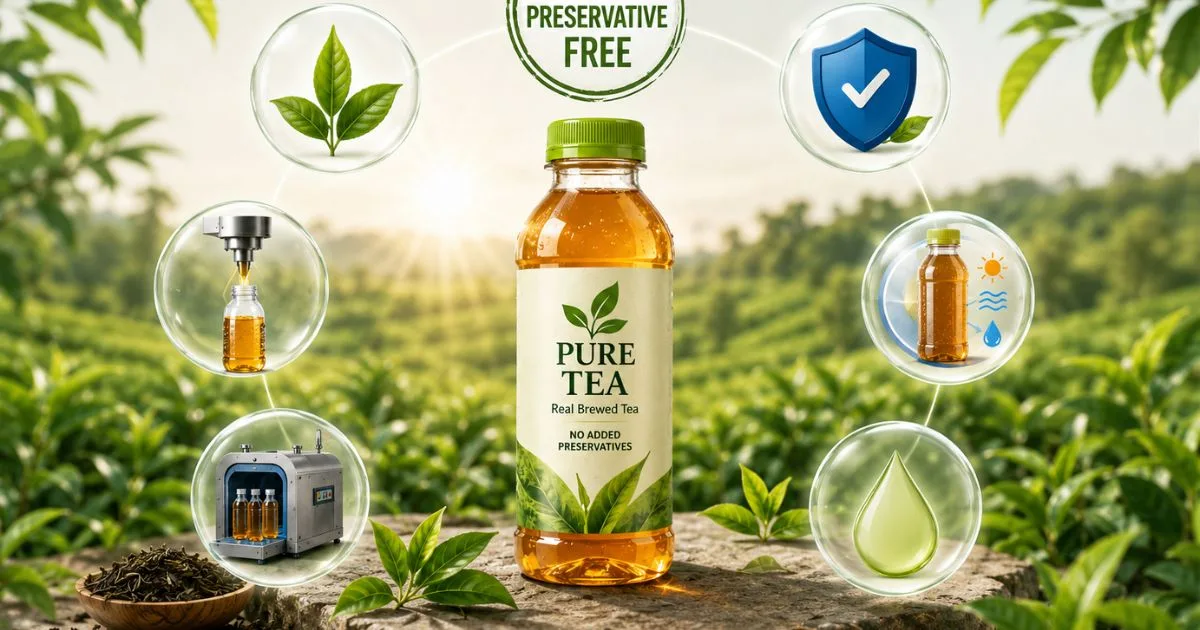
One of the most common questions is:
How can tea remain safe if preservatives are not added?
The answer lies in formulation and manufacturing control.
Step 1: Formulation Design
Developers adjust:
Tea concentration
Acidity
Sweetness level
Ingredient interactions
Step 2: Processing
Heat treatment reduces microorganisms.
Common approaches:
Hot-fill technology
Pasteurization
Aseptic processing
Step 3: Packaging
Containers must maintain product integrity.
Typical formats:
Aluminum cans
PET bottles
Aseptic cartons
Step 4: Stability Testing
Products undergo:
Shelf-life studies
Microbial testing
Sensory evaluation
Packaging validation
Simplified Flow
Formulation → Processing → Filling → Packaging → Stability Testing → Market Release
No-preservative products still require strict food safety systems.
V/ Formulation Factors Buyers Should Understand
1. Tea Base Selection
Different tea bases create different flavor profiles:
Green tea
Herbal tea
Fruit-infused tea
2. Sweetness Strategy
Common approaches:
Standard sugar
Reduced sugar
Zero sugar
Natural sweeteners
3. Acidity Control
Acidity supports:
Flavor balance
Product stability
4. Natural Flavor Systems
Fruit extracts and natural flavors may support familiar taste expectations.
5. Functional Positioning
Some products communicate antioxidant content or nutritional value, but such claims should be supported by analytical data.
VI/ Retail and Distribution Considerations
Different channels prioritize different product features.
1. Supermarkets
Focus on category differentiation and shelf visibility.
2. Convenience Stores
Prioritize portability and quick consumption.
3. Food Service (HoReCa)
Often values serving flexibility and beverage pairing.
4. E-commerce
Supports discovery through search behavior and product filtering.
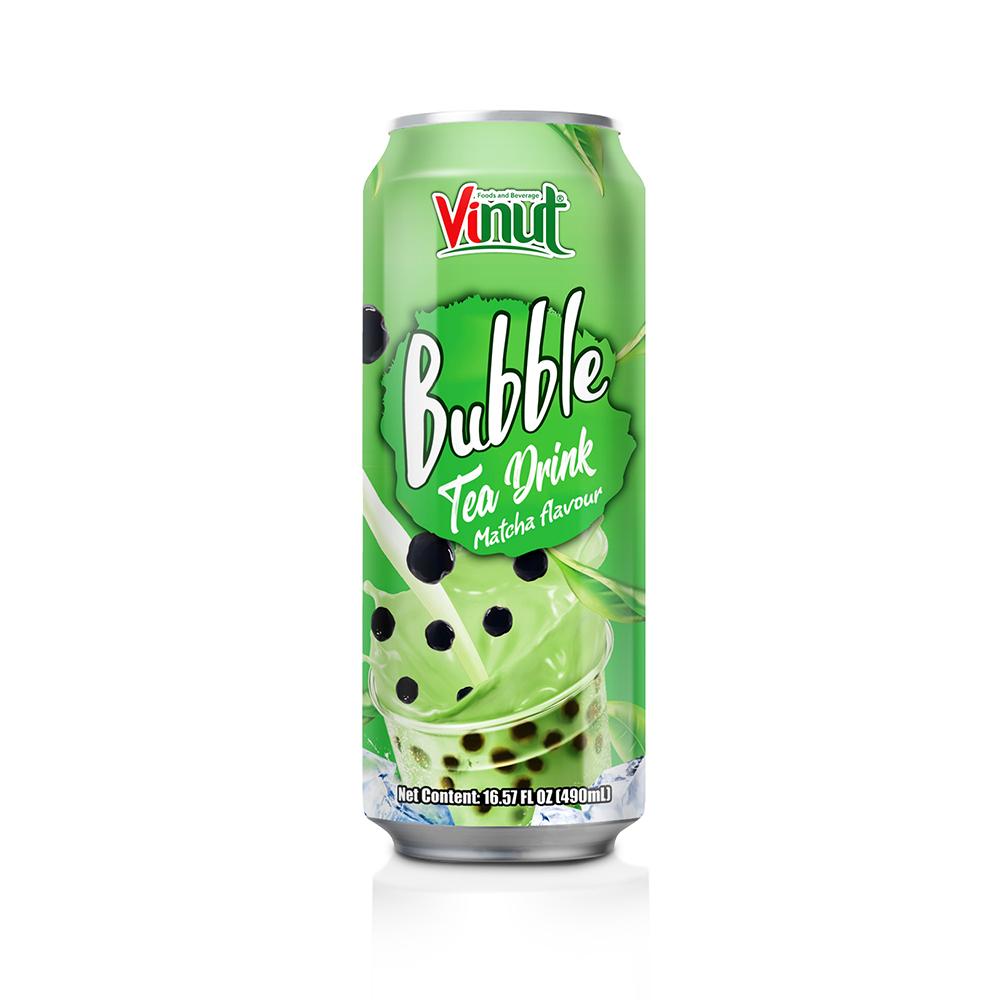
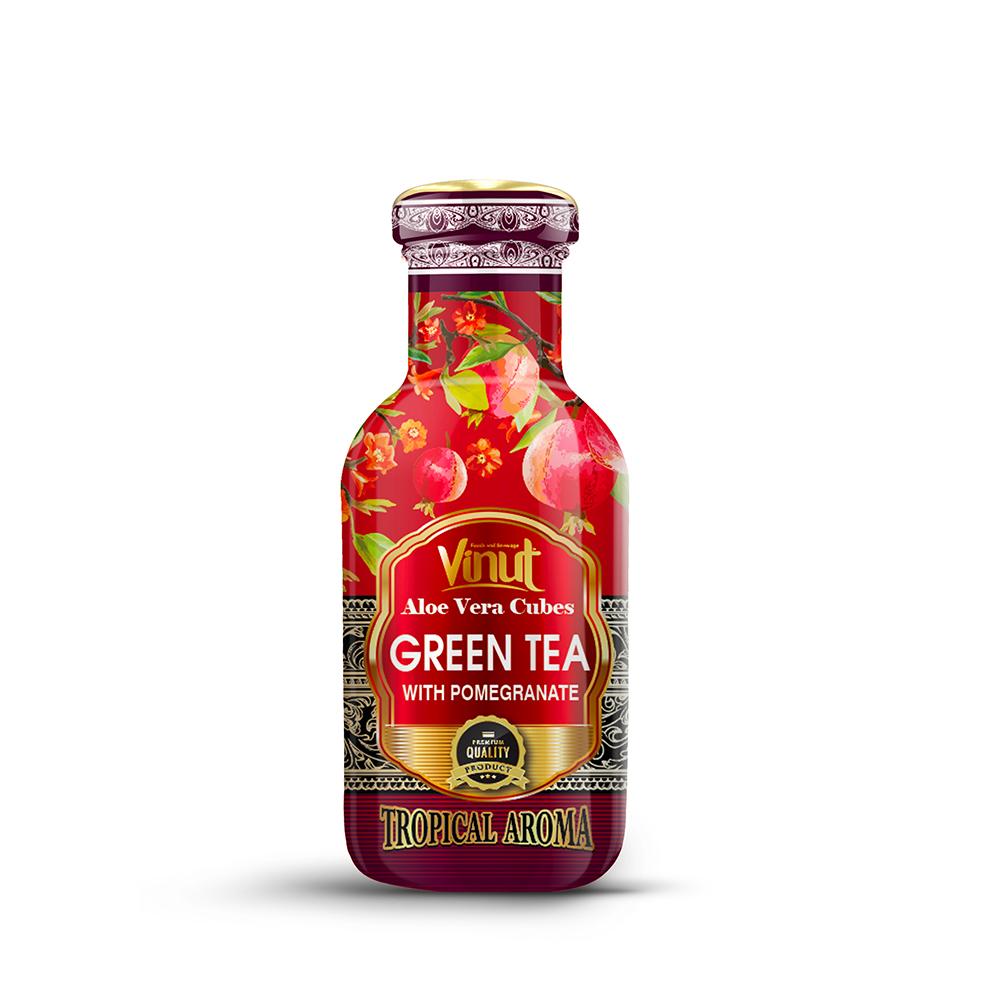
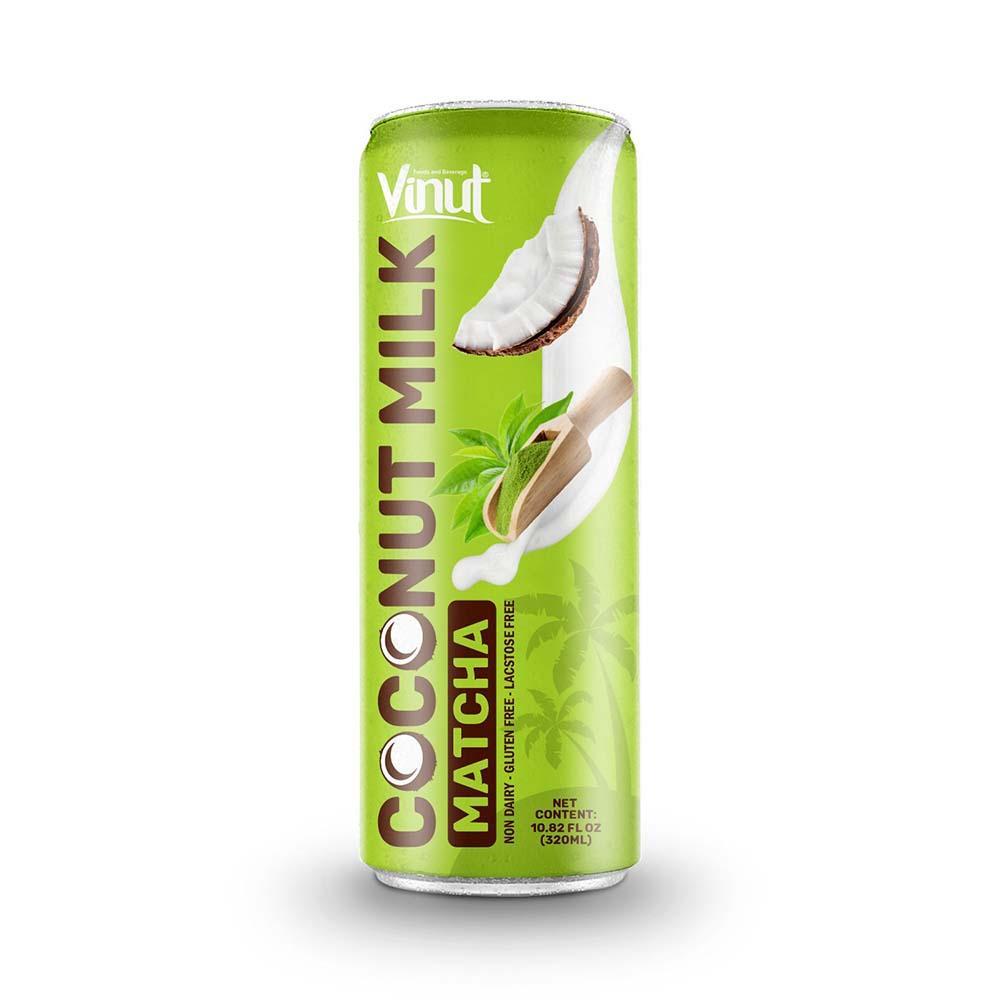
VINUT products
Explore related drinks
View ingredients, sizes and packaging.
VII/ Frequently Asked Questions
Is no-preservative tea healthier?
Not necessarily. Product quality depends on the complete formulation, including sugar level, nutrition profile, and manufacturing quality.
Does no preservative mean unprocessed?
No. Many no-preservative beverages rely on advanced processing methods.
Can no-preservative tea have a long shelf life?
Yes, if formulation, packaging, and stability validation are properly designed.
Which packaging works best?
There is no universal answer. The best option depends on distribution conditions, shelf requirements, and product formulation.
VIII/ Conclusion
The rise of no-preservative RTD tea reflects changing consumer expectations around transparency, convenience, and ingredient simplicity. But the absence of preservatives alone does not determine product quality.
Shelf-stable tea without added preservatives depends on controlled formulation, safe processing, packaging performance, and verified shelf-life data.
For consumers and buyers alike, understanding how these systems work provides a more informed way to evaluate beverage choices.
FAQ
What does "no-preservative" mean for ready-to-drink tea?
It refers to RTD tea made without added chemical preservatives in the ingredient list. This doesn't mean the product is untreated — safety and shelf stability are still achieved through heat treatment, controlled acidity, and specialized filling technology.
Does "no-preservative" mean the tea is unprocessed?
No. Many no-preservative beverages actually rely on more advanced processing methods — such as hot-fill or aseptic filling — to achieve the same shelf stability that preservatives would otherwise provide.
How can tea stay shelf-stable without added preservatives?
Manufacturers combine several controls: precise formulation (tea concentration, acidity, sweetness), heat treatment to reduce microorganisms, hot-fill or aseptic filling systems, protective high-barrier packaging, and rigorous shelf-life and microbial testing before release.
What is the difference between aseptic and hot-fill processing?
Hot-fill involves heating the beverage and filling it into containers while still hot, using residual heat to help sterilize the packaging. Aseptic processing sterilizes the product and packaging separately before combining them in a sterile environment, which can allow for cold filling and different packaging formats. The right choice depends on the product formulation, packaging type, and distribution requirements.
Does choosing "no-preservative" tea mean that products with preservatives are unsafe?
No. Approved food preservatives are regulated to ensure food quality and safety. Choosing a no-preservative option reflects a consumer preference for simpler ingredient lists — it isn't a statement about the safety of preserved alternatives.
What does "clean label" mean for beverages?
Clean label generally refers to products formulated with shorter, more familiar ingredient lists that consumers can easily recognize and understand — reflecting a broader shift toward ingredient transparency rather than a specific regulatory standard.
Can no-preservative tea still have a long shelf life?
Yes, if the formulation, processing, and packaging are properly designed and validated through shelf-life and stability testing. Preservatives are one way to extend shelf life, but not the only way.
Which packaging works best for no-preservative RTD tea?
There's no single best option — the right packaging (aluminum cans, PET bottles, or aseptic cartons) depends on distribution conditions, shelf-life requirements, and the specific product formulation.
About this article
The VINUT editorial team publishes articles about beverage ingredients, product characteristics, and practical information for readers and international buyers.