Buyer Briefing
7 min read · 1,331 words
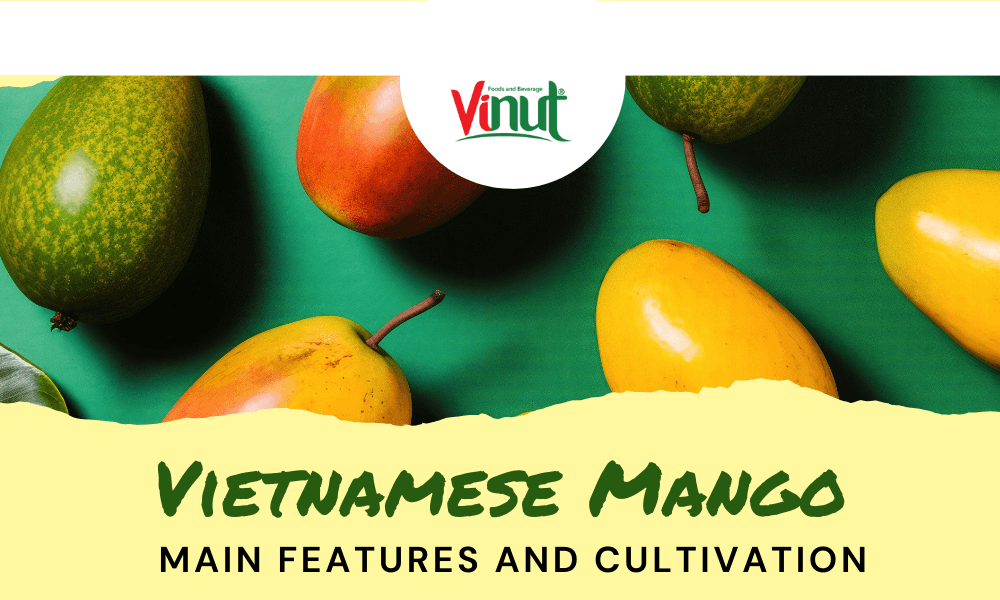
Vietnamese mango refers to the diverse mango varieties cultivated across Vietnam, particularly in southern provinces and the Mekong Delta. Popular varieties include Hoa Loc, Cat Chu, and Keo mangoes, each offering different flavors and textures. Fresh mango naturally provides vitamin C, carotenoids, dietary fiber, folate, and other nutrients and can be enjoyed fresh or used in juices, smoothies, salads, desserts, and processed foods.
- Vietnamese mango includes several distinctive varieties.
- Hoa Loc, Cat Chu, and Keo are recognizable Vietnamese mangoes.
- Southern Vietnam and the Mekong Delta are important production regions.
- Mango provides vitamin C, carotenoids, folate, fiber, and other nutrients.
- Ripe and green mangoes offer very different flavors and textures.
- Mango trees generally prefer warm climates, sunlight, and well-drained soil.
- Vietnamese mango can be consumed fresh or processed into many products.
- Juice, smoothies, dried mango, salads, and desserts are common applications.
Listen to the article summary
AI-generated voice · English · 3:16
Read transcript
Vietnamese mango is a significant tropical fruit, reflecting the diversity of Vietnam's agricultural landscape. Known for its attractive aroma, juicy texture, and flavors ranging from tart to intensely sweet, it's widely enjoyed fresh and used in various dishes, beverages, and desserts. Vietnam's warm tropical climate, especially in the southern regions and the Mekong Delta, provides ideal conditions for its cultivation. Mango, or Mangifera indica, originated in South Asia and spread through migration and trade, eventually becoming an important crop in Vietnam's southern provinces. What makes Vietnamese mango special is its diversity; the country cultivates multiple varieties differing in size, shape, color, texture, aroma, and flavor. Depending on the variety and ripeness, mangoes can be crisp and tart, suitable for salads and savory dishes, or soft, aromatic, and intensely sweet for fresh consumption. This versatility extends to its culinary applications, where it's used in juices, smoothies, desserts, dried fruit, and even savory preparations. Several varieties are culturally and commercially important. Hoa Loc mango, particularly from the Mekong Delta, is prized for its fragrant aroma, soft flesh, and sweet flavor when ripe. Cat Chu is another well-known variety from southern Vietnam, also valued for its sweet, aromatic flesh. Keo mango is recognized for its firm, crisp texture and sweet-and-sour profile, making it suitable for fresh eating with seasoning or in salads. Mango cultivation is prominent in southern Vietnam, with key growing areas including Dong Thap, Tien Giang, An Giang, and Can Tho provinces. These regions support diverse varieties and production scales. Nutritionally, fresh mango provides vitamin C, provitamin A carotenoids, folate, dietary fiber, and potassium. Vitamin C supports immune function, while carotenoids can convert to vitamin A, contributing to vision and immune health. Dietary fiber aids digestive function. Mango trees thrive in tropical and subtropical climates, requiring warm temperatures, plenty of sunlight, and well-drained soil. While young trees need regular irrigation, mature trees can tolerate drier conditions, though water availability impacts fruit development. The main harvest season in many southern areas generally falls during warmer months, but cultivation practices can extend availability throughout a substantial portion of the year. Vietnamese mango's importance extends beyond a fresh fruit; it connects agricultural production with domestic food culture, processing, beverage manufacturing, and international trade. Its flexibility allows it to be enjoyed fresh, or processed into juices, purées, dried fruit, and other food and beverage ingredients, giving it considerable value across the broader food industry.
Vietnamese mango is one of the tropical fruits that reflects the diversity and richness of Vietnam's agricultural landscape. Known for its attractive aroma, juicy texture, and flavors ranging from pleasantly tart to intensely sweet, mango is widely enjoyed fresh and used in beverages, desserts, salads, and many other dishes.
Vietnam's warm tropical climate provides favorable conditions for mango cultivation, particularly in the southern regions and the Mekong Delta. Different growing areas produce distinctive mango varieties with their own characteristics, culinary applications, and market potential.
In this article, VINUT explores the origins of mango, the characteristics of Vietnamese mangoes, major growing regions, nutritional value, cultivation conditions, and popular ways to enjoy this tropical fruit.
I/ Where Does Mango Come From?
Mango (Mangifera indica) has a long history of cultivation in South Asia. The fruit is generally associated with a region extending from the Indian subcontinent into parts of Southeast Asia.
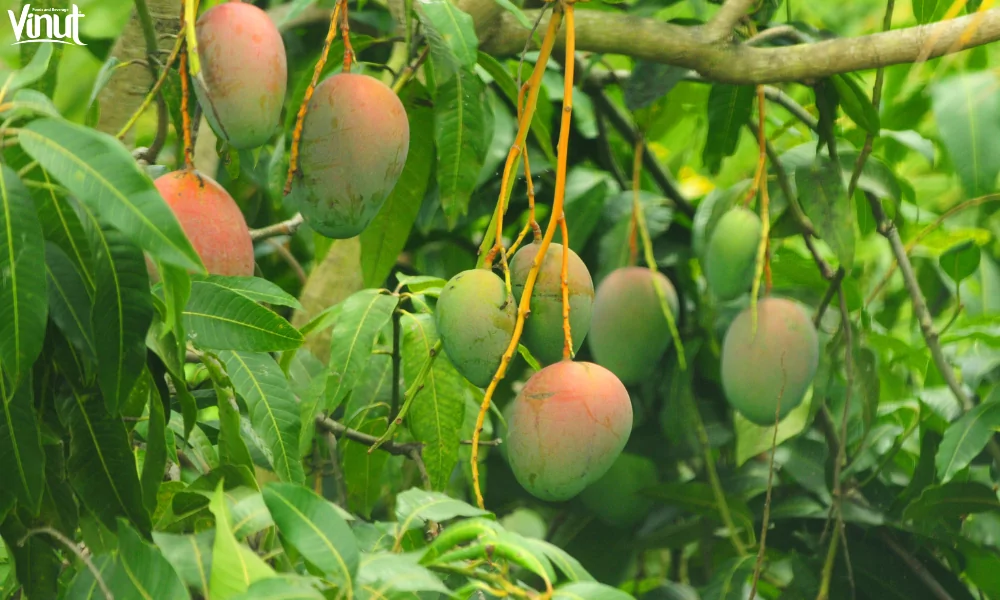
Mango has been cultivated for thousands of years and gradually spread to different regions through migration, agriculture, and trade.
Over time, mango cultivation expanded throughout tropical and subtropical areas of Asia and later to other parts of the world.
Vietnam's tropical climate and agricultural conditions have enabled mango to become an important fruit crop, particularly in the country's southern provinces.
II/ What Makes Vietnamese Mango Special?
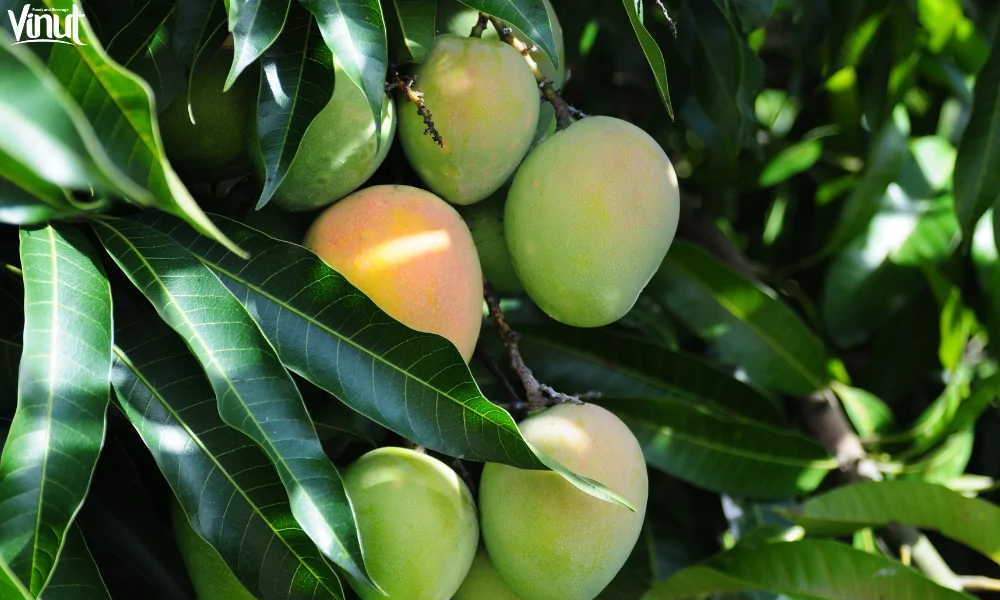
Vietnamese mango is not limited to a single type. The country grows multiple varieties that differ in size, shape, color, texture, aroma, and flavor.
1. Diverse Flavors
Depending on the variety and stage of ripeness, Vietnamese mangoes can range from crisp and tart to soft, aromatic, and intensely sweet.
Ripe mango is commonly enjoyed as fresh fruit, while firmer green mango is particularly suitable for salads, snacks, and savory dishes.
2. Different Shapes and Sizes
Vietnamese mango varieties can have noticeably different appearances.
Some have elongated bodies and tapered ends, while others are shorter and rounder. Fruit weight also varies considerably depending on the cultivar and growing conditions.
3. Versatile Culinary Applications
Mango is extremely versatile in Vietnamese cuisine.
It can be eaten fresh or incorporated into:
Fruit juice
Smoothies
Salads
Desserts
Ice cream
Yogurt
Sauces
Dried fruit
Savory dishes
This versatility helps mango appeal to both domestic consumers and international markets.
III/ What Are Some Popular Vietnamese Mango Varieties?
Vietnam is home to several commercially and culturally important mango varieties.
Hoa Loc Mango
Cát Hòa Lộc, commonly called Hoa Loc mango, is one of Vietnam's best-known mango varieties. It is associated particularly with the Mekong Delta and is valued for its fragrant aroma, soft flesh, and sweet flavor when ripe.
Cat Chu Mango
Cat Chu is another well-known variety cultivated in southern Vietnam, particularly in the Mekong Delta.
It generally develops sweet, aromatic flesh when ripe and is consumed fresh as well as marketed commercially.
Keo Mango
Keo mango is recognizable for its firm, crisp texture, especially before full ripeness.
Its sweet-and-sour profile makes it suitable for eating fresh with seasoning or incorporating into salads and other dishes.
Other Mango Varieties
Many other cultivars and local selections are grown throughout Vietnam. Their characteristics vary according to genetics, location, agricultural practices, and harvest stage.
IV/ Where Are Mangoes Grown in Vietnam?
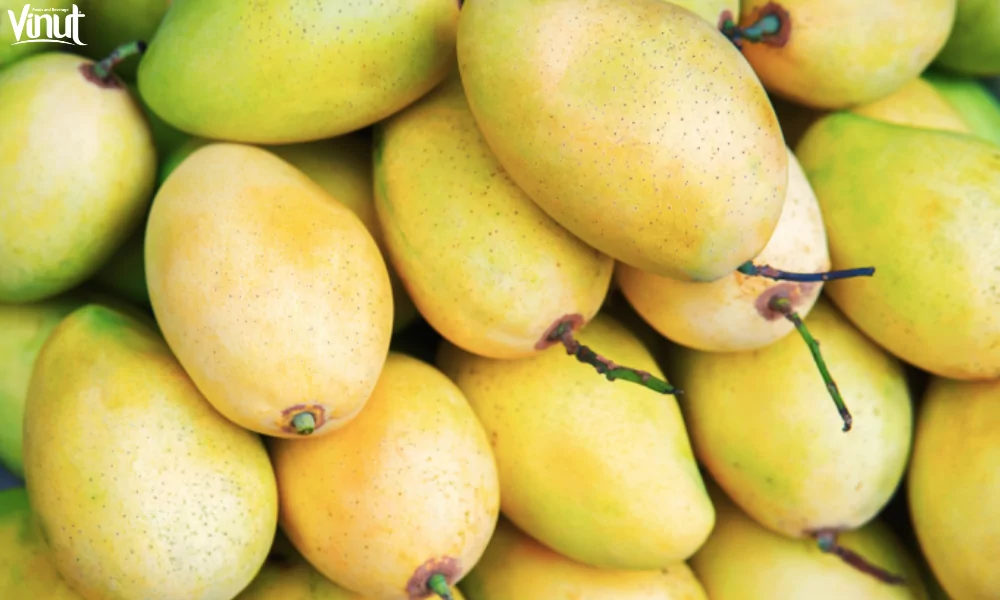
Mango cultivation is especially prominent in southern Vietnam, where warm temperatures support tropical fruit production.
Important mango-growing areas include:
Dong Thap: An important fruit-growing province in the Mekong Delta, known for mango cultivation.
Tien Giang: A major tropical fruit production area associated with several mango varieties.
An Giang: Produces mangoes for domestic consumption and commercial distribution.
Can Tho: The surrounding agricultural areas support a variety of tropical fruit crops, including mango.
Other southern provinces: Mango cultivation also occurs across other suitable areas of the Mekong Delta and southern Vietnam.
Growing regions can differ in their dominant varieties, harvest periods, production scale, and cultivation practices.
V/ What Nutrients Are Found in Mango?
Mango is valued not only for its flavor but also for its nutritional profile.
Fresh mango naturally provides:
Vitamin C
Provitamin A carotenoids
Folate
Dietary fiber
Potassium
Naturally occurring carbohydrates
Various plant compounds
Vitamin C contributes to normal immune function and collagen formation. Carotenoids include compounds that the body can convert into vitamin A, which contributes to normal vision and immune function.
Whole mango also provides dietary fiber, which contributes to normal digestive function.
The exact nutritional composition varies according to the mango variety, ripeness, growing conditions, and serving size.
VI/ What Conditions Do Mango Trees Need to Grow?
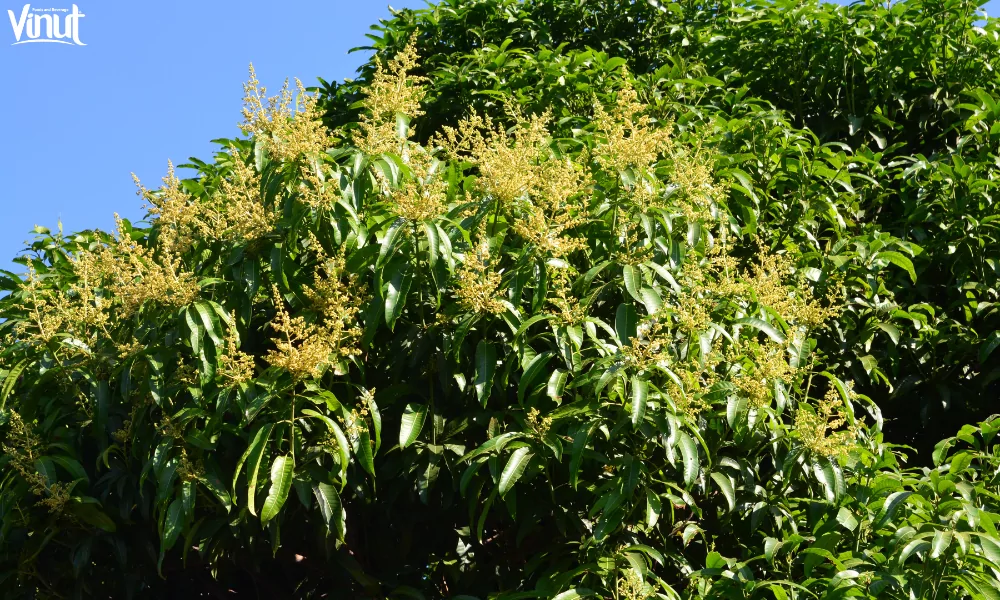
Mango trees are well adapted to warm environments, but successful cultivation depends on several factors.
Climate
Mango trees generally perform well in tropical and subtropical climates.
Warm temperatures encourage growth, while relatively dry conditions during certain stages can support flowering and fruit production.
Soil
Mango can grow in several soil types, but good drainage is particularly important.
Waterlogged soil can negatively affect root development and overall tree health. Soil fertility and appropriate nutrient management can also influence productivity.
Sunlight
Mango trees require plenty of sunlight.
Adequate sun exposure supports photosynthesis, vegetative growth, flowering, and fruit development.
Water
Young mango trees require appropriate irrigation while establishing their root systems.
Mature trees can become relatively tolerant of dry conditions, although water availability at important growth stages can affect flowering, fruit development, and yield.
VII/ How Long Does a Mango Tree Take to Produce Fruit?
The time required for a mango tree to produce fruit varies considerably.
Trees grown from seed generally take longer to begin fruiting than grafted trees. Cultivar, climate, soil, agricultural practices, and overall plant health can also affect the timeline.
Commercial growers often use grafted plants because they can help maintain desired varietal characteristics and may produce fruit sooner than seed-grown trees.
Mature mango trees can remain productive for many years when grown under suitable conditions and managed appropriately.
VIII/ When Is Mango Season in Vietnam?
Vietnam's climate and variety of growing regions allow mangoes to be harvested during different periods.
The main harvest season in many southern production areas generally falls during the warmer months, although timing varies according to location, cultivar, weather, and agricultural techniques.
Some growers also use cultivation practices designed to manage flowering and extend commercial availability beyond the traditional peak season.
As a result, consumers may find Vietnamese mangoes available during a substantial portion of the year.
IX/ How Is Vietnamese Mango Used?
Mango's ability to work in both sweet and savory applications is one of its greatest strengths.
Fresh Mango
Ripe mango can simply be peeled, sliced, and enjoyed on its own.
Green Mango
Firm green mango provides a crisp texture and tart flavor. It is commonly paired with seasonings or incorporated into salads.
Mango Juice and Smoothies
Ripe mango creates naturally rich and aromatic fruit beverages.
Its soft flesh also provides a thick texture that works particularly well in smoothies.
Dried Mango
Removing moisture creates a portable fruit snack with concentrated sweetness and a chewy texture.
Desserts
Mango pairs naturally with coconut, yogurt, sticky rice, ice cream, and other tropical ingredients.
X/ How Do You Choose a Good Vietnamese Mango?
The ideal mango depends partly on how you intend to use it.
For ripe mango, look for fruit with characteristics typical of its variety. A pleasant aroma and slight softness can indicate ripeness in many cultivars.
For salads or dishes requiring a crisp texture, firmer green mango may be preferable.
Consider these factors:
Choose fruit without major bruises or damaged areas.
Understand the characteristics of the specific variety.
Use firmer mangoes for crisp or savory preparations.
Select appropriately ripe mangoes for smoothies and desserts.
Avoid relying on skin color alone because color varies among varieties.
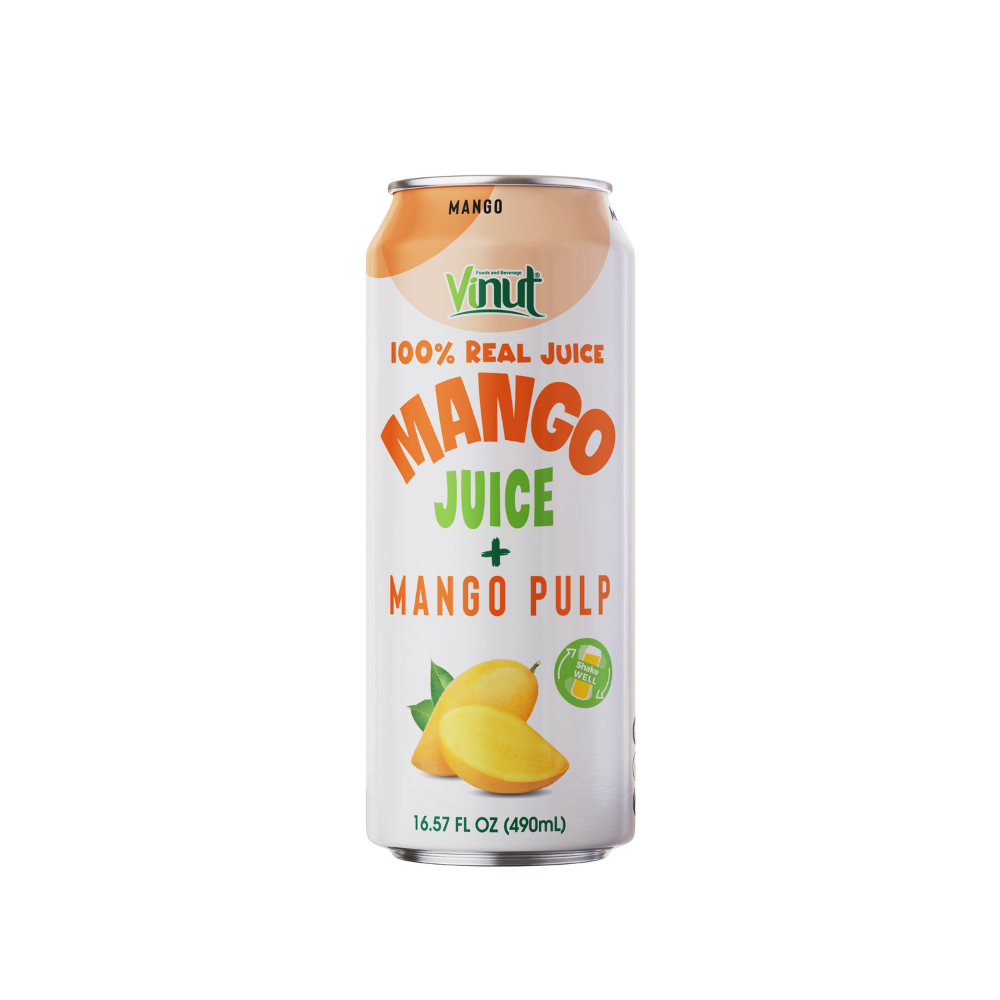
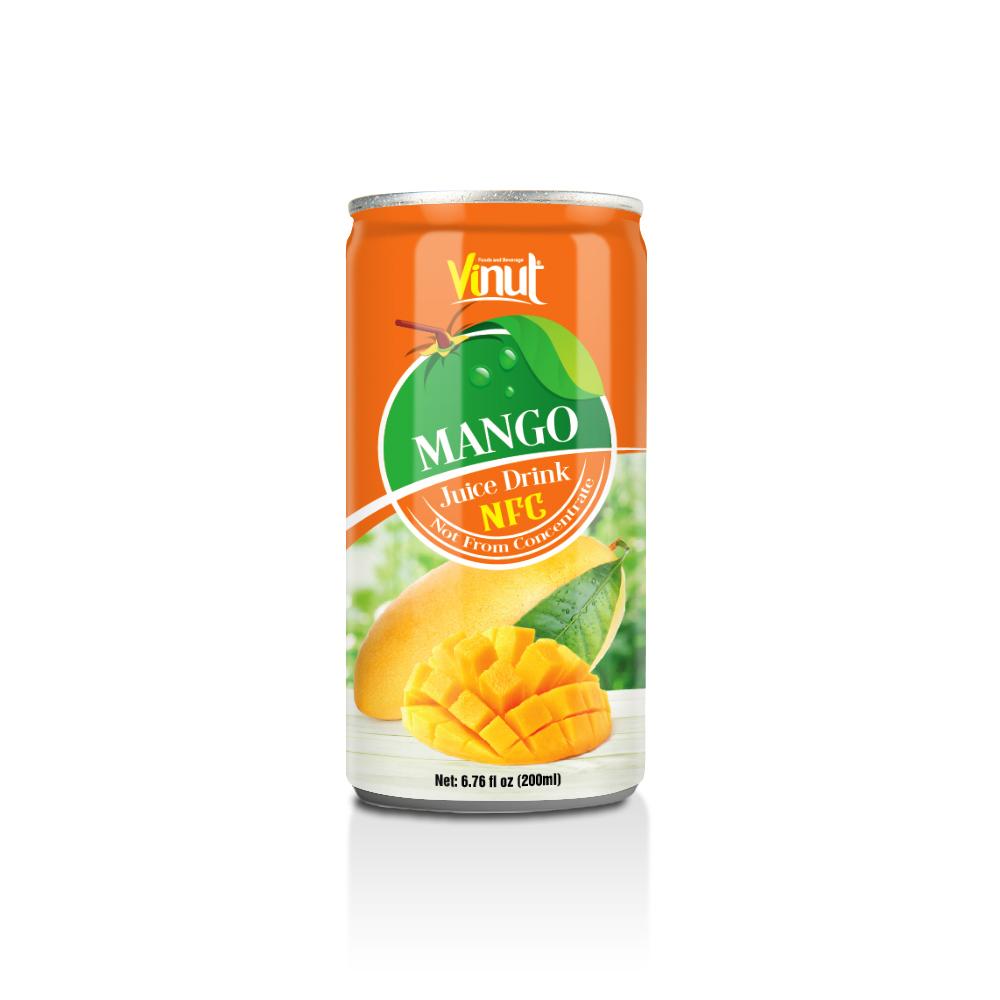
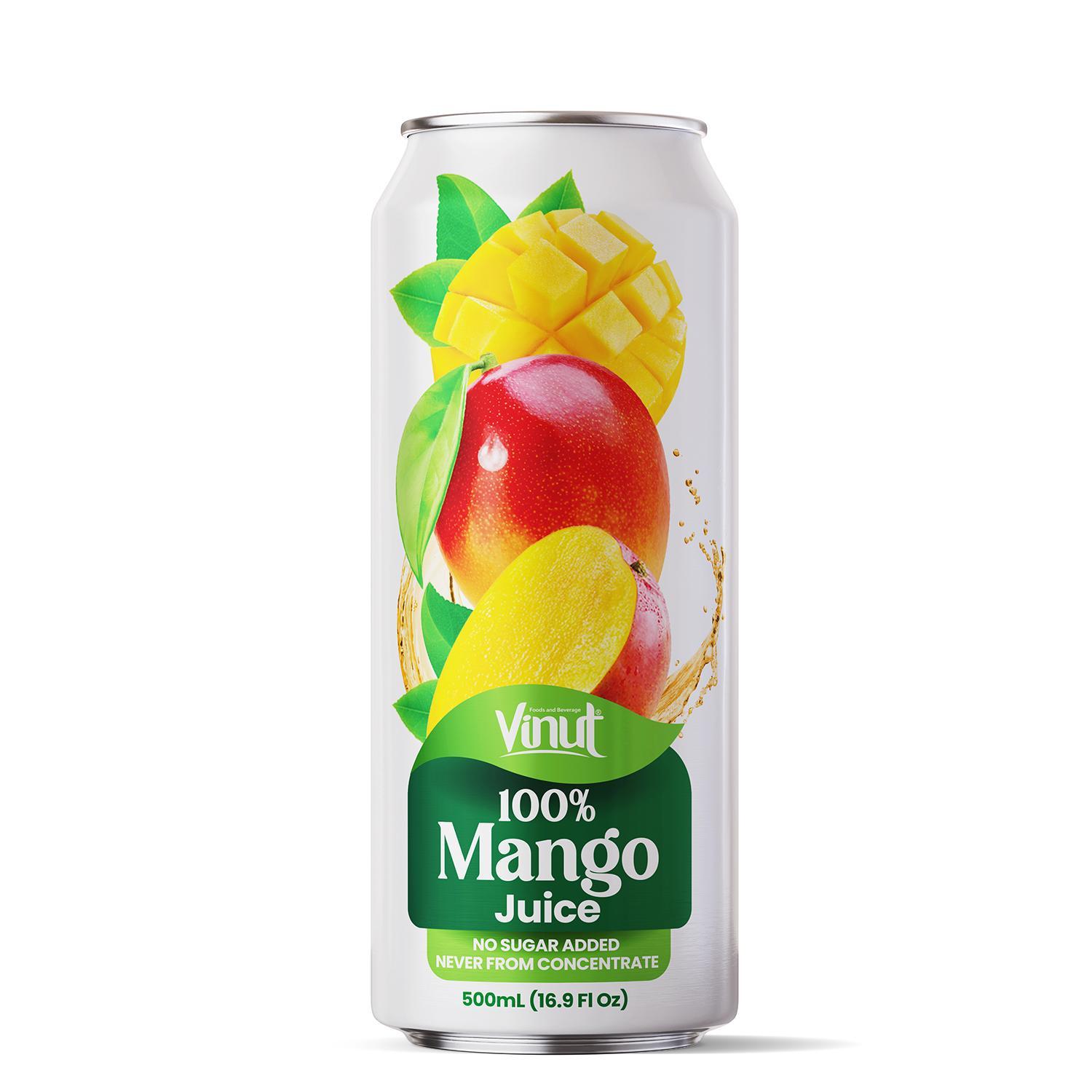
VINUT products
Explore related drinks
View ingredients, sizes and packaging.
XI/ Why Is Vietnamese Mango Important?
Vietnamese mango represents more than a fresh tropical fruit.
It connects agricultural production with domestic food culture, food processing, beverage manufacturing, and international trade.
Different forms of mango can also serve different markets. Fresh fruit highlights the characteristics of individual cultivars, while processed mango can be transformed into juice, purée, dried fruit, frozen products, sauces, and other food and beverage ingredients.
This flexibility gives mango considerable value across the broader food industry.
XIV/ Conclusion
Vietnamese mango combines tropical flavor, nutritional value, culinary versatility, and an important connection to Vietnam's agricultural landscape.
From fragrant ripe varieties to crisp green mangoes, each type offers a different eating experience. Mangoes can be enjoyed fresh or transformed into juices, smoothies, dried fruit, desserts, salads, sauces, and numerous other products.
The warm climate of southern Vietnam, particularly the Mekong Delta, provides favorable conditions for mango cultivation. Combined with diverse varieties and processing possibilities, this has helped mango maintain an important place in Vietnamese food culture and agriculture.
For visitors exploring Vietnamese tropical fruits, mango offers an excellent opportunity to experience the country's flavor diversity, agricultural heritage, and tropical food culture.
FAQ
What is Vietnamese mango?
Vietnamese mango refers to different mango varieties grown in Vietnam, particularly in tropical fruit-producing areas in the south.
What are the most popular Vietnamese mango varieties?
Hoa Loc, Cat Chu, and Keo are among the recognizable varieties, although many other mango cultivars are also grown.
Where are mangoes grown in Vietnam?
Important production areas are located in southern Vietnam and the Mekong Delta, including provinces such as Dong Thap, Tien Giang, and An Giang.
Is Vietnamese mango sweet?
It depends on the variety and ripeness. Ripe mangoes are often sweet and aromatic, while green mangoes tend to be firmer and more tart.
What nutrients are found in mango?
Fresh mango provides vitamin C, carotenoids, folate, dietary fiber, potassium, and other naturally occurring nutrients.
When is mango season in Vietnam?
Harvest periods vary according to region and variety. Agricultural techniques can also extend availability beyond the traditional main season.
Can Vietnamese mango be used for juice?
Yes. Ripe mango is suitable for juice, smoothies, purées, and other fruit beverages.
How do you choose a ripe Vietnamese mango?
Look for characteristics appropriate to the specific variety. Aroma and slight softness can indicate ripeness, while skin color alone may not always be reliable.
About this article

The VINUT editorial team publishes articles about beverage ingredients, product characteristics, and practical information for readers and international buyers.