
Buyer Briefing
2 min read · 369 words
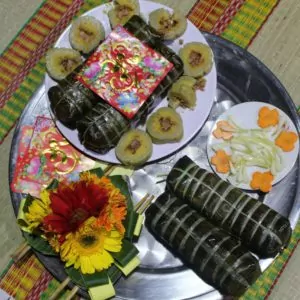
Bánh chưng is a traditional Vietnamese rice cake made from glutinous rice, mung beans, pork, and other ingredients, wrapped in dong leaves and boiled for many hours. It is a significant symbol of Tết (Vietnamese Lunar New Year) and its origin is tied to the legend of Prince Lang Liêu, who offered it to his father, representing the earth. Making and eating bánh chưng is a cherished tradition passed down through generations, emphasizing family togetherness, and it is also enjoyed year-round.
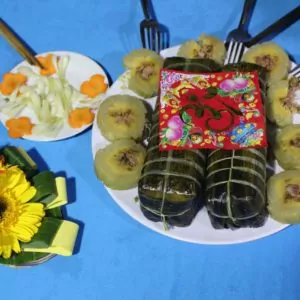
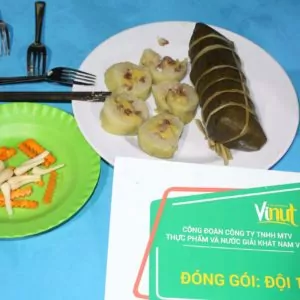
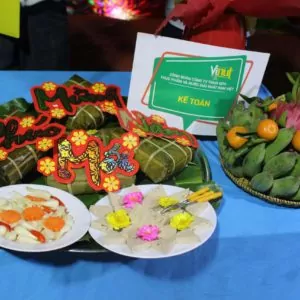
- Bánh chưng is a traditional Vietnamese rice cake, a recognizable symbol of Tết (Vietnamese Lunar New Year), made from glutinous rice, mung beans, pork, and other ingredients, wrapped in dong leaves and boiled for many hours.
- The origin of bánh chưng is linked to the legend of Prince Lang Liêu, who offered a square cake representing the earth to his father, the king, leading to his succession.
- Making and eating bánh chưng is a well-preserved tradition passed down through generations of Vietnamese families, emphasizing togetherness during Tết.
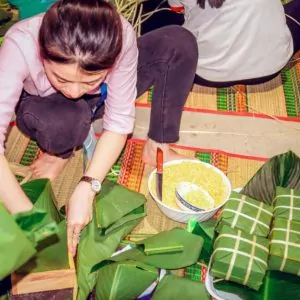
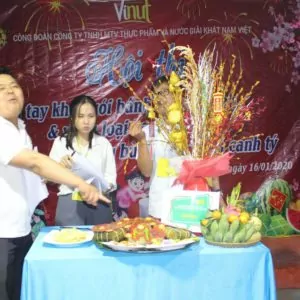
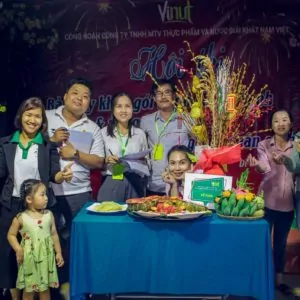
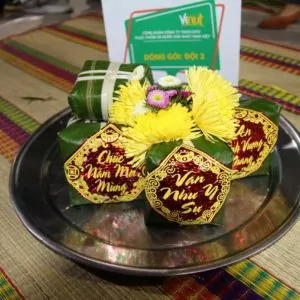
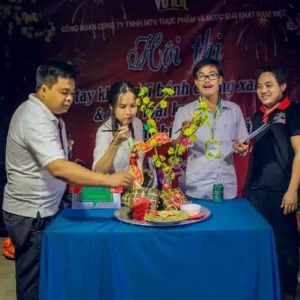
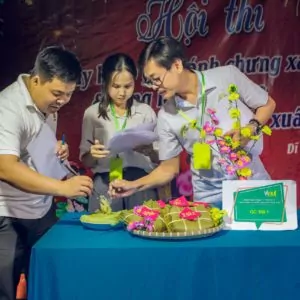
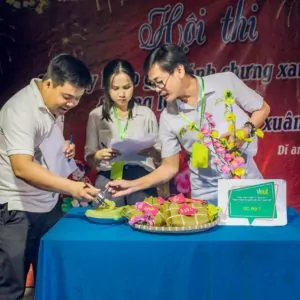
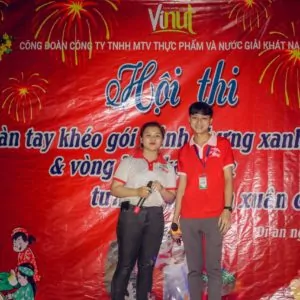
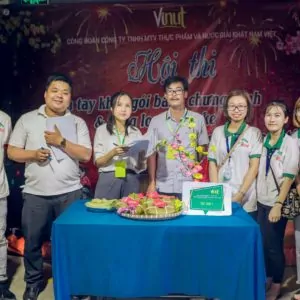
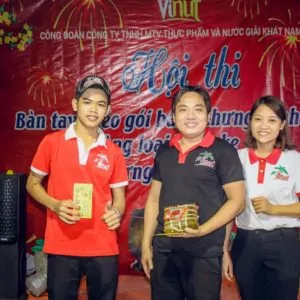
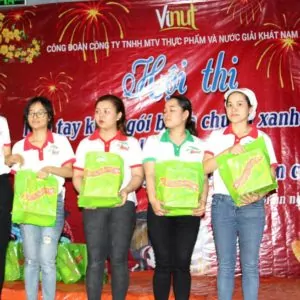
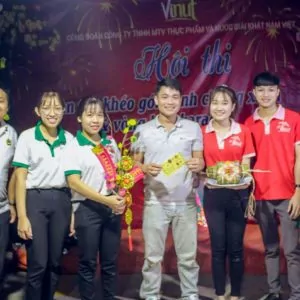
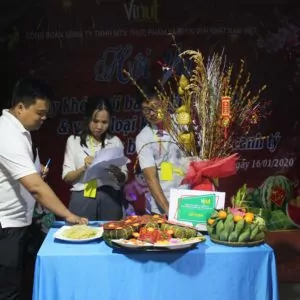
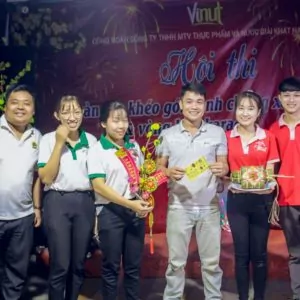
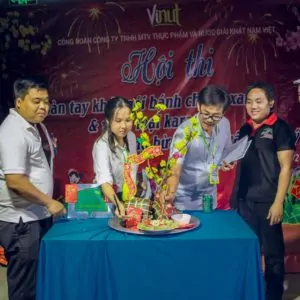
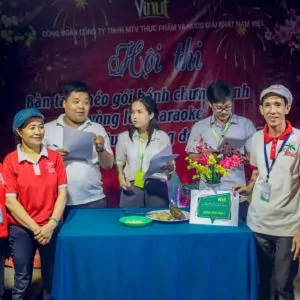
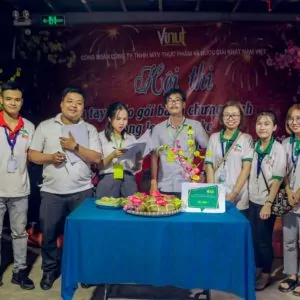
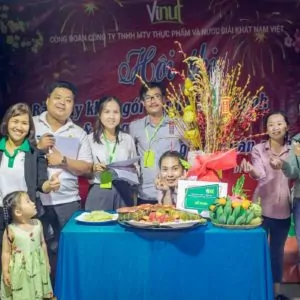
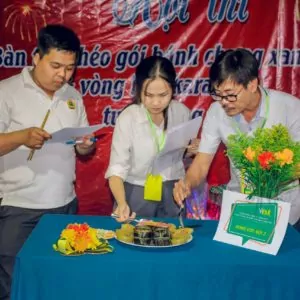
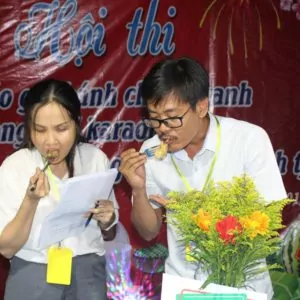
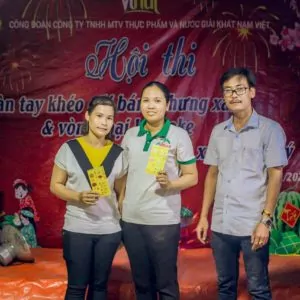
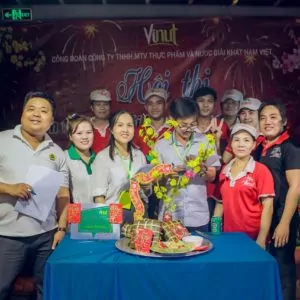
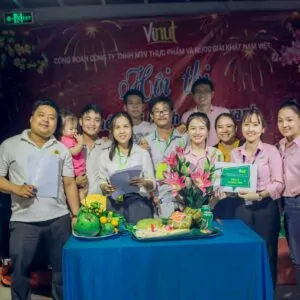
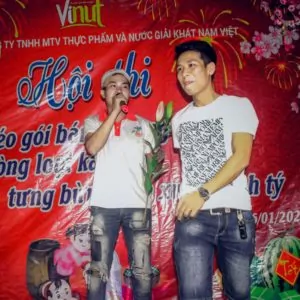
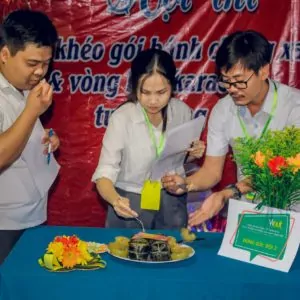
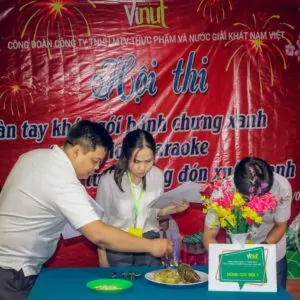
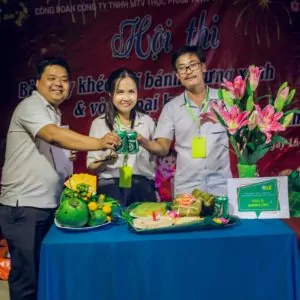
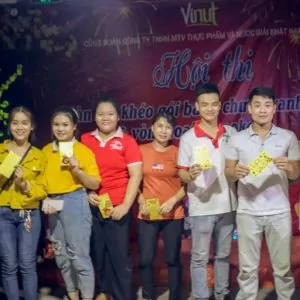
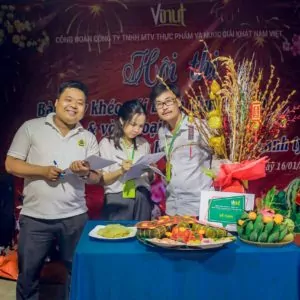
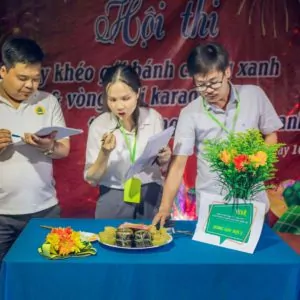
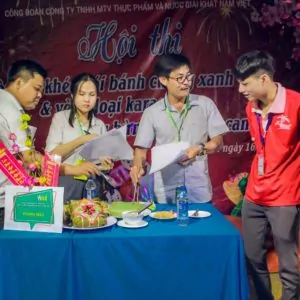
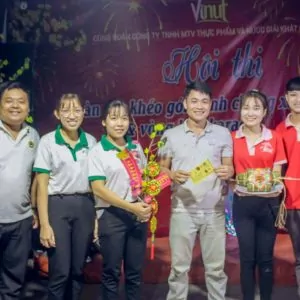
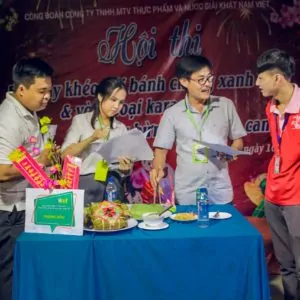
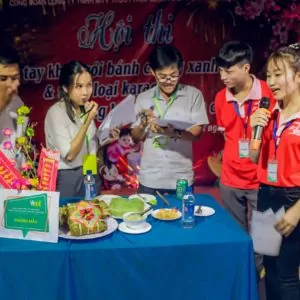
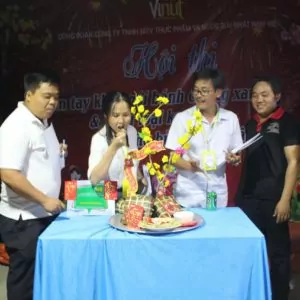
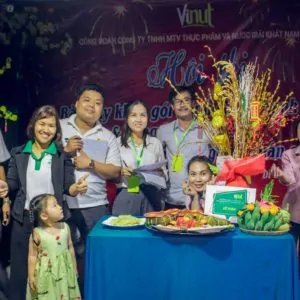
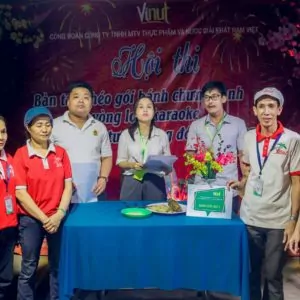
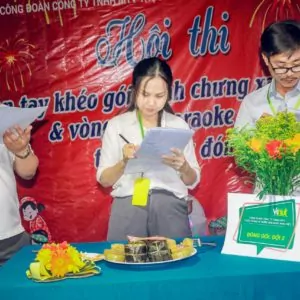
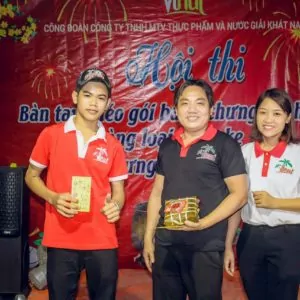
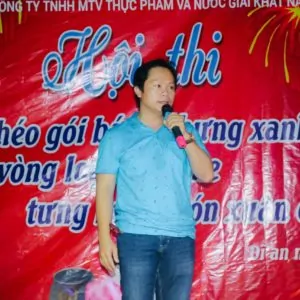
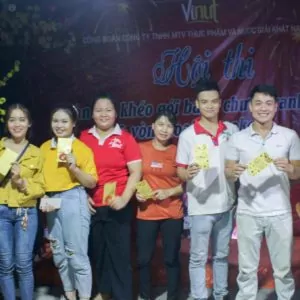
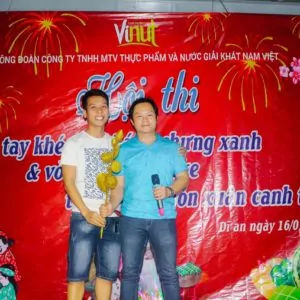
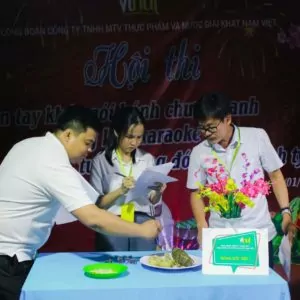
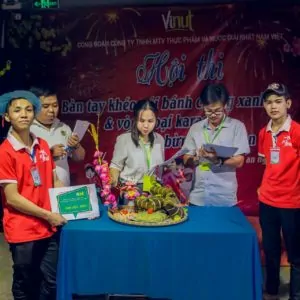
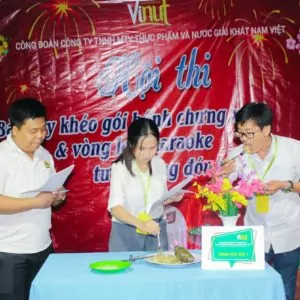
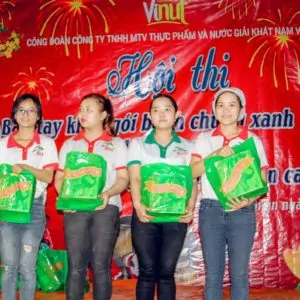
- The VINUT team comes together each year to carry on the tradition of making bánh chưng.
Bánh chưng or Chung Cake is a traditional Vietnamese rice cake made from glutinous rice, mung beans, pork, and other ingredients, wrapped in dong leaves and boiled for many hours. It's one of the most recognizable symbols of Tết (Vietnamese Lunar New Year) — and each year, the VINUT team comes together to carry on this cherished tradition.
1. The Legend Behind Bánh Chưng
The origin of bánh chưng is told through the legend of Lang Liêu, a prince of the last king of the sixth Hùng Dynasty. According to the story, the king challenged his sons to bring him the most meaningful offering to determine his successor. While his brothers brought rare delicacies from land and sea, Lang Liêu — the poorest of the princes — offered two simple dishes made from rice: a square cake called bánh chưng, representing the earth, and a round cake called bánh giầy, representing the sky. Moved by the humility and symbolism behind his creation, the king named Lang Liêu his successor. This story, part of Vietnamese folklore, is often cited by cultural resources such as Vietnam National Administration of Tourism as central to understanding Tết traditions.
2. A Tradition of Family and Togetherness
Considered an essential part of the family altar during Tết, making and eating bánh chưng is a well-preserved tradition passed down through generations of Vietnamese families. In many households, wrapping bánh chưng together — often over an entire evening or overnight, as the cakes boil for 8 to 12 hours — is as much about spending time together as it is about the food itself. Beyond the Tết holiday, bánh chưng is also enjoyed year-round as a beloved part of everyday Vietnamese cuisine.
3. Bánh Chưng at VINUT
3.1 Selected Moments from Our Bánh Chưng Tradition












Conclusion
Bánh chưng is more than a dish — it's a living connection to Vietnamese heritage, family, and the spirit of Tết. At VINUT, coming together each year to make bánh chưng is a way of honoring this tradition and the values it represents: togetherness, gratitude, and the simple beauty of shared effort.
Celebrating Tết with VINUT beverages? Explore VINUT's product catalog for festive drink pairings, or request a free catalog to learn more.
Related reading: Vietnamese Coffee History and Culture Explained
FAQ
What is bánh chưng made of?
Bánh chưng is made from glutinous rice, mung beans, and pork, wrapped in dong leaves (a type of banana-like leaf) and boiled for many hours.
What does bánh chưng symbolize?
According to legend, bánh chưng's square shape symbolizes the earth, created by Prince Lang Liêu alongside the round bánh giầy, which symbolizes the sky.
When is bánh chưng eaten in Vietnam?
It's most closely associated with Tết (Vietnamese Lunar New Year), when families gather to make and share it, though it's also enjoyed year-round as part of everyday Vietnamese cuisine.
How long does it take to cook bánh chưng?
Traditional preparation involves boiling the wrapped cakes for 8–12 hours, often overnight, to fully cook the rice and filling.
What's the difference between bánh chưng and bánh giầy?
Bánh chưng is square and contains a savory filling of pork and mung beans, while bánh giầy is a round, plain sticky rice cake — together they represent the earth and sky in Vietnamese legend.
About this article
The VINUT editorial team publishes articles about beverage ingredients, product characteristics, and practical information for readers and international buyers.