Buyer Briefing
3 min read · 663 words
100% juice describes declared juice content under applicable market rules, NFC describes a processing route, and pulp describes texture. Check the product name, ingredients and nutrition information on the exact package for its destination market.
- 100% juice and NFC describe different aspects of a product.
- Fruit nectar has market-specific definitions.
- Pulp changes texture but does not confirm fibre content.
- Use the finished-product label to compare packaged drinks.
Packaged fruit drinks can look similar while differing in composition and processing. “100% juice” describes juice content under the rules for a market, “not from concentrate” (NFC) describes a processing route, and “with pulp” describes texture. They are not interchangeable terms, and one product may fit more than one description.
What counts as fruit juice?
Product names and composition rules vary by market. In the European Union, fruit juice, fruit juice from concentrate and fruit nectar are defined product categories. In the United States, FDA rules address juice percentage declarations for beverages represented as containing fruit or vegetable juice. A fruit image alone does not tell you a packaged drink’s juice percentage or full composition.
For a product you are considering, start with its name and ingredient list. Then check any juice-content declaration required in the destination market. If you are comparing drinks sold in different countries, use the rules and label for each market rather than assuming one label convention applies worldwide.
How common juice terms differ
100% juice
A “100% juice” statement concerns the product’s declared juice content under applicable rules. It does not, by itself, tell you whether the juice was made from concentrate, how sweet or tart it tastes, or whether it contains pulp. Read the product name and ingredient information together.
Juice from concentrate
Concentrated fruit juice is made by physically removing some water from juice. Juice from concentrate is then made by reconstituting the concentrate with water, subject to the rules of the relevant market. This describes processing; it is not, on its own, a conclusion about taste or nutritional value.
For a closer look at the processing term, see VINUT’s juice-concentrate explainer. That article is a separate existing page; consult the current label and market rules for a specific product.
Not from concentrate (NFC)
NFC means the juice was not made by reconstituting concentrated juice. It does not automatically mean “100% juice,” “no added sugar,” or a particular taste. Check the complete product name, ingredients and applicable juice declaration.
Fruit nectar and juice drinks
Fruit nectar is a defined category in the EU, with composition and minimum fruit-content requirements. “Juice drink” is used for products whose composition may differ from juice categories. The permitted name and required declarations depend on the country and product, so use the exact market label instead of treating these terms as universal legal definitions.
Pulp, purée and texture
Pulp affects the drink’s texture. Purée can also make a beverage feel fuller, depending on its formulation. Neither visible pulp nor thickness proves a particular fibre amount or juice percentage. Use the nutrition declaration and ingredients for the finished product.
Choose by flavour and texture
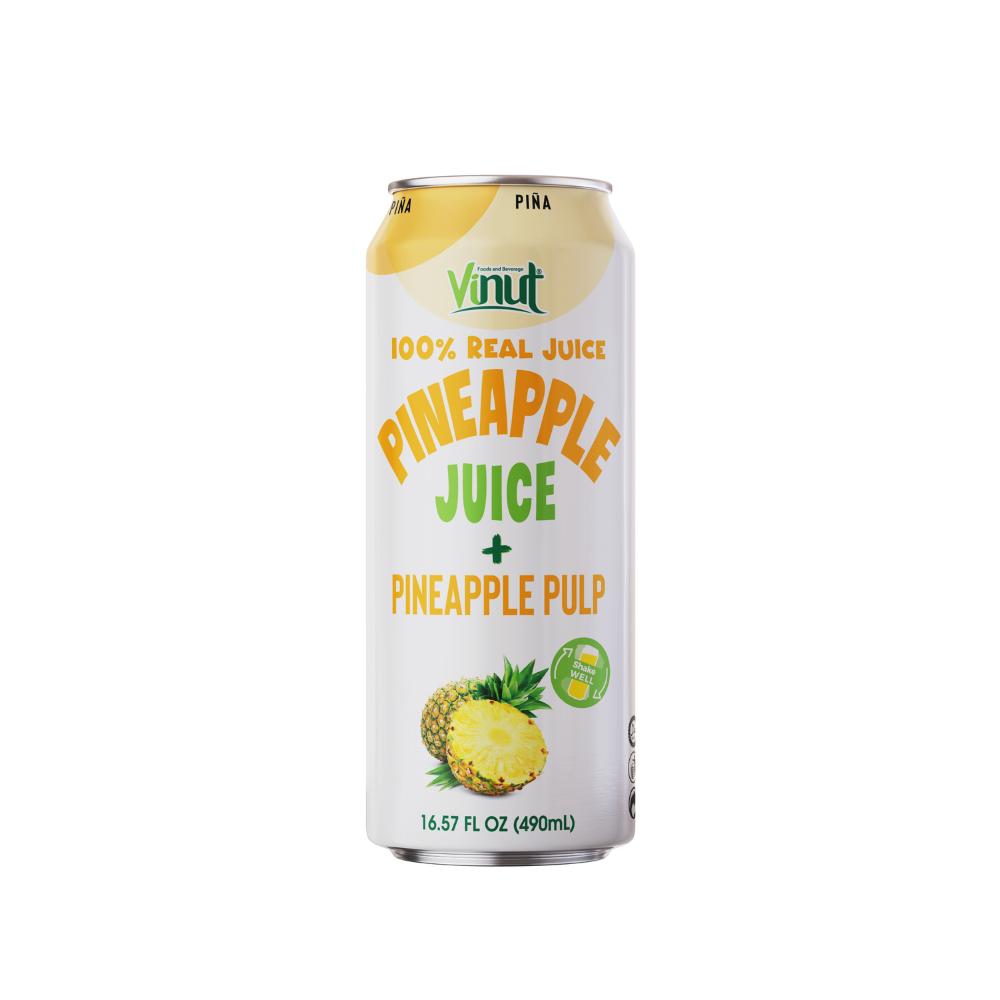
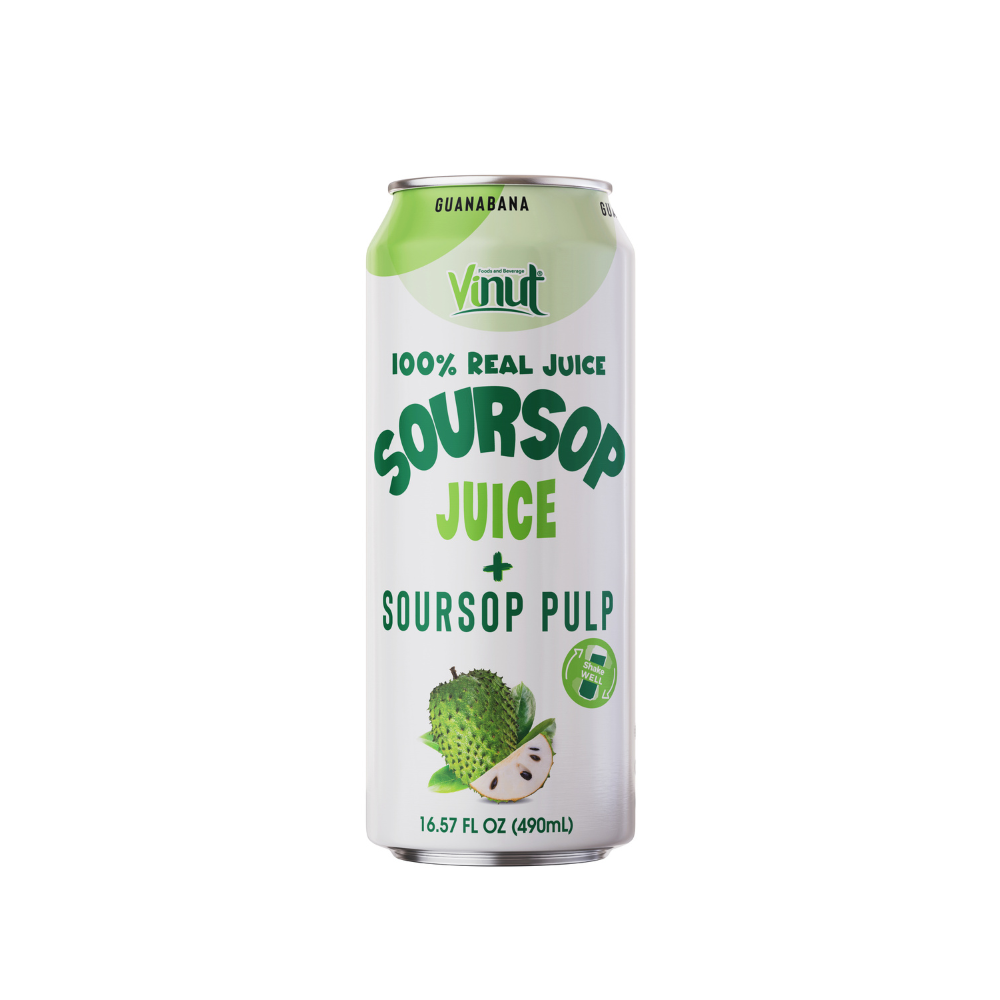
After identifying the product type, consider the flavour and mouthfeel you enjoy. Mango and soursop may offer rounded tropical profiles, while pineapple and passion fruit can be more tangy; actual taste depends on the fruit, recipe, processing and serving temperature. These are general flavour directions, not tasting results for a particular VINUT product.
For texture, choose between a smooth drink, one with visible pulp, or a thicker purée-based style. If nutrition matters to your choice, compare the finished products using the same serving quantity. In the United States, the FDA distinguishes Total Sugars, which include naturally occurring and added sugars, from Added Sugars. “No added sugar” therefore does not mean “sugar-free.” Other markets may present nutrition information differently.
VINUT products
Explore related drinks
View ingredients, sizes and packaging.
A simple label checklist
- Read the product name and identify whether it is juice, juice from concentrate, nectar or another type of drink.
- Check the declared juice percentage where the market requires one.
- Read the ingredient list rather than relying on fruit imagery or flavour names.
- Compare nutrition information using the same serving basis.
- Check the package’s serving and storage directions for that exact product.
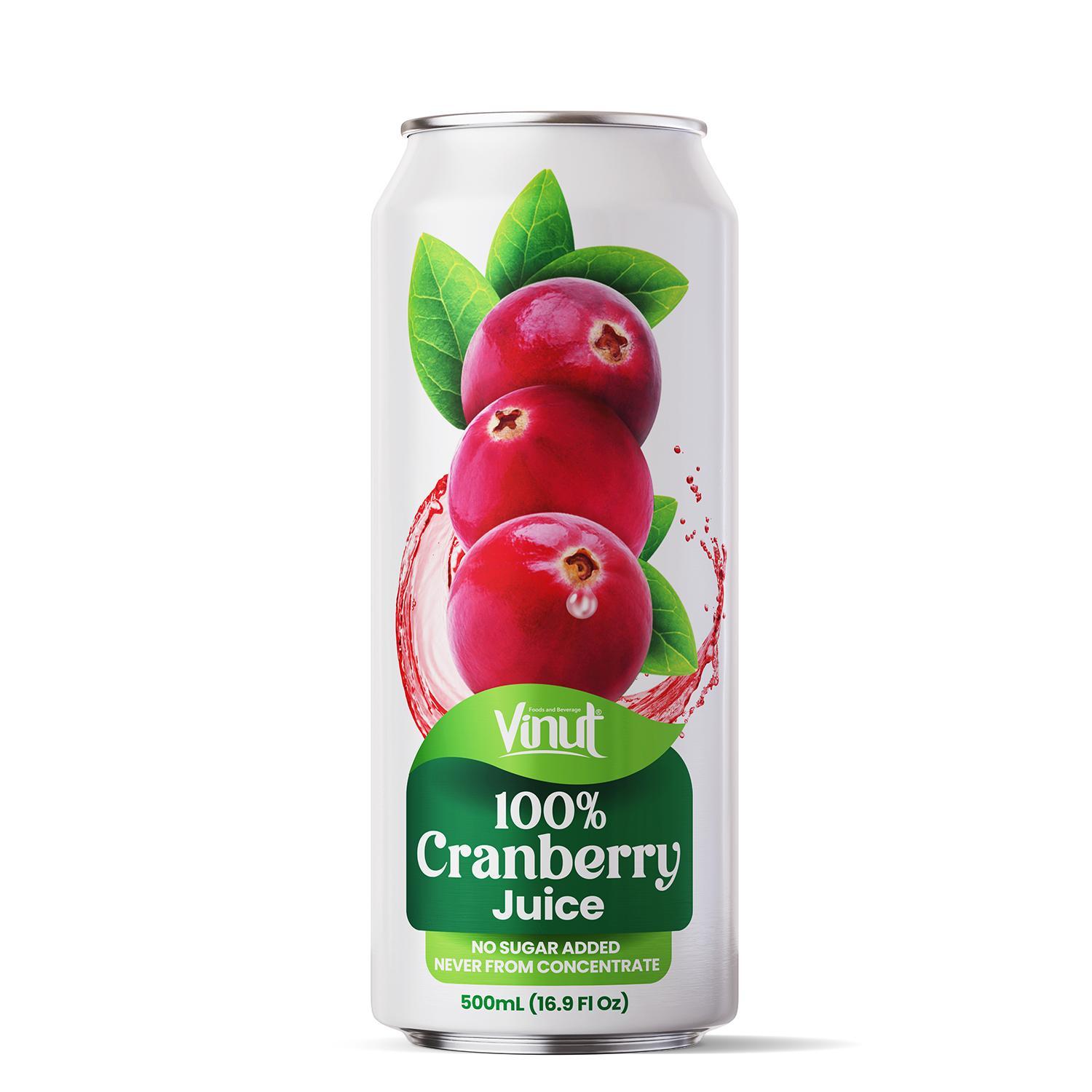
VINUT’s Fruit Juice collection includes different fruit flavours and product formats. Open individual product pages to review their current descriptions, then confirm the approved label and specification for the destination market before making product-specific decisions.
FAQ
What does 100% juice mean?
It describes declared juice content under the applicable rules for the product’s market. It does not, by itself, say whether the juice was made from concentrate or describe its taste or texture.
Is 100% juice the same as not from concentrate (NFC)?
No. “100%” concerns juice content under applicable rules, while NFC describes a processing route. A 100% juice may be made from concentrate, so check the exact product name and label.
Does pulp mean a juice has more fibre?
Not necessarily. Pulp affects texture, but its presence does not establish the finished drink’s fibre content. Check the nutrition declaration for that product.
How should I compare packaged fruit drinks?
Compare the product name, any required juice-content declaration, ingredients and nutrition information using the same serving basis. Then consider flavour, texture, format and the package’s storage directions.
About this article
The VINUT editorial team publishes articles about beverage ingredients, product characteristics, and practical information for readers and international buyers.