

Buyer Briefing
4 min read · 714 words
Ramadan is the holiest month in the Islamic calendar, marking when the Quran was revealed to Prophet Muhammad. Muslims fast from dawn to sunset, abstaining from food, drink, and worldly desires. It is also a time for prayer, Quranic recitation, and charity, culminating each evening in the communal Iftar meal.
- Ramadan is a sacred month for Muslims worldwide, observed as a profound spiritual journey of reflection, self-discipline, and devotion.
- It signifies the revelation of the Quran to Prophet Muhammad and involves fasting from dawn till sunset, abstaining from food, drink, and worldly desires.
- Fasting fosters self-discipline and empathy, helping believers understand the struggles of the less fortunate and encouraging acts of charity.
- Spiritual practices during Ramadan include additional prayers like Taraweeh and the recitation of the entire Quran to nourish the soul and deepen faith.
- Ramadan is a time for community and solidarity, with the daily fast broken at sunset during Iftar, bringing families and friends together.
- Increased acts of charity (Zakat and Sadaqah) are encouraged to support the less fortunate, embodying compassion and benevolence.
- Ultimately, Ramadan is a month of spiritual transformation, purifying the soul, strengthening faith, and cultivating virtues like patience, gratitude, and compassion.
What is Ramadan? It is a sacred month observed by Muslims worldwide — not merely a fasting period, but a profound spiritual journey. As the crescent moon marks the beginning of this holiest month in the Islamic calendar, millions of Muslims embark on a journey of spiritual renewal, seeking blessings and forgiveness.
In this post. VINUT will take you on the journey of Ramadan – a time of renewal, reflection, and reverence, beckons believers to draw closer to the Divine, embodying the values of compassion, generosity, and gratitude that lie at its core.
1. Understanding Ramadan: A Time of Spiritual Reflection
Ramadan holds a special place in the hearts of Muslims. It marks the revelation of the Quran to the Prophet Muhammad (peace be upon him) and is recognized as one of the Five Pillars of Islam. It is a month characterized by fasting from dawn till sunset, abstaining from food, drink, and other worldly desires. However, beyond the physical act of fasting lies a deeper significance – it’s a time to purify the soul, cultivate empathy, and strengthen one’s connection with the Divine.
VINUT_Understanding Ramadan: A Time of Spiritual Reflection
1.1 Fasting: A Path to Self-Discipline and Empathy
Fasting during Ramadan goes beyond refraining from food and drink; it fosters self-discipline and empathy. By experiencing hunger and thirst, believers develop a deeper understanding of the struggles faced by the less fortunate. It instills gratitude for the blessings they've received. It also encourages acts of charity and compassion toward those in need.
2. Embracing Spiritual Practices During Ramadan
Ramadan is about abstaining from physical indulgences and engaging in various spiritual practices that enrich the soul and deepen one’s faith.
2.1 Prayer: Strengthening the Bond with the Divine
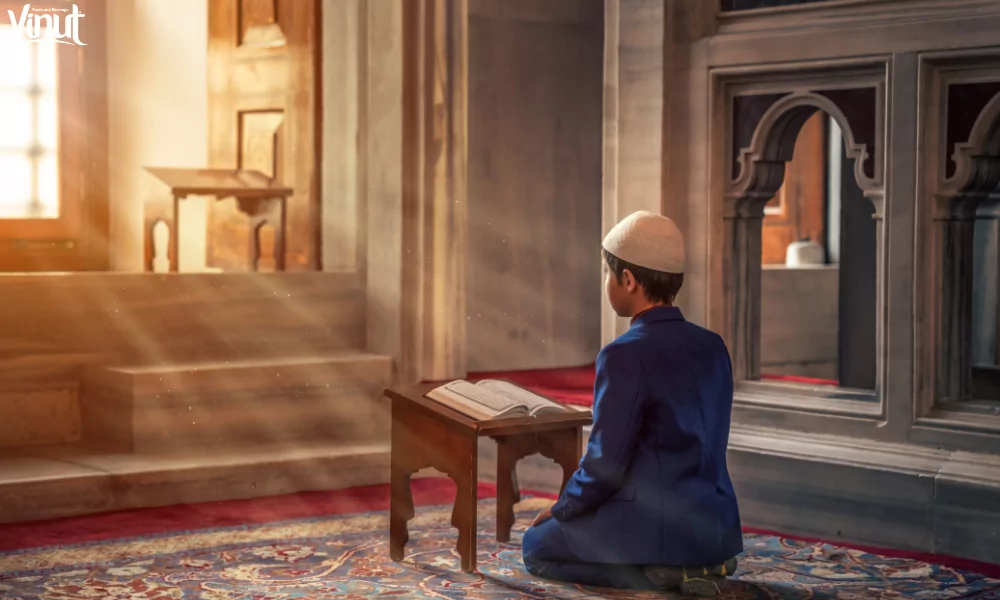
Central to Ramadan observance is the performance of additional prayers, such as Taraweeh, performed after the night prayer (Isha). These prolonged prayers offer believers an opportunity to seek forgiveness, express gratitude, and strengthen their connection with Allah. It’s a time for introspection and supplication, where hearts are humbled before the Almighty.
VINUT_Prayer: Strengthening the Bond with the Divine
2.2 Quranic Recitation: Nourishing the Soul
The recitation of the Quran holds immense significance during Ramadan. Muslims aim to complete the entire Quran during this blessed month. They reflect on its verses, seeking guidance for a righteous life. The melodious recitation of the Quran in congregational prayers or during solitary moments of reflection resonates deeply with believers, nurturing their souls and renewing their faith.
3. Ramadan: A Time of Community and Solidarity
3.1 Iftar: Breaking Bread Together
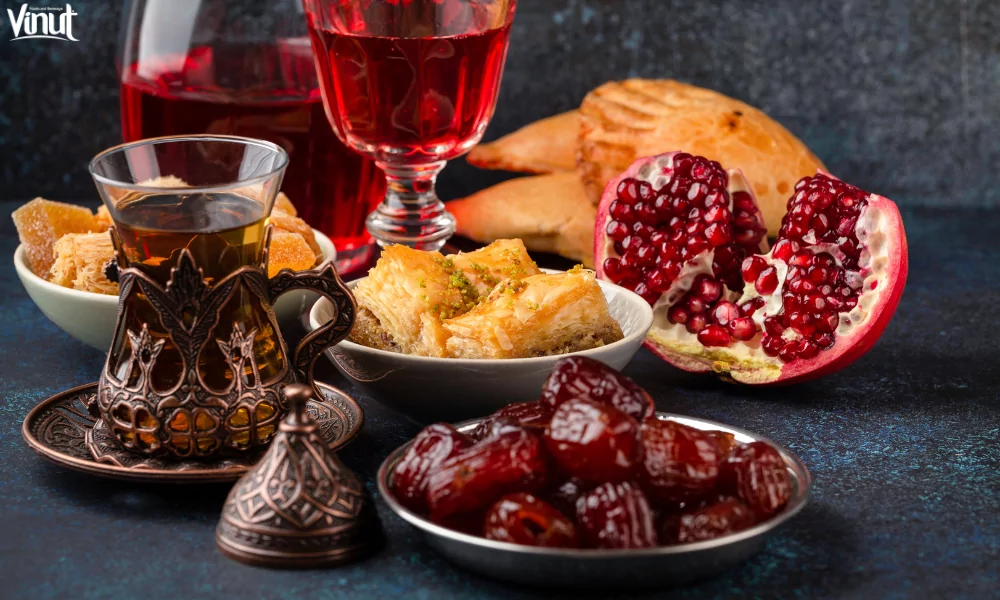
The daily fast is broken at sunset with the evening meal known as Iftar. Families, friends, and communities come together for this joyous occasion. They share traditional delicacies and express gratitude for the Divine's sustenance. It's a time of bonding, laughter, and camaraderie. Barriers of race, ethnicity, and social status dissolve. Hearts unite in brotherhood and sisterhood.
VINUT_Iftar: Breaking Bread Together
3.2 Charity and Generosity: Spreading Love and Compassion
Ramadan is also a time for increased acts of charity and generosity. Muslims are encouraged to give Zakat (obligatory almsgiving) and engage in Sadaqah (voluntary charity) to support the less fortunate. Whether through providing food to the hungry, helping the needy, or supporting humanitarian causes, believers strive to embody the spirit of compassion and benevolence exemplified by Prophet Muhammad (peace be upon him).
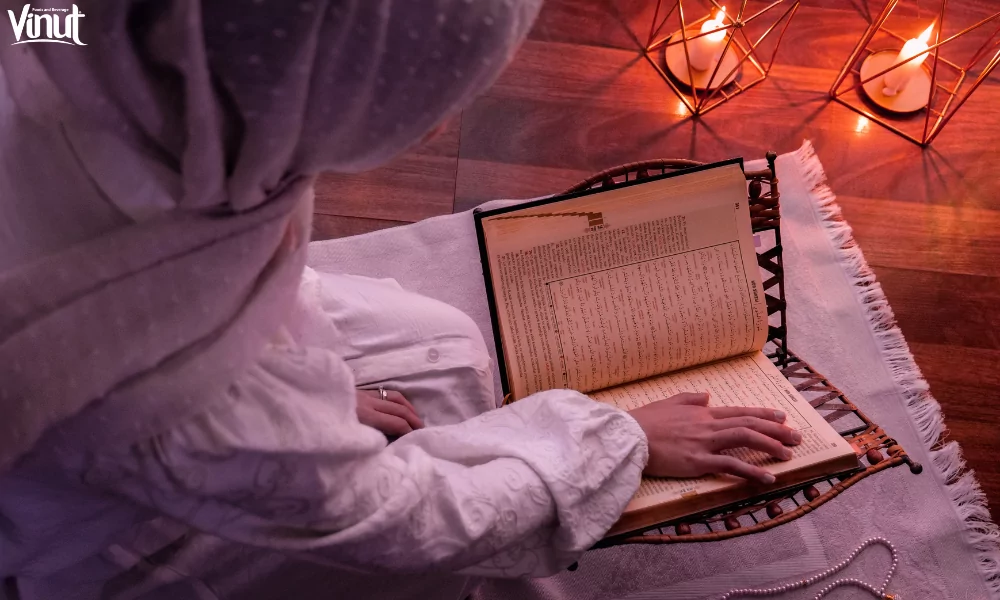
VINUT_Charity and Generosity: Spreading Love and Compassion
4. Conclusion: A Time of Spiritual Transformation
In essence, Ramadan is a month of profound spiritual transformation, where believers embark on a journey of self-discovery, reflection, and growth. It’s a time to purify the soul, strengthen faith, and cultivate virtues such as patience, gratitude, and compassion. As the crescent moon heralds the beginning of this sacred month, let us embrace the spirit of Ramadan wholeheartedly, seeking forgiveness, mercy, and divine guidance on our journey toward spiritual enlightenment.
May Ramadan bring peace, blessings, and spiritual fulfillment to all who observe it, uniting hearts in worship and devotion to the One Creator of the heavens and the earth.
Quick Recap: Key Elements of Ramadan
Fasting (Sawm) — abstaining from food and drink from dawn to sunset
Suhoor — the pre-dawn meal before the fast begins
Iftar — the meal that breaks the fast at sunset
Taraweeh — special night prayers performed after Isha
Quranic recitation — reading the entire Quran during the month
Zakat & Sadaqah — obligatory and voluntary acts of charity
Laylat al-Qadr — the "Night of Power," considered the holiest night of Ramadan
FAQ
What is Ramadan?
Ramadan is a sacred month observed by Muslims worldwide, a profound spiritual journey, a time for reflection, self-discipline, and devotion. It is the holiest month in the Islamic calendar, marking a journey of spiritual rejuvenation, seeking blessings, forgiveness, and enlightenment.
What is the significance of Ramadan?
Ramadan holds a special place in the hearts of Muslims, signifying the revelation of the Quran to the Prophet Muhammad (peace be upon him). It is a month characterized by fasting from dawn till sunset, abstaining from food, drink, and other worldly desires, and is a time to purify the soul, cultivate empathy, and strengthen one’s connection with the Divine.
What does fasting during Ramadan involve?
Fasting during Ramadan involves abstaining from food, drink, and other worldly desires from dawn till sunset. Beyond refraining from food and drink, it fosters self-discipline and empathy, helping believers develop a deeper understanding of the struggles faced by the less fortunate.
What spiritual practices are embraced during Ramadan?
During Ramadan, believers engage in various spiritual practices such as performing additional prayers like Taraweeh after the night prayer (Isha), and the recitation of the Quran, aiming to complete the entire Quran during this blessed month.
What is Taraweeh?
Taraweeh are additional prayers performed after the night prayer (Isha) during Ramadan. These prolonged prayers offer believers an opportunity to seek forgiveness, express gratitude, and strengthen their connection with Allah.
What is Iftar?
Iftar is the evening meal with which the daily fast is broken at sunset during Ramadan. Families, friends, and communities come together to partake in this joyous occasion, sharing traditional delicacies and expressing gratitude.
What is the role of charity and generosity during Ramadan?
Ramadan is a time for increased acts of charity and generosity. Muslims are encouraged to give Zakat (obligatory almsgiving) and engage in Sadaqah (voluntary charity) to support the less fortunate, embodying the spirit of compassion and benevolence.
About this article

The VINUT editorial team publishes articles about beverage ingredients, product characteristics, and practical information for readers and international buyers.