
Buyer Briefing
8 min read · 1,574 words
Non-alcoholic drinks are becoming more popular due to growing wellness awareness, changing attitudes toward alcohol, mindful drinking, social media influence, better product quality, and greater variety. Innovations in craft beverages, mocktails, and ready-to-drink formats are also giving consumers more alcohol-free choices for different lifestyles and social occasions.
- Non-alcoholic drinks are gaining popularity as consumers seek more choice and flexibility.
- Health and wellness awareness and mindful drinking are helping reshape drinking habits.
- Changing attitudes are making alcohol-free choices more accepted in social settings.
- Product innovation has improved the flavor, variety, and overall experience of non-alcoholic beverages.
- Mocktails, craft beverages, botanical drinks, and RTD products are expanding the category.
- Gen Z, Millennials, health-conscious consumers, and people seeking inclusive drinking options are important audiences.
- Non-alcoholic does not automatically mean healthy; nutrition and ingredient labels still matter.
- The future of the category is likely to focus on taste, convenience, innovation, premium experiences, and consumer choice.
Non-alcoholic drinks are becoming an increasingly visible part of modern beverage culture. From sophisticated mocktails and alcohol-free beers to sparkling beverages and ready-to-drink options, consumers now have more alternatives to traditional alcoholic drinks than ever before.
This growth reflects broader changes in consumer lifestyles and drinking habits. Greater health and wellness awareness, changing attitudes toward alcohol, social media influence, product innovation, and a growing desire for more choice are all helping reshape the category.
Rather than simply replacing alcoholic beverages, today's non-alcoholic drinks are developing their own identity based on taste, experience, convenience, and occasion. So, why are non-alcoholic drinks becoming so popular?
I/ What Are Non-Alcoholic Drinks?
Non-alcoholic drinks include a broad range of beverages designed to provide enjoyable drinking experiences without the alcohol levels typically associated with traditional alcoholic beverages.
Depending on the product and local regulations, the category may include alcohol-free beer, de-alcoholized wine, mocktails, botanical drinks, sparkling beverages, and ready-to-drink alternatives.
Today's consumers can choose these beverages based on flavor, ingredients, occasion, convenience, and personal lifestyle preferences - not simply because they want to avoid alcohol.
II/ Why Are Non-Alcoholic Drinks Becoming More Popular?
The growth of non-alcoholic beverages is not driven by a single factor. Instead, several consumer and cultural changes are happening at the same time.
1. Growing Health and Wellness Awareness
Consumers are becoming more conscious of how their everyday choices fit into their overall lifestyles.
For some people, this includes reconsidering how often they consume alcohol or choosing alcohol-free alternatives for certain occasions.
This does not necessarily mean giving up alcohol completely. Instead, consumers may simply want greater flexibility to decide when they drink and when they prefer an alcohol-free option.
As wellness becomes a more prominent part of food and beverage culture, non-alcoholic drinks can fit naturally into this more mindful approach to consumption.
2. Changing Attitudes Toward Alcohol
Alcohol has traditionally been closely associated with parties, celebrations, dining, and social gatherings. However, the idea that every social occasion requires alcohol is gradually changing.
Consumers are becoming more comfortable choosing an alcohol-free beverage while still participating fully in social experiences.
This change creates opportunities for beverage brands to offer products that feel appropriate for celebrations and social occasions without being positioned simply as substitutes.
3. The Rise of Mindful Drinking
Mindful drinking is another important factor behind the trend.
Rather than viewing drinking as an all-or-nothing decision, some consumers are becoming more intentional about when, why, and how much they drink.
Non-alcoholic beverages give consumers an additional option. Someone might choose an alcoholic beverage on one occasion and a sophisticated alcohol-free drink on another.
This flexibility makes non-alcoholic products relevant to a much broader audience than consumers who completely avoid alcohol.
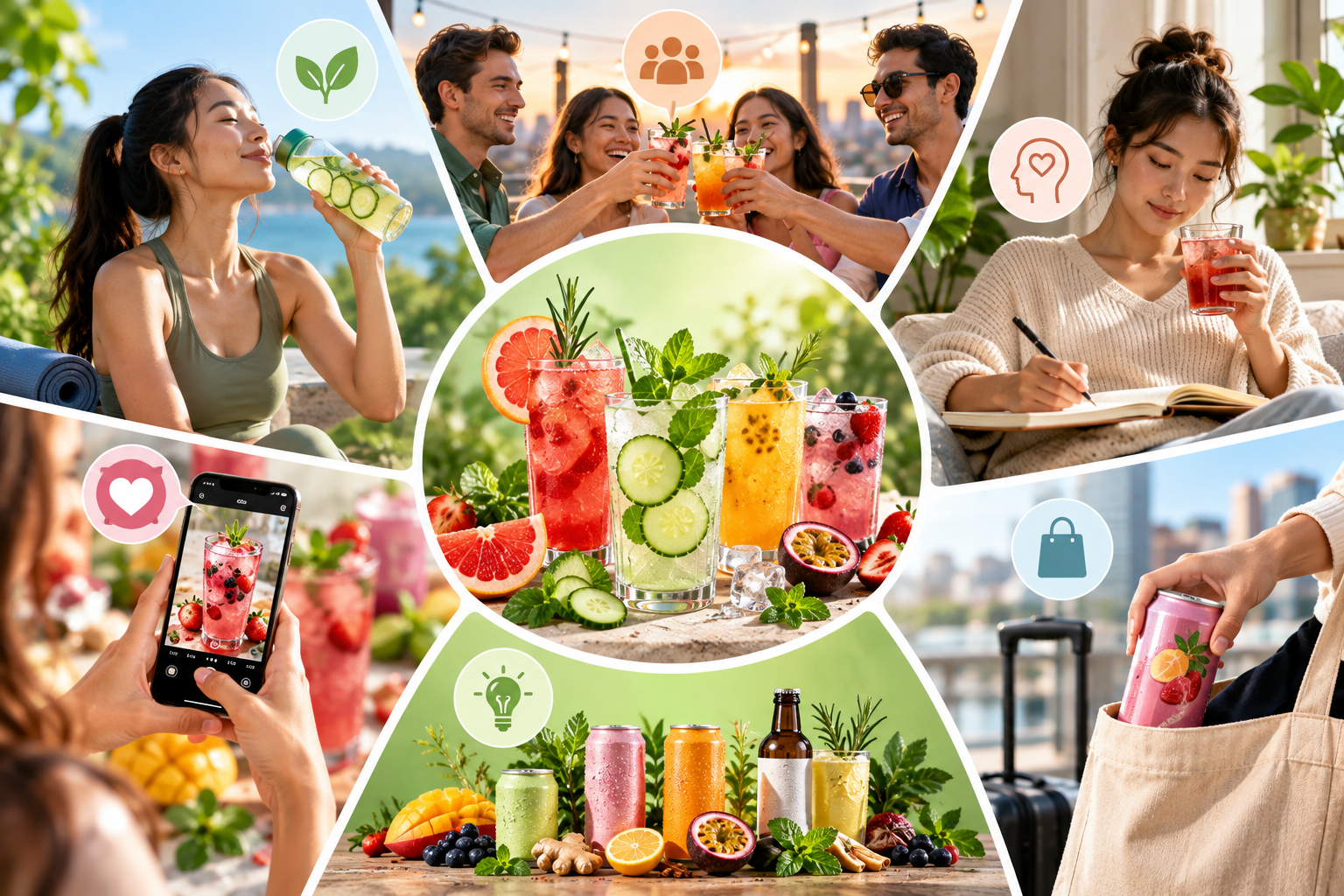
4. Social Media and Lifestyle Influence
Social media has helped make alcohol-free beverages more visible.
Colorful mocktails, creative garnishes, stylish cans, unusual flavors, and premium-looking beverages can all translate effectively into visual content on platforms such as Instagram and TikTok.
Social platforms also make it easier for consumers to discover conversations around mindful drinking, wellness, and alternative drinking occasions.
As a result, choosing a non-alcoholic drink can increasingly be presented as a lifestyle choice rather than a restriction.
5. Better Taste and Product Innovation
One of the biggest changes in the category is simple: there are more interesting products to choose from.
Manufacturers are experimenting with fruits, herbs, botanicals, spices, tea, carbonation, acidity, and different textures to create more sophisticated flavor experiences.
Non-alcoholic beverages are therefore increasingly able to compete on taste and experience instead of relying only on their absence of alcohol.
6. Greater Convenience
Convenient packaging has also helped broaden the appeal of the category.
Ready-to-drink cans and bottles make sophisticated alcohol-free beverages easier to enjoy at home, during meals, at gatherings, or on the go.
Consumers no longer necessarily need a bartender or multiple ingredients to enjoy a more complex non-alcoholic beverage.
III/ How Is Innovation Changing Non-Alcoholic Drinks?
Product innovation is helping transform the perception of alcohol-free beverages from simple alternatives into a diverse beverage category of their own.
1. Craft Non-Alcoholic Beverages
The craft beverage movement has expanded into the non-alcoholic space.
Producers are paying greater attention to aroma, flavor complexity, mouthfeel, ingredients, and presentation when developing alcohol-free products.
In non-alcoholic beer, for example, manufacturers can focus on hop aroma, malt character, bitterness, and body to create an experience closer to traditional beer while meeting the requirements of the alcohol-free category.
Other beverage producers are exploring fruit, herbs, spices, botanicals, and tea to develop products with distinctive identities.
2. Sophisticated Mocktails and Mixology
Mixology has also played an important role in changing how consumers perceive non-alcoholic beverages.
Rather than simply removing alcohol from a cocktail recipe, bartenders can build alcohol-free drinks around ingredients such as fruit, herbs, tea, spices, botanicals, carbonation, and different levels of acidity.
Texture and presentation can also contribute to the experience through elements such as foam, garnishes, layered ingredients, and creative glassware.
As restaurants and bars introduce more dedicated alcohol-free selections, non-alcoholic beverages can receive the same level of creativity and attention traditionally associated with cocktails.
3. Ready-to-Drink Non-Alcoholic Beverages
Ready-to-drink, or RTD, products bring convenience to the category.
Pre-mixed cans and bottles allow consumers to enjoy alcohol-free beverages without purchasing multiple ingredients or preparing a drink from scratch.
RTD formats can also make non-alcoholic beverages suitable for more consumption occasions, including meals, outdoor activities, social gatherings, and at-home relaxation.
IV/ What Types of Non-Alcoholic Drinks Are Available?
The growing category now extends well beyond traditional soft drinks and basic mocktails.
Consumers may find options such as:
Alcohol-free beer: Including lager, ale, stout, and craft-inspired styles.
De-alcoholized wine: Products made to retain some of the characteristics associated with traditional wine.
Mocktails: Alcohol-free drinks inspired by cocktail culture.
Botanical beverages: Drinks incorporating herbs, botanicals, spices, or other plant-based ingredients.
Sparkling beverages: Carbonated drinks featuring fruit, tea, botanical, or other flavor profiles.
Ready-to-drink beverages: Pre-mixed alcohol-free drinks available in convenient cans or bottles.
This expanding variety allows consumers to choose beverages based on flavor, format, occasion, and experience rather than focusing solely on alcohol content.
V/ Who Is Driving the Non-Alcoholic Drink Trend?
Demand is coming from multiple consumer groups, and their motivations can differ considerably.
1. Gen Z and Millennials
Younger consumers have helped increase the visibility of mindful drinking and alcohol-free social occasions.
Flavor innovation, convenient formats, attractive packaging, and digital-first branding can make the category particularly relevant to consumers interested in discovering new beverage experiences.
For these audiences, a non-alcoholic beverage does not necessarily have to imitate an existing alcoholic product. It can have its own identity, flavor, and occasion.
2. Health-Conscious Consumers
People who pay closer attention to their lifestyles may also explore alcohol-free alternatives when looking to moderate their alcohol consumption.
However, it is important to recognize that non-alcoholic does not automatically mean healthy.
Sugar, calories, sodium, caffeine, and other ingredients can vary significantly between products. Consumers should still check ingredient lists and nutrition labels according to their individual dietary needs.
3. Consumers Looking for More Inclusive Choices
People may choose not to drink alcohol for many reasons, including personal preference, culture, religion, lifestyle, health considerations, or simply the circumstances of a particular occasion.
Providing appealing alcohol-free beverages can make social drinking experiences more inclusive.
Instead of being limited to water or conventional soft drinks, consumers can choose beverages that still feel appropriate for dinners, parties, celebrations, and other occasions.
VI/ How Are Non-Alcoholic Drinks Changing Social Occasions?
The rise of non-alcoholic beverages is also expanding the definition of a social drink.
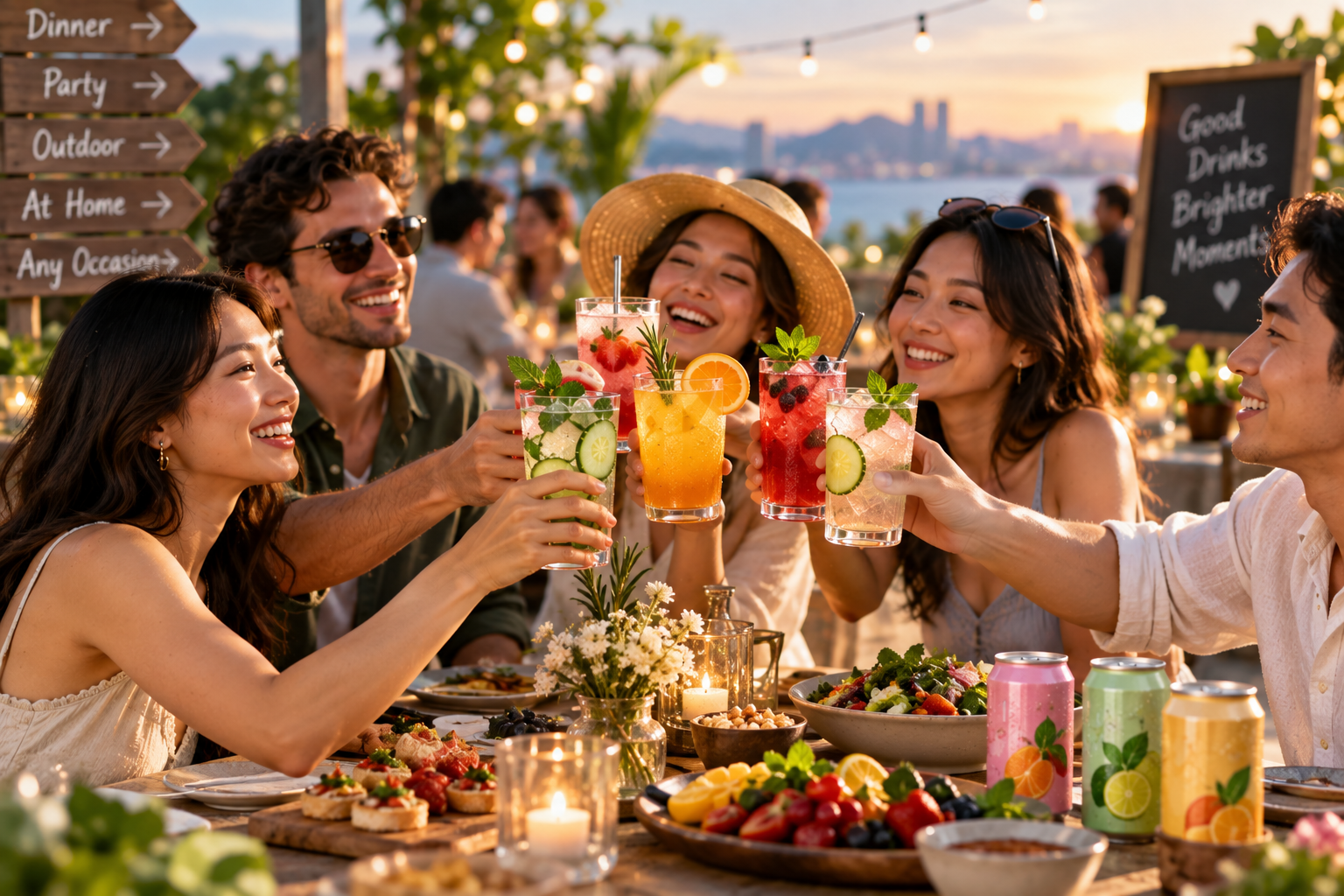
Alcohol-free options can now fit into dinners, celebrations, parties, restaurants, outdoor gatherings, at-home occasions, and many other settings.
This creates more flexibility for consumers. Someone can participate in the ritual of ordering, serving, or sharing a special beverage without necessarily consuming alcohol.
Product presentation also matters. Sophisticated glassware, premium packaging, garnishes, carbonation, and layered flavors can help create a sense of occasion.
The result is an important shift: the question is increasingly becoming less about “What can I drink instead of alcohol?” and more about “What do I actually want to drink?”
VII/ Are Non-Alcoholic Drinks Healthier?
Not necessarily.
Choosing a non-alcoholic beverage can reduce or eliminate alcohol intake from that particular drink, but its overall nutritional profile depends on the product.
Some beverages may contain substantial amounts of added sugar, calories, sodium, caffeine, or other ingredients. Others may have simpler formulations.
When comparing products, consumers can consider:
Alcohol content
Serving size
Calories
Added sugar
Sodium
Caffeine
Ingredient list
Therefore, the term “non-alcoholic” describes alcohol content or product positioning rather than automatically indicating that a beverage is nutritionally healthier.
VIII/ What Is the Future of Non-Alcoholic Drinks?
The future of the category is likely to depend on much more than simply removing alcohol.
Consumers still expect beverages to taste good and provide a satisfying experience. As competition grows, factors such as flavor innovation, product quality, convenience, packaging, and occasion-based positioning may become increasingly important.
Premiumization may also continue influencing the category. Sophisticated flavor combinations and attractive presentation can help non-alcoholic beverages compete for occasions traditionally associated with cocktails, wine, or other premium drinks.
At the same time, RTD formats can make these experiences more accessible and convenient.
Ultimately, successful non-alcoholic beverages will need a clear reason for consumers to choose them - not simply a reason to avoid alcohol.
IX/ Conclusion
Non-alcoholic drinks are becoming more popular because consumers are looking for greater choice, more mindful drinking options, innovative flavors, and beverages that fit different lifestyles and social occasions.
Growing wellness awareness, changing attitudes toward alcohol, social media influence, improved product quality, sophisticated mixology, and convenient RTD formats are all contributing to the category's development.
Most importantly, non-alcoholic beverages are increasingly establishing an identity of their own. Instead of being viewed simply as replacements for alcoholic drinks, they can compete on taste, creativity, convenience, and experience.
As beverage culture continues to evolve, the rise of non-alcoholic drinks represents not only a shift toward drinking less alcohol for some consumers, but also a broader movement toward having more choices about what, when, and how people drink.
FAQ
1. Why Are Non-Alcoholic Drinks Becoming More Popular?
Non-alcoholic drinks are becoming more popular as consumers seek greater flexibility in their drinking choices. Wellness awareness, mindful drinking, changing social attitudes, improved flavors, convenient formats, and greater product variety are all contributing to the trend.
2. Are Non-Alcoholic Drinks Healthier Than Alcoholic Drinks?
Not necessarily. While non-alcoholic drinks contain little or no alcohol depending on the product and local definition, their nutritional profiles vary. Consumers should check calories, added sugar, sodium, caffeine, serving size, and ingredients when comparing beverages.
3. What Are the Most Common Types of Non-Alcoholic Drinks?
Common options include alcohol-free beer, de-alcoholized wine, mocktails, botanical beverages, sparkling drinks, and ready-to-drink alcohol-free beverages. The category continues to expand as brands experiment with new flavors, ingredients, and formats.
About this article
The VINUT editorial team publishes articles about beverage ingredients, product characteristics, and practical information for readers and international buyers.